Health and Safety in Schools: Expert Guidelines for Creating Secure Learning Environments
School safety has become a paramount concern for administrators, educators, parents, and policymakers across the globe. Creating a secure learning environment requires a comprehensive approach that addresses physical safety, mental health, emergency preparedness, and wellbeing initiatives. The Health and Safety Executive (HSE) provides critical guidelines that schools must follow to protect students and staff from potential hazards and risks.
Understanding and implementing proper health and safety protocols isn’t just about compliance—it’s about fostering an environment where students can focus on learning without fear or concern. This guide explores expert-recommended practices, regulatory requirements, and actionable strategies that educational institutions can adopt to maintain the highest standards of safety and security.
Understanding HSE Requirements for Schools
The Health and Safety Executive establishes comprehensive guidelines that schools must adhere to under UK health and safety legislation. These requirements form the foundation of a robust safety management system. Schools are legally obligated to conduct risk assessments, maintain safe premises, and ensure that all staff members understand their responsibilities regarding safety protocols.
According to HSE standards, schools must appoint a competent person responsible for health and safety management. This individual should have sufficient training, knowledge, and experience to identify hazards and implement effective control measures. The HSE emphasizes that safety isn’t a one-time initiative but an ongoing commitment requiring regular review and adaptation.
Schools should establish clear health and safety policies that outline procedures for reporting incidents, managing hazards, and responding to emergencies. These policies must be communicated to all stakeholders, including students, staff, parents, and visitors. Regular audits and inspections help identify potential risks before they become serious problems.
One crucial aspect often overlooked is the connection between physical safety and mental health support. When students feel safe physically, they’re better equipped to manage stress and maintain emotional wellbeing. Schools should integrate mental health considerations into their overall safety strategy, recognizing that psychological safety is equally important as physical protection.
Physical Safety and Infrastructure Standards
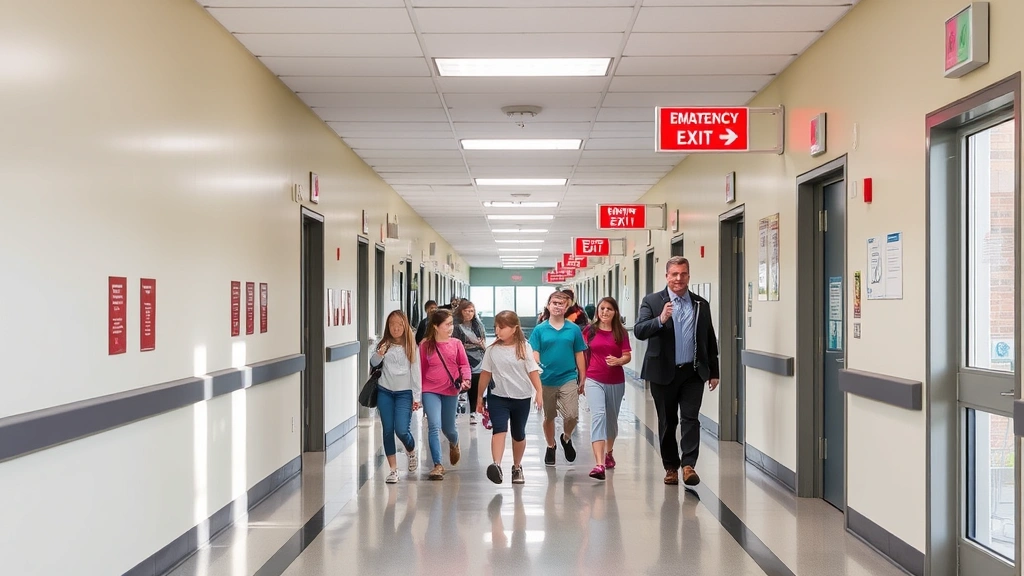
Physical safety encompasses the condition and maintenance of school buildings, equipment, and grounds. Schools must ensure that all facilities meet building codes and safety regulations. This includes proper ventilation systems, adequate lighting, secure electrical installations, and well-maintained emergency exits.
Key physical safety considerations include:
- Building maintenance: Regular inspections of structural integrity, roof conditions, and foundation stability prevent accidents and injuries
- Fire safety systems: Functional fire alarms, sprinkler systems, and clearly marked evacuation routes are essential
- Playground equipment: Regular inspection and maintenance of sports facilities and play areas reduce injury risks
- Chemical storage: Proper handling and storage of laboratory chemicals, cleaning supplies, and maintenance materials
- Ergonomic considerations: Appropriate furniture and equipment sizing for different age groups prevents musculoskeletal problems
- Accessibility standards: Facilities must accommodate students and staff with disabilities
Schools should implement a preventive maintenance schedule rather than reactive repairs. This approach identifies potential hazards before they cause harm. Documentation of all maintenance activities, inspections, and repairs provides evidence of compliance and helps track recurring issues.
Environmental factors also matter significantly. Schools must maintain appropriate temperature control, humidity levels, and air quality. Poor indoor air quality can lead to respiratory issues and reduced cognitive function. Regular cleaning protocols help prevent the spread of infections and maintain hygienic conditions throughout the facility.
Mental Health and Psychological Safety
While physical safety receives considerable attention, psychological safety is equally critical for creating a secure learning environment. Students who experience bullying, harassment, or discrimination cannot learn effectively, regardless of physical safety measures.
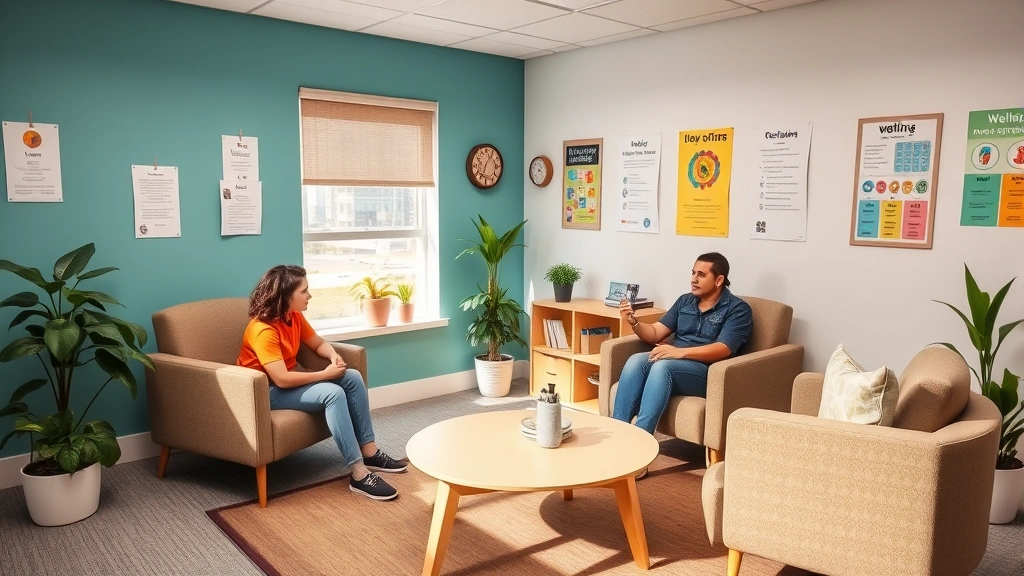
Schools should implement comprehensive anti-bullying policies and provide clear reporting mechanisms for incidents. Staff members need training to recognize signs of psychological distress, anxiety, or trauma. Creating a culture where students feel comfortable discussing concerns with trusted adults helps identify problems early.
The connection between stress management and overall wellbeing cannot be overstated. Our guide on how to avoid burnout at work provides insights applicable to school environments—students and staff both experience pressure that can lead to burnout. Schools should promote healthy coping mechanisms and stress reduction techniques.
Implementing mindfulness and meditation programs can significantly improve mental health outcomes. Learn more about the benefits of mindfulness meditation, which schools increasingly incorporate into their curricula.
Mental health support should include:
- Trained school counselors and psychologists
- Peer support programs and student ambassadors
- Crisis intervention protocols for students in distress
- Connections to external mental health services and resources
- Staff wellness programs recognizing that educator wellbeing affects student safety
Emergency Preparedness and Response Protocols
Schools must develop comprehensive emergency response plans addressing various scenarios: fires, severe weather, medical emergencies, lockdowns, and other critical incidents. These plans should be documented, regularly reviewed, and practiced through drills.
Effective emergency protocols include:
- Clear communication systems: Reliable methods to alert staff and students of emergencies and provide updates
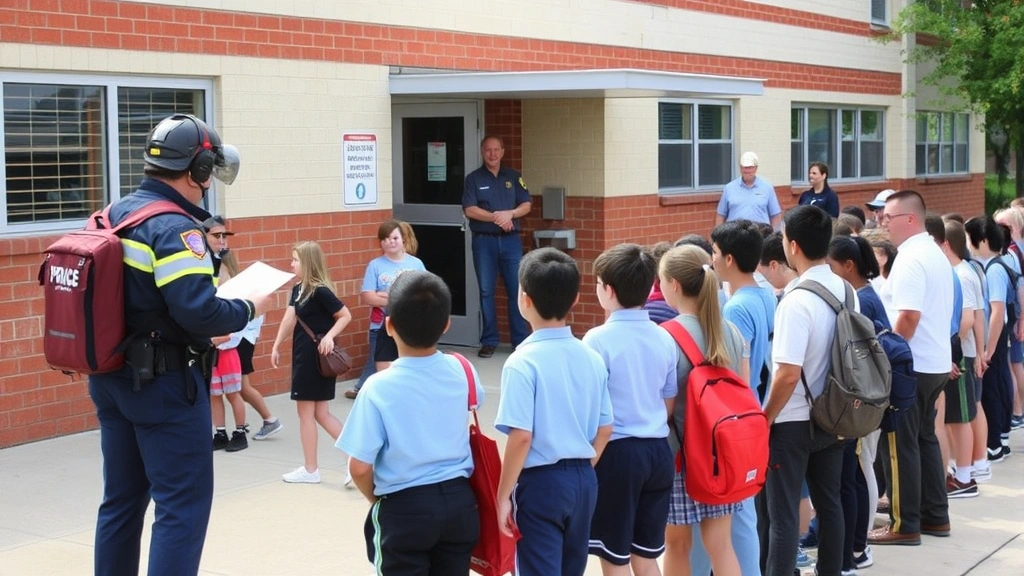
- Evacuation procedures: Designated assembly points, accountability systems, and routes that all occupants understand
- Medical response: First aid stations, AED availability, trained personnel, and protocols for contacting emergency services
- Lockdown procedures: Protocols for securing the building if external threats exist
- Shelter-in-place options: Safe areas where occupants can remain if evacuation isn’t possible
- Recovery planning: Post-incident support for affected students and staff
Regular drills ensure that staff and students can execute emergency procedures efficiently. Drills should be realistic but not traumatizing, and debriefing afterward helps identify areas for improvement. Schools should vary drill types and timing to maintain preparedness without creating anxiety.
Communication with parents during emergencies is critical. Schools should establish protocols for notifying families and providing regular updates. Transparent communication helps prevent rumors and misinformation while demonstrating that the school takes safety seriously.
Staff Training and Competency Requirements
Staff members are the frontline of school safety. All employees, from teachers to administrative staff to maintenance workers, need appropriate training for their roles. Training should cover general health and safety principles, specific hazards relevant to their work, and emergency procedures.
Essential training programs include:
- Induction training: New employees receive comprehensive orientation covering safety policies and procedures
- First aid certification: Teachers and staff should maintain current first aid and CPR training
- Safeguarding training: All staff understand child protection policies and reporting obligations
- Manual handling: Proper techniques for lifting and moving to prevent injuries
- Infection control: Procedures for maintaining hygiene and preventing disease transmission
- Mental health awareness: Recognizing signs of distress and appropriate response strategies
Schools should maintain training records documenting what instruction each staff member has received and when refresher training is due. This documentation demonstrates compliance and helps identify training gaps. Regular updates ensure that staff knowledge remains current with evolving safety standards and best practices.
The Health and Safety Executive website provides comprehensive resources and guidance for schools implementing effective training programs.
Creating a Culture of Safety
Sustainable school safety requires more than policies and procedures—it demands a cultural shift where safety is valued at every level. Students, staff, parents, and community members must understand that safety is everyone’s responsibility.
Building this culture involves:
- Leadership commitment: School leaders model safety behaviors and prioritize safety in decision-making
- Open communication: Staff and students feel comfortable reporting hazards without fear of retaliation
- Recognition programs: Celebrating safety achievements and individuals who contribute to safe environments
- Continuous improvement: Regular review of safety data, incident reports, and near-misses to identify improvement opportunities
- Community engagement: Involving parents and community partners in safety initiatives
- Holistic wellness: Recognizing that physical health and mental wellbeing interconnect—schools should promote exercises for mental health and overall wellness programs
Research demonstrates that schools with strong safety cultures experience fewer incidents and create more positive learning environments. Students in these schools report greater satisfaction and improved academic performance because they can focus on education rather than worrying about safety.
Stress and physical health significantly impact safety outcomes. Understanding weight loss and stress management principles helps school communities recognize how wellness initiatives contribute to overall safety culture.
Schools should establish safety committees comprising representatives from different stakeholder groups. These committees review safety performance, discuss emerging concerns, and recommend improvements. Regular meetings ensure that safety remains a priority and that diverse perspectives inform decision-making.
Documentation is crucial for demonstrating compliance and continuous improvement. Schools should maintain detailed records of risk assessments, incident reports, training activities, and corrective actions. This documentation provides evidence of a systematic approach to safety management and helps identify trends requiring attention.
Engaging students in safety initiatives builds awareness and responsibility. Student safety councils, peer mentoring programs, and age-appropriate safety education help young people understand their role in maintaining secure environments. When students feel invested in safety, they’re more likely to report concerns and support safety initiatives.
External resources provide valuable support for schools developing comprehensive safety programs. The National Fire Chiefs Council offers fire safety guidance, while the UK Government’s education guidance provides emergency planning resources. Organizations like The Children’s Society focus on child wellbeing and safety advocacy.
FAQ
What are the main HSE responsibilities for schools?
Schools must conduct risk assessments, maintain safe premises, ensure staff competency, implement emergency procedures, and maintain documentation demonstrating compliance. Schools must also provide a safe system of work and ensure that all occupants understand health and safety requirements.
How often should schools conduct safety drills?
Schools should conduct fire drills at least once per term. Lockdown drills should occur at least once annually, though some experts recommend twice yearly. Other emergency drills should be conducted based on identified risks specific to the school’s location and circumstances.
What should be included in a school safety policy?
A comprehensive safety policy should address physical safety, emergency procedures, incident reporting, staff training requirements, mental health support, safeguarding procedures, and arrangements for reviewing and updating the policy. The policy should be clearly communicated to all stakeholders.
How can schools support staff wellbeing as part of safety culture?
Schools should recognize that staff stress and burnout affect safety outcomes. Wellness programs, mental health support, reasonable workload expectations, and professional development opportunities help maintain staff wellbeing. When educators are well, they can better support student safety and learning.
What role do parents play in school safety?
Parents should understand school safety procedures, discuss safety with their children, and report concerns to school administrators. Regular communication between schools and families ensures that safety initiatives are reinforced at home and that families understand emergency procedures.
How do schools balance safety with creating welcoming environments?
Effective schools recognize that safety and welcome aren’t contradictory. Clear procedures, visible staff presence, and open communication create environments where people feel both secure and valued. Safety measures should be implemented professionally without creating fortress-like atmospheres that discourage community engagement.