
Managing your healthcare has never been more important, and MyChart by Atlantic Health is a powerful tool designed to put your medical information directly in your hands. Whether you’re scheduling appointments, reviewing test results, or communicating with your healthcare providers, mastering this patient portal can significantly improve your healthcare experience and help you make more informed decisions about your wellness journey.
In today’s digital-first world, understanding how to leverage healthcare technology is as crucial as maintaining your physical health. MyChart Atlantic Health provides a comprehensive platform that bridges the gap between patients and their medical teams, offering convenience, transparency, and better control over your health records. This guide will walk you through expert strategies to maximize every feature available to you.
Getting Started with MyChart Atlantic Health
MyChart is Atlantic Health’s patient engagement platform that allows you to access your medical information anytime, anywhere. This secure portal connects you directly to your healthcare providers and gives you unprecedented access to your personal health records. The platform is available through a web browser and mobile app, making it convenient to manage your health on the go.
To begin your MyChart journey, you’ll need to activate your account. If you’re an existing Atlantic Health patient, you should have received activation instructions. First-time users can register through the official Atlantic Health website or by visiting a patient registration desk at any Atlantic Health facility. The activation process typically involves verifying your identity and setting up login credentials.
One of the primary advantages of using MyChart is that it reduces the need for phone calls to schedule appointments or request prescription refills. By consolidating all your healthcare information in one secure location, you can spend less time on administrative tasks and more time focusing on your actual health and wellness goals. This efficiency can also lead to better health outcomes, as you’re more likely to stay on top of preventive care and follow-up appointments.
Setting Up Your Account for Success
Proper account setup is the foundation for getting the most out of MyChart. Start by creating a strong, unique password that combines uppercase and lowercase letters, numbers, and special characters. This protects your sensitive health information from unauthorized access. Consider using a password manager to securely store your credentials.
Next, complete your profile information thoroughly. Add emergency contacts, list any allergies or medical conditions you want prominently displayed, and update your preferred communication methods. Atlantic Health may offer multiple ways to receive notifications—email, text, or push notifications through the mobile app. Choose the methods that work best for your lifestyle.
Enable two-factor authentication if available. This additional security layer requires you to verify your identity through a second method, such as a code sent to your phone, whenever you log in from a new device. This simple step dramatically reduces the risk of unauthorized access to your medical records.
Set up your preferences for appointment reminders and health maintenance alerts. These notifications help you stay on track with preventive care, medication refills, and follow-up visits. You can customize frequency and timing based on your preferences, ensuring you receive helpful reminders without feeling overwhelmed.
Consider linking your account to family members if you’re managing care for dependents or aging parents. Atlantic Health’s MyChart allows authorized guardians to access and manage health information for minors or incapacitated adults, streamlining family healthcare coordination.
Navigating Key Features and Tools
The MyChart dashboard serves as your command center for all healthcare-related activities. Upon logging in, you’ll see a personalized overview of your upcoming appointments, pending messages from your care team, and any action items requiring your attention. Familiarize yourself with the main navigation menu, which typically includes sections for appointments, messages, health records, medications, and test results.
The WealthySphere Blog emphasizes that understanding your healthcare tools is part of comprehensive wellness planning. Your MyChart portal is organized logically, with each section serving a specific purpose in your healthcare management.
The “Health” or “Records” section displays your complete medical history, including past diagnoses, procedures, and hospitalizations. This centralized view helps you maintain continuity of care, especially if you see multiple providers or specialists. You can easily access this information to share with new healthcare providers or reference when discussing treatment options.
The “Medications” section lists all current prescriptions, including dosage, frequency, and refill status. This transparency helps prevent medication errors and ensures you’re aware of all substances you’re taking. If you notice any discrepancies or have questions about your medications, you can message your provider directly through the portal.
The “Lab Results” section provides immediate access to test results as soon as they’re available, often before your provider’s office calls to inform you. You can view detailed results, compare values over time, and track trends in your health metrics. Understanding how to read and interpret these results empowers you to have more informed conversations with your healthcare team.
Scheduling and Managing Appointments
One of MyChart’s most valuable features is online appointment scheduling. Rather than waiting on hold to speak with a receptionist, you can browse available time slots and book appointments that fit your schedule. This convenience reduces barriers to accessing healthcare and encourages regular preventive care visits.
When scheduling appointments through MyChart, you can often see provider information, location details, and parking instructions. Some providers include notes about what to bring or how to prepare for your visit. Take time to read these details carefully to ensure a smooth appointment experience.
The platform allows you to manage multiple appointments across different departments and locations. Create a system for tracking these appointments—perhaps adding them to your personal calendar or setting phone reminders as backup. Arriving on time or canceling in advance shows respect for your provider’s schedule and ensures other patients can access available slots.
For virtual visits, MyChart provides direct access to video conferencing through the portal. You can join your appointment with a single click, eliminating confusion about links or meeting codes. Ensure you have adequate internet connectivity and a quiet space before your scheduled virtual visit.
The appointment history feature lets you review past visits, including notes from your provider if they’ve been shared. This historical perspective helps you track your healthcare journey and identify patterns or trends in your health over time.

” alt=”Professional healthcare provider consulting with patient in modern medical office”>
Understanding Your Medical Records
Your complete medical record is a comprehensive document that includes clinical notes, test results, imaging reports, and procedure summaries. MyChart provides transparent access to these records, demystifying the healthcare process and helping you understand your health status.
Clinical notes from your provider visits contain important information about your symptoms, the provider’s assessment, and recommended treatment plans. These notes can be technical, but taking time to read and understand them helps you follow through with recommendations and identify any concerns you want to discuss at your next visit.
Many healthcare organizations, including Atlantic Health, are required to provide patients with access to their medical records under privacy regulations. MyChart makes this process seamless by providing immediate digital access. If you need physical copies or records in a specific format, you can typically request these through the portal as well.
The ability to download and export your records is valuable for several reasons. You might want to share specific information with a specialist, keep personal backups, or compile records for insurance purposes. MyChart typically allows you to download records in standard formats like PDF, making them easy to store and share securely.
Understanding the relationship between different components of your medical record helps you see the bigger picture of your health. For example, if you have a chronic condition, you can review how your symptoms have evolved, what treatments have been tried, and how your lab values have changed over time. This comprehensive view supports better healthcare decision-making.
Communicating with Your Healthcare Team
The secure messaging feature in MyChart creates a documented communication channel between you and your healthcare providers. Unlike phone calls or in-person conversations, written messages create a permanent record that both you and your provider can reference later.
Use messaging for non-urgent questions, prescription refill requests, follow-up clarifications, and appointment scheduling issues. For emergencies or urgent symptoms, always call 911 or go to the emergency department rather than using the messaging system. Providers typically respond to messages within one to two business days, so plan accordingly for time-sensitive matters.
When composing messages, be clear and specific about your concern. Instead of a vague message like “I don’t feel well,” provide details: “I’ve had a persistent headache for three days, and over-the-counter pain relievers haven’t helped. Should I schedule an appointment?” Specific information helps your provider give you better guidance.
Related to your overall wellness journey, understanding Men’s Mental Health Month and broader mental health awareness can inform your conversations with healthcare providers. Don’t hesitate to discuss mental health concerns through MyChart messaging—your provider wants to support your complete wellbeing.
Maintain professional, respectful communication in all messages. Your healthcare team is more likely to respond promptly and thoroughly to courteous inquiries. Remember that your messages become part of your permanent medical record, so communicate clearly and avoid overly casual language.
If you have complex questions or need detailed explanations, consider requesting a phone call or scheduling an appointment rather than relying on messaging. Some conversations are better handled through direct communication, and your provider can usually accommodate this request.
Tracking Your Health Metrics and Medications
MyChart often includes tools for tracking personal health metrics like blood pressure, blood sugar, weight, and activity levels. If your provider has recommended home monitoring for any conditions, use these tracking features to maintain consistent records. This data can be invaluable during your appointments, providing objective information about your health trends.
Consistent monitoring of chronic conditions demonstrates commitment to your health and provides your provider with real-world data that supplements office visits. For conditions like hypertension or diabetes, home monitoring often reveals patterns that single office measurements might miss. Share this data with your provider through MyChart or during appointments.
The medication management section helps you stay organized and adherent to your treatment plan. Set up reminders for taking medications, refill prescriptions before running out, and keep an updated list of all current medications. This organization is particularly important if you take multiple medications with different schedules.
Understanding the connection between lifestyle factors and health metrics is crucial. As discussed in Best Exercises for Mental Health: Boost Your Mind and Mood, physical activity significantly impacts various health markers. Use MyChart to track not just medication adherence but also lifestyle factors that influence your health.
If you notice concerning trends in your metrics—such as consistently elevated blood pressure or weight gain—contact your provider promptly. Early intervention often prevents complications and may lead to treatment adjustments that better serve your health goals.
Privacy and Security Best Practices
Your medical information is protected by stringent privacy laws, including HIPAA (Health Insurance Portability and Accountability Act). Atlantic Health takes security seriously, but you also play a crucial role in protecting your health information. Never share your MyChart login credentials with anyone, including family members, even if they’re helping you manage your care. Instead, use the authorized user features to grant appropriate access.
When accessing MyChart on shared devices, such as a family computer, always log out completely when finished. Don’t save your password in the browser, as this could allow others to access your information. Consider using a private browsing mode if accessing your account on a shared device.
Be cautious about using public WiFi networks when accessing MyChart. While the portal uses encryption, public WiFi networks are vulnerable to interception. Use a VPN (Virtual Private Network) if you must access MyChart on public WiFi, or simply wait until you’re on a secure, private network.
Regularly review your account activity and check for any unfamiliar access attempts. If you notice suspicious activity, change your password immediately and contact Atlantic Health’s security team. Report any suspected breaches of your privacy to both Atlantic Health and the appropriate regulatory authorities.
Understand what information you’re comfortable sharing through the portal. While MyChart is secure, consider whether you want to discuss particularly sensitive matters through written messages or prefer in-person conversations for certain topics. You have the right to choose communication methods that feel appropriate for your situation.
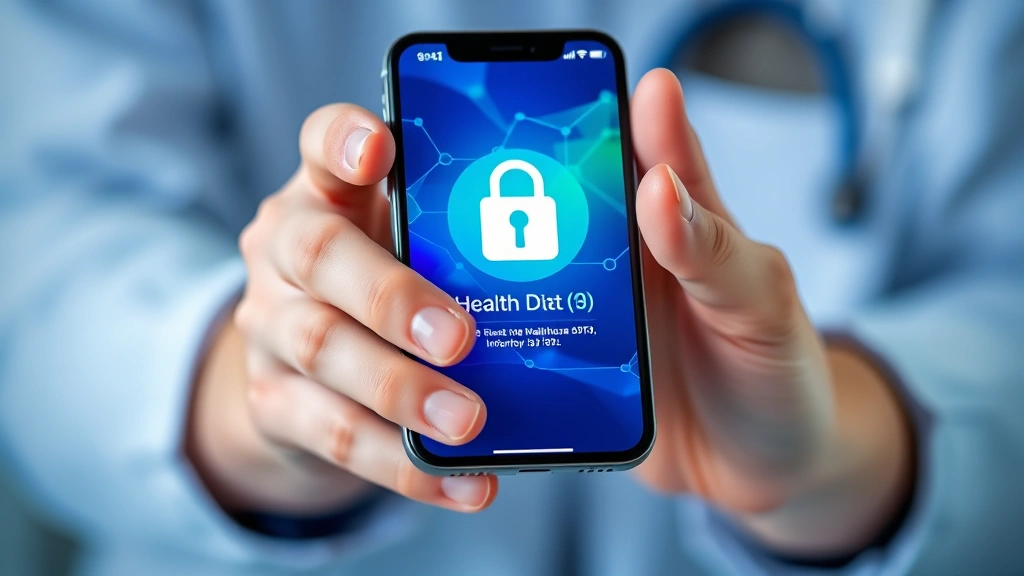
” alt=”Person securely using healthcare app on smartphone with protective digital security elements”>
Advanced Tips for Power Users
Once you’re comfortable with basic MyChart functions, explore advanced features that can further enhance your healthcare management. Many providers use MyChart to share educational resources, health tips, and preventive care guidelines. Review these materials to deepen your health knowledge and stay informed about best practices for your specific conditions.
Some Atlantic Health providers offer patient education programs or support groups accessible through MyChart. These resources connect you with others managing similar conditions and provide expert guidance. Participating in these communities can increase motivation for health behavior changes and provide emotional support.
Use the appointment notes feature to prepare for visits. Before each appointment, jot down questions, concerns, and symptoms you want to discuss. This preparation ensures you don’t forget important topics and makes your visit more efficient and productive.
If you manage health for multiple family members, organize their information systematically. Keep separate notes about each person’s conditions, medications, and upcoming appointments. This organizational system becomes invaluable during medical emergencies or when coordinating family healthcare decisions.
Explore whether Atlantic Health offers integration with popular health and fitness apps. Many modern patient portals can sync with apps like Apple Health, Fitbit, or Google Fit, automatically importing activity and health data. This integration streamlines data entry and provides a more complete picture of your health.
Consider how your healthcare management through MyChart fits into your broader wellness strategy. As outlined in The Ultimate Guide to the Benefits of Mindfulness Meditation, comprehensive wellness includes mental health, physical activity, and stress management alongside traditional medical care. Use MyChart as one component of a holistic health approach.
Learn about your provider’s specific use of MyChart. Some providers are more active in the portal than others, and understanding their communication style helps you develop realistic expectations. If a provider rarely uses MyChart messaging, you might need to call their office for urgent matters.
FAQ
How do I activate my MyChart account if I’m a new patient?
Visit the Atlantic Health website or ask for activation instructions at your first appointment. You’ll need to verify your identity using personal information and set up your login credentials. Once activated, you can immediately begin using the portal to access your health information and schedule appointments.
What should I do if I forget my MyChart password?
Use the “Forgot Password” link on the login page to initiate a password reset. You’ll typically receive an email with instructions to create a new password. If you don’t receive the email, check your spam folder or contact Atlantic Health’s patient support line for assistance.
Can I access MyChart on my smartphone?
Yes, Atlantic Health offers a mobile app for both iOS and Android devices. Download the app from your device’s app store, log in with your credentials, and enjoy the same features as the web version. The mobile app is particularly convenient for checking appointment reminders and accessing test results on the go.
How long does it typically take for test results to appear in MyChart?
Results typically appear within 24-48 hours of completion, though some tests may take longer. Your provider will review results before they’re released to you in the portal. If you haven’t received results within the expected timeframe, contact your provider’s office to inquire.
Is it safe to discuss mental health concerns through MyChart messaging?
Yes, MyChart is secure and confidential. Mental health is an important part of overall wellness, as discussed in Mental Health Technician resources. Your provider wants to support your complete health, including mental wellbeing. Use the messaging feature to discuss mental health concerns, though for crisis situations, always call 911 or a crisis hotline.
Can I request prescription refills through MyChart?
Yes, most providers allow prescription refill requests through the messaging feature. Submit your request during business hours, and your provider typically responds within one business day. Plan ahead to avoid running out of medications, especially for chronic conditions.
How do I share my medical records with another healthcare provider?
Most patient portals include a records transfer or sharing feature. You can typically request that copies of your records be sent to another provider’s office through MyChart. Alternatively, you can download your records and share them directly. Contact your new provider’s office for their preferred method of receiving records.
What should I do if I notice an error in my medical records?
Contact your provider’s office or use the MyChart messaging feature to report the error. Provide specific details about what’s incorrect and suggest the correct information. Your provider will investigate and make corrections as appropriate, ensuring your medical record remains accurate.


