
Healthy Sandwich Options: Nutritionist-Approved Picks for Better Eating
Sandwiches often get a bad reputation in the health-conscious community, yet they remain one of the most convenient and versatile meal options available. The truth is, choosing nutritionist-approved sandwich ingredients can transform this everyday meal into a powerhouse of nutrition that supports your wellness goals. Whether you’re packing lunch for work, preparing a quick dinner, or looking for satisfying meal prep options, understanding how to build a truly healthy sandwich makes all the difference.
The key to creating in good health sandwiches lies in making intentional choices about bread, proteins, vegetables, and spreads. Rather than defaulting to processed deli meats and mayo-heavy condiments, you can craft sandwiches that provide sustained energy, support balanced nutrition, and keep you satisfied throughout the day. This comprehensive guide explores evidence-based sandwich combinations that nutritionists recommend, helping you make informed decisions about what goes between your bread.
The Foundation: Choosing the Right Bread
Bread serves as the structural foundation of any sandwich, but not all bread options are created equal when it comes to nutritional value. Whole grain breads should be your default choice, as they contain significantly more fiber, vitamins, and minerals compared to refined white bread. The fiber content aids digestion, helps regulate blood sugar levels, and promotes satiety—meaning you’ll feel fuller longer and less likely to reach for unhealthy snacks mid-afternoon.
When selecting bread at your local grocery store, read the ingredient list carefully. Look for options where whole wheat, whole grain, or sprouted grains appear as the first ingredient. Many commercial breads labeled “wheat bread” are actually made primarily from refined flour with added coloring, so scrutinizing labels is essential. Sprouted grain breads offer additional benefits, including easier digestion and higher nutrient bioavailability. These breads are made from grains that have begun to sprout, increasing their enzyme content and nutritional density.
Consider exploring alternative bread options beyond traditional sliced loaves. Sourdough bread undergoes a fermentation process that partially breaks down gluten and reduces the glycemic impact, making it easier to digest for many people. Whole grain wraps, lettuce wraps, and even portobello mushroom caps can serve as creative bread alternatives for those seeking lower-carbohydrate options. Rye bread and pumpernickel offer distinct flavors while providing excellent fiber content and a lower glycemic index than many wheat varieties.
Protein Powerhouses for Your Sandwich
The protein component of your sandwich determines much of its nutritional profile and satiety factor. Rather than relying on processed deli meats laden with sodium and preservatives, nutritionists recommend incorporating whole protein sources that provide amino acids without excessive additives. Grilled chicken breast remains a top choice, offering lean protein with minimal fat content. When preparing chicken at home, you control the cooking method and seasoning, avoiding the high sodium content typical of packaged varieties.
Plant-based proteins deserve significant attention in the sandwich equation. Legume-based options like hummus, chickpea salads, and lentil spreads provide substantial protein alongside fiber and micronutrients. These options work particularly well for vegetarian diets and offer unique flavor profiles that distinguish your sandwich from standard meat-based options. Mashed white beans mixed with herbs create a creamy, nutritious spread that rivals traditional mayo in texture while providing superior nutritional content.
Fish and seafood present excellent protein choices with added omega-3 fatty acids that support heart and brain health. Canned wild salmon or tuna packed in water (rather than oil) offers convenience while providing these beneficial fats. Egg-based salads made with whole eggs or egg whites deliver complete proteins containing all essential amino acids. For those interested in supporting mental health through nutrition, the choline in eggs particularly benefits cognitive function.
Aged cheeses in modest quantities can contribute protein while adding flavor complexity. Swiss cheese and feta contain less sodium than many processed cheese products and provide calcium for bone health. The key involves portion control—using cheese as a complementary element rather than the primary protein source.
Vegetable Abundance and Freshness
Vegetables transform a simple sandwich into a nutritional powerhouse while adding texture, flavor, and visual appeal. Raw vegetables like crisp lettuce, ripe tomatoes, cucumber slices, and bell peppers contribute vitamins, minerals, and fiber without significant caloric density. The volume these vegetables add to your sandwich increases satiety, helping you feel satisfied with reasonable portion sizes.
Leafy greens deserve special emphasis—spinach, arugula, and romaine lettuce provide iron, calcium, and antioxidants that support overall health. Dark leafy greens contain compounds that support healthy blood pressure management, contributing to cardiovascular wellness. The slightly bitter flavor of arugula pairs beautifully with certain proteins and spreads, adding sophistication to your sandwich.
Roasted vegetables introduce concentrated flavors and enhanced nutrient availability. Roasting vegetables like zucchini, eggplant, and red peppers caramelizes their natural sugars while reducing water content, creating rich, satisfying textures. These can be prepared in batches and refrigerated for convenient sandwich assembly throughout the week. Fermented vegetables like sauerkraut and kimchi add probiotic benefits that support digestive health, introducing beneficial bacteria that enhance gut function.
Avocado deserves mention as a unique vegetable-fruit hybrid offering healthy monounsaturated fats that support satiety and nutrient absorption. The creamy texture of avocado can replace high-fat spreads while providing potassium and vitamin E. Sliced avocado adds nutritional density without excessive calories, though portion awareness remains important due to caloric concentration.
Spreads and Condiments That Matter
The spread you choose significantly impacts both the flavor and nutritional quality of your sandwich. Traditional mayonnaise, while providing some vitamin E, contains excessive calories and often relies on inflammatory seed oils. Healthier alternatives include Greek yogurt-based spreads that provide probiotics and protein, or mashed avocado that offers beneficial fats and creaminess without refined ingredients.
Mustard represents an excellent condiment choice, providing flavor with minimal calories and no added sugar. Spicy brown mustard and whole grain varieties add complexity while containing beneficial compounds. Vinegar-based condiments like balsamic vinegar and apple cider vinegar provide acidity that aids digestion and blood sugar regulation without excess sodium.
Nut butters like almond butter and tahini introduce protein, healthy fats, and mineral content. These work particularly well on whole grain bread with vegetable accompaniments, creating satisfying, nutrient-dense combinations. Hummus made from chickpeas offers similar benefits while introducing legume-based protein and fiber. Pesto made with fresh basil provides antioxidants and healthy fats from nuts and olive oil, though portion control remains important due to caloric density.
Condiments to limit or avoid include sugary ketchup, high-sodium processed spreads, and mayo-based sauces. Reading ingredient labels helps identify hidden sugars and excessive sodium in seemingly innocent condiments. Many commercial sandwich spreads contain added sugars, preservatives, and inflammatory oils that undermine your healthy sandwich goals.
Nutritionist-Approved Sandwich Combinations
Understanding individual components means little without knowing how to combine them effectively. The Mediterranean Powerhouse combines whole grain bread with grilled chicken, roasted red peppers, fresh spinach, sliced tomatoes, and a spread of hummus mixed with olive oil and lemon juice. This combination provides lean protein, fiber, antioxidants, and healthy fats in a balanced package that supports sustained energy and cardiovascular health.
For plant-based diets, The Legume Champion features sprouted grain bread layered with mashed chickpeas mixed with herbs, sliced cucumber, shredded carrots, microgreens, and a tahini-lemon dressing. This sandwich delivers complete nutrition from legumes and whole grains while providing diverse textures and phytonutrients from the vegetable selection.
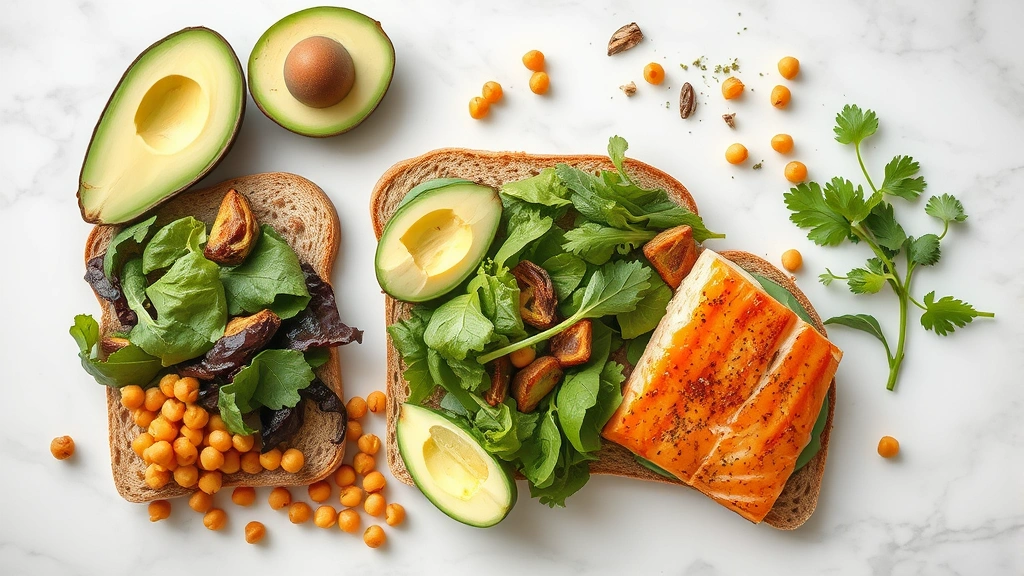
The Omega-3 Wonder uses whole grain bread with wild salmon, avocado slices, fresh dill, arugula, and a light Greek yogurt and mustard spread. This combination provides omega-3 fatty acids crucial for brain and heart health, alongside healthy fats that support nutrient absorption and satiety. The omega-3 content particularly benefits those managing stress and inflammation in the body.
The Protein-Packed Egg combines whole wheat bread with hard-boiled eggs, crispy lettuce, sliced tomato, cucumber, and a light mustard spread. Eggs provide complete proteins with all essential amino acids, making this an exceptionally nutrient-dense option that supports muscle maintenance and satiety throughout your day.
For those seeking lower-carbohydrate options, lettuce wraps filled with turkey breast, avocado, tomato, and mustard provide sandwich satisfaction with minimal carbohydrate content. This approach works well for individuals managing blood sugar or following specific dietary protocols.
Building Sandwiches for Specific Health Goals
Different health objectives warrant different sandwich strategies. Those focused on weight management should emphasize volume through vegetables and fiber-rich bread while moderating calorie-dense components like nuts, cheese, and oil-based spreads. Building sandwiches with abundant vegetables creates fullness signals that help prevent overeating while keeping caloric content reasonable.
For muscle building and athletic performance, prioritize protein quantity and quality, ensuring each sandwich contains at least 25-30 grams of protein from sources like grilled chicken, fish, or legumes. Pair protein with complex carbohydrates from whole grain bread to support glycogen replenishment and recovery. Adding vegetables provides micronutrients essential for muscle function and recovery.
Those managing blood sugar levels should focus on low glycemic index bread options, emphasize protein and healthy fats, and include abundant fiber from vegetables and legumes. Avoiding simple carbohydrates and refined bread prevents blood sugar spikes that leave you fatigued and hungry shortly after eating. Whole grain bread combined with protein and healthy fats creates a balanced macronutrient profile that stabilizes blood sugar throughout the afternoon.
For cardiovascular health, emphasize omega-3 rich fish, plant-based proteins, and heart-healthy fats from avocado and nuts. Limit sodium content by preparing sandwiches at home rather than purchasing pre-made options. Include abundant vegetables, particularly those rich in antioxidants and fiber that support heart function. Incorporating stress management practices like meditation alongside heart-healthy eating creates comprehensive cardiovascular support.
Meal Prep and Storage Tips
Sandwich meal prep requires strategic planning to maintain freshness and prevent sogginess. Rather than assembling complete sandwiches days in advance, prepare components separately and assemble fresh daily. Store bread, proteins, vegetables, and spreads in separate containers, allowing flexibility in combination choices while maintaining optimal freshness.
Wet ingredients like tomatoes and avocado should be added immediately before consumption to prevent bread from becoming soggy. Consider using spreads as barriers between wet vegetables and bread—hummus or mustard creates protective layers that slow moisture absorption. Wrapping assembled sandwiches in parchment paper rather than plastic wrap allows slight air circulation that prevents condensation buildup.
Proteins can be prepared in batches and refrigerated for up to four days. Grilled chicken, hard-boiled eggs, and legume-based spreads keep well when stored in airtight containers. Vegetables like lettuce, cucumber, and bell peppers maintain crispness when stored separately from bread and spreads, kept in the vegetable drawer of your refrigerator at optimal humidity levels.
For those with busy schedules, consider overnight sandwich preparation strategies using heartier bread varieties and proteins that withstand moisture better. Sourdough bread resists sogginess more effectively than softer varieties, making it ideal for advance preparation. Grilled vegetables that have already lost surface moisture integrate well in pre-assembled sandwiches.

FAQ
What makes a sandwich truly healthy?
A healthy sandwich balances whole grain bread, lean or plant-based protein, abundant vegetables, and minimal processed ingredients. The combination should provide sustained energy through balanced macronutrients without excessive sodium, added sugars, or inflammatory oils. Focus on whole foods and prepare sandwiches at home when possible to control ingredient quality.
Can I eat sandwiches while trying to lose weight?
Absolutely. Strategic sandwich choices support weight management by providing volume through vegetables and fiber that creates satiety. Emphasize whole grain bread, lean proteins, and abundant vegetables while moderating calorie-dense components like cheese and oil-based spreads. The key involves portion awareness and intentional ingredient selection rather than eliminating sandwiches entirely.
How do I prevent soggy sandwiches during meal prep?
Store components separately and assemble fresh when possible. If advance preparation is necessary, use spreads as moisture barriers between bread and wet vegetables, choose heartier bread varieties like sourdough, and wrap finished sandwiches in parchment rather than plastic. Add wet ingredients like tomatoes and avocado immediately before eating.
What are the best protein sources for vegetarian sandwiches?
Legume-based options like hummus, mashed chickpeas, and lentil spreads provide substantial plant-based protein. Tofu and tempeh offer complete proteins when properly seasoned. Nuts and seeds contribute protein alongside healthy fats. Eggs provide complete protein with all essential amino acids. Aged cheeses in modest quantities add protein and flavor.
Can sandwiches support specific health conditions?
Yes, sandwich composition can be tailored for various health goals. For cardiovascular health, emphasize omega-3 rich fish and heart-healthy fats. For blood sugar management, prioritize low glycemic index bread with protein and fiber. For muscle building, increase protein quantity and pair with complex carbohydrates. Consult healthcare providers for condition-specific recommendations.
What external resources help with sandwich nutrition planning?
The Academy of Nutrition and Dietetics provides evidence-based nutrition guidance. The Harvard T.H. Chan School of Public Health Nutrition Source offers research-based dietary recommendations. The American Heart Association provides cardiovascular health nutrition guidelines. Working with registered dietitian nutritionists offers personalized guidance aligned with individual health objectives.


