10 Best Foods for Prostate Health: Nutritionist’s Pick
Prostate health is a critical concern for millions of men worldwide, yet many don’t realize that dietary choices play a fundamental role in maintaining optimal prostate function. The prostate gland, a walnut-sized organ that produces seminal fluid, requires specific nutrients to operate efficiently and resist age-related decline. By incorporating scientifically-backed foods into your daily diet, you can significantly reduce your risk of prostate-related issues and support long-term wellness.
The connection between nutrition and prostate health has been extensively researched by medical professionals and nutritionists alike. Studies consistently show that men who follow a nutrient-dense diet rich in antioxidants, minerals, and plant-based compounds experience better prostate outcomes than those consuming processed, high-fat diets. This comprehensive guide explores the ten most beneficial foods for prostate health, explaining the science behind each recommendation and how to integrate them into your lifestyle for maximum benefit.
1. Tomatoes and Lycopene Power
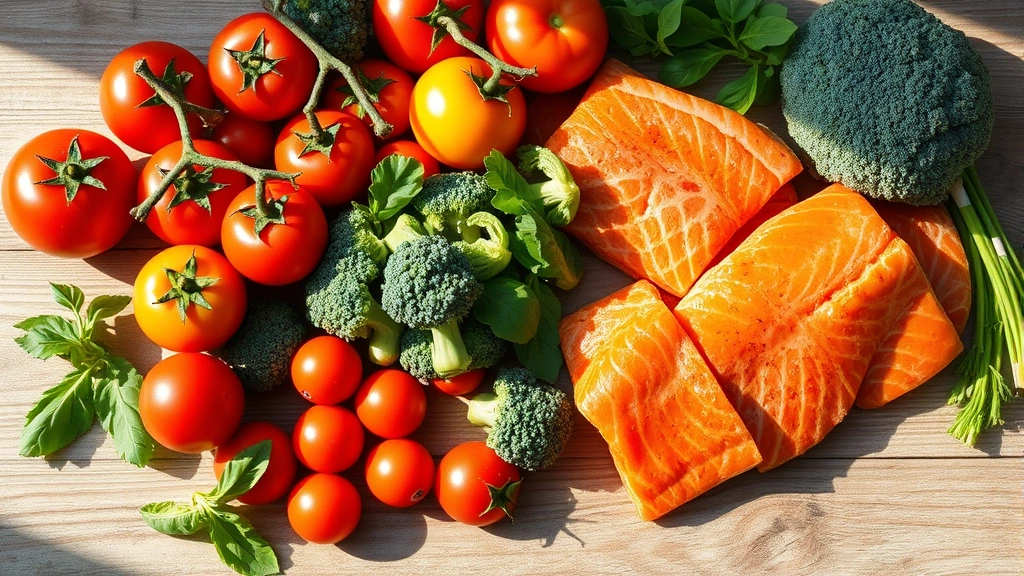
Tomatoes stand at the forefront of prostate-protective foods, primarily due to their exceptional lycopene content. Lycopene is a carotenoid pigment responsible for the red color in tomatoes, and it functions as a potent antioxidant that specifically accumulates in prostate tissue. Research published by major health institutions demonstrates that men consuming tomato products regularly show significantly lower rates of prostate complications.
The bioavailability of lycopene increases substantially when tomatoes are cooked or processed into sauces, paste, or juice. This means that tomato sauce, marinara, and even ketchup provide more usable lycopene than raw tomatoes. A single serving of tomato sauce can deliver 20-30 mg of lycopene, exceeding the daily intake levels shown to provide protective benefits. For optimal results, incorporate tomatoes into your diet through pasta sauces, soups, and cooked vegetable dishes at least three to four times weekly.
Beyond lycopene, tomatoes contain vitamins C and K, potassium, and folate—all supporting cardiovascular and prostate health. The synergistic effect of these compounds makes tomatoes one of the most comprehensive prostate-supporting foods available. Pairing tomatoes with healthy fats, such as olive oil, further enhances lycopene absorption and nutrient utilization.
2. Cruciferous Vegetables for Prevention
Broccoli, cauliflower, Brussels sprouts, and cabbage belong to the cruciferous vegetable family, distinguished by their remarkable sulforaphane content. Sulforaphane is an isothiocyanate compound that research suggests may slow or inhibit prostate cancer cell growth. Studies indicate that men consuming cruciferous vegetables multiple times weekly experience measurable reductions in prostate-specific antigen (PSA) levels, a key marker of prostate health.
These vegetables work through multiple mechanisms: they support the body’s natural detoxification processes, reduce inflammation, and provide anti-angiogenic properties that limit abnormal cell growth. Raw or lightly steamed cruciferous vegetables retain the highest sulforaphane concentrations, though even cooked versions offer significant benefits. Aim for at least two to three servings of cruciferous vegetables per week, incorporated into stir-fries, roasted vegetable medleys, or fresh salads.
The compounds in cruciferous vegetables also support healthy blood pressure maintenance, which indirectly supports prostate function by improving overall cardiovascular health. This multi-system benefit makes cruciferous vegetables an essential cornerstone of any prostate-health dietary strategy.
3. Fatty Fish and Omega-3 Fatty Acids
Salmon, mackerel, sardines, and herring deliver high concentrations of omega-3 polyunsaturated fatty acids, specifically EPA and DHA. These essential fatty acids possess strong anti-inflammatory properties that directly benefit prostate tissue. Inflammation represents a significant risk factor in prostate disease progression, and omega-3s actively suppress inflammatory markers throughout the body.
Research from leading nutritional science institutions demonstrates that men consuming fatty fish twice weekly show improved prostate markers and reduced disease risk compared to those consuming fish infrequently. The anti-inflammatory effects of omega-3s extend throughout the entire urinary and reproductive system, supporting comprehensive male health. Additionally, these fatty acids support cardiovascular function, which maintains healthy blood flow to prostate tissue.
For optimal intake, aim for 8-12 ounces of fatty fish weekly. If you’re unable to consume fish regularly, consider high-quality fish oil supplements, though whole food sources typically provide additional micronutrients and superior bioavailability. Pairing fish with vegetables and whole grains creates balanced meals that maximize nutrient absorption and provide sustained energy.
4. Nuts and Seeds for Mineral Support
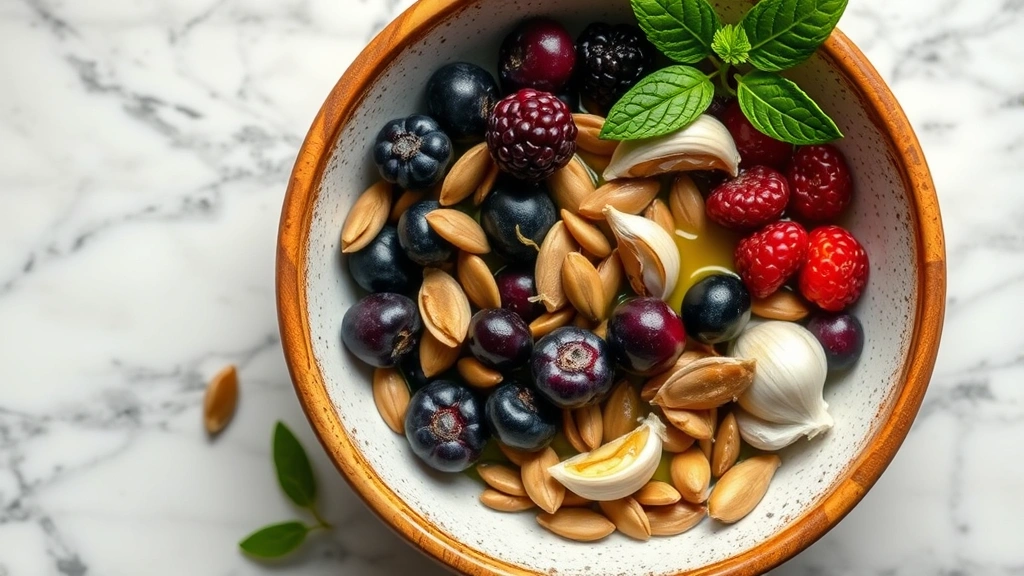
Brazil nuts, pumpkin seeds, and sunflower seeds provide exceptional concentrations of selenium and zinc—two minerals absolutely critical for prostate health. Zinc specifically localizes in prostate tissue at concentrations ten times higher than in other organs, making adequate zinc intake essential for proper prostate function. Selenium acts as a cofactor for selenoproteins that provide antioxidant protection and support immune function.
Pumpkin seeds deserve special mention, as they’ve been used in traditional medicine for centuries to support prostate health. These seeds contain compounds called phytosterols that may help reduce urinary symptoms associated with prostate enlargement. A quarter-cup daily serving of pumpkin seeds provides meaningful quantities of zinc, magnesium, and manganese. Brazil nuts, containing 50-100 micrograms of selenium per nut, require only one to three daily nuts to meet selenium requirements.
Incorporate nuts and seeds into your diet through snacking, salad toppings, smoothie additions, or nut butters. The healthy fats in nuts and seeds also support hormone balance and cellular function. Store nuts and seeds in cool, dark locations to preserve their nutritional integrity, as the delicate oils can oxidize when exposed to heat and light.
5. Green Tea: Ancient Wisdom Meets Modern Science
Green tea contains powerful catechin polyphenols, particularly epigallocatechin gallate (EGCG), which demonstrate significant prostate-protective properties in scientific research. These compounds inhibit cancer-promoting enzymes and promote apoptosis—programmed cell death—in abnormal cells. Studies from major research institutions show that men consuming three to five cups of green tea daily experience substantially lower prostate disease rates.
The antioxidant power of green tea surpasses most other beverages, providing systemic anti-inflammatory benefits that extend throughout the body. Unlike black tea, green tea undergoes minimal processing, preserving the maximum concentration of beneficial catechins. Brewing green tea at lower temperatures (160-180°F) for 3-5 minutes optimizes catechin extraction while minimizing bitterness.
For those unable to consume large quantities of tea, green tea extract supplements offer concentrated doses of EGCG, though whole tea consumption provides additional benefits including hydration and the ritual of mindful consumption. Combining green tea with lemon juice increases catechin absorption by up to 25%, making this simple addition a smart nutritional strategy.
6. Berries: Nature’s Antioxidant Powerhouses
Blueberries, raspberries, blackberries, and strawberries contain exceptional concentrations of anthocyanins and resveratrol—flavonoid compounds with potent antioxidant and anti-inflammatory properties. These berries provide some of the highest antioxidant values of any food, measured by ORAC (Oxygen Radical Absorbance Capacity) scores. The antioxidants in berries neutralize free radicals that damage prostate cells and promote inflammatory responses.
Fresh berries offer superior nutritional profiles compared to processed versions, though frozen berries retain most benefits and offer year-round accessibility. A daily serving of one cup of mixed berries provides meaningful quantities of vitamin C, fiber, and phytonutrients. Research suggests that regular berry consumption correlates with improved prostate health markers and reduced disease progression rates.
Berries also support the benefits of a balanced diet by providing natural sweetness without refined sugars, improving dietary compliance. Incorporate berries into breakfast smoothies, yogurt parfaits, or enjoy them fresh as convenient snacks throughout the day.
7. Legumes: Plant-Based Protein and Phytoestrogens
Beans, lentils, and peas provide excellent plant-based protein sources while delivering isoflavones—plant compounds with estrogen-like properties that research suggests may protect prostate tissue. These legumes also contain high concentrations of polyphenols and fiber, supporting digestive health and maintaining stable blood sugar levels. The combination of protein, fiber, and phytonutrients makes legumes exceptional prostate-supporting foods.
Studies indicate that vegetarian men, who consume legumes regularly, experience lower prostate disease rates than meat-heavy consumers. The protective compounds in legumes work synergistically with other plant foods to create a comprehensive protective effect. Incorporate legumes into your diet through bean soups, lentil salads, chickpea hummus, or as meat replacements in traditional dishes.
Legumes also support cardiovascular health and help maintain healthy weight—both factors contributing to prostate health. The resistant starch in legumes feeds beneficial gut bacteria, supporting the microbiome’s role in systemic health and inflammation regulation. For optimal digestion, soak dried legumes before cooking and introduce them gradually if not accustomed to high-fiber foods.
8. Citrus Fruits: Vitamin C and Immune Support
Oranges, lemons, grapefruits, and other citrus fruits provide exceptional vitamin C concentrations that support immune function and collagen synthesis. Vitamin C acts as a potent antioxidant, protecting prostate tissue from oxidative damage. Additionally, citrus fruits contain limonoids and flavonoids—compounds showing promise in research for supporting prostate health through multiple mechanisms.
The bioavailability of vitamin C from whole citrus fruits exceeds that from supplements, as whole fruits contain cofactors and synergistic compounds that enhance absorption. A single large orange provides 85-100 mg of vitamin C, exceeding daily recommended values. Fresh-squeezed citrus juice, consumed immediately after preparation, preserves maximum nutrient content, though whole fruits provide additional fiber benefits.
Citrus fruits also support mental health and mood through their bright, uplifting flavors, making them psychologically beneficial alongside their nutritional properties. Include citrus fruits in your diet through fresh consumption, freshly squeezed juices, or as flavor components in salads and grilled fish dishes.

9. Olive Oil: The Heart-Healthy Fat
Extra virgin olive oil contains polyphenols and oleocanthal—compounds with anti-inflammatory and antioxidant properties specifically beneficial for prostate health. Mediterranean diet studies consistently demonstrate that populations consuming olive oil regularly experience significantly lower prostate disease rates. The monounsaturated fats in olive oil support hormone production and cellular membrane function.
Cold-pressed, extra virgin olive oil retains the maximum concentration of beneficial polyphenols, as heat and processing degrade these delicate compounds. Use extra virgin olive oil for salad dressings, finishing dishes, and low-heat cooking, reserving higher-heat applications for refined olive oil or other stable cooking fats. A daily intake of 2-3 tablespoons of extra virgin olive oil provides meaningful quantities of prostate-protective compounds.
Olive oil’s anti-inflammatory effects extend throughout the cardiovascular system, improving blood flow and supporting overall circulatory health. The Mediterranean diet pattern, featuring olive oil as a primary fat source, represents one of the most extensively researched dietary approaches supporting prostate and general health.
10. Garlic and Onions: Sulfur-Containing Compounds
Garlic and onions contain organosulfur compounds including allicin and quercetin—compounds with antimicrobial, anti-inflammatory, and antioxidant properties. Research suggests these compounds may inhibit prostate cancer cell growth and reduce inflammation in prostate tissue. The pungent flavor characteristic of garlic and onions directly correlates with their concentration of beneficial sulfur compounds.
Fresh garlic provides superior nutritional value compared to powdered or processed versions, as the beneficial compounds develop through crushing or chopping the raw cloves. Allow crushed garlic to sit for 10 minutes before cooking to allow enzymatic conversion of precursor compounds into active allicin. Incorporate garlic and onions into virtually any savory dish—soups, stir-fries, roasted vegetables, and meat preparations.
Beyond prostate health, garlic and onions support cardiovascular function and provide antimicrobial benefits supporting overall immune health. These flavorful additions make healthy eating enjoyable while delivering measurable nutritional benefits. Consider maintaining a supply of fresh garlic bulbs and various onion varieties to ensure consistent dietary incorporation.
Implementing a Prostate-Healthy Dietary Strategy
Creating sustainable dietary changes requires practical planning and realistic goal-setting. Rather than attempting to incorporate all ten foods simultaneously, identify three to four that appeal to your palate and integrate them into your current eating patterns. Success builds momentum, encouraging expansion of dietary variety over time.
Begin by auditing your current diet, identifying processed foods and unhealthy fats to reduce or eliminate. Replace these with whole foods from the prostate-supporting list. Consider meal planning and preparation to ensure consistency, as convenience often drives food choices. Consulting with a registered dietitian can provide personalized guidance aligned with your specific health status and preferences.
Remember that dietary changes work synergistically with other health behaviors. Regular physical activity, stress management, adequate sleep, and maintaining healthy weight amplify the prostate-protective effects of optimal nutrition. The health and wellness field continues advancing our understanding of nutrition’s role in disease prevention and longevity.
Tracking Progress and Adjusting Your Approach
Monitor your progress through regular medical check-ups and PSA testing if recommended by your healthcare provider. Many men experience improved urinary symptoms and overall vitality within weeks of implementing dietary improvements. Keep a food journal to identify patterns between dietary choices and how you feel, noting energy levels, urinary function, and general well-being.
Adjust your approach based on results and preferences. If certain foods don’t appeal to you, find acceptable alternatives from the prostate-supporting list. The most effective dietary strategy is one you can sustain long-term, making enjoyment and palatability crucial factors. Consider exploring new recipes and cooking methods to keep your meals interesting and engaging.
External resources like the National Cancer Institute’s prostate health resources provide evidence-based information supporting your dietary decisions. The American Heart Association’s nutrition guidelines align closely with prostate-protective dietary patterns, offering additional perspective and support.
FAQ
What is the single most important food for prostate health?
While all ten foods provide significant benefits, tomatoes containing lycopene represent the most extensively researched single food for prostate health. However, comprehensive prostate protection requires dietary variety, as different foods provide complementary nutrients and compounds. A pattern of eating multiple prostate-supporting foods creates superior outcomes compared to focusing on any single food.
How quickly will dietary changes impact prostate health?
Some men experience improved urinary symptoms within two to four weeks of dietary improvements, while prostate-specific changes may require several months to manifest. Cellular and tissue changes occur gradually, so patience and consistency prove essential. Continuing your dietary improvements for at least three months before evaluating results ensures meaningful assessment.
Can supplements replace whole foods for prostate health?
While high-quality supplements can support a healthy diet, whole foods provide superior bioavailability and synergistic compounds absent from isolated supplements. Supplements work best as complements to, not replacements for, whole food consumption. Consult healthcare providers before beginning supplement regimens, particularly if taking medications.
Are there foods to avoid for prostate health?
Research suggests limiting red meat consumption, particularly processed varieties, as these correlate with increased prostate disease risk. Reduce refined carbohydrates, high-fat dairy products, and foods high in advanced glycation end products (AGEs), formed through high-heat cooking. Focus on adding beneficial foods rather than obsessing over restrictions, which creates more sustainable dietary patterns.
How does this dietary approach relate to overall health?
The prostate-supporting dietary pattern closely aligns with general healthy eating principles. These foods support cardiovascular health, healthy weight management, cognitive function, and longevity. Adopting these dietary patterns benefits your entire body, not just prostate tissue, making this approach an investment in comprehensive wellness.
Can younger men benefit from prostate-protective foods?
Absolutely. Establishing healthy dietary patterns early in life provides cumulative protective benefits throughout adulthood. The earlier you begin supporting prostate health through nutrition, the stronger your foundation for lifelong wellness. These foods support general health at all ages, making them valuable additions regardless of age or current health status.
The journey toward optimal prostate health begins with informed dietary choices. By incorporating these ten scientifically-supported foods into your regular eating patterns, you’re taking active control of your health and investing in your long-term wellness. The research is clear: nutrition powerfully influences prostate health outcomes. Start today, remain consistent, and experience the transformative benefits of eating for optimal prostate function.


