Pet Health Checkup? Vet-Approved Guidelines for Optimal Wellness
Your beloved pet depends on you for their health and well-being, and one of the most critical responsibilities as a pet owner is ensuring they receive regular veterinary care. A comprehensive pet health checkup is not just a routine visit—it’s a cornerstone of preventive medicine that can detect serious conditions early, extend your pet’s lifespan, and ultimately save you money on emergency veterinary bills. Understanding what a proper health checkup entails, how often your pet needs one, and what to expect during the appointment empowers you to make informed decisions about your pet’s care.
Just as humans benefit from regular physical examinations and wellness screenings, pets thrive when they receive consistent veterinary attention. Whether you have a dog, cat, rabbit, or exotic pet, the principles of preventive health care remain consistent: early detection, appropriate vaccinations, dental care, and lifestyle management form the foundation of a long, healthy life for your animal companion. This comprehensive guide, based on veterinary best practices and professional recommendations, will walk you through everything you need to know about pet health checkups.
How Often Should Your Pet Have a Health Checkup
The frequency of pet health checkups depends on several factors, including your pet’s age, breed, overall health status, and lifestyle. The American Veterinary Medical Association provides clear guidelines that most veterinarians follow when recommending examination schedules.
Adult pets (ages 1-7 years) in good health typically need a checkup once annually. This yearly visit allows your veterinarian to monitor for any changes, update vaccinations as needed, and discuss preventive care strategies. Many pet owners view this as an investment in their pet’s longevity and quality of life.
Senior pets (ages 7 and older) require more frequent attention, ideally twice per year. As pets age, the risk of chronic diseases such as arthritis, kidney disease, diabetes, and cancer increases significantly. Biannual checkups allow your veterinarian to catch age-related conditions in their early stages when treatment is most effective.
Puppies and kittens need multiple visits during their first year of life—typically every 3-4 weeks until they reach 16 weeks of age. These frequent visits are essential for vaccination protocols, parasite prevention, and developmental monitoring. Young animals grow rapidly, and early health assessments help establish a baseline for their lifelong health.
Pets with chronic health conditions or those taking regular medications may require checkups every 3-6 months, depending on their specific situation. These more frequent visits allow your veterinarian to monitor the effectiveness of treatments and make adjustments as needed.
What to Expect During a Comprehensive Pet Health Checkup
Understanding what happens during a pet health checkup helps you prepare mentally and logistically. A thorough examination typically takes 30-60 minutes and involves multiple components designed to assess your pet’s overall health status.
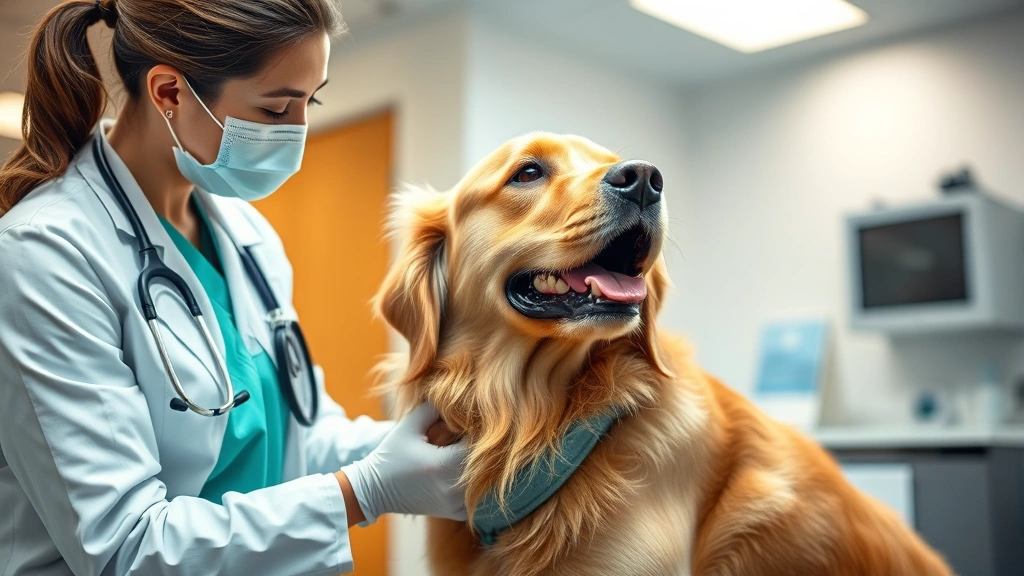
Physical examination: Your veterinarian will systematically examine your pet from nose to tail. This includes checking the eyes for clarity and any signs of discharge, examining the ears for infections or parasites, and assessing the mouth and teeth for dental disease. The veterinarian will listen to the heart and lungs with a stethoscope to check for irregular heartbeats or respiratory abnormalities, palpate the abdomen to feel for organ enlargement or abnormalities, and assess the skin and coat condition.
Weight assessment: Your pet’s weight is recorded and compared to previous visits. Significant weight changes—whether gain or loss—can indicate underlying health issues. Your veterinarian may discuss nutrition and exercise recommendations based on your pet’s body condition score.
Vital signs: Temperature, heart rate, and respiratory rate are measured and recorded. These baseline measurements help identify fever, cardiac issues, or respiratory distress that might require further investigation.
Behavioral and neurological assessment: Your veterinarian observes your pet’s behavior, gait, and neurological responses. They may test reflexes and assess your pet’s mental alertness and orientation.
Vaccination review: Your veterinarian will review your pet’s vaccination history and recommend updates based on your pet’s lifestyle, local disease prevalence, and age. This is an excellent opportunity to discuss health science topics related to immunization.
Parasite prevention: Discussion of flea, tick, and intestinal parasite prevention is standard. Your veterinarian may recommend specific products based on your geographic location and your pet’s lifestyle.
Laboratory testing: Depending on your pet’s age and health status, your veterinarian may recommend blood work, urinalysis, or fecal testing. These tests can reveal infections, metabolic disorders, or organ dysfunction that may not be apparent during the physical exam.

Age-Specific Checkup Guidelines
Different life stages require different approaches to veterinary care. Understanding age-specific guidelines ensures your pet receives appropriate attention at each stage of life.
Puppies and kittens (0-1 year): Young animals require frequent veterinary visits to establish vaccination protocols, monitor growth and development, and address behavioral concerns. Spaying or neutering is typically performed between 4-6 months of age. Discuss health administration concepts if you’re interested in understanding how veterinary clinics organize preventive care schedules.
Young adults (1-3 years): Once fully vaccinated and spayed/neutered, young adults typically need annual checkups. This is an excellent time to discuss long-term health planning and establish preventive care baselines.
Adults (3-7 years): Annual checkups remain important for detecting emerging health issues. Breed-specific screening may be recommended for conditions common in your pet’s breed.
Senior pets (7+ years): Twice-yearly checkups become increasingly important. Your veterinarian may recommend baseline bloodwork to establish normal values for comparison as your pet ages. Discuss pain management, mobility support, and comfort-focused care options.
Vaccinations and Preventive Care
Vaccinations are a cornerstone of preventive pet health care, protecting your animal from serious and potentially fatal diseases. During your pet’s health checkup, your veterinarian will assess which vaccinations are appropriate for your pet’s age, lifestyle, and geographic location.
Core vaccinations are recommended for all pets and typically include protection against rabies, distemper, and parvovirus in dogs, and rabies, feline distemper, and feline leukemia in cats. These vaccines protect against diseases that are widely distributed and potentially fatal.
Non-core vaccinations are recommended based on lifestyle and risk factors. A dog that spends time in boarding facilities or dog parks may benefit from bordetella (kennel cough) vaccination, while an indoor cat may not need feline leukemia vaccine if there’s no risk of exposure.
Parasite prevention is equally important and often underestimated by pet owners. Fleas, ticks, and intestinal parasites not only cause discomfort but can transmit serious diseases. Monthly or quarterly preventive medications, recommended by your veterinarian, protect your pet and reduce disease transmission in your community.
Dental Health and Oral Examinations
Dental disease is one of the most common health problems in pets, yet it’s often overlooked by owners. During a pet health checkup, your veterinarian will examine your pet’s teeth and gums, looking for tartar buildup, gum recession, tooth mobility, and oral infections.
Dental disease progression: Without intervention, dental disease progresses from gingivitis (gum inflammation) to periodontitis (bone loss) and tooth loss. Beyond the mouth, bacteria from dental disease can enter the bloodstream and affect the heart, kidneys, and liver.
Professional cleaning: Your veterinarian may recommend professional dental cleaning under anesthesia, which allows thorough cleaning above and below the gum line. While this requires anesthesia, modern veterinary anesthesia is very safe, especially with pre-anesthetic bloodwork to ensure your pet is healthy enough for the procedure.
Home dental care: Between professional cleanings, you can support your pet’s oral health through daily tooth brushing, dental treats, and appropriate chew toys. Your veterinarian can demonstrate proper brushing techniques and recommend products.
Preparing Your Pet for Their Checkup
Proper preparation ensures your pet’s visit is as smooth and stress-free as possible, which benefits both your pet and your veterinarian’s ability to conduct a thorough examination.
Gather medical records: If you’re visiting a new veterinarian, bring copies of previous medical records, vaccination history, and any medications your pet is currently taking. This provides important context for your new veterinarian.
Note behavioral changes: Before the appointment, observe and document any changes in your pet’s behavior, appetite, water consumption, urination, or defecation. These observations help your veterinarian identify potential health issues. Consider how this relates to balanced diet principles, as nutrition significantly impacts pet health.
Prepare a stool sample: If fecal testing is recommended, bring a fresh stool sample in a clean container. This allows your veterinarian to check for intestinal parasites.
Arrive early: Arriving 10-15 minutes early allows your pet to acclimate to the environment and reduces stress-related elevation of vital signs that might skew results.
Remain calm: Pets sense your anxiety. Remaining calm and positive during the visit helps your pet stay relaxed, which improves the quality of the examination.

Between-Visit Health Monitoring
While regular veterinary checkups are essential, your daily observation of your pet is equally important for catching health issues early. Between visits, monitor your pet for changes that warrant immediate veterinary attention.
Appetite and water consumption: Sudden changes in eating or drinking habits can indicate serious problems. A pet that stops eating or drinks excessively needs immediate veterinary evaluation.
Urination and defecation: Changes in frequency, consistency, or difficulty with elimination warrant veterinary attention. Blood in urine or stool, straining, or incontinence are red flags.
Energy levels and behavior: Lethargy, hiding, aggression, or other behavioral changes may indicate pain or illness. Senior pets especially benefit from close observation for signs of cognitive decline or discomfort.
Physical symptoms: Coughing, sneezing, vomiting, diarrhea, limping, or lumps should be evaluated by your veterinarian. Early intervention often results in better outcomes.
Stress and wellness practices: Just as mindfulness practices benefit human health, creating a calm, enriched environment supports your pet’s mental and physical wellness. Stress reduction through appropriate exercise, play, and environmental enrichment contributes to overall health.
Nutritional assessment: Maintain awareness of your pet’s body condition. A healthy lifestyle approach applies to pets as well—appropriate nutrition and exercise prevent obesity and related health complications.
FAQ
How much does a typical pet health checkup cost?
The cost varies depending on your location, the veterinary clinic, and whether additional testing is recommended. A basic annual checkup typically ranges from $150-$300, while more comprehensive visits with bloodwork may cost $300-$500 or more. Many clinics offer wellness packages that bundle routine services at a discounted rate.
What should I do if my pet is anxious about vet visits?
Talk to your veterinarian about your pet’s anxiety. Some clinics offer calming supplements before the visit, and your veterinarian may recommend acclimation visits where your pet simply visits the clinic without an examination. Maintaining a calm demeanor yourself helps your pet feel more secure. In some cases, mild sedation may be appropriate for extremely anxious pets.
Is pet health insurance worth the cost?
Pet health insurance can be valuable, especially for younger pets without pre-existing conditions. Insurance helps manage unexpected emergency and chronic disease costs. Review policies carefully to understand coverage limits, deductibles, and exclusions. For routine preventive care, some pet owners find wellness packages through their veterinary clinic more cost-effective than insurance.
Can I skip annual checkups if my pet seems healthy?
Regular checkups are crucial even for apparently healthy pets. Many serious conditions, such as early-stage kidney disease, diabetes, and cancer, show no obvious symptoms until advanced stages. Annual or biannual checkups allow early detection when treatment is most effective and less costly.
What vaccinations does my specific pet need?
Vaccination recommendations depend on your pet’s species, age, lifestyle, and local disease prevalence. Your veterinarian will assess your individual pet’s risk factors and recommend appropriate vaccines. Discuss your pet’s lifestyle—indoor vs. outdoor, boarding facility exposure, travel plans—to ensure appropriate protection.
How can I help my senior pet stay healthy between checkups?
Maintain a consistent routine, provide appropriate nutrition, ensure regular gentle exercise, keep your pet at a healthy weight, and monitor closely for changes. Keep the environment comfortable with easy access to food, water, and litter boxes or outdoor areas. Discuss pain management and comfort-focused care with your veterinarian.
Are there breed-specific health concerns I should discuss with my vet?
Yes, many breeds are predisposed to specific health conditions. For example, large-breed dogs are prone to hip dysplasia, certain breeds have heart conditions, and some cats are prone to kidney disease. Discuss your pet’s breed-specific risks with your veterinarian so appropriate screening can be implemented early.


