Community Health Worker Jobs: Expert Career Guide
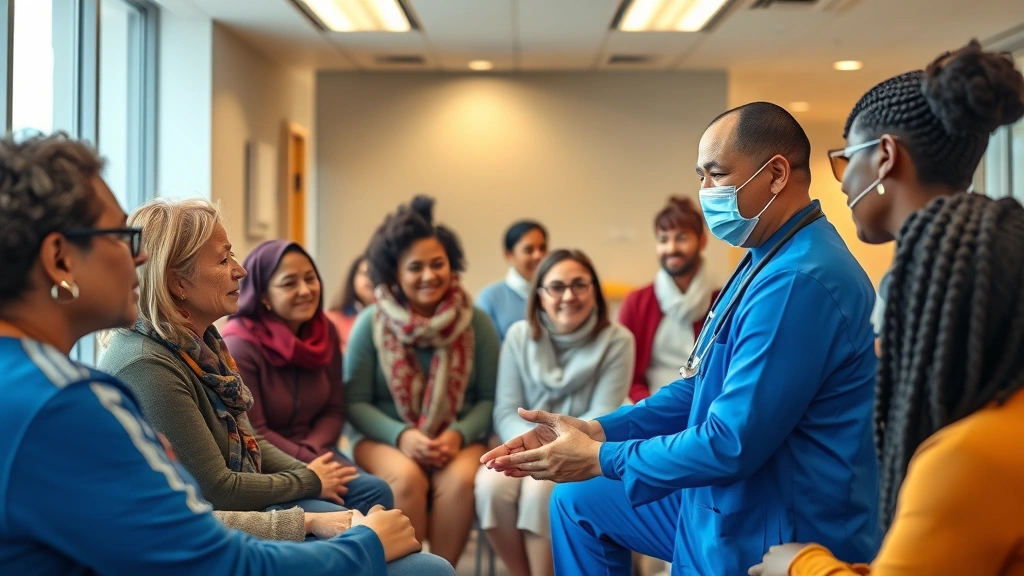
Community health workers (CHWs) play a vital role in bridging the gap between healthcare systems and underserved populations. These dedicated professionals work on the front lines of public health, providing education, support, and culturally appropriate care to vulnerable communities. If you’re considering a career in community health work, you’re entering a field that combines meaningful social impact with growing job opportunities and competitive compensation.
The demand for community health workers has surged in recent years, driven by healthcare organizations’ recognition that CHWs significantly improve patient outcomes, reduce healthcare costs, and increase health equity. Whether you’re just starting your career or transitioning from another field, understanding the landscape of community health worker jobs is essential for making an informed decision about your professional future.
This comprehensive guide covers everything you need to know about pursuing a career as a community health worker, from educational requirements and certification pathways to salary expectations and advancement opportunities. We’ll also explore how this career can contribute to long-term financial stability and personal fulfillment.
What Community Health Workers Do
Community health workers serve as liaisons between healthcare providers and the communities they serve. These professionals understand the cultural, linguistic, and socioeconomic factors that influence health decisions in their communities. They work to improve health outcomes by providing health education, connecting patients with healthcare resources, and advocating for systemic changes that promote health equity.
CHWs operate in diverse settings including community health centers, hospitals, public health departments, nonprofit organizations, and schools. Their work encompasses disease prevention, health promotion, patient navigation, and community organizing. Many CHWs specialize in specific health areas such as maternal health, chronic disease management, mental health, or substance abuse prevention.
What distinguishes community health workers from other healthcare professionals is their deep connection to the communities they serve. CHWs often come from the communities themselves, bringing lived experience and cultural competency that proves invaluable in building trust and achieving health outcomes. This unique position makes them indispensable to modern healthcare delivery models.
Educational Requirements and Certification
The educational pathway to becoming a community health worker is more flexible than many healthcare careers. Most positions require a high school diploma or GED as a minimum entry requirement. However, earning relevant certifications and credentials significantly enhances career prospects and earning potential.
Common certification pathways include:
- Certified Community Health Worker (CCHW): Offered through various state and national organizations, this certification demonstrates competency in core CHW competencies. Requirements vary by state but typically include documented work experience, completion of approved training, and passing an examination.
- Certified Health Education Specialist (CHES): This credential validates knowledge in health education and promotion principles, making it valuable for CHWs interested in education-focused roles.
- American Red Cross Certifications: First aid and CPR certifications are often required or strongly preferred for community health worker positions.
- State-Specific Certifications: Many states have developed their own CHW certification programs with specific requirements and standards.
While not always mandatory, pursuing certification demonstrates professional commitment and can lead to higher pay and better job opportunities. Many employers prefer or require certification, and some positions specifically request bilingual capabilities, which can command premium compensation.
For those seeking to advance their careers, pursuing an associate’s or bachelor’s degree in public health, nursing, or related fields opens doors to supervisory and administrative positions. Many professionals use community health worker roles as a stepping stone to health administration jobs or other healthcare leadership positions.
Job Duties and Responsibilities
Community health worker responsibilities vary based on their specific role, employer, and community served, but several core duties remain consistent across positions:
- Health Education: Developing and delivering culturally appropriate health education programs on topics ranging from chronic disease management to preventive care and healthy lifestyle choices.
- Patient Navigation: Helping patients understand healthcare systems, schedule appointments, obtain insurance, and access necessary services. This includes providing translation services when bilingual.
- Home Visits: Conducting assessments, providing education, and monitoring health status in patients’ homes, particularly for high-risk populations.
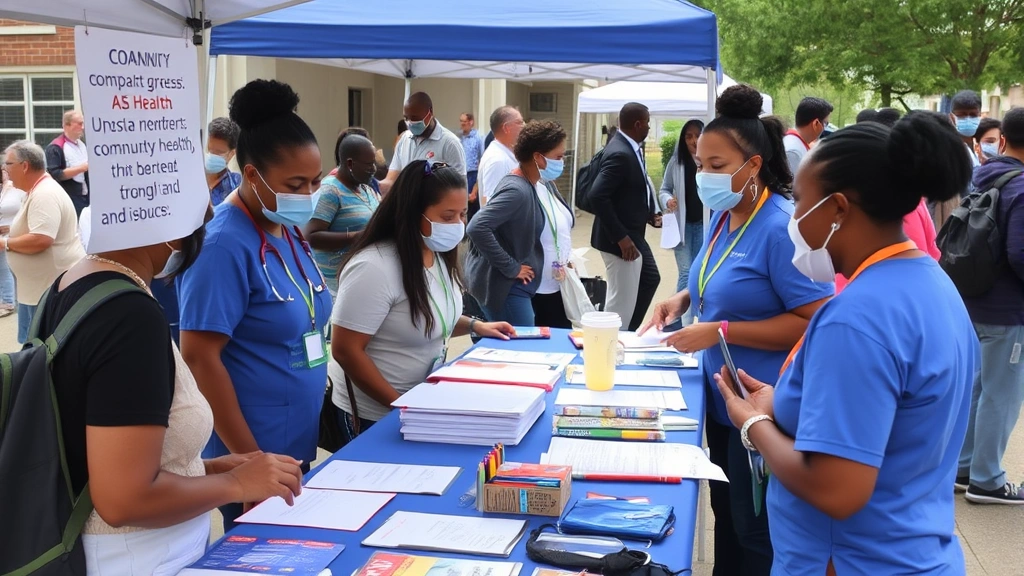
- Community Outreach: Organizing health fairs, community meetings, and awareness campaigns to promote health and identify individuals needing services.
- Care Coordination: Working with healthcare providers to ensure comprehensive care by communicating patient needs, facilitating referrals, and following up on treatment adherence.
- Documentation: Maintaining detailed records of interactions, interventions, and outcomes using electronic health records and other documentation systems.
- Advocacy: Identifying systemic barriers to health and advocating for policy changes and resource allocation improvements.
The role demands excellent interpersonal skills, cultural sensitivity, and the ability to work independently while collaborating with multidisciplinary healthcare teams. CHWs must be trustworthy, reliable, and genuinely committed to serving their communities.

Salary and Compensation
Understanding the financial aspects of community health worker jobs is crucial for career planning and assessing long-term earning potential. According to the Bureau of Labor Statistics, community and social service occupations, which include CHWs, had a median annual wage of approximately $39,000 as of recent data, though this varies significantly based on location, experience, and credentials.
Factors influencing CHW compensation include:
- Geographic Location: Urban areas and states with higher costs of living typically offer higher salaries. California, New York, and Massachusetts generally pay more than rural or Southern states.
- Employer Type: Federal and state health agencies typically offer higher pay than nonprofits. Hospital-based CHWs may earn more than those working in community clinics.
- Certification Status: Certified CHWs command higher salaries, sometimes 10-20% more than non-certified workers.
- Bilingual Capabilities: Fluency in multiple languages, particularly Spanish, often results in salary premiums of 10-15%.
- Experience and Education: Advanced degrees and years of experience lead to higher compensation and supervisory opportunities.
- Specialization: CHWs specializing in high-need areas like mental health or opioid addiction may receive higher compensation.
Entry-level CHWs typically earn between $28,000 and $35,000 annually, while experienced professionals with certification and advanced education can earn $45,000 to $55,000 or more. Benefits packages often include health insurance, retirement plans, paid time off, and professional development opportunities, which add significant value to total compensation.
For those building long-term wealth, community health worker positions provide stable employment with growth potential. Many CHWs transition into higher-paying positions in health science jobs or management roles, increasing lifetime earning potential substantially.
Career Growth and Advancement
Community health worker roles offer multiple pathways for professional advancement and increased earning potential. The career doesn’t have to be a dead end; rather, it can serve as a foundation for a rewarding healthcare career.
Advancement opportunities include:
- Senior CHW or Lead Positions: Experienced CHWs can move into supervisory roles overseeing other community health workers and program implementation.
- Program Manager: Managing entire CHW programs or specific health initiatives, requiring organizational and leadership skills.
- Health Educator: Transitioning into dedicated health education roles with higher pay and benefits.
- Nursing Careers: Using CHW experience as a foundation for pursuing Licensed Practical Nurse (LPN) or Registered Nurse (RN) credentials.
- Public Health Specialist: Advancing into epidemiology, disease prevention, or public health policy roles with additional education.
- Healthcare Administration: Pursuing administrative positions that leverage CHW experience and additional business education.
Professional development is essential for advancement. Many employers offer tuition reimbursement programs, allowing CHWs to pursue higher education while working. Community health workers interested in climbing the career ladder should consider earning a bachelor’s degree in public health, nursing, or business administration.
Types of Community Health Worker Positions
Community health worker roles have diversified significantly, with specializations addressing specific health needs and populations:
Maternal and Child Health CHWs: Focus on pregnancy, prenatal care, postpartum support, and pediatric health. These specialists work to reduce maternal mortality and improve birth outcomes in underserved communities.
Mental Health and Peer Recovery Specialists: Support individuals with mental illness, substance abuse disorders, and behavioral health challenges. Peer specialists often have lived experience with mental health conditions, providing authentic support and understanding.
Chronic Disease Management CHWs: Specialize in diabetes, hypertension, asthma, and other chronic conditions. They provide disease education, lifestyle coaching, and care coordination for high-risk patients.
Environmental Health Workers: Address environmental factors affecting health, including housing quality, air and water quality, and occupational hazards. These CHWs often work on policy advocacy and community organizing.
Health Promoters: Focus on disease prevention and health promotion through education campaigns, community engagement, and lifestyle interventions.
Patient Navigators: Help patients understand and access healthcare systems, particularly focused on insurance enrollment, appointment scheduling, and removing barriers to care.
Skills Required for Success
Successful community health workers possess a combination of technical, interpersonal, and personal qualities that enable them to serve their communities effectively.
Essential skills include:
- Communication: Clear, culturally appropriate communication across diverse populations, including ability to translate health information into understandable terms.
- Cultural Competency: Understanding and respecting cultural differences, health beliefs, and community values that influence health behaviors.
- Problem-Solving: Identifying barriers to health and developing practical solutions with community members.
- Organization: Managing multiple responsibilities, maintaining detailed records, and meeting deadlines.
- Empathy and Compassion: Genuine care for community members and commitment to improving health outcomes.
- Technology Skills: Proficiency with electronic health records, Microsoft Office, and health-related software systems.
- Bilingual Abilities: Fluency in English and another language, particularly Spanish, is increasingly valuable and marketable.
- Flexibility: Ability to adapt to changing situations, work varied hours, and handle unexpected challenges.
Building these skills early in your career enhances job security, earning potential, and opportunities for advancement. Many employers offer professional development training to strengthen these competencies, making continuous learning an important aspect of CHW careers.
Job Market Outlook
The job market for community health workers is exceptionally strong and continues to expand. Several factors contribute to this positive outlook:
Growing Recognition of CHW Value: Healthcare organizations increasingly recognize that community health workers improve patient outcomes, reduce hospital readmissions, and lower overall healthcare costs. This evidence-based understanding drives demand for CHW positions.
Healthcare Expansion Initiatives: Federal and state investments in primary care, maternal health, mental health, and substance abuse treatment create new CHW positions. The Affordable Care Act and subsequent healthcare reforms have specifically promoted CHW integration into healthcare teams.
Health Equity Focus: Growing commitment to health equity and addressing health disparities has elevated the importance of community health workers, particularly in rural and underserved urban areas.
Aging Population: As the U.S. population ages, demand increases for health promotion, chronic disease management, and care coordination services that CHWs provide.
Telehealth Integration: Even as healthcare delivery evolves, community health workers remain essential for in-person, community-based interventions and support.
The Bureau of Labor Statistics projects steady growth in community and social service occupations. Employment in these fields is expected to grow faster than average, with particular demand in healthcare settings, public health agencies, and nonprofit organizations.
For those considering this career path, the combination of job security, meaningful work, and growth potential makes community health worker positions attractive. Additionally, the experience gained can serve as a stepping stone to other healthcare careers with potentially higher earning ceilings. Consider exploring the broader WealthySphere Blog for additional career and financial planning resources.
FAQ
How long does it take to become certified as a community health worker?
Certification timelines vary by state and organization. Most certification programs require 40-80 hours of approved training, plus documented work experience (typically 1-2 years). The entire process, from training to passing the certification exam, usually takes 6-12 months, though many people begin working as CHWs before completing certification.
Do I need a degree to become a community health worker?
No, a high school diploma or GED is typically the minimum requirement. However, earning relevant certifications and pursuing higher education significantly improves career prospects and earning potential. Many successful CHWs advance their careers by pursuing associate’s or bachelor’s degrees while working.
What is the average salary for a community health worker?
The median salary for community health workers is approximately $39,000 annually, with entry-level positions starting around $28,000-$35,000 and experienced professionals earning $45,000-$55,000 or more. Salaries vary significantly based on location, employer, certification status, and specialization.
Is bilingual ability required for community health worker jobs?
While not always required, bilingual capabilities are highly valued and often result in salary premiums of 10-15%. Many CHW positions, particularly in diverse communities, require or prefer bilingual skills. Fluency in Spanish is especially marketable in most regions.
What are the best employers for community health worker positions?
Top employers include federally qualified health centers (FQHCs), hospitals and health systems, public health departments, nonprofit organizations focused on community health, and state health agencies. Federal employers typically offer higher salaries and comprehensive benefits packages.
Can I advance my career as a community health worker?
Absolutely. Many CHWs advance into supervisory roles, program management, health education, nursing, or public health positions. Pursuing additional education and certifications opens pathways to higher-paying positions and leadership roles in healthcare organizations.
What certifications should I pursue as a community health worker?
Priority certifications include Certified Community Health Worker (CCHW), First Aid/CPR, and Certified Health Education Specialist (CHES). State-specific certifications are important to verify based on your location. Additional certifications in specialized areas like mental health first aid or chronic disease management can enhance career prospects.
How does community health work contribute to personal health and wellness?
Working in community health provides meaningful social impact and personal fulfillment. Additionally, CHWs gain deep knowledge about health promotion and disease prevention that they apply to their own lives. Many CHWs benefit from balanced nutrition, healthy blood pressure management, and stress-reduction practices like mindfulness meditation that they teach to others.
What skills are most important for success as a community health worker?
Strong communication, cultural competency, empathy, problem-solving, and organizational skills are essential. Technical proficiency with electronic health records and bilingual abilities are increasingly valuable. Most importantly, genuine commitment to serving your community and improving health outcomes is fundamental to success.
Are there remote opportunities for community health workers?
While community health work is primarily in-person and community-based, some organizations offer hybrid positions or remote components for administrative tasks, health education delivery via telehealth, and program coordination. However, the core of CHW work remains community-based and in-person interactions.
Community health worker positions represent a meaningful career path that combines social impact with financial stability and growth potential. Whether you’re passionate about health equity, dedicated to serving underserved populations, or seeking a healthcare career without requiring extensive formal education, community health work offers rewarding opportunities. With proper certification, skill development, and commitment to professional growth, CHWs can build successful, fulfilling careers while contributing significantly to population health and health equity in their communities. For additional career guidance and financial planning resources, explore comprehensive career resources available through professional organizations and health administration job guides.


