Table of Contents
Introduction
Your blood pressure is working behind the scenes right now—pumping, flowing, keeping you alive. But here’s the thing: most of us don’t think about it until something goes wrong. Blood pressure is like that friend who’s always there for you, quietly doing their job, until one day they’re not. And when blood pressure starts acting up? Your heart, your brain, your entire body feels it.
Let’s talk numbers for a second. Nearly one in three adults worldwide has high blood pressure, and here’s the scary part—many don’t even know it. That’s why doctors call hypertension the “silent killer.” No dramatic symptoms, no warning bells, just damage building up over time. But when you keep your blood pressure in that sweet spot? You’re not just protecting your heart. You’re boosting your energy, sharpening your mental clarity, and setting yourself up for a longer, healthier life. Speaking of circulation, understanding how to improve blood circulation can be a game-changer for your overall cardiovascular health.
Now, before you start thinking this is all about popping pills, let me stop you right there. Managing blood pressure is so much more than medication. Diet matters. Exercise matters big time. How you handle stress? That matters too. These aren’t just “nice to have” lifestyle tweaks—they’re your front-line defense against heart disease and stroke. And if you’re wondering how movement fits into this picture, the benefits of regular physical activity go way beyond just looking good. We’re talking about directly strengthening your heart and regulating that blood pressure.
I get it—blood pressure can feel overwhelming. Those numbers on the monitor, the worry about what’s “normal,” the concern about long-term damage. It’s a lot to process. But here’s something interesting: the same weight-bearing exercises that help with bone health (like these exercises to prevent osteoporosis) also strengthen your cardiovascular system. Your body is more connected than you might think. And since stress can send your blood pressure through the roof, learning how to avoid burnout at work isn’t just good for your sanity—it’s good for your heart.
What You’ll Learn in This Guide
We’re going to walk through this together, step by step. No medical jargon that makes your head spin, no unrealistic expectations. Just practical, actionable information you can actually use.
- Understanding Blood Pressure: Learn what blood pressure is, the significance of systolic and diastolic readings, and how these numbers affect your health comprehensively.
- Recognizing Symptoms: Discover the common signs of both high and low blood pressure, understand the associated risks, and know when to seek medical advice.
- Lifestyle and Diet Tips: Get expert advice on effective dietary habits and exercise routines that help keep your blood pressure in check and promote heart health.
- Monitoring and Medical Guidance: Understand the importance of regular blood pressure monitoring and learn when professional intervention is necessary for optimal care.
Ready to take control? Good. Because what we’re about to cover could literally add years to your life. And if you want to dive deeper into the nutrition side of things, checking out how to maintain a balanced diet is going to complement everything we discuss about blood pressure management.
Here’s what’s exciting: small changes can make a huge difference. Cut back on salt, take a daily walk, find better ways to handle stress—these aren’t massive life overhauls. They’re tweaks that fit into your real life. And the payoff? Lower blood pressure, more energy, better sleep, and a heart that keeps on ticking strong for decades to come. We’ll also touch on why maintaining a healthy weight matters and how ditching habits like smoking can transform your cardiovascular health. If you’re curious about the bigger picture of wellness, understanding the importance of dietary fiber shows how everything connects.
By the time you finish reading this, you’ll have a toolkit of strategies that actually work. No gimmicks, no quick fixes—just proven methods that help you take charge of your blood pressure and, honestly, your entire health. Because when your heart is happy, everything else falls into place. Let’s get started on this journey to better health, one beat at a time.
Let’s talk about something your body does thousands of times a day without you even thinking about it—your heart pumping blood through your arteries. That steady pressure? It’s actually a pretty big deal for your overall health. When it’s in the sweet spot, you feel energetic, your organs work like they should, and your heart stays happy. But here’s the thing—blood pressure isn’t just some number your doctor checks during appointments. It’s influenced by how you live, what you eat, and yes, even what your parents passed down to you genetically. The good news? You have way more control over it than you might think. Understanding how to keep that pressure in a healthy range can help you dodge serious problems like heart disease and stroke down the road. We’re going to walk through everything you need to know about maintaining healthy blood pressure, from the daily choices that make a real difference to the eating habits that actually work. Taking charge of your blood pressure isn’t just about avoiding future health problems—it’s about feeling better right now, with more energy, sharper thinking, and less worry about chronic illness.
Effective Lifestyle and Dietary Habits to Maintain Healthy Blood Pressure
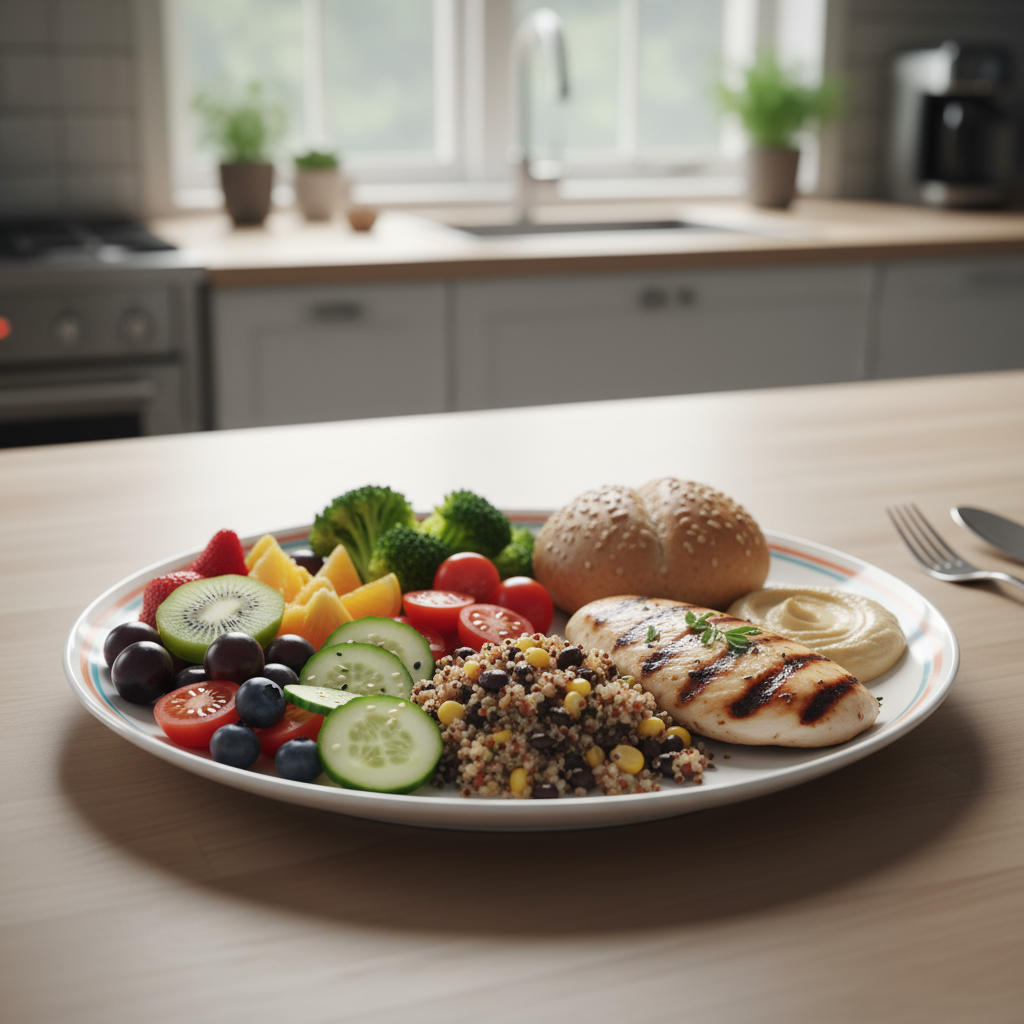
Here’s where the rubber meets the road: keeping your blood pressure healthy comes down to how you move and what you put on your plate. It’s not rocket science, but it does require some intentional choices. Regular exercise and smart eating aren’t just good ideas—they’re your best defense against hypertension. When you get your heart pumping through activities that boost circulation and strengthen that hardworking muscle in your chest, you’re essentially giving your arteries a tune-up. And the food part? Think of it this way: your body is like a high-performance car, and the fuel you choose matters. Whole foods, nutrient-packed meals, and going easy on the salt can make a huge difference. If you want to dive deeper into how a balanced diet actually supports your heart, there are some great resources that break it all down.
But wait—there’s more to this puzzle. Managing stress, keeping your weight in a healthy range, watching your alcohol intake, and staying away from cigarettes all play crucial roles too. These aren’t just random health tips; they’re specifically powerful for blood pressure control. Think about stress for a minute. When you’re constantly wound up, your heart and arteries are basically doing overtime. Learning to chill out—whether through mindfulness, deep breathing, or just better time management—gives your cardiovascular system a much-needed break. And maintaining a healthy weight? That’s like taking some of the workload off your heart. When you combine all these strategies, you’re not just managing one aspect of your health—you’re creating a foundation that supports your entire cardiovascular system.
Key Aspects of Lifestyle and Dietary Habits
Here’s what really moves the needle when it comes to blood pressure control:
- Dietary Balance and Nutrient Intake: Load up on fresh fruits, vegetables, whole grains, and lean proteins—your blood vessels will thank you. These foods deliver the nutrients that keep inflammation in check and support healthy circulation. Bonus points for choosing foods that are low in saturated fats and sodium while being rich in potassium.
- Regular Physical Activity: Whether it’s a brisk walk, swimming laps, or a moderate jog, aim for activities that get your heart rate up. Your goal? About 150 minutes per week. That’s when you start seeing real benefits—better cardiovascular fitness, more flexible blood vessels, and easier weight management.
- Stress Management Techniques: Chronic stress is like having your foot on the gas pedal all the time—it cranks up your blood pressure through hormonal pathways. Learning to manage stress through mindfulness, breathing exercises, or just better planning helps your cardiovascular system find its calm.
- Avoidance of Tobacco and Moderation of Alcohol: Smoking is basically kryptonite for your blood vessels—it narrows them and jacks up your heart rate. Too much alcohol messes with your blood pressure control too. Quitting smoking and keeping alcohol in moderation are game-changers for heart health.
These factors don’t work in isolation—they’re all connected, like pieces of a puzzle that support your cardiovascular system. When you nail these habits, you’re not just managing blood pressure; you’re setting yourself up for better energy, improved mental health, and stronger resistance to chronic diseases. Now that you’ve got the lifestyle foundation covered, let’s talk about something equally important: keeping tabs on your numbers and knowing when to call in the professionals.
Monitoring Blood Pressure and When to Seek Professional Care
You know what’s awesome? You don’t have to wait for doctor visits to know what your blood pressure is doing. Home monitors have made tracking incredibly easy and accessible. Think of it like checking the weather—you can see the daily fluctuations and spot trends over time. When you log those numbers consistently, you’re basically creating a roadmap that shows what’s working and what might need tweaking. For solid advice on monitoring techniques and how cardiovascular endurance affects your blood pressure stability, health experts have some excellent insights worth checking out.
Here’s something important to remember: high blood pressure earned the nickname “silent killer” for good reason. It can be doing damage without obvious symptoms, which is why monitoring matters so much. That said, some warning signs shouldn’t be ignored. Frequent headaches, dizziness, or chest discomfort? Time to make a phone call to your healthcare provider. On the flip side, if low blood pressure is causing fainting spells or leaving you constantly tired, that needs attention too. Having a good relationship with your healthcare team means you get personalized care—proper risk assessment, medication management when needed, and lifestyle advice tailored specifically to you. Understanding how healthcare fits into your blood pressure management strategy connects perfectly with broader topics like stroke prevention strategies, which emphasize getting ahead of cardiovascular risks before they become serious problems.
Key Aspects of Monitoring and Seeking Care
Here’s your game plan for staying on top of your blood pressure:
- Consistent Home Monitoring: Invest in a validated blood pressure device and use it regularly. The data you collect becomes invaluable during healthcare visits and helps you catch changes before they become problems.
- Understanding Blood Pressure Readings: Learn what those systolic and diastolic numbers actually mean. When you can interpret your own results, you’ll know the difference between normal fluctuations and readings that need attention.
- Recognizing Symptoms and Risks: Stay alert for warning signs like persistent headaches, chest pain, dizziness, or unusual fatigue. These could signal that your blood pressure needs immediate attention to prevent complications.
- Professional Medical Guidance and Intervention: Regular checkups aren’t just routine—they’re opportunities for comprehensive health evaluations, risk assessment, and adjustments to your treatment plan or lifestyle approach as needed.

Your blood pressure matters—more than you might realize. By now, you’ve got a solid grasp on what those two numbers mean and why they’re worth paying attention to. But here’s what really counts: you can actually do something about it.
Think about it this way—high and low blood pressure are sneaky. They don’t always announce themselves with obvious symptoms. That dizzy spell? Those headaches? They might be your body’s way of waving a red flag. The good news? You’re now equipped to recognize these signs and take action before things get serious.
So what’s your game plan? Start with your plate. Load up on fruits, vegetables, whole grains, and lean proteins. (Yes, it can actually taste good.) Cut back on the salt, ditch the processed stuff, and watch how your body responds. Then get moving—150 minutes of moderate exercise per week sounds like a lot, but it’s really just 20-30 minutes a day. Walking counts. Swimming counts. Even dancing in your living room counts.
But let’s be real—stress is probably your biggest challenge. Whether it’s work pressure, family drama, or just the general chaos of life, stress hits your blood pressure hard. That’s where mindfulness comes in. It’s not just feel-good fluff; it’s actual medicine for your heart.
Here’s a simple truth: tracking your numbers at home gives you power. When you see those readings climb or dip outside the normal range, you’ll know it’s time to check in with your doctor. No guessing, no worrying—just clear information to guide your next steps.
Ready to take control? Start by nailing down your nutrition with practical guidance on how to maintain a balanced diet. Your heart will thank you for it. Then boost your cardiovascular fitness with the strategies in how to improve cardiovascular endurance—stronger heart, better circulation, more energy. And since stress management is crucial, check out how to avoid burnout at work for tactics that actually work. Don’t forget about fiber either—the importance of dietary fiber goes way beyond digestion and plays a real role in heart health.
Look, managing blood pressure isn’t about perfection. It’s about making better choices most of the time and building habits that stick. Every healthy meal, every walk around the block, every moment you choose calm over chaos—it all adds up. Your future self will feel the difference.
The bottom line? Your heart health is in your hands. Sure, the numbers matter, but what matters more is how you show up for yourself every day. Stay consistent, be patient with yourself, and don’t hesitate to lean on your healthcare team when you need guidance. You’ve got this.