
Build Wealth in 2023: Expert Health Tracks Guide to Financial Freedom
The intersection of health and wealth is rarely discussed, yet they remain intrinsically linked in building a sustainable financial future. When you invest in tracking your health metrics, you’re simultaneously investing in reducing future medical expenses, improving productivity, and creating a foundation for long-term wealth accumulation. Health tracks—whether through wearable devices, apps, or professional monitoring—provide actionable data that can directly impact your bottom line and help you make smarter financial decisions throughout 2023 and beyond.
In this comprehensive guide, we’ll explore how strategic health tracking connects to wealth building, the financial benefits of preventative health management, and practical strategies for leveraging health data to optimize your finances. Whether you’re just beginning your wealth-building journey or looking to refine your approach, understanding the health-wealth connection will transform how you think about personal finance and long-term prosperity.
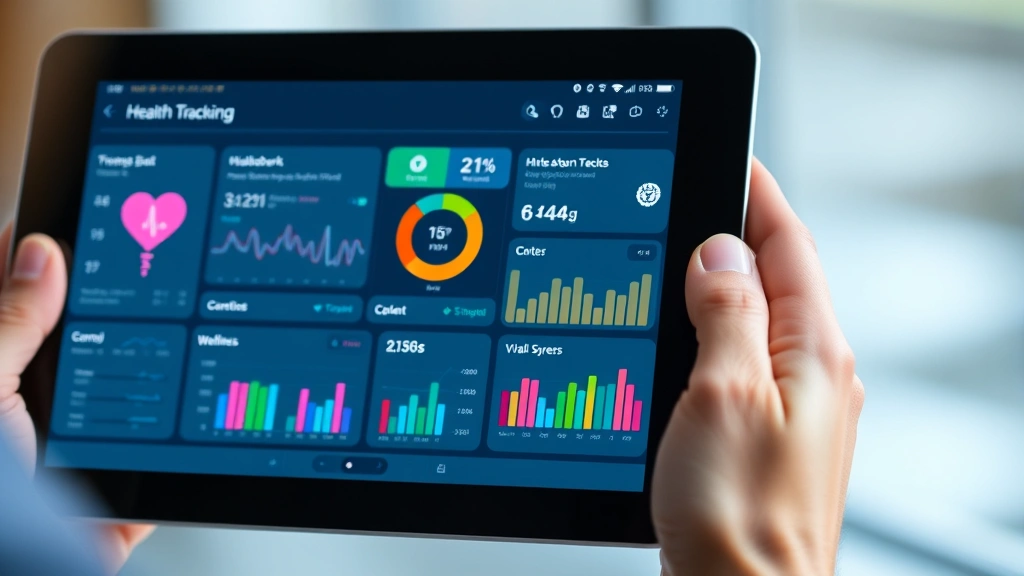
The Health-Wealth Connection: Why It Matters
Building wealth isn’t solely about investment returns and income growth—it’s fundamentally about managing expenses and mitigating financial risks. Healthcare represents one of the largest unplanned expenses in American households, with the average retiree facing over $300,000 in healthcare costs throughout retirement. By implementing strategic health tracking, you can dramatically reduce these expenses before they become catastrophic financial burdens.
The wealth-building potential of health tracking lies in its preventative power. When you monitor key health indicators—blood pressure, cholesterol, glucose levels, sleep quality, and activity levels—you’re creating an early warning system for expensive medical interventions. A person who identifies prediabetes through consistent health tracking can make lifestyle adjustments costing pennies on the dollar compared to managing full-blown diabetes, which averages $13,000 annually in direct medical expenses.
Moreover, improved health directly correlates with increased earning potential. Employees with better health metrics take fewer sick days, maintain higher productivity levels, and experience less cognitive decline as they age. This means your wealth-building capacity actually increases when you prioritize health tracking as part of your financial strategy.

Understanding Health Tracks and Financial Data
Modern health tracking technology provides unprecedented access to personal health data. Wearable devices like smartwatches, fitness trackers, and continuous glucose monitors generate real-time information about your physical state. This data becomes invaluable when translated into financial planning decisions.
The most relevant health metrics for wealth building include:
- Activity and Exercise Data: Directly impacts insurance premiums and healthcare costs. Regular exercise reduces risk of chronic diseases, qualifying you for lower insurance rates.
- Sleep Patterns: Poor sleep correlates with decreased productivity and increased healthcare costs. Optimization can improve earning capacity.
- Stress Levels: Chronic stress drives medical expenses upward. Heart disease, hypertension, and mental health treatments represent significant wealth drains.
- Nutrition Tracking: Understanding the benefits of a balanced diet and how proper nutrition enhances your health helps you avoid expensive diet-related diseases.
- Blood Pressure Monitoring: Learning how to maintain healthy blood pressure prevents costly cardiovascular interventions.
Many insurance companies now offer premium discounts—sometimes 10-30%—for customers who share health tracking data demonstrating consistent healthy behaviors. This means your health tracking investment can literally pay for itself through lower insurance costs while simultaneously reducing your actual medical expenses.
Preventative Healthcare: Your Wealth Multiplier
The concept of preventative healthcare as a wealth-building tool cannot be overstated. When you shift from reactive healthcare (treating disease after it develops) to proactive healthcare (preventing disease through monitoring and intervention), you fundamentally alter your financial trajectory.
Consider the financial impact of common chronic diseases:
- Type 2 Diabetes: $13,000+ annually in direct costs; prevention through weight management and exercise costs virtually nothing
- Hypertension: $1,100+ annually; prevention through stress management and salt reduction is nearly free
- Heart Disease: $20,000+ annually; prevention through consistent exercise and health tracking costs minimal upfront investment
Health tracking enables you to identify risk factors before they become diseases. A person tracking blood pressure who notices a gradual increase can implement lifestyle changes immediately, avoiding expensive medications and potential hospitalization. This proactive approach compounds over decades, potentially saving hundreds of thousands of dollars.
The wealth-building power becomes exponential when you consider that money saved on healthcare can be redirected toward investments. An extra $5,000 annually from reduced healthcare costs, invested at 7% annual returns over 30 years, generates approximately $570,000 in wealth accumulation. Health tracking is effectively a wealth multiplication strategy.
Optimizing Health Savings Accounts and FSAs
Understanding the difference between health savings accounts versus FSAs is crucial for 2023 wealth building. These accounts represent some of the most tax-efficient savings vehicles available, yet many employees leave significant money on the table by not maximizing them.
Health Savings Accounts (HSAs) offer triple tax advantages:
- Contributions are tax-deductible
- Growth is tax-free
- Withdrawals for qualified medical expenses are tax-free
For 2023, individuals can contribute up to $3,850 to an HSA, with families contributing up to $7,750. If you max out an HSA, invest the funds conservatively, and use it strategically for medical expenses only in retirement, you can accumulate over $200,000 tax-free by age 65.
Health tracking directly supports HSA optimization. When you monitor your health metrics consistently, you can predict and plan medical expenses more accurately. You’ll know whether you need regular specialist visits, preventative screenings, or prescription medications, allowing you to budget HSA contributions accordingly and invest surplus funds for long-term growth.
Flexible Spending Accounts (FSAs), while lacking the investment component and rollover flexibility of HSAs, still provide immediate tax savings of 20-40% on healthcare expenses through payroll deduction.
Employer Wellness Programs and Financial Benefits
Many employers offer comprehensive wellness programs that reward health tracking participation with direct financial incentives. These programs represent genuine wealth-building opportunities that shouldn’t be ignored.
Common employer wellness program benefits include:
- Premium discounts (5-15% reductions on health insurance premiums)
- HSA contribution matching (employers contribute directly to employee HSAs)
- Fitness facility subsidies
- Biometric screening reimbursements
- Incentive payments for achieving health goals
Employees in strong health and wellness jobs sectors often find even more robust benefits available. Participating in employer wellness programs that incorporate health tracking can generate $1,000-$3,000 annually in direct financial benefits, plus the indirect benefits of reduced medical expenses.
The wealth-building math is straightforward: if your employer offers a 10% insurance premium discount for completing health tracking and biometric screenings, and your annual premium is $8,000, you’re earning an instant $800 return on minimal effort. Over a 30-year career, that’s $24,000 in savings before considering investment growth.
Insurance Optimization Through Health Metrics
Insurance represents one of the largest wealth drains for unprepared individuals. Strategic use of health tracking data can optimize your insurance portfolio and dramatically reduce lifetime costs.
Health-conscious individuals with documented health metrics can qualify for:
- Preferred Risk Insurance Rates: Life insurance premiums can be 20-40% lower for individuals with excellent health metrics, potentially saving $200-$500+ annually
- Disability Insurance Discounts: Reduced premiums for individuals demonstrating low-risk health profiles
- Long-Term Care Insurance Credits: Some insurers offer premium reductions or coverage enhancements for health-tracking participants
Additionally, understanding your actual health status through consistent tracking helps you purchase appropriate coverage levels. Many people over-insure or under-insure based on vague health assumptions. Data-driven health tracking allows you to match insurance coverage precisely to your actual risk profile, optimizing premium expenditure.
When applying for insurance products, having 12+ months of health tracking data demonstrating consistent healthy behaviors can mean the difference between standard rates and preferred rates—potentially saving tens of thousands over your lifetime.
Creating Your 2023 Health-Wealth Strategy
Implementing a comprehensive health tracking strategy that supports wealth building requires systematic planning. Start by assessing your current situation: review your recent medical expenses, insurance premiums, and employer wellness benefits.
Step 1: Select Appropriate Health Tracking Tools
Choose health tracking methods aligned with your lifestyle and financial situation. This might include a smartwatch ($200-$400 initial investment), a fitness tracker ($50-$150), smartphone health apps (often free), or home monitoring devices like blood pressure cuffs ($30-$80). The investment in quality tracking tools typically pays for itself within months through insurance discounts and reduced medical expenses.
Step 2: Establish Baseline Metrics and Goals
Work with your healthcare provider to establish baseline health metrics. If your employer offers biometric screenings, participate fully. Understanding your starting point—cholesterol levels, blood pressure, weight, glucose levels—creates a foundation for meaningful health tracking that translates to financial benefits.
Step 3: Maximize Tax-Advantaged Accounts
If you have access to an HSA, contribute the maximum allowable amount. If you have an FSA, carefully estimate medical expenses and contribute accordingly. Review major health insurance providers’ offerings to ensure you’re selecting plans that maximize your account options.
Step 4: Participate in Employer Wellness Programs
Engage fully with employer wellness initiatives. Complete biometric screenings, health coaching sessions, and fitness challenges. These programs often offer the highest ROI of any employee benefit, yet participation rates remain surprisingly low.
Step 5: Track and Optimize Continuously
Review your health data monthly and your financial impact quarterly. As your health metrics improve, proactively communicate these improvements to insurance companies when renewing policies. Some insurers offer annual rate reviews for improved health metrics.
Step 6: Connect Health to Broader Wealth Strategy
Visit the WealthySphere Blog for comprehensive wealth-building strategies that integrate health optimization. Your health tracking isn’t isolated—it’s a component of a holistic wealth-building approach that includes investment strategy, tax planning, and expense optimization.
The most successful wealth builders in 2023 understand that health and finances are interconnected systems. By implementing strategic health tracking, you’re not just improving your physical wellbeing—you’re directly enhancing your financial trajectory through reduced medical expenses, lower insurance costs, improved earning potential, and optimized use of tax-advantaged accounts.
FAQ
How much can I save annually through health tracking and wellness programs?
Realistic annual savings range from $1,000-$5,000+ depending on your employer’s wellness benefits, insurance discounts, and medical expense reduction. The longer-term cumulative savings over a 30-40 year career are substantially higher, potentially exceeding $500,000 when accounting for investment growth on saved funds.
What’s the best health tracking device for wealth building?
The “best” device depends on your priorities. For insurance discount optimization, focus on devices that track the metrics your insurer rewards: activity levels, sleep quality, and heart health. Popular options include Apple Watch, Fitbit, and Oura Ring. The most important factor is selecting a device you’ll actually use consistently.
Can I use health tracking data to negotiate better insurance rates?
Yes, absolutely. When renewing insurance policies, provide documentation of consistent health improvements. Many insurers have formal programs for this, while others consider it during individual underwriting. Having 12+ months of documented data significantly strengthens your negotiating position.
How does health tracking connect to employer retirement benefits?
Many employers tie wellness program participation to 401(k) matching bonuses or enhanced HSA contributions. Additionally, improved health extends your working years and reduces healthcare expenses during retirement, directly impacting retirement account sufficiency.
What if my employer doesn’t offer wellness programs?
You can still benefit from health tracking through personal insurance optimization, HSA maximization if you have access, and reduced medical expenses. Consider the health tracking investment as personal healthcare expense insurance—the data you generate is valuable regardless of employer programs.
Should I share my health data with insurance companies?
Generally yes, but selectively. Share data demonstrating positive health behaviors and improvements. Review your privacy settings carefully and understand exactly what data is being shared. The financial benefits typically outweigh privacy concerns, but this is a personal decision.


