
When Is Men’s Mental Health Month in November? A Comprehensive Guide to Understanding and Supporting Men’s Wellbeing
Men’s Mental Health Month is observed in November, a crucial time dedicated to raising awareness about the unique mental health challenges men face and encouraging open conversations about emotional wellbeing. While mental health awareness has gained significant momentum in recent years, men continue to experience disproportionate rates of suicide, substance abuse, and untreated depression. This dedicated month serves as a vital reminder that mental health is not a weakness but an essential component of overall wellness that deserves attention, resources, and compassionate support.
The importance of Men’s Mental Health Month extends beyond a single calendar entry—it represents a cultural shift toward destigmatizing mental health conversations among men. Many men struggle silently due to societal expectations of masculinity that discourage emotional expression and vulnerability. By dedicating November to this cause, we create a structured opportunity to challenge these harmful stereotypes, share resources, and foster communities where men feel safe seeking help. Understanding when this month occurs and what it represents is the first step toward building a more supportive society for all men.
When Is Men’s Mental Health Month?
Men’s Mental Health Month is observed every November throughout the United States and increasingly recognized in other countries. This annual observance spans the entire month, providing 30 days of focused attention on men’s mental health issues, awareness campaigns, and community support initiatives. The month culminates with a particular emphasis on men’s mental health on November 19th, recognized as International Men’s Day in many regions, though the entire November period remains dedicated to this important cause.
Organizations, mental health professionals, workplaces, and community groups use this month to launch awareness campaigns, host educational events, and provide resources specifically tailored to men’s mental health needs. Many employers incorporate mental health discussions into their workplace wellness programs during November, while schools and universities host seminars and workshops. Healthcare providers often use this month to encourage men to schedule mental health check-ups and seek professional support if needed.
The timing of November for Men’s Mental Health Month is particularly significant as it approaches the year’s end, a period when many people reflect on their wellbeing and consider setting health-related goals for the upcoming year. This timing creates a natural opportunity for men to evaluate their emotional health, consider lifestyle changes, and commit to prioritizing their mental wellness moving forward.

History and Significance of the Mental Health Observance
Men’s Mental Health Month emerged from a growing recognition that men face distinct mental health challenges that often go unaddressed. The observance gained formal recognition in the United States through efforts by mental health advocates, organizations, and healthcare professionals who recognized the alarming statistics surrounding male suicide, depression, and substance abuse. Unlike some health observances that have decades of history, Men’s Mental Health Month represents a relatively recent but crucial addition to our calendar of health awareness campaigns.
The significance of this month lies in its power to initiate conversations that many men avoid in their daily lives. Research consistently shows that men are less likely than women to seek professional mental health support, discuss emotional challenges with friends or family, and recognize when they need help. Men’s Mental Health Month provides a framework for breaking through these barriers and creating safe spaces for vulnerable conversations. The observance acknowledges that traditional masculinity norms—often emphasizing stoicism, independence, and emotional restraint—can actually harm men’s wellbeing.
This month also serves an economic and productivity purpose within organizations. Employers increasingly recognize that employee mental health directly impacts productivity, engagement, and workplace culture. By dedicating resources to Men’s Mental Health Month initiatives, companies invest in their workforce’s overall wellbeing, which translates to reduced absenteeism, improved morale, and stronger team dynamics. The financial implications of untreated mental health conditions—including healthcare costs, lost productivity, and disability—make this observance relevant to business leaders and financial professionals alike.
Mental Health Statistics for Men
The statistics surrounding men’s mental health paint a sobering picture that underscores the importance of November’s dedicated observance. Men account for approximately 80% of suicide deaths in the United States, representing a public health crisis that demands urgent attention. This alarming disparity often stems from men’s reluctance to seek help, their tendency to internalize stress, and the lack of accessible, male-friendly mental health resources. Understanding these numbers helps contextualize why a dedicated month of awareness and action is so essential.
Depression affects millions of men annually, yet many cases go undiagnosed and untreated. Men often experience depression differently than women, manifesting as anger, irritability, or increased risk-taking behaviors rather than the sadness and withdrawal typically associated with depression. This difference in symptom presentation means that men’s depression frequently goes unrecognized by both the individuals experiencing it and healthcare providers. Additionally, men represent the majority of substance abuse cases, with many individuals self-medicating underlying mental health conditions through alcohol or drug use.
Anxiety disorders also significantly impact men, though they frequently remain untreated due to shame, stigma, or misunderstanding. Work-related stress, financial pressures, and relationship challenges create ongoing anxiety that men often suppress rather than address. The intersection of these mental health challenges with financial stress creates a compounding effect—men worried about economic security or career stability may experience heightened anxiety and depression, making it difficult to function effectively in both personal and professional spheres.
Unique Challenges Men Face in Seeking Mental Health Support
Men face distinctive barriers when attempting to address their mental health, barriers that extend beyond simple awareness or access to resources. Societal expectations of masculinity create powerful psychological forces that discourage men from acknowledging vulnerability or seeking professional help. The phrase “boys don’t cry” and similar cultural messages instilled from childhood create deeply ingrained patterns where men learn to suppress emotions rather than process them healthily. This emotional suppression becomes a habitual coping mechanism that ultimately damages mental health rather than protecting it.
The stigma surrounding mental health in male-dominated spaces—from construction sites to corporate boardrooms—creates additional obstacles. Men worry that discussing mental health concerns will be perceived as weakness, that it might jeopardize their career advancement, or that peers will judge them. These legitimate concerns, rooted in actual workplace discrimination and social ostracism, prevent men from seeking support even when they desperately need it. Breaking this cycle requires not just individual courage but systemic change in how workplaces and communities respond to men’s mental health disclosures.
Practical barriers also impede men’s mental health treatment. Many men lack knowledge about where to find appropriate mental health resources, how to identify qualified therapists, or what to expect during therapy. Insurance coverage gaps, cost concerns, and limited availability of male therapists create additional obstacles. Some men also struggle with the therapeutic process itself, finding it difficult to engage in the introspective, emotionally-focused work that therapy requires. These challenges underscore why dedicated awareness months and targeted outreach efforts are so important.
Additionally, men often experience mental health challenges in isolation, lacking the social support networks that many women cultivate through friendships and community connections. Traditional male friendships frequently emphasize activity-based bonding—playing sports, watching games, working on projects—rather than emotional intimacy and vulnerability. This means that men may lack the natural support systems that could help them process difficult emotions or encourage them to seek professional help when needed.
Support Resources and How to Help During Men’s Mental Health Month
During Men’s Mental Health Month, numerous resources become available to support men’s mental health journeys. The National Suicide Prevention Lifeline (1-800-273-8255) provides free, confidential support 24/7 for individuals experiencing suicidal thoughts or emotional distress. Crisis Text Line allows people to text HOME to 741741 for immediate support. These services remove barriers to access and provide immediate help during critical moments.
Organizations like the National Institute of Mental Health provide evidence-based information about men’s mental health conditions, treatment options, and coping strategies. The Substance Abuse and Mental Health Services Administration offers resources for individuals struggling with both mental health and substance use disorders. These authoritative sources provide reliable information that helps men make informed decisions about their care.
Workplace wellness programs during November often include mental health screening, counseling services, and educational workshops specifically designed for male employees. Many companies partner with mental health professionals to provide on-site consultations or subsidized therapy sessions. Participating in workplace mental health initiatives removes barriers to access and signals organizational support for employees’ wellbeing.
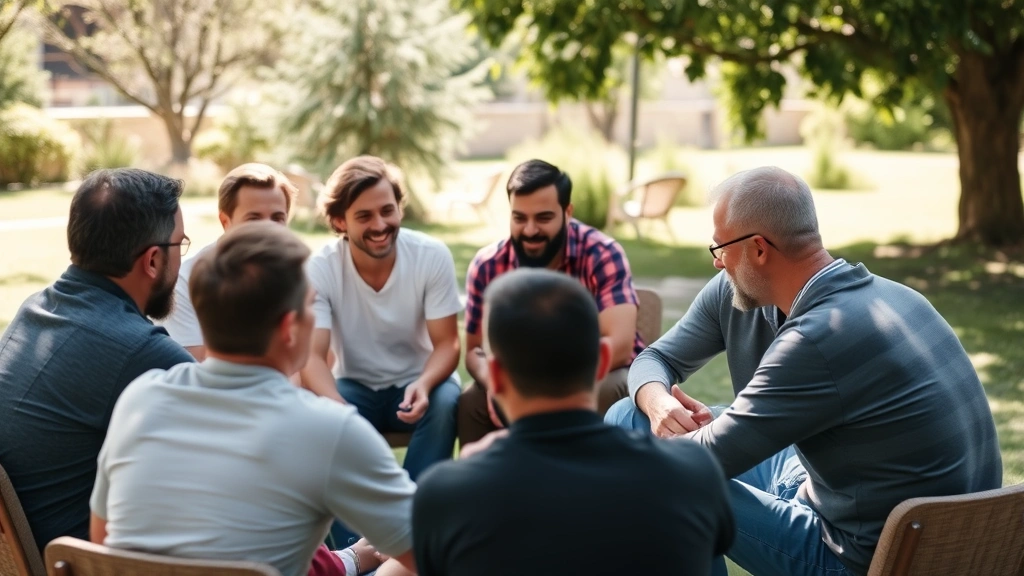
Community-based support groups create safe spaces where men can connect with others facing similar challenges. Whether focused on depression, anxiety, grief, or other specific issues, these groups provide peer support, practical coping strategies, and the powerful experience of knowing you’re not alone. Many communities expand their group offerings during November, making it an ideal time to explore these resources.
Supporting men’s mental health also means examining our own behaviors and attitudes. Friends and family members can create environments where men feel safe discussing emotional challenges without judgment. By asking direct questions, listening actively, and validating feelings, we help counteract the cultural messaging that encourages men to suppress emotions. Simple actions—like checking in with male friends, normalizing therapy conversations, and celebrating men who seek help—contribute to cultural change that benefits everyone.
Mental Health in the Workplace: Creating Supportive Environments for Men
Workplaces play a crucial role in supporting men’s mental health, particularly since many men spend the majority of their waking hours at work. Organizations that prioritize mental health during Men’s Mental Health Month and throughout the year see measurable benefits in employee engagement, productivity, and retention. Creating a workplace culture that supports men’s mental health requires intentional effort and sustained commitment from leadership.
Managers and team leaders should receive training on recognizing signs of mental health challenges in their employees and responding with compassion rather than judgment. This training helps supervisors understand that an employee struggling with depression or anxiety may show decreased productivity, increased absenteeism, or behavioral changes. Rather than penalizing these employees, informed managers can facilitate access to mental health resources and make reasonable workplace accommodations.
Organizations can offer comprehensive mental health benefits that specifically address men’s needs. This might include therapy options that emphasize practical, solution-focused approaches that many men prefer; peer support groups tailored to men’s experiences; and wellness programs that incorporate physical activity, nutrition guidance, and stress management—all proven strategies for improving mental health. The American Psychological Association’s workplace mental health resources provide guidance for employers seeking to develop comprehensive programs.
Workplace culture shifts that normalize mental health discussions make it safer for men to seek help. When leadership openly discusses their own mental health experiences, when organizations celebrate employees who seek therapy, and when mental health conversations become as routine as physical health discussions, men feel more comfortable addressing their own needs. November’s focus on Men’s Mental Health Month provides an excellent opportunity to launch or reinvigorate these cultural initiatives.
Building a Holistic Approach to Wellness for Men
Addressing men’s mental health effectively requires a holistic approach that recognizes the interconnection between mental, physical, emotional, and financial wellbeing. Men who struggle financially often experience heightened anxiety and depression, making financial wellness an important component of overall mental health support. Similarly, physical health significantly impacts mental health, making fitness and nutrition crucial elements of a comprehensive wellness strategy.
Best exercises for mental health provide scientifically-proven benefits for mood regulation, stress reduction, and emotional resilience. Regular physical activity releases endorphins, improves sleep quality, and provides a healthy outlet for processing stress. Men who incorporate consistent exercise into their routines report improved mental clarity, better emotional regulation, and enhanced overall wellbeing. Whether through traditional gym workouts, sports, outdoor activities, or home-based exercise, physical activity should be a cornerstone of men’s mental health strategies.
The benefits of a balanced diet extend far beyond physical health into mental and emotional wellbeing. Nutrition directly impacts brain chemistry, mood regulation, and energy levels. Men who maintain consistent, nutritious eating patterns experience improved mental clarity, better mood stability, and reduced anxiety symptoms. During Men’s Mental Health Month, many wellness programs emphasize the importance of nutrition as a mental health tool, helping men understand that what they eat affects how they feel emotionally.
The ultimate guide to the benefits of mindfulness meditation introduces men to evidence-based practices for managing stress, anxiety, and intrusive thoughts. While some men initially resist meditation due to perceived cultural barriers, mindfulness practices have gained acceptance in corporate, military, and athletic contexts. Meditation provides a practical tool for men to develop emotional awareness, improve self-regulation, and create mental space for processing difficult emotions. Even short daily practices—as little as five or ten minutes—produce measurable improvements in mental health outcomes.
Products designed specifically to support men’s wellbeing can facilitate these holistic practices. The Vital Health Ring provides comprehensive health tracking that helps men monitor physical activity, sleep quality, and stress levels—all crucial metrics for mental health. By making health data visible and accessible, such tools help men take ownership of their wellness and recognize patterns that impact their mental health. Additionally, Mental Health Matters Hoodie and similar apparel help normalize conversations about mental health by making it visible and wearable, signaling to others that mental health is a priority worth discussing openly.
Financial wellness deserves particular attention in men’s mental health conversations. Many men experience significant anxiety related to financial security, career stability, and financial planning. Building financial literacy, creating emergency funds, and developing long-term financial plans can reduce anxiety and improve overall mental wellbeing. When men feel secure financially and confident in their financial decision-making, they experience improved emotional health and greater capacity to address other mental health challenges. Exploring resources available on the WealthySphere Blog can provide practical guidance on financial wellness as part of comprehensive mental health strategy.
FAQ
When exactly is Men’s Mental Health Month celebrated?
Men’s Mental Health Month is observed throughout November in the United States. While the entire month provides a framework for awareness and action, International Men’s Day on November 19th often receives particular emphasis as a focal point within the month’s observance.
Why is Men’s Mental Health Month important?
Men’s Mental Health Month is important because it addresses a significant public health crisis where men account for approximately 80% of suicide deaths, yet remain significantly less likely to seek mental health treatment than women. This dedicated month creates opportunities to break stigma, share resources, and encourage men to prioritize their emotional wellbeing.
How can I support men’s mental health during November and year-round?
You can support men’s mental health by creating safe spaces for vulnerable conversations, checking in with male friends and colleagues, normalizing therapy discussions, advocating for workplace mental health policies, and modeling healthy emotional expression. Small actions compound over time to create cultural change that benefits all men.
What are the main barriers preventing men from seeking mental health treatment?
Primary barriers include societal expectations of masculinity that discourage emotional expression, stigma in male-dominated spaces, lack of awareness about available resources, cost and insurance concerns, and limited availability of male therapists. Additionally, many men lack the social support networks that encourage help-seeking behavior.
What resources are available for men experiencing mental health challenges?
The National Suicide Prevention Lifeline (1-800-273-8255), Crisis Text Line (text HOME to 741741), and the Substance Abuse and Mental Health Services Administration (SAMHSA) provide immediate support. Many workplaces, communities, and healthcare providers offer mental health counseling, support groups, and educational resources specifically designed for men.
How does physical health relate to mental health for men?
Physical health and mental health are deeply interconnected. Regular exercise improves mood, reduces anxiety and depression, and enhances emotional resilience. Proper nutrition supports brain chemistry and mood regulation. Quality sleep and stress management practices further support mental wellbeing. A holistic approach addressing both physical and mental health produces the best outcomes.
What should I do if a male friend or family member is struggling with mental health?
Express genuine concern, ask direct questions about their wellbeing, listen without judgment, and encourage them to seek professional help. Offer specific support—whether attending therapy appointments with them, helping research providers, or simply checking in regularly. Normalize their experience by sharing that many men face similar challenges and that seeking help is a sign of strength, not weakness.


