
Build Wealth: Community Health’s Role in Financial Success
Building lasting wealth extends far beyond investment portfolios and savings accounts. One of the most overlooked pillars of financial prosperity is community health—the collective well-being of the neighborhoods and social networks that sustain us. When communities thrive, individuals within them experience lower healthcare costs, reduced financial stress, and greater opportunities for economic advancement. This interconnection between community health and personal wealth creation is fundamental to understanding how to build a sustainable financial future.
The relationship between community health and wealth building is bidirectional. Healthy communities attract investment, support business growth, and create environments where people can focus on career advancement and financial planning rather than managing preventable diseases or health crises. Conversely, individuals who invest in their community’s health—through participation, support, and advocacy—benefit from stronger social networks, better access to resources, and improved overall life outcomes that directly impact their bottom line.
Understanding this dynamic is crucial for anyone serious about building wealth. Your financial success is intrinsically linked to the health and vitality of your community. By recognizing the pillars of community health and actively participating in strengthening them, you create the foundation necessary for personal financial growth.

The Four Pillars of Community Health
Community health rests on four essential pillars that directly influence individual and collective wealth. These pillars—accessible healthcare, mental health support, preventive wellness, and social cohesion—create the environment necessary for people to thrive financially and personally.
The first pillar is accessible healthcare infrastructure. Communities with robust medical facilities, affordable care options, and diverse healthcare providers experience significantly lower out-of-pocket expenses for residents. When healthcare is accessible, people address health issues before they become catastrophic financial drains. The second pillar involves comprehensive mental health services. Mental health directly impacts financial decision-making, productivity, and earning potential. Communities that prioritize mental wellness through counseling services, support groups, and educational resources enable their residents to make better financial choices and maintain stable employment.
The third pillar encompasses preventive health programs. Communities that invest in nutrition education, fitness initiatives, and disease prevention see reduced healthcare burden and improved workforce productivity. Finally, social cohesion and community engagement create networks of mutual support that reduce individual financial burden. When neighbors support neighbors, when communities organize resources collectively, individual financial stress decreases substantially.
These pillars work synergistically. A community with strong mental health infrastructure, like those discussed in our guide to PHP mental health initiatives, creates better financial outcomes for residents. Similarly, understanding the mental health books and resources available in your community can empower you to make healthier financial decisions.
Healthcare Access and Cost Savings
Healthcare represents one of the largest wealth-draining expenses for American families. The U.S. healthcare system’s complexity and cost create financial barriers that prevent wealth accumulation. However, communities with robust healthcare infrastructure experience dramatically different outcomes.
When communities prioritize accessible healthcare, residents benefit from preventive care that catches diseases early, before they require expensive interventions. A person who receives regular checkups, manages chronic conditions proactively, and has access to affordable medications avoids the catastrophic medical debt that derails wealth-building efforts. Studies show that families in communities with strong healthcare access save an average of $3,000-$5,000 annually compared to those in underserved areas.
Beyond direct cost savings, accessible healthcare enables workforce stability. When people aren’t missing work due to untreated health conditions, they maintain consistent income and career progression. They can negotiate better positions, pursue promotions, and invest in professional development—all pathways to wealth accumulation. Communities with poor healthcare access experience higher rates of absenteeism, lower productivity, and reduced earning potential across the board.
The financial impact extends to insurance costs. Communities with healthier populations experience lower health insurance premiums, reducing another major expense from household budgets. This creates a positive feedback loop where improved community health leads to lower costs, which enables more residents to afford preventive care, which further improves community health outcomes.
If you’re exploring career opportunities in this sector, our resource on health and wellness jobs provides insights into growing fields within community health that offer excellent earning potential.
Mental Health Infrastructure and Financial Decision-Making
The connection between mental health and wealth building is often underestimated. Yet psychological well-being directly influences financial behavior, risk tolerance, and decision-making quality. Communities with strong mental health infrastructure produce residents who make better financial choices.
Depression, anxiety, and stress impair judgment, increase impulsive spending, and reduce motivation for long-term financial planning. Someone struggling with untreated mental health conditions is far more likely to make poor investment decisions, accumulate high-interest debt, or abandon wealth-building strategies. Conversely, individuals with access to mental health support—counseling, therapy, support groups—demonstrate improved financial outcomes across multiple metrics.
Our comprehensive guide to PHP mental health explores how community mental health programs support overall wellness. When communities invest in mental health infrastructure, they’re simultaneously investing in their residents’ financial futures.
Mental health support also reduces financial stress, which creates a healthier environment for making deliberate wealth-building decisions. When people aren’t in crisis mode, they can focus on education, skill development, and strategic financial planning. They can think long-term rather than day-to-day survival. This fundamental shift in perspective enables genuine wealth accumulation.
Communities should also ensure residents have access to financial counseling integrated with mental health services. Many people experience anxiety around money management, debt, and financial planning. When mental health professionals work alongside financial educators, residents receive holistic support that addresses both psychological and financial well-being.
Preventive Wellness Programs and Long-Term Wealth
Preventive health programs represent some of the highest-return investments communities can make. These programs—fitness initiatives, nutrition education, disease screening, and health promotion—prevent expensive health crises while building community culture around wellness.
The financial mathematics are compelling. Preventing one case of diabetes saves the healthcare system approximately $15,000 in lifetime treatment costs. Preventing a heart attack saves hundreds of thousands in acute care and long-term management. For individuals, these savings translate directly into wealth available for investment and financial goals.
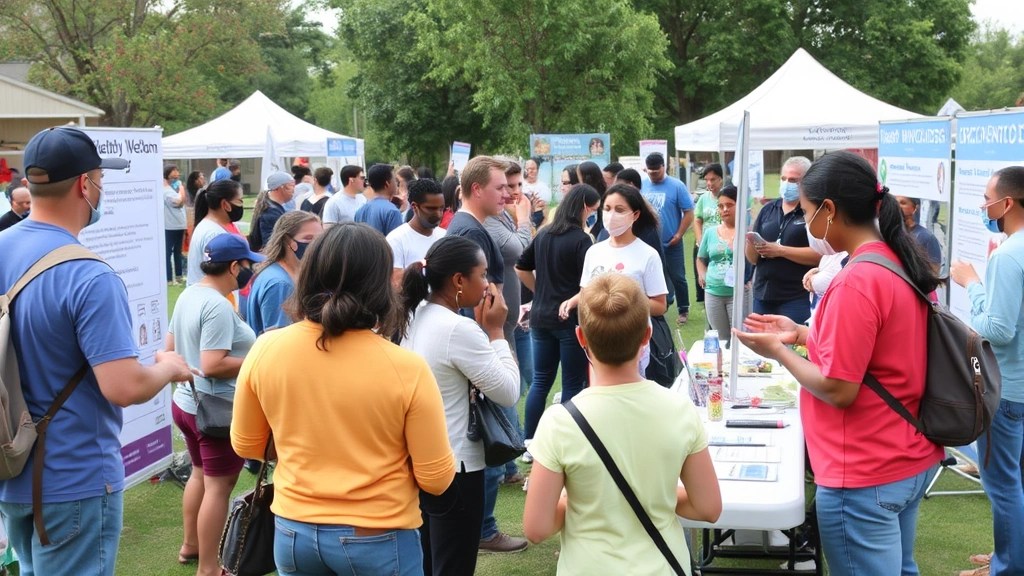
Communities that organize health fairs, fitness programs, and nutrition education create environments where healthy choices become easier and more accessible. Our coverage of health fair initiatives highlights how these community events serve as touchpoints for health information and early screening.
Preventive programs also build social capital. When community members participate in fitness classes, wellness workshops, or health screenings together, they build relationships and networks. These social connections have measurable financial value—they lead to job opportunities, business partnerships, mutual support during financial hardship, and shared resources that reduce individual financial burden.
Nutrition education deserves particular emphasis. Poor diet quality contributes to obesity, diabetes, heart disease, and numerous other expensive chronic conditions. Communities that provide accessible education about the benefits of a balanced diet empower residents to make health choices that prevent disease and reduce medical expenses. When families spend less on healthcare, they have more resources for savings, education, and wealth building.
The long-term wealth impact compounds over decades. A person who maintains good health through preventive care has greater earning capacity, fewer health-related absences, lower insurance costs, and more resources available for investment. Over a 40-year career, these advantages translate into hundreds of thousands of dollars in additional wealth.
Community Investment and Economic Growth
Healthy communities attract investment and economic opportunity. Businesses preferentially locate in areas with healthy workforces, lower healthcare costs, and strong social infrastructure. This creates a virtuous cycle: investment brings jobs, jobs enable wealth building, and wealth enables further community investment.
Communities that prioritize health benefit from improved property values, increased tax revenue, and business growth. These economic gains benefit all residents through better schools, improved infrastructure, and more abundant job opportunities. Individual residents benefit from higher wages, better employment options, and greater wealth-building potential.
The reverse is also true. Communities that neglect health infrastructure experience economic decline. Businesses relocate, jobs disappear, and remaining residents face limited opportunities. Healthcare costs spiral, consuming resources that could fuel economic growth. This creates a downward spiral where economic stagnation and poor health reinforce each other.
Understanding these dynamics helps explain wealth disparities between communities. It’s not simply that some people are more industrious than others—it’s that some communities have created infrastructure and culture that enables wealth building while others have neglected these investments. This recognition is important for anyone serious about building wealth, whether in their personal finances or their community’s collective future.
Building Wealth Through Healthy Communities
Given the clear connection between community health and individual wealth, what can you do to leverage this relationship? Start by assessing your community’s health infrastructure. Does your area have accessible healthcare? Are mental health services available and affordable? Do community organizations offer wellness programs? Are there opportunities for social engagement and community building?
If gaps exist, consider how you can contribute to filling them. This might involve volunteering with health organizations, advocating for improved healthcare access, or simply supporting neighbors and building social capital. These contributions strengthen community health while simultaneously strengthening your own financial position through improved social networks and reduced community-wide health costs.
Invest in your own health as a wealth-building strategy. Preventive care, fitness, nutrition, and mental health support are investments with exceptional returns. Every dollar spent on preventive health care saves multiple dollars in future medical expenses. More importantly, good health enables the earning power, focus, and energy necessary for wealth building.
Connect with community health resources available to you. Visit your local health fair, explore community fitness programs, and access mental health services if needed. Many communities offer these services at reduced cost or free to residents. Taking advantage of these resources is a practical wealth-building strategy.
Consider how your career choices impact community health. The health and wellness jobs sector offers excellent earning potential while directly contributing to community health improvement. If you’re career-building, consider whether roles in healthcare, public health, mental health services, or wellness education align with your strengths.
Finally, educate yourself about the relationship between health and wealth. Visit the WealthySphere blog regularly for insights into how health, community, and financial success interconnect. Understanding these relationships enables you to make more strategic decisions about where you live, how you invest your time and money, and how you build wealth sustainably.
Building wealth isn’t purely an individual endeavor—it’s fundamentally shaped by community context. By recognizing the pillars of community health and actively participating in strengthening them, you create the foundation for personal financial success while contributing to collective prosperity. This integrated approach to wealth building is both more effective and more meaningful than pursuing financial goals in isolation.
FAQ
How does community health directly impact personal wealth building?
Community health impacts personal wealth through multiple channels: lower healthcare costs reduce household expenses, accessible mental health services improve financial decision-making, preventive programs reduce disease burden and healthcare spending, and strong communities create social networks that provide mutual support and economic opportunities. When you live in a healthy community, you have more resources available for savings and investment.
What are the four pillars of community health?
The four pillars are: accessible healthcare infrastructure, comprehensive mental health services, preventive health programs, and social cohesion with community engagement. These four elements work together to create environments where residents can thrive financially and personally.
Can individual health choices affect community wealth?
Yes, absolutely. When individuals prioritize their health through preventive care, good nutrition, fitness, and mental wellness, they reduce healthcare costs across the community, maintain higher productivity, and contribute to a culture of wellness. These individual choices aggregate to create community-wide benefits that improve economic conditions for everyone.
How can I assess my community’s health infrastructure?
Evaluate whether your community has accessible primary care, mental health services, emergency care, preventive health programs, fitness resources, and strong social organizations. Research health outcome statistics for your area, check for community health centers, and explore what wellness programs are available. This assessment helps identify both strengths to leverage and gaps to address.
What’s the financial return on community health investment?
The returns are substantial. Preventing one case of chronic disease saves $15,000+ in lifetime healthcare costs. Communities with strong health infrastructure experience higher property values, more business investment, better job creation, and higher average incomes. For individuals, the returns manifest as lower healthcare expenses, higher earning potential, and greater wealth-building capacity.
How do I start building wealth in an underserved community?
Focus on what you can control: prioritize your own preventive health care, invest in mental health support, build strong social networks, and pursue education and skill development. Consider how you might contribute to improving community health through volunteering or advocacy. Connect with existing community organizations working on health improvement. While individual action has limits, building community while building your own health and skills creates a foundation for wealth accumulation even in challenging circumstances.


