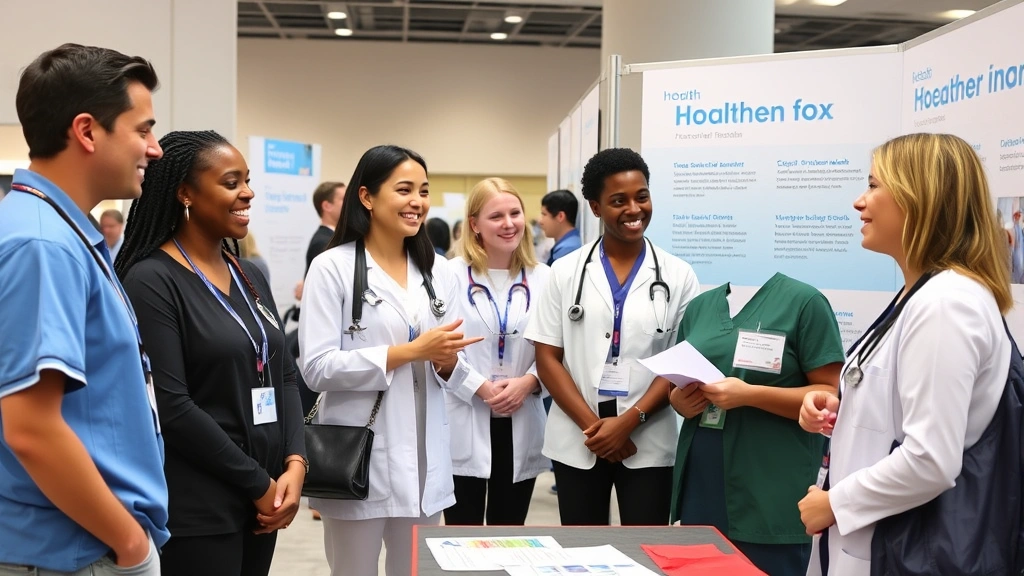
Boost Wealth at Health Fair? Expert Insights on Financial Opportunities
Health fairs represent far more than just routine check-ups and wellness screenings. For the financially savvy individual, these community events unlock unexpected opportunities to strengthen your financial foundation while prioritizing your health. The intersection of wellness and wealth-building creates a powerful synergy that many people overlook, yet exploring this connection can lead to substantial long-term gains in both areas of your life.
Whether you’re looking to discover health and wellness jobs that boost your income or seeking to understand how preventive healthcare reduces future medical expenses, health fairs serve as catalysts for meaningful financial conversations. This comprehensive guide explores how attending a health fair strategically can accelerate your wealth-building journey while establishing healthier habits that protect your financial future.
The Hidden Financial Benefits of Health Fairs
Health fairs operate as community touchstones where multiple sectors converge—healthcare providers, insurance companies, wellness vendors, and employers all gather in one location. This convergence creates unique financial opportunities that extend far beyond basic health screenings. Understanding these opportunities requires recognizing health fairs as strategic networking environments where wealth-building conversations naturally occur.
When you attend a health fair with financial awareness, you position yourself to gather intelligence about employer benefits, insurance options, and career advancement pathways. Many health fairs feature representatives from major healthcare systems, insurance providers, and corporate wellness programs. These professionals can provide invaluable information about benefits packages, health savings account (HSA) options, and preventive care advantages that directly impact your financial planning.
The WealthySphere Blog regularly discusses how integrated approaches to health and wealth create compound benefits over time. Health fairs exemplify this integration by allowing you to address both simultaneously. Consider that individuals who engage in preventive healthcare typically experience lower insurance premiums, reduced out-of-pocket costs, and fewer emergency medical expenses—all of which strengthen your overall financial position.
Additionally, many health fairs offer free or discounted screenings that would otherwise cost hundreds of dollars. Utilizing these services represents immediate financial savings while gathering critical health data that informs your long-term financial planning. Blood work, cholesterol screening, blood pressure checks, and other diagnostics provide baseline health information that helps you make informed decisions about insurance coverage and healthcare spending.
Career Networking and Income Growth Opportunities
One of the most overlooked aspects of health fairs involves their role as professional networking venues. Healthcare organizations, pharmaceutical companies, medical device manufacturers, and wellness startups all maintain booths at health fairs. These organizations actively recruit talent, and health fair attendees represent their target demographic—people interested in health, wellness, and self-improvement.
Exploring health science careers at health fairs can reveal income opportunities you hadn’t previously considered. Representatives from healthcare facilities, research institutions, and wellness companies can discuss entry-level positions, advancement pathways, and salary ranges. Many health fairs host career development workshops where professionals discuss industry trends, salary expectations, and skill requirements.
For individuals seeking to increase their income—a fundamental wealth-building strategy—health fairs provide direct access to recruiters and hiring managers. Unlike traditional job fairs, health fair recruiters often discuss roles that combine personal wellness interests with professional development. This alignment between passion and profession often leads to higher engagement, better job performance, and ultimately, greater earning potential.
The healthcare industry consistently ranks among the highest-paying sectors. According to the U.S. Bureau of Labor Statistics, healthcare occupations offer median wages significantly above national averages. Health fairs provide direct pathways to these lucrative careers. Whether you’re interested in clinical roles, administrative positions, or emerging telehealth opportunities, health fair networking accelerates your entry into this wealth-generating sector.
Understanding Healthcare Costs and Insurance Planning
Healthcare represents one of the largest expense categories in most household budgets. Without strategic planning, medical costs can devastate even well-constructed financial plans. Health fairs provide educational opportunities about insurance options, coverage levels, and cost-saving strategies that directly impact your wealth-building capacity.
Insurance representatives at health fairs can explain the differences between various plan types—HMOs, PPOs, high-deductible health plans, and others. Understanding these distinctions allows you to select coverage that aligns with your financial situation and health needs. A high-deductible health plan paired with an HSA, for example, offers significant tax advantages that accelerate wealth accumulation. HSA contributions reduce your taxable income, grow tax-free, and allow tax-free withdrawals for qualified medical expenses.
Health fairs often feature workshops on health savings accounts, flexible spending arrangements, and other employer-sponsored healthcare benefits. These educational sessions directly translate to financial optimization. Someone who understands HSA mechanics and maximizes annual contributions gains thousands of dollars in tax advantages over their working years—funds that could otherwise flow to the government rather than your investment portfolio.
Furthermore, many employers use health fairs to communicate about upcoming benefits changes, new coverage options, and enrollment periods. Attending these events ensures you remain informed about benefits decisions that significantly impact your take-home pay and long-term financial security. Missing enrollment periods or failing to understand available options can cost families tens of thousands of dollars over a lifetime.

Preventive Health as Wealth Protection
Perhaps the most profound wealth-building benefit of health fairs involves preventive healthcare’s role in protecting accumulated wealth. A catastrophic health event can eliminate years of savings and derail financial plans. Preventive care identified at health fairs can prevent such scenarios from materializing.
Practicing how to maintain a balanced diet and engaging in the benefits of regular physical activity represent foundational health practices that directly impact healthcare costs. Health fairs provide personalized guidance on nutrition, exercise, and lifestyle modifications from qualified healthcare professionals. This guidance, when implemented, reduces the likelihood of developing chronic conditions like diabetes, heart disease, and hypertension—conditions that generate substantial medical expenses throughout your lifetime.
Consider the financial impact of preventing diabetes: treatment costs, medications, complications, and potential disability represent hundreds of thousands of dollars in lifetime expenses. Early screening at a health fair might identify pre-diabetic conditions, allowing intervention before developing the disease. This single prevention scenario saves an individual more than the cumulative cost of attending dozens of health fairs.
Moreover, the ultimate guide to the benefits of mindfulness meditation highlights how stress reduction techniques protect both physical and financial health. Chronic stress contributes to numerous health conditions that generate medical expenses. Health fairs increasingly feature mindfulness workshops and stress-reduction education that provide free tools for managing this critical health factor.
Building Professional Relationships for Financial Advancement
Wealth-building extends beyond income and expense management into the realm of professional relationships and opportunities. Health fairs create informal environments where meaningful professional connections develop naturally. These relationships often lead to unexpected career opportunities, mentorship arrangements, and business partnerships that accelerate wealth accumulation.
When you engage authentically at health fairs—asking thoughtful questions, expressing genuine interest in others’ work, and sharing your professional aspirations—you begin building a network of healthcare professionals who can advocate for you. These advocates might recommend you for positions, introduce you to decision-makers, or provide information about opportunities before they’re publicly advertised.
Healthcare professionals often earn substantial incomes and represent a demographic with significant purchasing power and investment experience. Developing relationships with this group expands your access to financial knowledge, investment opportunities, and business partnerships. Many successful entrepreneurs report that their most valuable business partnerships originated through casual professional networking rather than formal recruitment processes.
Additionally, healthcare professionals frequently serve on boards, lead professional organizations, and participate in advisory roles that extend influence and income opportunities. By establishing relationships at health fairs, you position yourself as someone to consider for these advancing opportunities as your career progresses.
Strategic Resource Gathering for Financial Planning
Health fairs distribute numerous resources—brochures, educational materials, contact information, and referral networks—that support comprehensive financial planning. Strategic attendees collect these resources systematically, recognizing that they represent free professional guidance and information that would otherwise require paid consultations.
Insurance representatives provide materials explaining coverage options, cost structures, and claims processes. Financial advisors sometimes maintain booths at health fairs, offering free consultations or educational materials about retirement planning, investment strategies, and wealth management. Wellness companies distribute information about health programs, fitness opportunities, and preventive services that support your health investment strategy.
Organizing these materials creates a personalized health and financial resource library. Review them systematically, identify action items, and follow up with appropriate professionals. This follow-up often leads to deeper conversations about financial planning, health optimization, and strategic decisions that enhance your overall wealth-building trajectory.
Many health fair resources include information about community programs, free screening clinics, and low-cost services. These resources provide ongoing value long after the health fair concludes. Someone facing financial constraints can utilize these community resources to maintain preventive healthcare without incurring substantial expenses, thus protecting their financial situation during challenging periods.
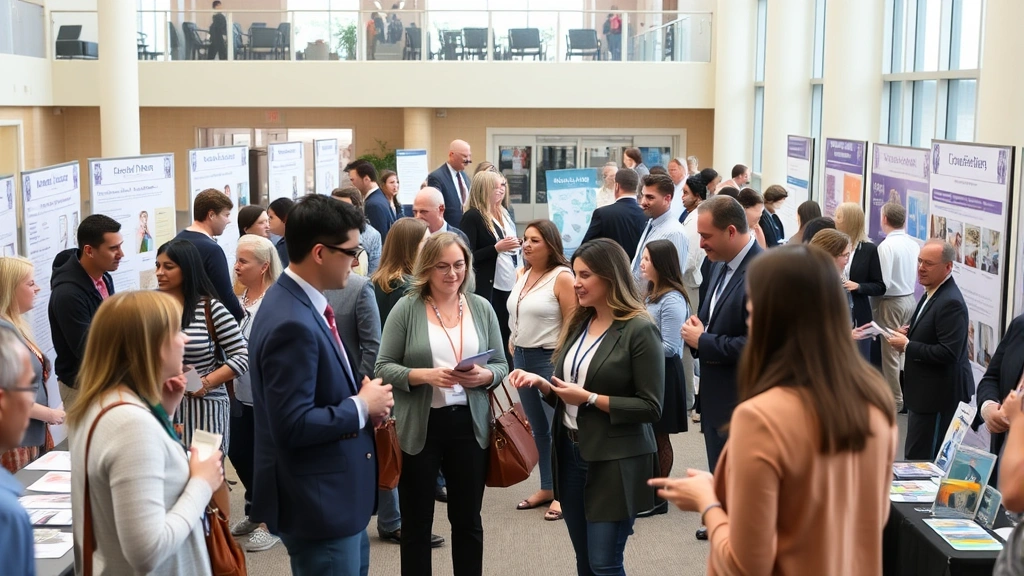
FAQ
How can attending a health fair directly boost my wealth?
Health fairs boost wealth through multiple pathways: discovering high-paying career opportunities, understanding insurance options that optimize tax advantages, accessing free preventive screenings that prevent expensive medical conditions, and building professional relationships that lead to income-generating opportunities. The cumulative effect of these benefits significantly impacts long-term wealth accumulation.
What should I prioritize when attending a health fair?
Prioritize conversations with career representatives, insurance specialists, and financial advisors. Collect educational materials about benefits options and career pathways. Participate in workshops about health savings accounts and preventive healthcare. Obtain free screenings to establish baseline health metrics that inform your financial planning. Schedule follow-up conversations with professionals offering services relevant to your financial goals.
Are health fairs really free, or do they involve hidden costs?
Most health fairs are genuinely free to attend and participate in basic screenings. However, some screenings may require referrals for follow-up testing, which could involve costs depending on your insurance coverage. Always clarify whether screenings are completely free or may result in recommended follow-up expenses. Bring your insurance card to understand your coverage for any recommended services.
How often should I attend health fairs?
Attending health fairs annually provides optimal value. Annual attendance allows you to receive updated screenings, learn about new career opportunities, and reconnect with professional relationships. Some individuals benefit from attending multiple fairs annually if their employers or community organizations host separate events, particularly if they’re actively job searching or exploring career changes.
Can health fairs help with career transitions?
Absolutely. Health fairs provide direct access to healthcare industry recruiters and professionals. If you’re considering transitioning into healthcare careers, health fairs offer information about entry requirements, salary expectations, and advancement pathways. Representatives can discuss whether your existing skills transfer to healthcare roles or what training you’d need to transition successfully.
What insurance information should I specifically seek at a health fair?
Seek information about health savings accounts (HSAs), flexible spending accounts (FSAs), high-deductible health plans, and employer-sponsored coverage options. Ask about preventive care benefits covered at 100%. Understand deductibles, co-pays, and out-of-pocket maximums. Request materials explaining the claims process and how to verify coverage before receiving care.
How do preventive screenings at health fairs protect my wealth?
Preventive screenings identify health conditions early, when treatment is less expensive and more effective. Early detection of conditions like high cholesterol, hypertension, or pre-diabetes allows intervention before developing costly chronic diseases. This prevention directly reduces lifetime healthcare expenses, protecting accumulated wealth from depletion due to medical costs.


