Fiddlehead Ferns: Nutritional Powerhouse Explained
Fiddlehead ferns represent one of nature’s most underutilized nutritional treasures, offering a remarkable combination of vitamins, minerals, and bioactive compounds that support optimal health. These young, coiled fronds—resembling the scroll of a violin’s headpiece—have been harvested and consumed for centuries across Asia, Europe, and North America. Despite their growing popularity among health-conscious consumers and culinary enthusiasts, many people remain unaware of the substantial health benefits these delicate vegetables provide. Whether you’re exploring ways to enhance your diet or seeking nutrient-dense foods that support long-term wellness, understanding fiddlehead ferns’ nutritional profile can transform how you approach seasonal eating and nutritional planning.
The journey toward better health often begins with informed dietary choices, and fiddlehead ferns exemplify the principle that nature provides powerful nutrition in unexpected packages. Unlike heavily processed supplements, these whole-food sources deliver nutrients in their most bioavailable forms, working synergistically to support your body’s natural functions. By incorporating fiddlehead ferns into your regular diet, you’re not merely adding another vegetable to your plate—you’re embracing a time-tested nutritional strategy that aligns with both traditional wisdom and modern nutritional science.
What Are Fiddlehead Ferns?
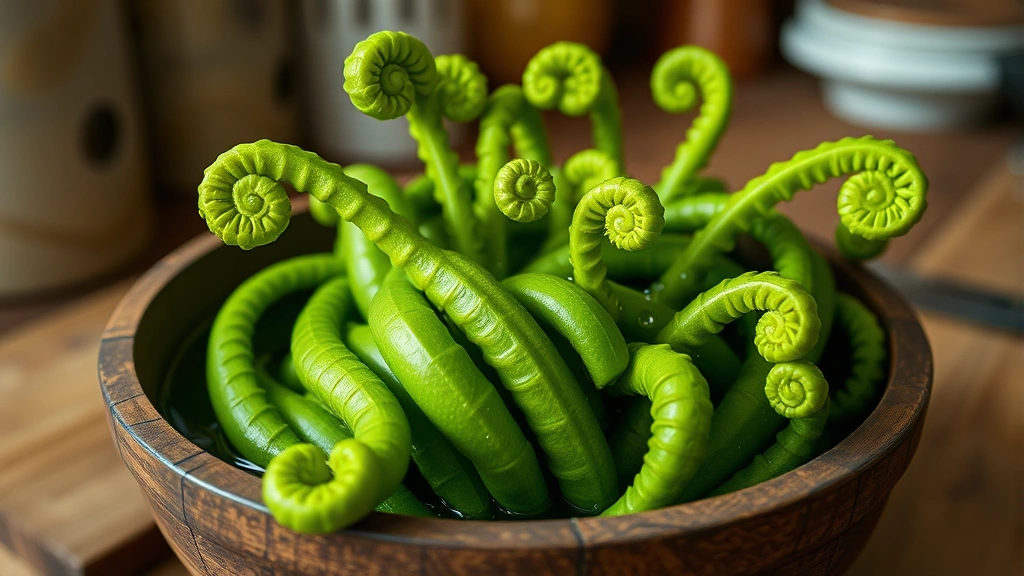
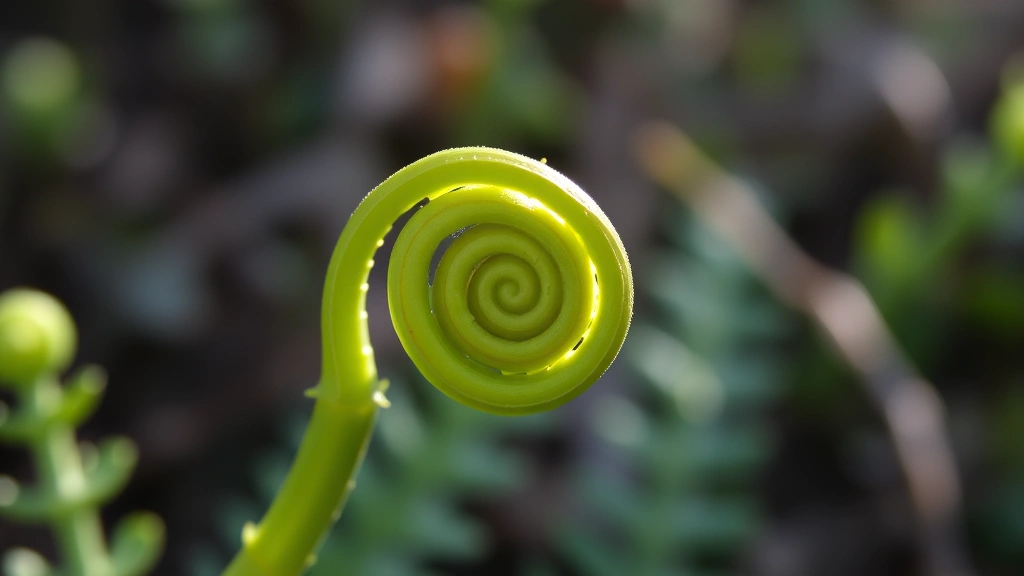
Fiddlehead ferns are the young, unfurled fronds of various fern species, most commonly ostrich ferns (Matteuccia struthiopteris), which are harvested before they fully mature and open. The name derives from their distinctive shape—tightly coiled in a spiral pattern that resembles the decorative scroll at the head of a violin or fiddle. This unique form is nature’s way of protecting the delicate emerging fronds as they push through soil and unfold in spring, typically appearing in temperate regions between April and June.
The cultivation and foraging of fiddlehead ferns spans thousands of years, with documented use in traditional Japanese, Korean, and Native American cuisines. In Japan, they’re known as “warabi” and remain a seasonal delicacy. Across North America, rural communities have long traditions of springtime fiddlehead harvesting, treating these vegetables as harbingers of the growing season. Today, they’re increasingly available in farmers’ markets, specialty grocery stores, and high-end restaurants, though their seasonal availability remains limited to spring months in most regions.
From a nutritional standpoint, fiddlehead ferns are remarkable because they’re harvested at their peak developmental stage—a time when plants concentrate nutrients to support rapid growth. This biological timing means you’re consuming vegetables at their nutritional zenith, packed with the compounds necessary for cellular development and energy production. Understanding this foundation helps explain why fiddlehead ferns deliver such impressive health benefits compared to many other vegetables.
Essential Vitamins and Minerals
Fiddlehead ferns deliver an impressive array of essential vitamins crucial for maintaining optimal bodily functions and supporting balanced diet principles. A single serving of fiddlehead ferns provides substantial quantities of vitamin A, essential for vision, immune function, and skin health. The beta-carotene content—a precursor to vitamin A—supports eye health and protects against age-related macular degeneration, a leading cause of vision loss in older adults.
The vitamin K content in fiddlehead ferns is particularly noteworthy, as this fat-soluble vitamin plays critical roles in bone mineralization and blood coagulation. For individuals concerned about bone density and fracture prevention, incorporating vitamin K-rich vegetables like fiddlehead ferns into your diet represents a practical dietary strategy. Additionally, fiddlehead ferns contain meaningful amounts of vitamin C, a water-soluble antioxidant that supports collagen synthesis, immune function, and iron absorption from plant-based sources.
On the mineral front, fiddlehead ferns provide iron, copper, manganese, and phosphorus—elements essential for energy metabolism, oxygen transport, and bone structure. The iron content is particularly valuable for vegetarians and vegans, though the non-heme iron from plant sources requires adequate vitamin C intake for optimal absorption. Copper supports connective tissue formation and energy production, while manganese functions as a cofactor for numerous enzymatic processes throughout the body. The mineral profile of fiddlehead ferns demonstrates why incorporating diverse plant foods supports comprehensive nutritional status rather than relying on single supplements.
Antioxidants and Phytonutrients
Beyond basic vitamins and minerals, fiddlehead ferns contain an impressive spectrum of phytonutrients—plant compounds with potent antioxidant and anti-inflammatory properties. These bioactive molecules work within your cells to neutralize harmful free radicals, unstable atoms that contribute to cellular aging and chronic disease development. Research has identified flavonoids, phenolic acids, and other polyphenolic compounds in fiddlehead ferns that demonstrate significant antioxidant activity in laboratory studies.
The chlorophyll content—responsible for the fern’s vibrant green color—itself functions as an antioxidant and may support detoxification processes within the body. Chlorophyll binds to potentially harmful substances in the digestive tract, potentially facilitating their elimination. Additionally, the presence of carotenoids beyond beta-carotene, including lutein and zeaxanthin, supports eye health through mechanisms distinct from vitamin A, offering comprehensive ocular protection.
These phytonutrients work synergistically, meaning their combined effect exceeds what any single compound could achieve independently. This synergy explains why consuming whole fiddlehead ferns provides superior health benefits compared to isolated antioxidant supplements. Your body evolved to process whole foods with their complex nutrient matrices, and this evolutionary alignment produces optimal health outcomes. The anti-inflammatory properties of these compounds may help reduce systemic inflammation, a root cause underlying numerous chronic conditions including cardiovascular disease, type 2 diabetes, and certain cancers.
Digestive Health Support
Fiddlehead ferns contain dietary fiber—both soluble and insoluble varieties—that support digestive health through multiple mechanisms. Soluble fiber dissolves in water, forming a gel-like substance that slows gastric emptying, promotes satiety, and feeds beneficial gut bacteria. This prebiotic effect nourishes your microbiome, the trillions of microorganisms that influence everything from immune function to mental health. Insoluble fiber adds bulk to stool, promoting regular bowel movements and preventing constipation while supporting the physical health of your colon.
The fiber content in fiddlehead ferns contributes to healthy cholesterol levels by binding bile acids and facilitating their excretion, forcing your body to synthesize new cholesterol from circulating stores. This mechanism directly reduces LDL cholesterol, the form associated with atherosclerotic plaque formation. Simultaneously, the prebiotic properties of fiddlehead fern fiber support the production of short-chain fatty acids like butyrate, which nourish colonic cells and may reduce colorectal cancer risk.
For individuals managing blood sugar levels, the fiber in fiddlehead ferns slows glucose absorption, preventing rapid blood sugar spikes that stress pancreatic function and promote insulin resistance. This glycemic benefit makes fiddlehead ferns particularly valuable for people with prediabetes or type 2 diabetes, as part of a comprehensive dietary approach to metabolic health. The digestive benefits extend beyond mechanical effects—the phytonutrients in fiddlehead ferns may directly support beneficial bacterial growth and reduce populations of potentially pathogenic microorganisms.
Cardiovascular Benefits
Cardiovascular health represents one of the most critical health domains, and fiddlehead ferns support heart function through multiple evidence-based mechanisms. The potassium content helps regulate blood pressure by counteracting sodium’s effects and supporting healthy vascular function. Many individuals consume excess sodium while remaining deficient in potassium, creating electrolyte imbalances that stress the cardiovascular system. Incorporating potassium-rich vegetables like fiddlehead ferns helps restore this balance and supports healthy blood pressure maintenance.
The folate (vitamin B9) content in fiddlehead ferns supports cardiovascular health by reducing homocysteine levels—an amino acid that, when elevated, damages arterial walls and increases atherosclerotic plaque formation. By maintaining adequate folate intake through foods like fiddlehead ferns, you actively reduce cardiovascular disease risk. Additionally, the antioxidants in fiddlehead ferns prevent LDL oxidation, a critical step in atherosclerotic plaque development. Regular consumption of antioxidant-rich foods demonstrates strong associations with reduced cardiovascular disease incidence and mortality in large epidemiological studies.
The fiber, potassium, and antioxidant combination in fiddlehead ferns addresses multiple cardiovascular risk factors simultaneously. This multifaceted approach aligns with nutritional science demonstrating that whole foods outperform isolated nutrient supplementation for chronic disease prevention. For individuals with existing cardiovascular conditions, consulting with healthcare providers about dietary modifications remains essential, but fiddlehead ferns represent an excellent addition to heart-healthy eating patterns.
Weight Management and Metabolism
Fiddlehead ferns offer substantial benefits for individuals pursuing weight management and metabolic optimization. The caloric density of fiddlehead ferns is remarkably low—approximately 34 calories per 100-gram serving—while the nutrient density remains exceptionally high. This favorable caloric-to-nutrient ratio means you can consume satisfying portions while maintaining caloric deficit necessary for gradual, sustainable weight loss.
The fiber content promotes satiety through multiple mechanisms: mechanical stomach distension, delayed gastric emptying, and hormonal signaling through appetite-regulating peptides. Many individuals who increase dietary fiber intake naturally reduce overall calorie consumption because they feel fuller longer on fewer calories. This mechanism explains why fiber-rich diets consistently outperform low-fiber approaches in weight management studies.
Additionally, fiddlehead ferns contain compounds that may support metabolic rate and fat oxidation. Certain phytonutrients demonstrate thermogenic properties, meaning they require energy for digestion and processing—a phenomenon called the thermic effect of food. While this effect remains modest compared to exercise, it contributes to overall energy expenditure when consuming nutrient-dense whole foods rather than processed alternatives.
The micronutrient profile supports metabolic function by providing cofactors for enzymes involved in energy production and fat metabolism. Deficiencies in minerals like iron, copper, and manganese can impair metabolic efficiency, creating a vicious cycle where sluggish metabolism promotes weight gain. By ensuring adequate micronutrient intake through foods like fiddlehead ferns, you support your body’s natural metabolic capacity.
Selection, Preparation, and Storage
Selecting quality fiddlehead ferns ensures you obtain maximum nutritional benefit and optimal culinary experience. When shopping, look for fiddleheads that are tightly coiled, firm to the touch, and vibrant green in color. Avoid any specimens showing browning, mushiness, or loosened coils, indicating age or deterioration. Fresh fiddleheads should smell pleasantly earthy without any musty or unpleasant odors. Purchase from reputable sources—farmers’ markets, specialty grocers, or trusted foragers—to ensure proper identification and safe harvesting practices.
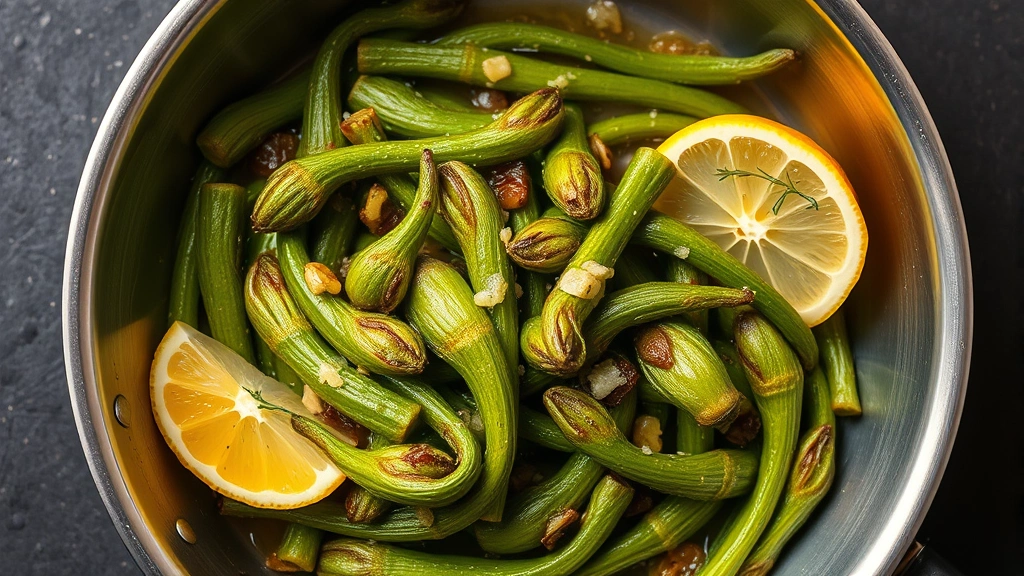
Preparation begins with gentle cleaning under cool running water, using your fingers to remove any loose brown papery sheaths or soil. Some people prefer to soak fiddleheads briefly in water to facilitate debris removal. Avoid aggressive scrubbing that might damage the delicate fronds. Most preparation methods involve blanching fiddleheads in boiling salted water for 5-10 minutes until tender-crisp, then proceeding with your chosen recipe—sautéing with garlic, roasting with olive oil, or adding to soups and stir-fries.
Storage requires attention to maintaining freshness. Unwashed fiddleheads in a perforated plastic bag within your refrigerator’s vegetable drawer typically remain fresh for 3-5 days. For longer storage, blanch cleaned fiddleheads for 3-4 minutes, cool in ice water, drain thoroughly, and freeze in airtight containers for up to 8 months. Freezing preserves nutritional content remarkably well, making it an excellent strategy for enjoying seasonal vegetables year-round.
Potential Considerations and Safety
While fiddlehead ferns offer impressive health benefits, certain considerations warrant attention. Some individuals may experience allergic reactions, though these remain relatively rare. If you have known sensitivities to other plants or experience any unusual symptoms after consuming fiddleheads, discontinue use and consult healthcare providers. Additionally, fiddleheads contain oxalates—compounds that can bind calcium and iron—though the levels remain moderate compared to spinach or other high-oxalate vegetables.
For individuals taking warfarin or other anticoagulant medications, the vitamin K content in fiddleheads requires consideration, as vitamin K influences blood clotting. Consistency in vitamin K intake matters more than avoidance, so individuals on anticoagulants should discuss dietary modifications with their healthcare providers and maintain consistent consumption patterns. The fiber content, while beneficial for most people, may cause digestive discomfort if introduced too rapidly—increase consumption gradually while monitoring your body’s response.
Proper identification remains critical when foraging wild fiddleheads, as some fern species contain compounds that may cause gastrointestinal distress. The ostrich fern (Matteuccia struthiopteris) represents the safest and most commonly harvested species, but positive identification is essential. When in doubt, purchase from established commercial sources rather than foraging independently. Additionally, harvesting practices should follow sustainable principles—never harvest all fiddleheads from a single plant, as this prevents the fern from completing its growth cycle and replenishing resources for future seasons.
The health science field continues advancing our understanding of plant-based nutrition, with ongoing research exploring fiddlehead ferns’ bioactive compounds and health mechanisms. As with any significant dietary change, consulting with healthcare providers or registered dietitian nutritionists ensures your approach aligns with your individual health status and medications.
FAQ
What do fiddlehead ferns taste like?
Fiddlehead ferns possess a delicate, slightly nutty flavor with subtle earthiness reminiscent of asparagus and green beans. The taste is mild enough to pair with various seasonings while retaining distinctive character. Texture-wise, properly prepared fiddleheads offer tender-crisp consistency that becomes more tender with extended cooking. The flavor profile makes them versatile for numerous culinary applications, from simple preparations highlighting their natural taste to complex dishes where they complement other ingredients.
Are fiddlehead ferns available year-round?
Fiddlehead ferns remain seasonal vegetables, typically available fresh from April through June in temperate climates. However, frozen fiddleheads are increasingly available year-round through specialty grocers and online retailers. Frozen varieties retain nutritional content effectively and offer convenient access to this nutritional powerhouse outside the spring season. Some regions with different climates may have extended or shifted availability, so checking local farmers’ markets and specialty stores provides the best information for your area.
Can fiddlehead ferns help with inflammation?
Yes, the phytonutrients in fiddlehead ferns, particularly their polyphenolic compounds, demonstrate anti-inflammatory properties supported by scientific research. Chronic inflammation underlies numerous diseases including cardiovascular disease, type 2 diabetes, and certain cancers. By incorporating anti-inflammatory foods like fiddlehead ferns into your diet as part of a comprehensive approach addressing stress effects on overall health, you support your body’s natural anti-inflammatory mechanisms. However, dietary modifications represent one component of comprehensive inflammation management—adequate sleep, regular exercise, stress management, and medical treatment when necessary all contribute to optimal inflammatory balance.
How do fiddlehead ferns compare nutritionally to other spring vegetables?
Fiddlehead ferns compare favorably to other spring vegetables like asparagus, peas, and spring greens across multiple nutritional dimensions. They provide higher levels of certain antioxidants and minerals while maintaining similarly low caloric density. Unlike peas, which contain more carbohydrates and calories, fiddleheads offer fiber-rich nutrition with minimal sugar content. The vitamin K and mineral profile of fiddleheads exceeds many common vegetables, making them particularly valuable for bone health and metabolic function. Rather than viewing vegetables as directly comparable, consider consuming diverse varieties to access the full spectrum of phytonutrients different plants provide.
Can I consume fiddlehead ferns raw?
While some sources suggest consuming very young, tender fiddleheads raw, most nutritionists and culinary experts recommend cooking fiddleheads before consumption. Cooking softens the fronds, improving digestibility and potentially increasing bioavailability of certain nutrients. Additionally, cooking eliminates any potential contaminants from soil or handling. Blanching followed by sautéing, roasting, or adding to soups represents the most common and safest preparation approach. If you’re interested in raw consumption, consult with culinary experts familiar with fiddlehead preparation and ensure sourcing from verified, safe suppliers.
What careers involve nutrition and plant-based foods?
For individuals passionate about nutrition and plant-based wellness, numerous career pathways exist within the health administration sector and broader health science field. Registered Dietitian Nutritionists (RDNs) complete specialized education and credentialing to provide medical nutrition therapy and public health nutrition services. Nutritional Scientists conduct research exploring food components and health outcomes. Food Scientists develop and improve food products while optimizing nutritional content. Health Educators teach communities about nutrition and disease prevention. These careers combine passion for nutrition with meaningful impact on public health.
For authoritative information on nutrition science, consult resources from the Academy of Nutrition and Dietetics, the National Institutes of Health Office of Dietary Supplements, and peer-reviewed research databases. Consider consulting with certified nutrition specialists for personalized dietary guidance. The FDA’s food safety resources provide important information about proper food handling and preparation.


