
Boost Workplace Safety: Expert Southall Tips for a Secure Work Environment
Workplace safety is not just a regulatory requirement—it’s a fundamental investment in your organization’s productivity, employee well-being, and bottom line. In Southall, a vibrant industrial and commercial hub in West London, businesses face unique safety challenges that demand proactive, expert-driven solutions. Whether you’re managing a manufacturing facility, office space, or service-based operation, implementing comprehensive health and safety protocols can significantly reduce accidents, minimize liability, and create a culture of protection that benefits everyone.
The cost of workplace incidents extends far beyond immediate medical expenses. Lost productivity, employee morale issues, regulatory fines, and reputational damage can cripple even established businesses. This guide explores evidence-based strategies specifically tailored for Southall organizations, drawing on industry best practices and local regulatory frameworks. By understanding and implementing these expert recommendations, you can transform your workplace into a model of safety excellence.
Understanding Southall Health and Safety Requirements
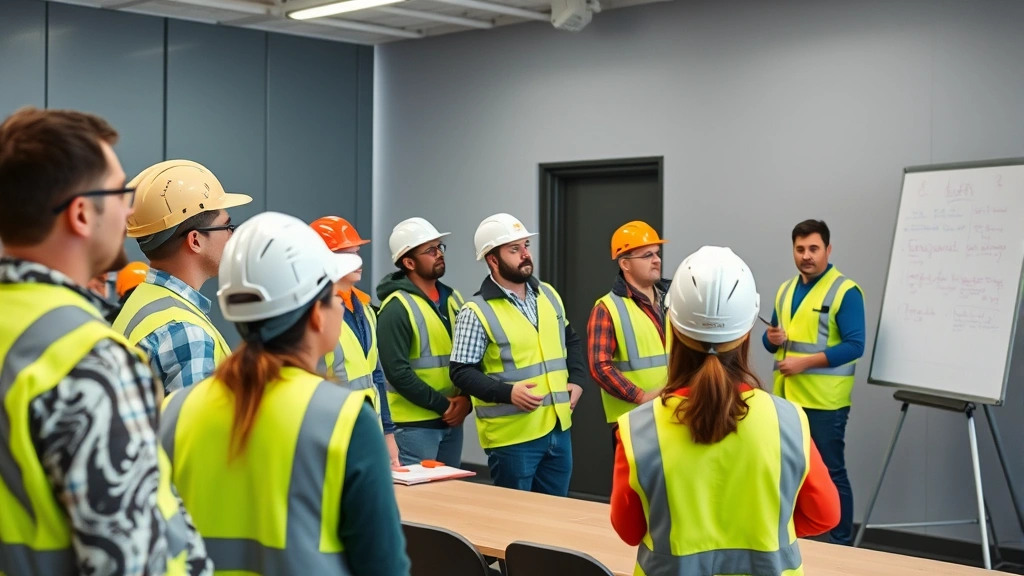
Southall businesses operate within the framework of UK health and safety legislation, primarily governed by the Health and Safety at Work etc. Act 1974 and the Management of Health and Safety at Work Regulations 1999. These regulations establish a clear duty of care for employers to protect employees and visitors from harm. Understanding these legal obligations is the foundation of any effective workplace safety program.
The specific requirements for Southall health and safety compliance depend on your industry sector, workplace size, and operational complexity. Manufacturing facilities in Southall’s industrial zones face different hazards than administrative offices, requiring tailored approaches to risk management. Local enforcement authorities, including the Health and Safety Executive (HSE), conduct regular inspections and investigations, making compliance not just ethically important but legally essential.
Key legislative requirements include conducting suitable and sufficient risk assessments, implementing control measures, providing appropriate training, and maintaining comprehensive health and safety documentation. Organizations must also appoint competent persons to manage health and safety matters and establish clear reporting structures for incidents and near-misses. Failure to meet these obligations can result in substantial fines, criminal prosecution, and operational shutdowns.
Conducting Comprehensive Risk Assessments
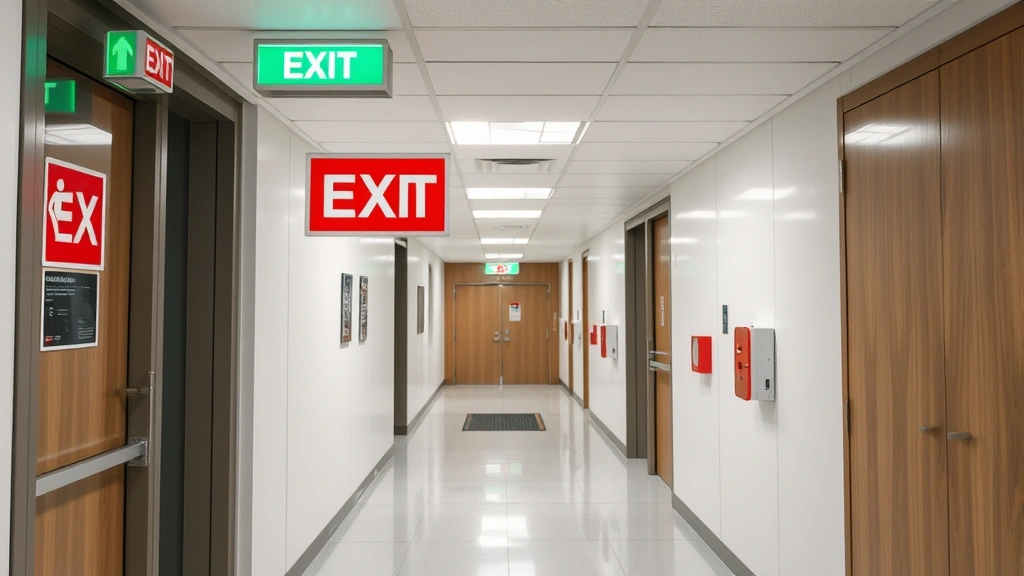
A thorough risk assessment is the cornerstone of workplace safety management. This systematic process involves identifying hazards, evaluating the likelihood and severity of potential harm, and determining appropriate control measures. For Southall organizations, conducting regular risk assessments ensures you understand your specific workplace threats and can implement targeted prevention strategies.
The risk assessment process should follow these essential steps:
- Hazard Identification: Walk through your workplace systematically, identifying anything that could cause harm. Include physical hazards (machinery, electrical equipment), chemical hazards, biological hazards, ergonomic factors, and psychosocial stressors.
- Risk Evaluation: For each identified hazard, assess the probability of harm occurring and the potential severity. Use a risk matrix to prioritize which hazards require immediate attention.
- Control Implementation: Apply the hierarchy of controls—elimination, substitution, engineering controls, administrative controls, and personal protective equipment—in order of effectiveness.
- Documentation: Record all findings, control measures, and responsibility assignments. This documentation demonstrates due diligence and provides evidence of compliance.
- Review and Update: Risk assessments must be reviewed regularly and whenever workplace conditions change. This might include new equipment, process modifications, or legislative updates.
Organizations should involve employees in the risk assessment process. Front-line workers often identify hazards that managers might overlook, and their involvement builds safety awareness and engagement. Consider establishing a safety committee that includes worker representatives to review assessments and recommend improvements.
Creating an Effective Safety Culture
Technical compliance measures are important, but true workplace safety emerges from a strong organizational culture that values protection and accountability. Building an effective safety culture requires consistent leadership commitment, clear communication, and genuine employee engagement. When safety becomes embedded in how your organization operates, accident rates decrease dramatically and productivity often improves.
Leadership plays a critical role in establishing safety culture. When senior management visibly prioritizes safety—allocating resources, attending safety meetings, and modeling safe behaviors—employees take these priorities seriously. Conversely, when leaders treat safety as a compliance checkbox, employees recognize the lack of genuine commitment and compliance suffers.
Effective safety culture includes:
- Clear Safety Policies: Document comprehensive policies covering all major hazards and required safe work practices. Ensure policies are accessible and regularly communicated to all employees.
- Open Communication: Create channels for employees to report hazards, near-misses, and incidents without fear of retaliation. Psychological safety—where workers feel comfortable speaking up—is essential for identifying problems before they cause harm.
- Recognition Programs: Acknowledge and reward safe behaviors and practices. Positive reinforcement encourages continued safety commitment.
- Continuous Improvement: Treat safety as an ongoing journey rather than a destination. Regularly review incidents, near-misses, and audit findings to identify improvement opportunities.
- Training and Development: Invest in comprehensive health science careers pathways and safety training that equips employees with knowledge and skills to work safely.
Consider how effects of stress on the body impact workplace safety. Stressed employees are more prone to accidents and errors. Implementing stress management initiatives and promoting employee well-being contributes to safer workplaces.
Essential Training and Competency Development
Employees cannot work safely without proper knowledge and skills. Comprehensive training programs ensure your workforce understands hazards, knows how to use equipment safely, and recognizes emergency procedures. Training must be tailored to job roles and updated whenever procedures change or new hazards emerge.
Essential training components include:
- Induction Training: All new employees should receive thorough induction covering workplace hazards, emergency procedures, reporting mechanisms, and key safety policies. This foundational training sets expectations from day one.
- Job-Specific Training: Employees performing specialized tasks require targeted training on equipment operation, chemical handling, or other role-specific hazards. Competency assessments should verify understanding before unsupervised work.
- Refresher Training: Regular refresher sessions maintain knowledge and reinforce safety practices. Annual or biennial refresher training helps prevent complacency.
- Supervisor Training: Managers and supervisors need specific training on safety responsibilities, incident investigation, hazard recognition, and employee coaching. Strong supervisory practices directly influence workplace safety outcomes.
- Specialized Certifications: Depending on your industry, employees may need certifications such as CSCS cards, IOSH Managing Safely, or equipment-specific operator certifications.
Document all training completion with dates, topics, and attendees. This documentation demonstrates compliance and helps identify gaps when new employees join or roles change. Consider exploring health administration jobs opportunities for dedicated safety coordinators who can manage training programs and compliance documentation.
Hazard Management and Control Strategies
Effective hazard management requires systematic identification and control of workplace hazards. The hierarchy of controls provides a framework for selecting the most effective control measures. Higher-level controls that eliminate or reduce hazards are more effective than personal protective equipment, which places responsibility on individual workers.
Common workplace hazards in Southall include:
- Machinery Hazards: Rotating equipment, pinch points, and moving parts pose serious injury risks. Engineering controls like machine guards, interlocks, and emergency stops are essential. Regular maintenance ensures equipment operates safely.
- Chemical Hazards: Many Southall businesses handle chemicals requiring proper storage, labeling, and handling procedures. Ensure Safety Data Sheets (SDS) are available and employees understand chemical hazards and emergency procedures.
- Electrical Hazards: Faulty wiring, overloaded circuits, and improper equipment use cause fires and electrocution. Regular electrical testing and maintenance, combined with employee training, minimize these risks.
- Ergonomic Hazards: Poor workstation design, repetitive tasks, and manual handling cause musculoskeletal injuries. Ergonomic assessments and workplace modifications prevent these common injuries.
- Slips, Trips, and Falls: These account for significant workplace injuries. Maintain clean, organized workspaces, use appropriate signage, and implement housekeeping programs.
The relationship between physical health and workplace safety is significant. Organizations promoting balanced diet and proper nutrition often see improved employee alertness and reduced accident rates. Similarly, maintaining healthy blood pressure and overall wellness supports workplace safety by ensuring employees have the physical and mental capacity to work safely.
Incident Reporting and Investigation Protocols
Effective incident management transforms accidents into learning opportunities that prevent future occurrences. Every incident—regardless of severity—provides valuable information about system failures or hazards requiring attention. Establishing clear reporting and investigation procedures ensures incidents receive appropriate attention and corrective actions address root causes.
Incident reporting should be:
- Accessible: Multiple reporting channels (verbal, written, online) accommodate different preferences and encourage reporting.
- Non-Punitive: Employees must feel safe reporting incidents without fear of disciplinary action. Blame-focused cultures discourage reporting and hide problems.
- Immediate: Prompt reporting enables rapid response and evidence preservation while details remain fresh.
- Documented: Record all incidents with details about what happened, who was involved, environmental factors, and immediate actions taken.
Investigation procedures should identify root causes rather than stopping at immediate causes. Use techniques like the 5 Whys or fault tree analysis to understand underlying system failures. Investigations might reveal training gaps, equipment defects, procedure inadequacies, or environmental factors requiring correction.
Document investigation findings and corrective actions. Review incidents across your organization to identify patterns—multiple similar incidents might indicate a systemic problem requiring comprehensive action. Share lessons learned with employees to reinforce safety learning.
Emergency Preparedness and Response Planning
Despite excellent prevention efforts, emergencies can occur. Comprehensive emergency planning ensures your organization responds effectively to minimize harm and business disruption. Emergency plans must address foreseeable scenarios relevant to your specific workplace and be regularly tested through drills and exercises.
Effective emergency plans include:
- Hazard-Specific Procedures: Develop specific procedures for fires, chemical spills, medical emergencies, severe weather, and other relevant scenarios. Procedures should be clear, simple, and actionable.
- Evacuation Routes and Assembly Points: Clearly mark and maintain evacuation routes. Designate assembly points away from the building where attendance can be verified. Practice evacuation procedures regularly.
- Emergency Contacts: Maintain current contact information for emergency services, key personnel, and external resources. Ensure communication systems function during emergencies.
- First Aid and Medical Response: Designate trained first aiders and ensure adequate first aid supplies are available. Coordinate with local emergency services and establish procedures for medical emergencies.
- Communication Procedures: Establish methods for communicating during emergencies—both internally and with external stakeholders. Ensure communication systems work when normal systems fail.
- Regular Testing: Conduct evacuation drills, tabletop exercises, and scenario-based training to test plans and identify improvements. After each exercise, debrief participants and document lessons learned.
Emergency preparedness extends beyond immediate response. Develop business continuity plans that enable your organization to resume critical operations after incidents, minimizing financial and reputational impact.
Regular Audits and Continuous Improvement
Workplace safety is not static. Regular audits and reviews ensure your safety management system remains effective and adapts to changing circumstances. Systematic auditing identifies gaps between established procedures and actual practices, enabling corrective action before problems cause harm.
Audit programs should include:
- Compliance Audits: Verify that documented procedures are being followed and regulatory requirements are met. These audits ensure consistency across your organization.
- Performance Audits: Assess the effectiveness of safety controls and programs. Review leading indicators (training completion, near-miss reporting) and lagging indicators (accident rates, severity).
- Management System Audits: Evaluate whether your overall safety management system functions effectively. This includes assessing hazard identification, risk assessment, control implementation, and improvement processes.
- Specialist Audits: Depending on your industry, specialist audits for electrical safety, fire safety, chemical management, or other specific areas may be necessary.
Audit findings should be documented with clear action items, responsible parties, and deadlines. Track corrective action completion and verify effectiveness through follow-up audits. Share audit results with employees to demonstrate management commitment to safety and transparency about improvements.
Consider consulting with external safety experts or professional organizations. External perspectives often identify issues internal teams miss, and expert recommendations carry credibility that supports implementation. The Health and Safety Executive (HSE) provides extensive guidance, publications, and resources supporting workplace safety. Many organizations benefit from working with IOSH (Institution of Occupational Safety and Health), the professional body for safety and health professionals in the UK, or engaging RoSPA (Royal Society for the Prevention of Accidents) for specialized safety advice.
Organizations should also stay informed about industry-specific guidance. The Confederation of British Industry (CBI) provides resources and advocacy on workplace issues, while professional organizations specific to your sector offer industry-tailored safety guidance.
Continuous improvement requires systematic analysis of safety performance data. Track metrics like accident rates, near-miss reporting, training completion, and audit findings. Look for trends and use this data to prioritize improvement initiatives. Share performance data with employees to maintain engagement and demonstrate progress toward safety goals. Visit the Wealthysphere Blog for additional resources on workplace practices and organizational development.
FAQ
What are the key legal requirements for workplace safety in Southall?
Southall businesses must comply with the Health and Safety at Work etc. Act 1974 and the Management of Health and Safety at Work Regulations 1999. These require employers to conduct risk assessments, implement control measures, provide training, and maintain safety documentation. The specific requirements depend on your industry and workplace size. Consulting with health and safety professionals or reviewing HSE guidance ensures your organization meets all applicable requirements.
How often should workplace risk assessments be conducted?
Risk assessments should be reviewed regularly—typically annually—and immediately whenever workplace conditions change. Changes might include new equipment, process modifications, staffing changes, or legislative updates. Some high-risk activities may require more frequent assessment. Regular review ensures assessments remain current and reflect actual workplace conditions.
What should be included in an effective safety training program?
Effective training includes induction training for new employees, job-specific training for specialized tasks, regular refresher training, supervisor training, and specialized certifications as required by your industry. All training should be documented with completion dates and attendees. Training should be tailored to job roles and updated whenever procedures change.
How can organizations encourage employees to report incidents and near-misses?
Create non-punitive reporting channels, assure confidentiality where appropriate, and demonstrate that reported information leads to positive changes. Leadership commitment to investigating all reports and implementing corrective actions signals that reporting is valued. Recognizing employees who identify hazards reinforces the message that safety concerns are welcomed and taken seriously.
What should be included in an emergency response plan?
Emergency plans should address foreseeable scenarios relevant to your workplace with clear, actionable procedures. Include evacuation routes and assembly points, emergency contact information, first aid procedures, communication methods, and specific procedures for fires, chemical spills, medical emergencies, or other relevant scenarios. Plans must be regularly tested through drills and exercises.
How do I know if my safety management system is effective?
Effectiveness is measured through both leading and lagging indicators. Leading indicators include training completion rates, near-miss reporting, audit findings, and hazard identification rates. Lagging indicators include accident rates, injury severity, and regulatory violations. Regular audits, employee feedback, and comparison to industry benchmarks provide additional perspectives on system effectiveness. External safety audits often provide valuable independent assessment.


