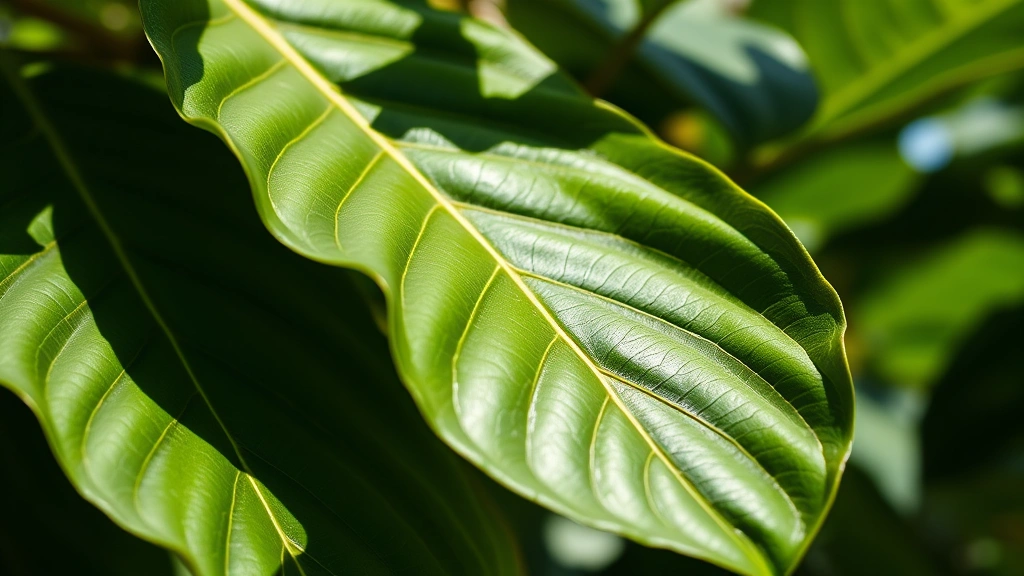
Soursop Leaves Benefits: 15 Health Expert Insights You Need to Know
Soursop leaves have been used in traditional medicine for centuries, particularly in tropical regions across Central America, South America, and the Caribbean. This remarkable plant, scientifically known as Annona muricata, offers a treasure trove of health benefits that modern science is only beginning to fully understand. While the soursop fruit itself has gained popularity in health-conscious circles, the leaves deserve equal attention for their potent therapeutic properties.
Health practitioners and nutritional experts increasingly recognize soursop leaf tea and extracts as powerful natural remedies for various ailments. From supporting immune function to promoting better sleep, these leaves contain bioactive compounds that work synergistically to enhance overall wellness. Whether you’re exploring natural health solutions or seeking to complement your existing wellness routine, understanding the science-backed benefits of soursop leaves can help you make informed decisions about your health journey.

What Are Soursop Leaves and Their Nutritional Profile
Soursop leaves are the foliage of the soursop tree, a tropical fruit-bearing plant native to Central and South America. The leaves are typically dark green, elongated, and aromatic, containing numerous phytochemicals including alkaloids, phenolic compounds, and acetogenins. These bioactive constituents are responsible for most of the health benefits attributed to soursop leaves.
The nutritional composition of soursop leaves includes essential vitamins, minerals, and antioxidants that support various bodily functions. A single serving of soursop leaf tea provides vitamin C, potassium, magnesium, and calcium, along with powerful polyphenols that combat oxidative stress. The leaves also contain unique compounds like annonaceous acetogenins, which have garnered significant attention from researchers investigating natural health solutions.
Understanding the benefits of a balanced diet and proper nutrition becomes even more relevant when exploring plant-based remedies like soursop leaves. These natural sources of nutrition can complement a healthy lifestyle and support your overall wellness goals.

15 Health Benefits of Soursop Leaves Explained
1. Powerful Antioxidant Support
Soursop leaves are rich in antioxidants that neutralize harmful free radicals in your body. These compounds help protect your cells from oxidative damage, which is implicated in aging and various chronic diseases. Regular consumption of soursop leaf tea can boost your antioxidant defense system, supporting long-term cellular health and vitality.
2. Enhanced Immune System Function
The high vitamin C content and immunomodulatory compounds in soursop leaves strengthen your immune response. These leaves contain compounds that stimulate white blood cell production and activity, helping your body defend against infections and illness more effectively. Many health practitioners recommend soursop leaf tea during cold and flu season for immune support.
3. Blood Pressure Regulation
Soursop leaves contain potassium and other minerals that support cardiovascular health and help regulate blood pressure. The leaves’ ability to promote vasodilation—the widening of blood vessels—reduces strain on your cardiovascular system. For those interested in comprehensive cardiovascular wellness, exploring how to maintain healthy blood pressure alongside natural remedies like soursop leaves can be highly beneficial.
4. Anti-Inflammatory Properties
Chronic inflammation underlies many modern diseases, and soursop leaves offer natural anti-inflammatory support. The phytochemical compounds in these leaves inhibit inflammatory pathways in your body, potentially reducing pain and discomfort associated with inflammatory conditions. This makes soursop leaf preparations particularly valuable for individuals with arthritis or other inflammatory concerns.
5. Blood Sugar Management Support
Research indicates that soursop leaves may help regulate blood glucose levels, making them potentially beneficial for individuals managing diabetes or prediabetes. The leaves contain compounds that slow carbohydrate absorption and improve insulin sensitivity. Health experts suggest consulting with your healthcare provider before using soursop leaves as part of a diabetes management plan.
6. Digestive Health Enhancement
Soursop leaves promote digestive function by stimulating digestive enzyme production and supporting healthy gut bacteria. The leaves have traditionally been used to treat various digestive complaints, including constipation, diarrhea, and indigestion. Their mild antimicrobial properties also help maintain a healthy digestive microbiome.
7. Natural Pain Relief
The analgesic properties of soursop leaves make them useful for managing various types of pain, from headaches to muscle aches. These leaves work through multiple mechanisms to reduce pain perception and inflammation simultaneously. Many individuals find soursop leaf tea provides gentle, natural relief without the side effects associated with pharmaceutical pain relievers.
8. Sleep Quality Improvement
Soursop leaves contain compounds that promote relaxation and support healthy sleep patterns. The leaves have mild sedative properties that help calm your nervous system without causing grogginess. Regular consumption of soursop leaf tea in the evening may help you achieve deeper, more restorative sleep.
9. Liver Function Support
Your liver is your body’s primary detoxification organ, and soursop leaves support its optimal function. The leaves contain hepatoprotective compounds that protect liver cells from damage and support the organ’s natural detoxification processes. This makes soursop leaves particularly valuable for individuals concerned about liver health.
10. Stress and Anxiety Reduction
The best exercises for mental health work synergistically with natural remedies like soursop leaves for comprehensive wellness. These leaves contain compounds that interact with neurotransmitter systems to promote calmness and reduce anxiety. The mild anxiolytic effects make soursop leaf tea an excellent addition to a holistic stress management routine.
11. Skin Health and Anti-Aging Benefits
The antioxidants in soursop leaves support skin health from within by protecting against UV damage and oxidative stress. Regular consumption may improve skin elasticity, reduce the appearance of fine lines, and promote a more youthful complexion. Some practitioners also recommend topical applications of soursop leaf extracts for localized skin benefits.
12. Antimicrobial and Antifungal Properties
Soursop leaves demonstrate significant antimicrobial and antifungal activity against various pathogens. These properties make the leaves useful for supporting your body’s natural defenses against bacterial and fungal infections. Health experts increasingly recognize soursop as a valuable addition to natural antimicrobial protocols.
13. Respiratory Health Support
The expectorant and bronchodilatory properties of soursop leaves make them beneficial for respiratory health. Individuals dealing with coughs, asthma, or other respiratory conditions may find relief through regular consumption of soursop leaf tea. The leaves help clear airways and reduce respiratory inflammation naturally.
14. Cancer Prevention Research Potential
While research is still ongoing, some studies suggest that soursop leaf compounds may have anticancer properties. The acetogenins found in soursop leaves show promise in laboratory studies for inhibiting cancer cell growth. However, soursop leaves should never replace conventional cancer treatment and should only be used as a complementary approach under professional supervision.
15. Metabolic Health Enhancement
Soursop leaves support healthy metabolism through multiple mechanisms, including improved insulin sensitivity and enhanced nutrient absorption. A healthy metabolism is fundamental to maintaining a healthy weight and sustained energy levels. Incorporating soursop leaves into a balanced wellness routine can support your metabolic health goals.
How to Prepare and Use Soursop Leaves
Traditional Tea Preparation
The most common method of using soursop leaves is brewing them into tea. To prepare soursop leaf tea, use 4-5 fresh or dried leaves per cup of water. Boil the water first, then add the leaves and let them steep for 5-10 minutes. Strain the mixture and consume while warm. Many health practitioners recommend drinking soursop leaf tea once or twice daily for optimal benefits.
Dried Leaf Storage and Usage
Dried soursop leaves offer convenience and longer shelf life compared to fresh leaves. Store dried leaves in an airtight container away from direct sunlight and moisture. Dried leaves are typically more concentrated than fresh ones, so use fewer leaves when brewing dried soursop leaf tea. One dried leaf is roughly equivalent to 2-3 fresh leaves in terms of potency.
Extraction and Supplement Forms
Commercial soursop leaf extracts and supplements are available in various forms, including capsules, powders, and tinctures. These products offer standardized dosing and convenience for individuals unable to access fresh or dried leaves. When choosing supplements, select products from reputable manufacturers who provide third-party testing and quality assurance.
Culinary Applications
Beyond tea, soursop leaves can be incorporated into cooking as a flavoring agent or added to soups and broths. The leaves impart a subtle, pleasant flavor while providing their health benefits. Some traditional cuisines use soursop leaves in specific dishes designed to support health and wellness.
Safety Considerations and Potential Side Effects
While soursop leaves are generally considered safe for most people, certain precautions apply. Some individuals may experience mild digestive upset, including nausea or constipation, when first consuming soursop leaf products. Starting with small amounts and gradually increasing consumption allows your body to adjust.
Pregnant and breastfeeding women should consult healthcare providers before using soursop leaves, as safety data in these populations is limited. Individuals taking medications, particularly those affecting blood sugar or blood pressure, should discuss soursop leaf use with their healthcare team to avoid potential interactions.
The neurotoxic potential of soursop compounds has been raised in some research, though this primarily concerns the fruit pulp rather than the leaves. Nevertheless, moderation is prudent, and excessive consumption should be avoided. Quality control is important—ensure you source soursop leaves from reputable suppliers to avoid contamination.
Scientific Research and Expert Recommendations
Scientific interest in soursop leaves has grown substantially over the past two decades. Research published in peer-reviewed journals demonstrates the leaves’ antioxidant, anti-inflammatory, and antimicrobial properties. However, many studies remain preliminary, conducted in laboratory or animal models rather than large-scale human trials.
Leading health institutions and researchers continue investigating soursop’s potential applications. The National Institutes of Health database contains numerous studies examining soursop compounds and their therapeutic potential. These resources provide evidence-based information for healthcare professionals and informed consumers.
Integrative medicine practitioners increasingly recommend soursop leaves as part of comprehensive wellness strategies. Organizations like the American Academy of Family Physicians acknowledge the growing body of evidence supporting traditional plant remedies when used appropriately and safely.
For those interested in building a career in health-related fields, understanding natural remedies and their scientific basis is increasingly valuable. Exploring health administration jobs or health science jobs can lead to rewarding careers where you help others optimize their wellness.
The FDA and other regulatory bodies continue monitoring natural product safety and efficacy. While soursop leaves are not FDA-approved for treating specific diseases, they remain legal dietary supplements available to consumers. Always verify that any products you purchase meet quality and safety standards.
Consulting with qualified healthcare providers—whether conventional doctors, naturopaths, or integrative medicine specialists—ensures you use soursop leaves safely and effectively. These professionals can assess your individual health status, medications, and goals to provide personalized recommendations.
Visit the WealthySphere Blog for additional articles on health, wellness, and building a healthier lifestyle. Our comprehensive resources cover nutrition, natural remedies, and evidence-based health strategies to support your wellness journey.
FAQ
How much soursop leaf tea should I drink daily?
Most health practitioners recommend consuming one to two cups of soursop leaf tea daily. However, individual needs vary based on age, health status, and specific health goals. Start with one cup daily and monitor how your body responds before increasing consumption.
Can soursop leaves cure diseases?
Soursop leaves are not a cure for any disease. They are a supportive natural remedy that may help manage symptoms and support overall health when used as part of a comprehensive wellness approach. Always work with healthcare providers for serious health conditions and never replace medical treatment with soursop leaves alone.
Are there any drug interactions with soursop leaves?
Soursop leaves may interact with certain medications, particularly those affecting blood sugar, blood pressure, or liver function. Consult your healthcare provider before using soursop leaves if you take any medications regularly.
Where can I buy quality soursop leaves?
Quality soursop leaves are available from specialty health food stores, online retailers, and international markets. Look for suppliers who provide information about sourcing, testing, and quality assurance. Dried leaves should be stored properly and purchased from reputable vendors.
Can children use soursop leaves?
While soursop leaves are generally safe, pediatric use should be discussed with your child’s healthcare provider. Dosing for children differs from adults, and individual health factors must be considered before use.
How long does it take to experience benefits from soursop leaves?
Benefits vary among individuals. Some people notice improvements in sleep or energy within days, while others may require weeks of consistent use to observe changes. Patience and consistency are important when using natural remedies.


