Table of Contents
Introduction
Your lower back is talking to you. And right now, it’s probably not saying anything nice. If you’re one of the millions dealing with that nagging ache that makes getting out of bed feel like an Olympic sport, you’re not alone. While popping pills might seem like the obvious solution, more and more people are discovering something gentler—and surprisingly effective. Yoga.
Now, before you picture yourself twisted into a pretzel, take a breath. We’re talking about simple, targeted poses that actually make sense for your aching back. The thing about lower back pain is that it’s sneaky—it can come from muscle strain, sitting hunched over your laptop all day, or sometimes just sleeping wrong. (Why do our bodies betray us like this?) That’s where yoga shines. It’s not just stretching; it’s a whole approach that combines gentle movement, strength building, and yes, even some mental relief. If you’re curious about other exercises to reduce lower back pain, that’s a great starting point. And here’s something interesting—many people find that adding mindfulness meditation to the mix helps too, especially when chronic pain starts messing with your head.
Here’s what’s really going on with most back pain: your body mechanics are off, and your core is probably weaker than it should be. Think of your core like the foundation of a house—when it’s wobbly, everything else starts to shift and compensate. That’s exactly why yoga works so well. It’s obsessed with proper alignment and building that deep, stabilizing strength you actually need. Pairing yoga with dedicated exercises to strengthen core muscles gives you a one-two punch against pain. Plus, here’s a bonus you might not expect: when you’re focused on your breath and movement during yoga, your stress levels drop. And less stress means less muscle tension. It’s all connected.
But let’s be real for a second. Yoga is amazing, but it’s not magic. Your back will thank you even more when you support your practice with smart choices off the mat. What you eat matters more than you might think—your muscles and tissues need proper fuel to heal and stay strong. That’s where understanding balanced diet benefits comes in handy. And if you’re ready to expand beyond yoga once your back starts feeling better, exploring functional fitness workouts can keep you moving in all the right directions.
What You’ll Learn in This Guide
We’re going to walk through everything you need to know about using yoga to tackle your lower back pain. Whether you’re a complete beginner or you’ve done some yoga before, there’s something here for you.
- The Fundamentals of Lower Back Pain: We’ll break down what’s actually happening in your back, what triggers the pain, and why moving mindfully (instead of avoiding movement altogether) is usually your best bet.
- Beginner to Advanced Yoga Poses: Step-by-step instructions for poses that actually help, with modifications for every level. You’ll know exactly what each pose does and when to back off.
- Safe Practice Tips: How to listen to your body, use props like a pro, and spot the warning signs that mean “stop what you’re doing right now.”
- Lifestyle Enhancements: The stuff that happens when you’re not on your yoga mat but makes all the difference—better posture habits, complementary exercises, and ways to manage the stress that might be making your pain worse.
We’ll start by getting to the bottom of why your back hurts in the first place. (Spoiler alert: it’s probably not what you think.) Then we’ll move into the good stuff—specific yoga poses organized by difficulty level. Each one comes with clear instructions, modifications for when things feel too intense, and honest talk about what you can expect. Because here’s the thing: practicing safely isn’t just about avoiding injury. It’s about building confidence so you can actually stick with this long enough to feel the benefits. We’ll also cover the lifestyle stuff that amplifies everything you’re doing on the mat.
What I love about yoga is that it’s never just about the physical stuff. Sure, you’re stretching tight muscles and building strength. But you’re also learning to pay attention to your body in a whole new way, to breathe through discomfort instead of tensing up against it. As you get more comfortable with the poses, you might want to add some exercises to improve flexibility to round out your routine. The goal isn’t to become a yoga Instagram star overnight. It’s to build something sustainable that makes your daily life better.
Ready to give your back the attention it’s been asking for? Let’s explore how the right yoga poses can help you move from pain to strength, one mindful breath at a time.
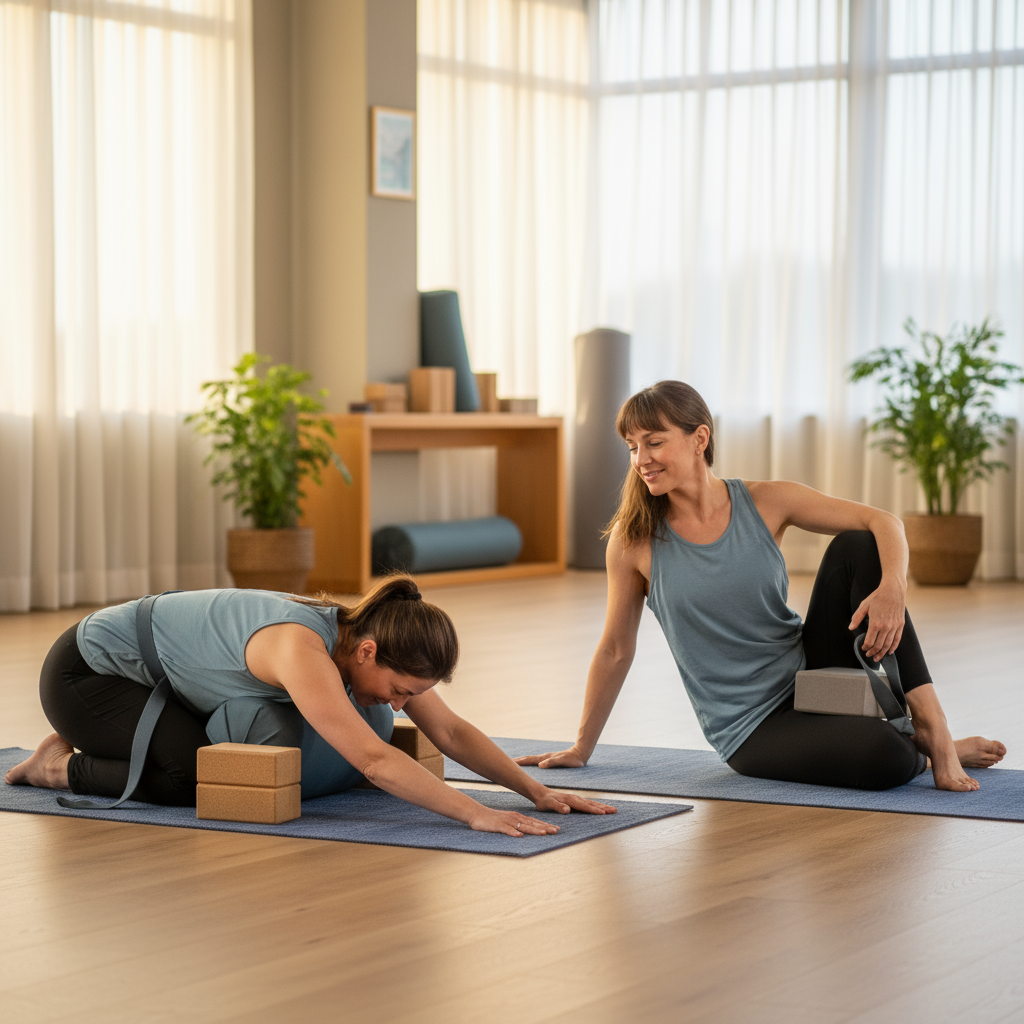
Now that we’ve covered how yoga can help with lower back pain, let’s get into the real meat of it—understanding what’s actually causing your discomfort and which specific poses can genuinely help. Here’s the thing: back pain is ridiculously common among adults these days. Whether it’s from sitting at a desk all day, slouching over our phones, old injuries that never quite healed right, or muscles that just aren’t working together like they should—something’s got to give. The good news? Carefully chosen yoga poses can work wonders. They’ll boost your flexibility, strengthen your core (which is basically your body’s natural back brace), and release all that built-up tension that’s making you miserable. What we’re going to explore next goes way beyond surface-level fixes—we’re talking about getting to the root of what’s causing your pain and finding yoga practices that actually provide real, lasting relief through smart movement and techniques that won’t leave you worse off than when you started.
Understanding Lower Back Pain and Its Causes
Lower back pain doesn’t just appear out of nowhere. There’s usually a perfect storm of factors at play—mechanical problems, lifestyle choices that seemed harmless at the time, and sometimes just plain bad luck. We’re talking muscle strains from that weekend you decided to move furniture without help, poor posture from years of computer work, sitting for hours on end (sound familiar?), and underlying conditions like arthritis or disc issues that can sneak up on you. Getting a handle on why your back hurts isn’t just academic curiosity—it’s the key to actually fixing it. That’s where strengthening the muscles that support your spine becomes crucial, along with fixing those postural habits that got you into trouble in the first place. If you’re just starting to think about core strength, check out these exercises to strengthen core muscles—they’ll give you a solid foundation for understanding how targeted movements can support your spine and actually reduce pain. Once you know what’s going wrong, you can start making smarter choices about which yoga poses will help instead of hurt.
But here’s something most people don’t realize: stress and mental health play a huge role in making back pain worse. Chronic stress is like pouring gasoline on a fire when it comes to muscle tension and inflammation. Your body literally holds onto that stress, and guess where it likes to camp out? Yep, your lower back. Understanding the effects of stress on the body gives you the full picture of what you’re dealing with. It’s not just about stretching and strengthening—you need to address the mental side too. That’s where yoga really shines, bringing together stress relief techniques like mindfulness and breathing exercises with the physical movements. When you tackle both the physical and mental aspects, you’re not just masking the pain—you’re actually creating lasting change that makes future flare-ups way less likely.
Key Aspects of Lower Back Pain Causes
Let’s break down the main culprits behind lower back pain, because each one needs its own game plan:
- Muscle Weakness and Imbalance: When the muscles around your spine are weak or working against each other instead of together, your back has to work overtime just to keep you upright. Every little movement becomes a strain. The solution? Targeted yoga poses that restore balance and give those muscles the strength they need to actually support you.
- Poor Posture and Sedentary Habits: Hours of sitting or slouching puts crazy amounts of stress on your spine—way more than it was designed to handle. The fix isn’t just about being aware of your posture (though that helps), it’s about actively correcting it through yoga and making better choices throughout your day.
- Stress-Induced Muscle Tension: When you’re stressed, your muscles tense up—especially in your lower back. It becomes this vicious cycle where pain creates stress, which creates more tension, which creates more pain. Yoga breaks that cycle by addressing both the physical tension and the underlying stress.
- Underlying Medical Conditions: Sometimes there’s more going on—herniated discs, arthritis, spinal stenosis. These conditions don’t mean you can’t do yoga, but they do mean you need to be smarter about it. The right modifications and professional guidance can make all the difference between helping and hurting.
When you understand how all these pieces fit together, you can make informed choices about your yoga practice and daily habits. You’re not just throwing poses at the problem and hoping something sticks—you’re approaching it strategically, setting yourself up for real recovery and a better quality of life going forward.
Effective Yoga Poses and Safe Practice for Lower Back Pain Relief
Yoga is pretty amazing when it comes to lower back pain—it’s like having a Swiss Army knife for your spine. You get gentle stretching, strengthening, and better alignment awareness all rolled into one practice. But here’s the catch: not all poses are created equal, and what works for your neighbor might not work for you. If you’re just starting out, poses like Cat-Cow and Child’s Pose are your best friends. They gently get your spine moving and release tension without asking too much of your body—perfect for those days when everything feels tight and achy. Ready for something more challenging? Bridge and Downward Dog are fantastic for building strength in all the right places while improving flexibility. For the advanced practitioners out there, poses like Locust and Half Pigeon can provide deep relief and balance, but they’re not something to rush into—proper guidance is non-negotiable here.
Now, let’s talk safety, because this is where a lot of people go wrong. Your body is the best teacher you’ll ever have, so listen to it. Sharp pain? Stop. Uncomfortable pressure? Back off. Using props like blocks and straps isn’t cheating—it’s smart. They help you maintain proper alignment and work within your current abilities rather than forcing your body into positions it’s not ready for. Good alignment isn’t just about looking pretty in poses; it’s about protecting your back while you’re trying to heal it. For a deep dive into specific poses that can help, take a look at this guide to effective yoga poses for back pain relief—it’s got everything you need to build a safe, effective practice.
Key Aspects of Yoga Practice for Lower Back Pain
Want to make sure your yoga practice actually helps instead of hurts? Keep these essentials in mind:
- Start with Gentle, Gradual Movements: Think of poses like Cat-Cow as your warm-up act—they get the blood flowing and reduce stiffness without shocking your system. Your back will thank you for easing into things.
- Use Supportive Props: Blocks, straps, cushions—they’re not training wheels, they’re tools that help you practice safely and effectively. They adapt poses to meet you where you are, not where you think you should be.
- Maintain Proper Alignment: Keep your spine happy by focusing on good alignment and engaging your core. It’s like having an internal support system that protects your back while you stretch and strengthen.
- Avoid Pain-Inducing Movements: If a pose causes sharp pain or makes things worse, don’t do it. Period. Deep twisting and extreme bending can wait until you’re stronger and more flexible. When in doubt, talk to a healthcare professional before pushing into advanced territory.

If you’ve been dealing with lower back pain, you’re definitely not alone. The culprits? Usually muscle imbalances, slouching at your desk all day, stress that literally ties you in knots, and sometimes deeper medical issues. Here’s what we’ve learned: when you understand what’s actually causing your discomfort, you can tackle it head-on instead of just popping another pain reliever. Yoga becomes your secret weapon—not just for building up those spine-supporting muscles, but for improving how you move, stand, and even think. Those gentle stretches and targeted poses? They team up to melt away tension, fire up your core, and teach you to move with intention. Plus, here’s the bonus: less stress through yoga means breaking that nasty cycle where pain creates tension, which creates more pain.
Now, let’s talk about doing yoga the right way—especially when your back is already giving you grief. Props are your friends. Modifications aren’t cheating. And that little voice telling you when something doesn’t feel right? Listen to it. Start slow, build gradually, and let your back adapt at its own pace. But here’s the thing—yoga alone won’t fix everything. You need backup: better posture habits, some targeted core work, and stress management that actually works. When you add mindfulness meditation to the mix, you’re not just helping your back; you’re upgrading your entire system.
Ready to get started? Begin with gentle poses designed specifically for cranky backs. Our guide to effective yoga poses for back pain relief breaks everything down with clear instructions and smart modifications. At the same time, try some focused exercises to relieve back pain—they’ll get your blood flowing and loosen up that stiffness. Don’t forget your core (it’s basically your spine’s best friend). Check out our practical exercises to strengthen core muscles for routines that actually work. And if you want the full package? Dive into the benefits of mindfulness meditation to master the stress-busting, mind-calming side of healing.
Here’s the real talk: this isn’t a magic bullet situation. Yoga is more like building a friendship with your body—it takes time, patience, and showing up consistently. Your back didn’t get cranky overnight, and it won’t get better overnight either. If your pain goes beyond normal muscle fatigue or suddenly gets worse, don’t tough it out—get professional help. Your body has been carrying you around for years; it deserves some expert attention when needed. Trust the process, celebrate small wins, and remember that taking care of both your physical and mental health isn’t just about fixing pain—it’s about creating a life where you feel strong, flexible, and genuinely good in your own skin.
Frequently Asked Questions
-
Can yoga cure lower back pain?
- Yoga helps relieve pain by strengthening muscles and improving flexibility, but it may not cure underlying causes. Consult a healthcare provider for persistent issues.
-
How often should I do yoga for back pain?
- Consistency is key. Practicing yoga several times a week allows gradual improvement in strength and flexibility.
-
Are there any yoga poses to avoid with lower back pain?
- Yes, avoid deep twists and poses that cause sharp pain or discomfort to prevent worsening symptoms.
-
Should I consult a doctor before starting yoga?
- It’s advisable, especially for chronic or severe pain, to ensure your yoga practice is safe and tailored to your needs.