Tongue Health Chart: Expert Analysis Guide to Understanding Oral Health Indicators
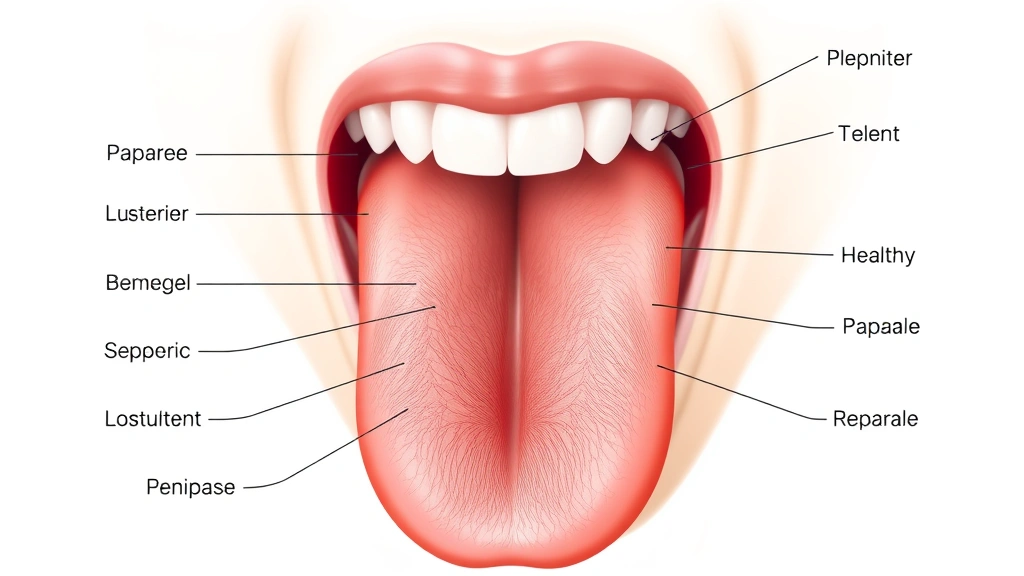
Your tongue is far more than just a tool for tasting and speaking—it’s a window into your overall health. Medical professionals have long recognized that the tongue can reveal significant information about your physical well-being, nutritional status, and potential underlying health conditions. A comprehensive tongue health chart serves as a diagnostic reference that helps both healthcare providers and informed individuals identify abnormalities that warrant medical attention. Understanding what a healthy tongue should look like and recognizing warning signs can empower you to take proactive steps toward better health outcomes.
The concept of tongue diagnosis isn’t new; traditional medicine systems have utilized tongue analysis for thousands of years. Modern medicine has validated many of these observations through clinical research and standardized diagnostic protocols. By learning to interpret a tongue health chart, you gain valuable insights into conditions ranging from nutritional deficiencies to serious systemic diseases. This guide will walk you through the essential elements of tongue health assessment, helping you understand what different tongue appearances mean and when you should seek professional medical advice.
What Is a Tongue Health Chart and Why It Matters
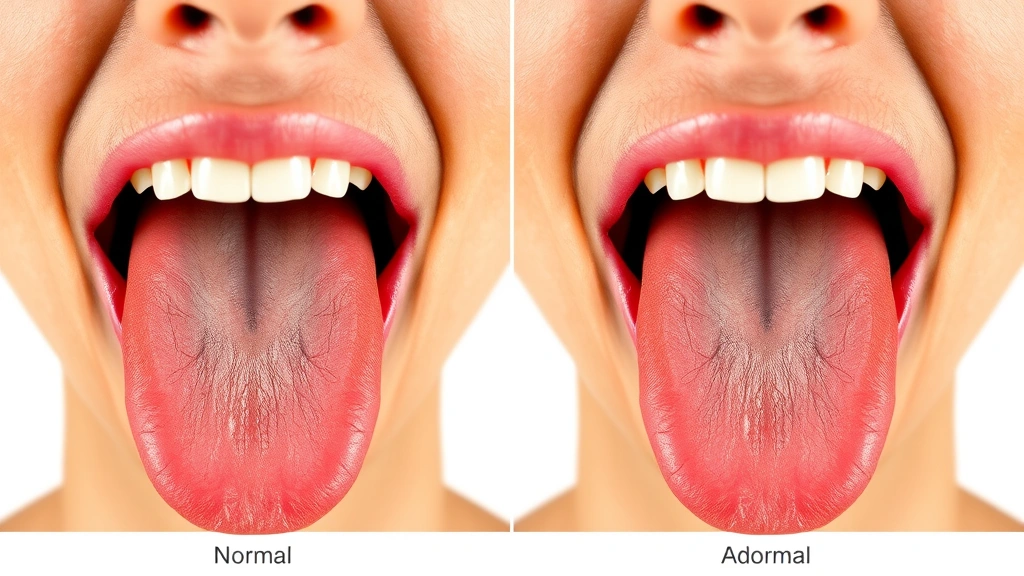
A tongue health chart is a visual diagnostic tool that outlines the various characteristics of a healthy tongue and contrasts them with abnormal presentations. These charts typically include color variations, texture patterns, coating types, and structural changes that medical professionals use to identify potential health issues. The importance of understanding these charts extends beyond curiosity—it can literally save lives by catching early warning signs of serious conditions.
The tongue contains numerous blood vessels and nerve endings, making it highly sensitive to systemic changes in your body. When something goes wrong internally, the tongue often shows physical manifestations before other symptoms appear. This makes tongue assessment a valuable component of medical examinations. Healthcare providers, including dentists and physicians, routinely examine the tongue as part of standard physical assessments. By familiarizing yourself with tongue health indicators, you can contribute meaningfully to your own healthcare by reporting observations to your doctor and maintaining better oral hygiene practices.
Understanding your tongue health also connects to broader wellness considerations. When you’re interested in improving your overall health, it’s worth exploring how to maintain a balanced diet, as nutritional status directly impacts tongue appearance. Additionally, those pursuing health science careers should develop expertise in recognizing these diagnostic indicators.
Normal Tongue Characteristics and Baseline Health
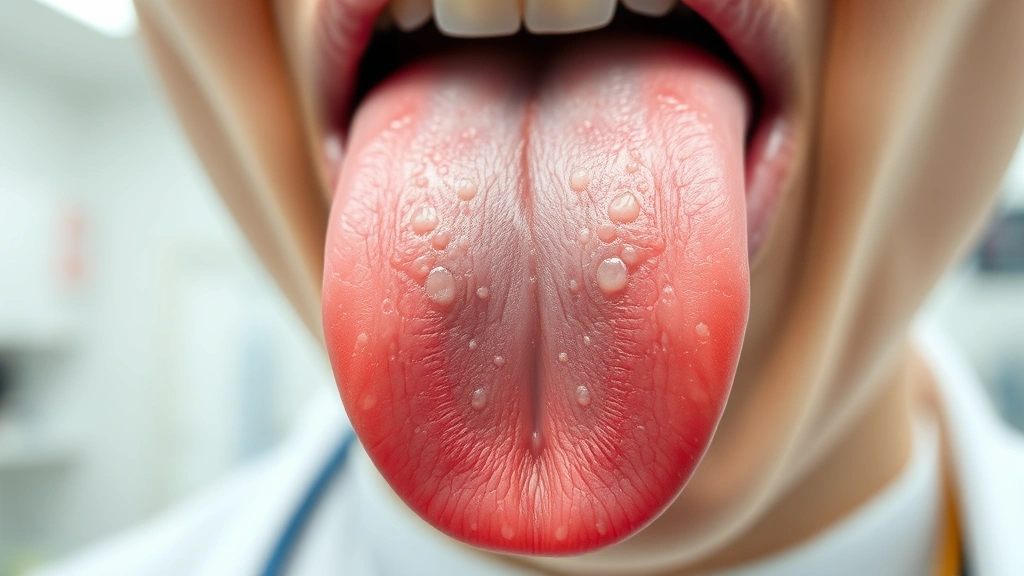
Before you can identify abnormalities, you need to understand what a healthy tongue looks like. A normal, healthy tongue typically exhibits several consistent characteristics that serve as your baseline for comparison. The color should be a light pink, with perhaps slightly darker pink areas toward the edges and tip. The surface should appear relatively smooth, though it naturally contains small bumps called papillae that help with taste and texture sensation.
A healthy tongue should be moist but not excessively wet or dry. It should move freely in all directions without pain or restriction. The size should be proportionate to your mouth, fitting comfortably without touching your teeth or the roof of your mouth when at rest. Most importantly, a healthy tongue should be free from sores, ulcers, or unusual growths. The tongue’s dorsal surface (top) may have a thin white coating, which is normal and typically washes away easily with brushing.
The ventral surface (underside) of a healthy tongue should be smooth and might display more prominent veins, which is completely normal. These veins can become more visible with age or when you’re dehydrated. Understanding these baseline characteristics allows you to distinguish between normal variations and actual health concerns. Many people worry unnecessarily about minor tongue changes that fall within the normal range, while others miss genuine warning signs because they don’t know what to look for.
Common Tongue Abnormalities and Their Meanings
When your tongue deviates from the normal baseline, it often signals an underlying health issue that deserves attention. One of the most common abnormalities is glossitis, which involves inflammation of the tongue, causing it to become swollen and smooth. This can result from nutritional deficiencies, infections, or allergic reactions. Another frequent presentation is geographic tongue, characterized by irregular patches that resemble a map’s terrain—while usually harmless, it can sometimes indicate underlying systemic conditions.
Oral thrush appears as white patches that don’t wipe away easily, indicating a fungal infection often associated with weakened immunity or antibiotic use. Black hairy tongue occurs when papillae elongate and stain from bacteria or fungi, typically triggered by poor oral hygiene or antibiotic use. Fissured tongue features deep grooves and cracks, which can be congenital or develop from dehydration and poor nutrition.
Tongue ulcers or sores can indicate minor irritation from food or dental work, but persistent ulcers lasting more than two weeks may signal infection, nutritional deficiency, or more serious conditions. Macroglossia, or enlarged tongue, can result from amyloidosis, hypothyroidism, or lymphedema. Understanding these conditions helps you determine when home care suffices and when professional evaluation becomes necessary.
Color Changes: What Different Hues Indicate
The tongue’s color serves as one of the most informative indicators in a tongue health chart. While light pink represents the ideal, various color changes carry specific meanings that warrant investigation. A pale or whitish tongue often indicates anemia, poor circulation, or oral candidiasis (thrush). It can also suggest nutritional deficiencies, particularly vitamin B12 or iron deficiency. If your tongue appears unusually pale, blood work from your healthcare provider can identify the underlying cause.
A red tongue might seem alarming, but it can result from something as simple as spicy food irritation. However, a persistently red tongue may indicate scarlet fever, nutritional deficiency (especially B vitamins), or inflammatory conditions. A bright red strawberry-like appearance specifically suggests scarlet fever or Kawasaki disease and requires immediate medical attention. A yellow or yellowish coating often points to oral thrush or poor oral hygiene, though it can also indicate liver problems or heavy smoking.
A blue or purplish tongue represents a medical emergency, as it typically indicates poor oxygenation and inadequate blood circulation. This requires immediate emergency care. A dark red or burgundy tongue can suggest heat buildup in traditional medicine terms but may indicate fever, infection, or inflammatory conditions in modern medicine. A black or very dark tongue might result from black hairy tongue, heavy metal poisoning, or certain medications. Understanding these color variations helps you communicate effectively with healthcare providers and recognize when urgent attention is necessary.
Texture and Coating Variations Explained
Beyond color, the texture of your tongue provides crucial diagnostic information. A healthy tongue should feel relatively smooth despite the presence of papillae. When texture changes occur, they often indicate specific health conditions. A smooth tongue lacking papillae suggests nutritional deficiency, particularly of B vitamins, iron, or folic acid. This condition, called atrophic glossitis, requires dietary assessment and possibly supplementation.
A bumpy or enlarged papillae appearance might indicate irritation from spicy foods, hot beverages, or poor oral hygiene. However, persistent bumps could signal oral lichen planus, oral thrush, or other infections. A thick white coating that doesn’t easily wipe away typically indicates oral candidiasis, particularly common in immunocompromised individuals or those taking certain antibiotics. A thin white coating that easily wipes away is generally normal, especially upon waking.
A furry or hairy appearance results from elongated papillae that trap bacteria and dead cells, usually caused by poor oral hygiene, tobacco use, or certain medications. A cracked or fissured texture can result from dehydration, nutritional deficiency, or be a natural variation. Deep fissures occasionally trap food debris and bacteria, potentially leading to infection. Understanding these texture variations helps you determine whether your tongue appearance reflects normal variation or requires intervention.
Tongue Size and Shape Abnormalities
The size and shape of your tongue provide additional diagnostic clues. A swollen or enlarged tongue (macroglossia) can result from various causes including allergic reactions, infections, amyloidosis, hypothyroidism, or genetic conditions. Swelling that develops suddenly warrants immediate medical attention, as it could indicate a serious allergic reaction or infection threatening your airway. Gradual swelling allows more time for investigation but still requires professional evaluation.
A tongue that appears to one side or shows asymmetrical swelling might indicate nerve damage, stroke, or localized infection. Asymmetry developing suddenly could represent a medical emergency. A tongue with indentations from teeth often indicates swelling or habitually pressing the tongue against the teeth, sometimes associated with stress or sleep apnea. A forked or cleft tongue is usually a benign variation present from birth but should be evaluated to rule out associated conditions.
A tongue that appears to be retracted or pulled back might indicate muscle tension, medication side effects, or neurological issues. The position of the tongue also matters—a tongue that naturally protrudes or rests outside the mouth might indicate macroglossia, mouth breathing habits, or neurological conditions. These structural variations often require professional assessment to determine significance and appropriate management.
When to Consult a Healthcare Professional
While many tongue variations are harmless, certain presentations absolutely warrant professional evaluation. You should contact your healthcare provider immediately if you experience sudden tongue swelling, particularly if accompanied by difficulty breathing or swallowing, as this could indicate a life-threatening allergic reaction. Seek urgent care for blue or purple tongue color, which suggests inadequate oxygenation, or sudden inability to move your tongue, which might indicate stroke.
Schedule a prompt appointment for ulcers or sores lasting more than two weeks, as these could indicate infection or malignancy. Persistent pain without obvious cause deserves professional investigation, as does unexplained tongue swelling lasting more than a few days. A tongue that appears very pale alongside fatigue or weakness might indicate anemia requiring blood work. Difficulty swallowing or speaking that develops suddenly or worsens progressively needs evaluation.
Additionally, consult your doctor about persistent white patches that don’t wipe away, red patches that don’t improve, or unusual growths or bumps. If you’re considering health and wellness jobs or work in healthcare, understanding when to escalate tongue concerns becomes professionally important. Regular dental checkups provide excellent opportunities for professionals to assess your tongue, as dentists are trained in oral pathology and can identify concerning changes early.
Maintaining Optimal Tongue Health
Proactive tongue health maintenance prevents many common problems and contributes to overall wellness. Daily tongue cleaning is fundamental—use a soft toothbrush or dedicated tongue scraper to gently clean the surface, removing bacteria, dead cells, and food debris. This simple practice prevents black hairy tongue and reduces infection risk. Clean your tongue at least once daily, preferably twice, as part of your oral hygiene routine.
Stay adequately hydrated, as dehydration causes tongue dryness and can exacerbate various conditions. Aim for sufficient water intake throughout the day, adjusting for activity level and climate. Maintain excellent nutrition, ensuring adequate intake of B vitamins, iron, and folic acid, which directly impact tongue health. If you’re learning how to maintain a balanced diet, you’re simultaneously investing in tongue health.
Avoid irritants including tobacco products, excessive alcohol, and very hot foods or beverages. These irritate tongue tissue and increase disease risk. Practice good oral hygiene with regular brushing and flossing to prevent infections that manifest on the tongue. Regular dental checkups every six months allow professionals to monitor tongue health and catch problems early. Manage stress, as stress-related habits like tongue biting or clenching can damage tissue.
Limit spicy foods if you have a sensitive tongue, and avoid mouth irritants like sharp foods or ill-fitting dental work. Monitor medication side effects, as some drugs cause dry mouth or oral thrush—discuss concerns with your healthcare provider. Address underlying health conditions promptly, as many systemic diseases manifest in tongue changes. If you’re interested in the benefits of regular physical activity, you’re also supporting overall health, which includes tongue health.
For those in mental health jobs near me or other healthcare roles, understanding tongue health becomes part of comprehensive patient assessment. Return to the WealthySphere Blog for additional health and wellness insights that support your professional development and personal wellbeing.
FAQ
What does a healthy tongue look like?
A healthy tongue appears light pink with a slightly darker tone at the edges and tip. It should have small papillae (bumps) across the surface, feel moist but not excessively wet, and move freely without pain. The surface may have a thin white coating that wipes away easily, and the underside should show visible veins, which is completely normal.
What does a white tongue indicate?
A white tongue can indicate several conditions. A thin white coating that easily wipes away is usually normal. A thick white coating that doesn’t wipe away typically suggests oral thrush (fungal infection). Pale whiteness might indicate anemia or poor circulation. Persistent white patches warrant professional evaluation to rule out serious conditions.
Is a fissured tongue dangerous?
A fissured tongue with deep grooves is usually harmless and often present from birth. However, deep fissures can occasionally trap food and bacteria, leading to infection or irritation. Maintain good oral hygiene and watch for signs of infection. If you develop pain or notice changes, consult your healthcare provider.
What causes tongue swelling?
Tongue swelling can result from allergic reactions, infections, nutritional deficiencies, hypothyroidism, amyloidosis, or genetic conditions. Sudden swelling warrants immediate medical attention, especially if accompanied by difficulty breathing or swallowing. Gradual swelling requires professional evaluation to identify the underlying cause.
How can I improve my tongue health?
Improve tongue health through daily cleaning with a soft toothbrush or tongue scraper, staying hydrated, maintaining proper nutrition with adequate B vitamins and iron, avoiding tobacco and excessive alcohol, practicing good oral hygiene, managing stress, and attending regular dental checkups. Address underlying health conditions promptly.
When should I see a doctor about my tongue?
Seek immediate care for sudden swelling, blue or purple color, or difficulty swallowing. Schedule a prompt appointment for ulcers lasting over two weeks, persistent pain, unexplained swelling, very pale appearance with fatigue, or unusual growths. Regular dental visits provide excellent opportunities for professional tongue assessment.
Can tongue appearance indicate systemic disease?
Yes, tongue appearance often reflects systemic health conditions. Nutritional deficiencies, infections, liver disease, cardiovascular problems, and metabolic disorders frequently manifest in tongue changes. This is why healthcare providers routinely examine the tongue during physical examinations—it provides valuable diagnostic information about overall health.
What is geographic tongue?
Geographic tongue features irregular patches resembling a map’s terrain on the tongue surface. While usually harmless and often a benign variation, it can occasionally indicate underlying systemic conditions. The condition is typically painless but may cause sensitivity to certain foods or irritants. Have persistent cases evaluated professionally.


