Table of Contents
Introduction
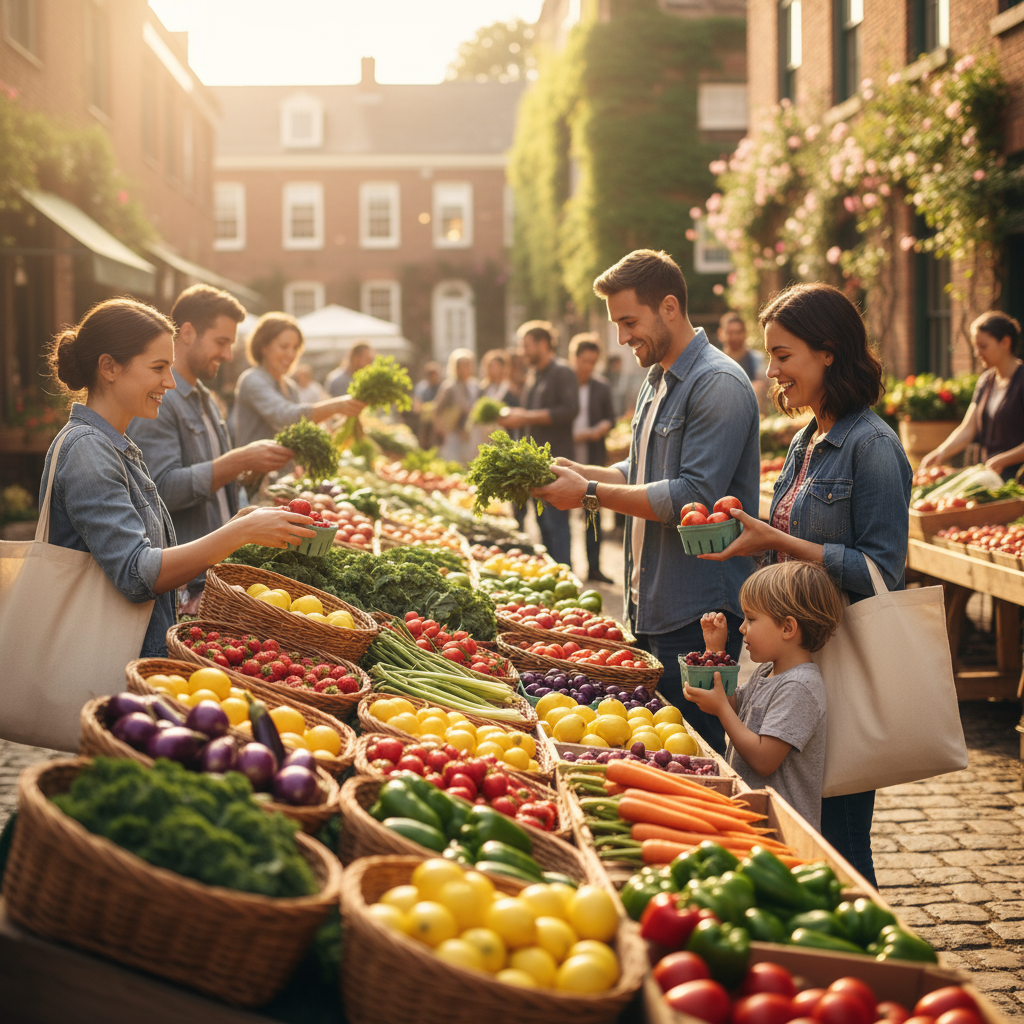
Walk into any grocery store these days, and you’ll notice something: organic foods are everywhere. From the produce section to the pantry aisles, those little green “USDA Organic” labels seem to be multiplying. But here’s the million-dollar question—are they actually worth the extra cost? And what’s all the fuss really about?
The truth is, more people are choosing organic for reasons that go way beyond just following a trend. Sure, nobody wants to bite into an apple that’s been doused in synthetic pesticides. But the story runs deeper than that. When you choose organic, you’re essentially voting with your wallet for farming practices that skip the synthetic chemicals, GMOs, and artificial fertilizers that have become standard in conventional agriculture. The result? Foods that many believe offer a cleaner, more nutritious option for your family. Research suggests organic foods often pack higher levels of antioxidants and essential nutrients—which is why exploring foods rich in antioxidants can help you understand the nutritional edge many organic choices provide.
Now, let’s talk about something bigger than just what’s on your plate. Organic farming isn’t just about avoiding chemicals—it’s about working with nature instead of against it. These farmers focus on building healthy soil, protecting biodiversity, and reducing pollution through natural methods like crop rotation and organic fertilizers. Pretty cool, right? When you think about climate change and water conservation, organic agriculture emerges as a key player in creating food systems that can actually sustain our planet long-term. It’s fascinating how personal health choices connect to global environmental benefits. Speaking of health connections, understanding concepts like improving blood circulation through healthy living shows how our lifestyle choices ripple outward in unexpected ways.
Here’s something that might surprise you: many parents swear by organic foods for reducing allergy risks and food sensitivities in their kids. Makes sense when you think about it—fewer synthetic pesticides and additives could mean fewer triggers for sensitive individuals. But the benefits don’t stop there. When you buy organic, you’re often supporting local farmers and communities that prioritize both health and sustainability. These farms create jobs, keep family farming alive, and encourage business practices that actually care about environmental responsibility. It’s like a ripple effect of good choices. And if you’re looking at the bigger picture of healthy living, learning how to maintain healthy blood pressure alongside understanding organic foods can create a powerful foundation for overall wellness.
What You’ll Learn in This Guide
Ready to get the full story on organic foods? Whether you’re a complete beginner or someone who’s been buying organic for years, we’re going to cover everything you need to know.
- Health Benefits: We’ll explore how organic foods can boost your nutrition, reduce your exposure to harmful chemicals, and potentially help with allergies. Plus, we’ll look at what the science actually says about these claims.
- Environmental Advantages: You’ll discover the sustainable farming practices that make organic agriculture so much better for our planet—from healthier soil to cleaner water and thriving biodiversity.
- Economic and Social Impacts: Find out how your organic purchases support local farmers and communities while driving market trends toward more sustainable practices.
- Practical Incorporation: Get real-world tips for shopping smart, planning meals, and making organic foods work within your budget and lifestyle.
As we dig deeper into this topic, you’ll get insights from nutrition science, environmental studies, and real consumer experiences. By the end, you’ll have the knowledge to make confident decisions about what’s right for your health and lifestyle.
Want to maximize your nutrition game? Understanding the benefits of a balanced diet alongside organic eating can really amplify your health strategy. We’ll give you clear explanations and practical advice that’ll make transitioning to organic foods feel natural and achievable.
Here’s what I love about the organic movement: it’s not just about food choices. It’s about embracing a lifestyle that values health, environmental stewardship, and social responsibility all at once. Ready to discover why organic might just be the game-changer you’ve been looking for? Let’s dive in.
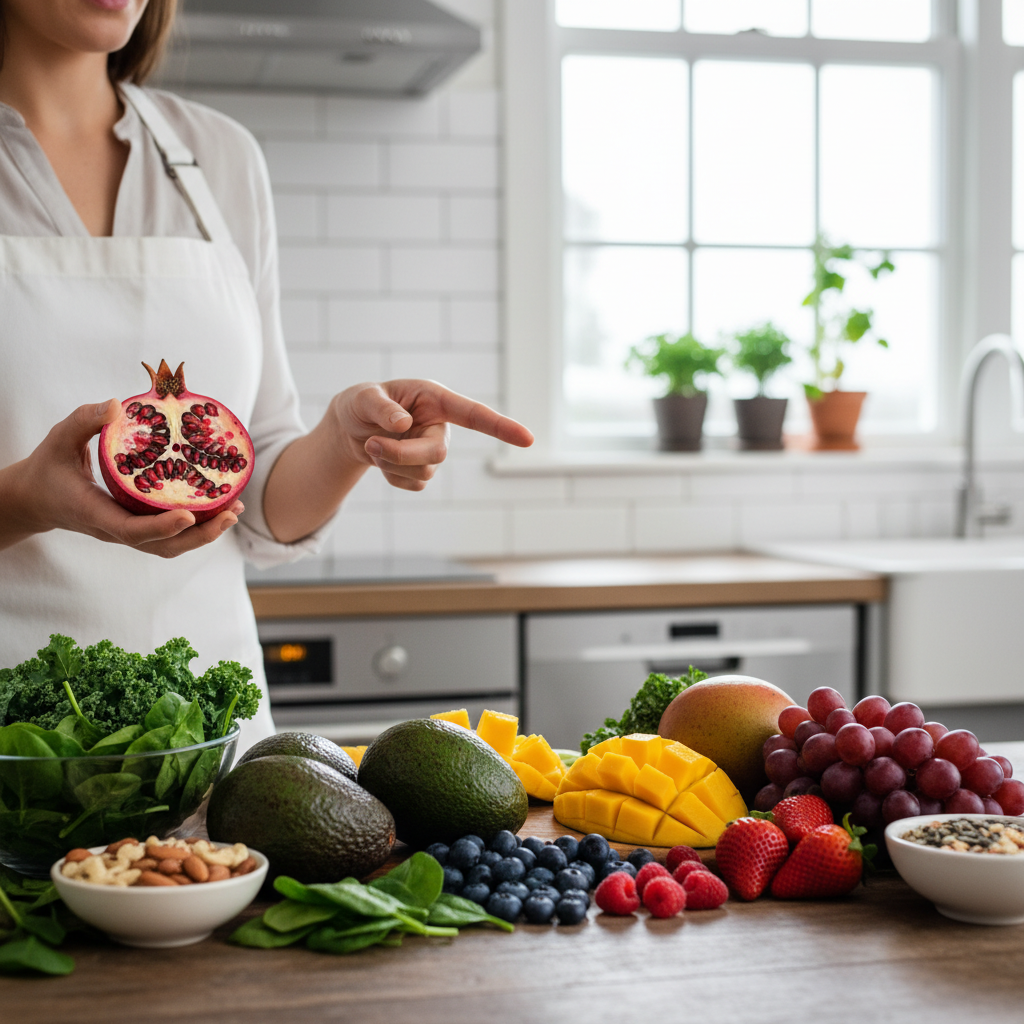
You’ve probably noticed organic foods everywhere these days—from your local grocery store to that trendy café down the street. But here’s the thing: this isn’t just another health fad. Organic foods offer real, measurable benefits that go way beyond the marketing hype. We’re talking about genuine advantages for your health and our planet’s future. Understanding what makes organic foods special can help you make smarter choices about what you put on your plate. And honestly? Once you see the bigger picture of how food production impacts everything from your immune system to local ecosystems, those choices become a lot clearer.
Health Benefits of Organic Foods
Let’s start with what organic foods can do for your body. The biggest difference? No synthetic pesticides or fertilizers. That means fewer chemical residues making their way into your system—and that’s a win right there. But it gets better. Studies show that organic produce often packs more nutrients, antioxidants, and vitamins than conventional options. Think of it as getting more bang for your nutritional buck. These extra nutrients can boost your immune system, fight inflammation, and just make you feel better overall. If you’re curious about how maintaining a balanced diet influences your health, organic foods can be a game-changer in creating that nutrient-rich eating pattern your body craves.
Here’s something else worth considering: organic foods skip the chemical additives and preservatives that can trigger food sensitivities. Ever wonder why some people feel better when they go organic? This could be why. Plus, you won’t find any GMOs in certified organic products, which matters to people who prefer their food as nature intended. Want to take your health game up another notch? Try pairing organic choices with herbal teas and other immune-supporting foods. And if you’re looking to fine-tune your overall nutrition, check out these guides on maintaining a balanced diet and watch for signs of vitamin D deficiency—because the little details matter when it comes to feeling your best.
Key Aspects of Health Benefits
Let’s break down exactly how organic foods can improve your health:
- Enhanced Nutritional Profile: Organic fruits and vegetables typically contain higher levels of antioxidants and vitamins that fight oxidative stress and support your cells. Translation? Better immune function and lower risk of chronic diseases.
- Lower Chemical Exposure: By avoiding synthetic pesticides and fertilizers, you’re reducing your intake of potentially harmful chemicals that could mess with your hormones and nervous system over time.
- Fewer Allergies and Food Sensitivities: Many people notice fewer allergic reactions and digestive issues with organic foods—likely because there are no artificial additives or preservatives to trigger problems.
- Supports Balanced Diet Principles: Organic foods fit perfectly with a whole-food approach that emphasizes minimally processed options. This foundation is key for sustained energy and long-term health.
The beauty is how these foods work with other healthy habits—regular exercise, stress management, you know the drill. It’s all connected, and this holistic approach can seriously impact your long-term wellbeing. Now that we’ve covered what organic foods do for you, let’s talk about what they do for the planet.
Environmental Benefits of Organic Foods
Here’s where things get really interesting. Organic farming isn’t just about avoiding chemicals—it’s about working with nature instead of against it. These natural farming methods support biodiversity, keep soil healthy, and prevent harmful chemicals from running off into our water systems. The benefits ripple out to air quality, water quality, and entire ecosystems. Want to dive deeper into this? Resources on sustainable agriculture techniques and reducing greenhouse gas emissions show how these approaches work together to create a cleaner, healthier planet for everyone.
But wait, there’s more. (I know, I know—but this stuff is actually fascinating.) Organic farming uses crop rotation, natural fertilizers, and smart pest management that prevent water pollution and soil erosion. No synthetic chemicals means no nasty runoff poisoning our rivers and lakes. If you’re interested in being part of the solution, you might want to explore ways to reduce water pollution and lower your carbon footprint in your daily life. These efforts align perfectly with what organic farming stands for.
Key Aspects of Environmental Benefits
Here’s why choosing organic foods is actually an environmental win:
- Sustainable Farming Practices: Organic farming relies on crop rotation, natural soil enrichment, and biological pest control. This keeps soil healthy and reduces dependence on harmful chemicals—smart farming at its finest.
- Conservation of Biodiversity: By skipping synthetic pesticides and encouraging crop variety, organic farms become havens for pollinators, beneficial insects, and wildlife. Healthy ecosystems need this diversity to thrive.
- Reduced Pollution and Chemical Runoff: No synthetic fertilizers or pesticides means cleaner water. Less harmful runoff equals healthier aquatic life and better water quality for everyone.
- Lower Carbon Footprint: Organic agriculture typically uses fewer energy-intensive chemicals, which helps reduce greenhouse gas emissions and fight climate change. Every bit counts.

Here’s what happens when you choose organic foods: your body gets a real boost. We’re talking higher levels of essential nutrients and antioxidants—the good stuff that actually strengthens your immune system and helps fight off chronic diseases. But there’s more to it than just nutrition. When you go organic, you’re also saying no to synthetic pesticides, fertilizers, and those questionable additives lurking in conventional foods. Less chemical exposure means fewer allergic reactions and food sensitivities. Your body will thank you for it. It’s not just about getting nourishment—it’s about knowing that what you’re eating is actually working for your health, not against it.
Now let’s talk about what this means for our planet. Organic farming works with nature instead of fighting it. Think crop rotation, natural fertilizers, soil that stays healthy season after season. The result? Biodiversity thrives, water systems stay cleaner (no nasty chemical runoff), and the carbon footprint shrinks compared to conventional farming. Every organic purchase you make supports farmers who are doing things the right way—often smaller, family-owned operations that care about their communities and the land they work. It’s a ripple effect that goes way beyond your dinner plate.
Ready to make the switch? It’s easier than you think. Start by getting the basics down—learning how to maintain a balanced diet that emphasizes nutrient-rich choices will set you up for success. Understanding the principles of a balanced diet helps you weave organic options into meals that actually satisfy your nutritional needs. Want to level up even more? Try adding the benefits of herbal teas to support your immune system and digestion alongside your organic choices. And if you’re curious about boosting your brainpower, check out foods that improve brain function—they pair perfectly with an organic lifestyle for better mental clarity and focus. For those who want to dig deeper into the bigger picture, exploring sustainable agriculture techniques will show you exactly how your food choices can make a real difference in environmental stewardship.
Going organic isn’t just about changing what’s on your plate. It’s about choosing a lifestyle that puts your health first and gives the planet a fighting chance. You now have the knowledge to make smart, intentional choices that benefit both you and the environment. Every organic apple, every pesticide-free salad, every conscious decision adds up. Start small, start today—and watch how these simple changes can transform not just how you feel, but how you impact the world around you.
Frequently Asked Questions
-
Are organic foods always healthier than conventional foods?
- Organic foods often contain fewer pesticides and more nutrients but are not always significantly healthier in every aspect.
-
Is eating organic more expensive?
- Organic foods can be more costly due to production methods, but budgeting and seasonal buying can help manage costs.
-
Do organic foods have fewer pesticides?
- Yes, organic foods are grown with limited synthetic pesticides, reducing exposure.
-
Can organic farming help the environment?
- Organic farming often promotes biodiversity, soil health, and less pollution.
-
How can I start eating more organic foods?
- Start by learning labels, buying seasonal produce, and gradually incorporating organic options into meals.