
Worst Foods for Prostate Health: Nutritionist Insights on Ten Dietary Culprits
Your prostate health directly impacts your quality of life, yet many men unknowingly consume foods that compromise this vital gland daily. Understanding which foods to avoid is just as important as knowing what to eat, and making informed dietary choices can significantly reduce your risk of prostate complications. This comprehensive guide reveals the ten worst foods for prostate health, backed by nutritionist expertise and scientific research.
Prostate problems affect millions of men worldwide, with diet playing a surprisingly influential role in disease prevention and management. While genetics and age cannot be changed, your dietary habits remain entirely within your control. By eliminating or reducing these problematic foods, you take a proactive step toward long-term prostate wellness and overall health optimization.
1. Red and Processed Meats: The Primary Prostate Offender
Red meat consumption consistently ranks as one of the most damaging dietary choices for prostate health. Beef, pork, and lamb contain high levels of saturated fat and cholesterol, which promote inflammation throughout the body and specifically target prostate tissue. Research from major medical institutions demonstrates that men consuming more than two servings of red meat weekly face significantly elevated prostate cancer risks.
Processed meats—including bacon, sausage, deli meats, and hot dogs—present an even greater threat. These products contain nitrates and nitrites, chemical preservatives that convert to carcinogenic compounds during digestion. The combination of processing chemicals, excessive salt, and saturated fat makes processed meats particularly harmful for prostate function. A Harvard School of Public Health study linked processed meat consumption to increased prostate disease markers in men over fifty.
Instead of eliminating protein entirely, nutritionists recommend replacing red meat with nutrient-dense alternatives that support overall wellness. Fish rich in omega-3 fatty acids, poultry, legumes, and plant-based proteins offer superior nutritional profiles without the inflammatory burden red meat imposes on your prostate.
2. High-Fat Dairy Products: Limiting Calcium’s Dark Side
While calcium supports bone health, excessive dairy consumption—particularly full-fat varieties—correlates with increased prostate cancer risk. Whole milk, full-fat cheese, and high-fat yogurts contain elevated saturated fat levels that trigger inflammation and hormonal imbalances affecting prostate tissue. The fat-soluble compounds in dairy can accumulate in prostate cells, potentially promoting abnormal growth.
Studies indicate that men consuming three or more dairy servings daily experience higher prostate-specific antigen (PSA) levels, a key marker of prostate health concerns. The problem intensifies when dairy products replace plant-based alternatives in your diet. Switching to unsweetened almond milk, oat milk, or other plant-based options eliminates saturated fat while maintaining essential nutrients.
If you enjoy dairy, low-fat or non-fat varieties present a reasonable compromise. However, nutritionists emphasize that reducing overall dairy intake remains the most effective strategy for prostate protection. Consider exploring health science careers if you’re interested in understanding nutritional biochemistry at deeper levels.
3. Refined Grains and White Bread: Blood Sugar Spikes and Prostate Stress
Refined carbohydrates—including white bread, white rice, pastries, and processed cereals—cause rapid blood sugar fluctuations that stress your entire endocrine system. These refined grains lack the fiber, vitamins, and minerals present in whole grains, forcing your body to work harder for minimal nutritional benefit. The resulting blood sugar instability triggers inflammatory responses that directly impact prostate tissue.
When refined carbohydrates spike blood glucose levels, your pancreas releases excessive insulin to compensate. This hormonal cascade promotes inflammation and may stimulate prostate cell proliferation. Over time, consistent consumption of refined grains increases insulin resistance, a metabolic condition strongly associated with prostate disease progression.
Nutritionists unanimously recommend replacing refined grains with whole grain alternatives: brown rice, quinoa, whole wheat bread, and steel-cut oats. These complex carbohydrates digest slowly, maintaining stable blood sugar and reducing inflammatory markers throughout your body. The fiber content also supports digestive health and hormone regulation, both critical for prostate wellness.
4. Sugary Beverages and Desserts: Inflammation in Every Sip
Sugary drinks—sodas, energy drinks, sweetened coffee beverages, and fruit juices—represent concentrated inflammatory agents consumed in excessive quantities by most modern diets. A single 12-ounce soda contains approximately 39 grams of sugar, triggering immediate blood sugar spikes and inflammatory cascades. Over time, habitual consumption of sugary beverages promotes obesity, metabolic dysfunction, and prostate disease.
Desserts amplify this problem through their combination of refined sugar, refined flour, and unhealthy fats. Cookies, cakes, ice cream, and candy create a perfect inflammatory storm affecting prostate health. The sugar feeds pathogenic bacteria in your gut microbiome, further intensifying systemic inflammation that reaches prostate tissue.
Research demonstrates that men limiting added sugar to less than 25 grams daily maintain healthier PSA levels and report fewer prostate-related symptoms. Replacing sugary beverages with water, herbal tea, and unsweetened alternatives immediately reduces your inflammatory burden. Natural sweeteners like stevia or small amounts of honey provide occasional indulgences without the severe metabolic disruption refined sugar causes.
5. Fried and Deep-Fried Foods: Oxidative Stress and Advanced Glycation
Fried foods—french fries, fried chicken, tempura vegetables, and fast-food items—undergo cooking processes that create harmful compounds called advanced glycation end products (AGEs). These molecules form when foods are heated to high temperatures, particularly in oil. AGEs accumulate in body tissues, promoting oxidative stress and chronic inflammation that directly damages prostate cells.
The high temperature cooking of oils also produces trans fats and oxidized lipids, compounds that trigger inflammatory responses more severe than those caused by saturated fats. Every deep-fried meal creates a temporary inflammatory spike lasting hours, and frequent consumption maintains chronic inflammation throughout your body.
Beyond the chemical damage, fried foods contribute significantly to obesity, a major risk factor for aggressive prostate cancer. The caloric density and poor nutritional profile of fried foods encourage weight gain while providing minimal vitamins, minerals, or phytonutrients that protect prostate health. Switching to baked, grilled, steamed, or raw food preparation methods eliminates these harmful compounds while preserving nutritional integrity.
6. Alcohol and Energy Drinks: Hormonal Disruption and Irritation
Alcohol consumption, particularly excessive intake, disrupts hormonal balance and promotes inflammation affecting prostate function. Beer contains phytoestrogens that mimic estrogen in your body, potentially stimulating prostate cell growth. Spirits and wine contain congeners and other compounds that irritate prostate tissue and impair normal urinary function.
Energy drinks present a compounded problem through their combination of excessive caffeine, sugar, and stimulant compounds. These beverages overstimulate your nervous system, increase urinary frequency, and irritate prostate tissue. Men consuming multiple energy drinks daily report significantly higher rates of urinary symptoms and prostate discomfort.
Alcohol also impairs liver function, reducing your body’s ability to metabolize and eliminate excess hormones. This hormonal accumulation particularly affects estrogen metabolism, creating an environment favorable for prostate disease development. Limiting alcohol to one drink daily for men—or eliminating it entirely—dramatically improves prostate health markers and urinary function.
7. Trans Fats and Hydrogenated Oils: Cellular Inflammation at the Molecular Level
Trans fats, found in margarine, vegetable shortening, and many processed baked goods, represent perhaps the most dangerous dietary fat for prostate health. These artificially modified fats integrate into cell membranes, disrupting normal cellular function and promoting chronic inflammation. A single serving of trans fats can trigger inflammatory responses lasting days.
Partially hydrogenated oils, though increasingly banned, still appear in some processed foods, particularly older products. These oils undergo a chemical process that makes liquid vegetable oils solid at room temperature, but the process creates unstable molecular structures that generate free radicals in your body. These free radicals attack healthy prostate cells, promoting oxidative stress and disease progression.
Reading nutrition labels for trans fats remains essential, as manufacturers can legally list products as “zero trans fats” if they contain less than 0.5 grams per serving. Avoiding all processed foods whenever possible eliminates trans fat exposure entirely. Replacing these harmful fats with olive oil, avocado oil, and coconut oil provides stable fats that support cellular health and reduce inflammation.
8. Sodium-Heavy Processed Foods: Water Retention and Hormonal Imbalance
Processed foods—frozen meals, canned soups, packaged snacks, and condiments—contain excessive sodium levels that promote water retention and blood pressure elevation. High sodium intake disrupts fluid balance in prostate tissue, potentially exacerbating urinary symptoms and inflammation. Additionally, sodium-heavy diets promote insulin resistance, creating metabolic conditions favorable for prostate disease.
The average American consumes 3,400 milligrams of sodium daily, more than double the recommended 1,500 milligrams. This excess sodium strains your cardiovascular system and disrupts hormonal regulation throughout your body. For prostate health specifically, high sodium intake correlates with increased urinary symptoms and elevated inflammation markers.
Preparing meals from whole foods—fresh vegetables, fruits, legumes, and unprocessed proteins—allows you to control sodium intake completely. When purchasing packaged foods, selecting low-sodium options and rinsing canned vegetables reduces sodium exposure. Flavoring foods with herbs, spices, and lemon juice eliminates the need for excessive salt while creating more interesting, nutrient-dense meals.
9. Charred and Overcooked Proteins: Carcinogenic Compound Formation
Cooking proteins at very high temperatures—particularly grilling, broiling, and pan-searing until charred—creates heterocyclic amines (HCAs) and polycyclic aromatic hydrocarbons (PAHs). These carcinogenic compounds form when amino acids react at high heat, and research specifically links HCA and PAH consumption to increased prostate cancer risk.
The darker and more charred the meat becomes, the higher the concentration of these harmful compounds. A single serving of heavily charred meat contains carcinogenic compound levels equivalent to smoking multiple cigarettes. Men who regularly consume charred meats face significantly elevated prostate cancer risk compared to those eating gentler-cooked proteins.
Nutritionists recommend cooking proteins at lower temperatures for longer periods, using methods like slow-cooking, poaching, and steaming. If grilling, marinating proteins in antioxidant-rich marinades before cooking reduces HCA formation by up to 90 percent. Adding herbs like rosemary, thyme, and oregano provides additional antioxidant protection during cooking.
10. Caffeine Overload and Stimulants: Urinary Irritation and Sleep Disruption
Excessive caffeine consumption—from coffee, tea, energy drinks, and sodas—irritates bladder and prostate tissue, worsening urinary symptoms in men with prostate concerns. Caffeine acts as a diuretic, increasing urine production and forcing more frequent urination, which irritates an already sensitive prostate. Additionally, caffeine disrupts sleep quality, and poor sleep impairs immune function and promotes systemic inflammation.
Men consuming more than 400 milligrams of caffeine daily (approximately 4 cups of coffee) report significantly higher rates of urinary frequency, urgency, and nighttime urination. These symptoms directly reflect prostate irritation and dysfunction. Reducing caffeine intake to 200 milligrams or less dramatically improves urinary symptoms within two to three weeks.
If you enjoy coffee or tea, limiting consumption to one or two cups in the morning allows caffeine metabolism before bedtime, minimizing sleep disruption. Switching to decaffeinated varieties in the afternoon and evening preserves the enjoyable ritual while eliminating the harmful effects. Herbal teas like green tea, chamomile, and ginger provide health benefits without significant caffeine content.

FAQ: Prostate Health and Dietary Choices
What should I eat instead of these worst foods for prostate health?
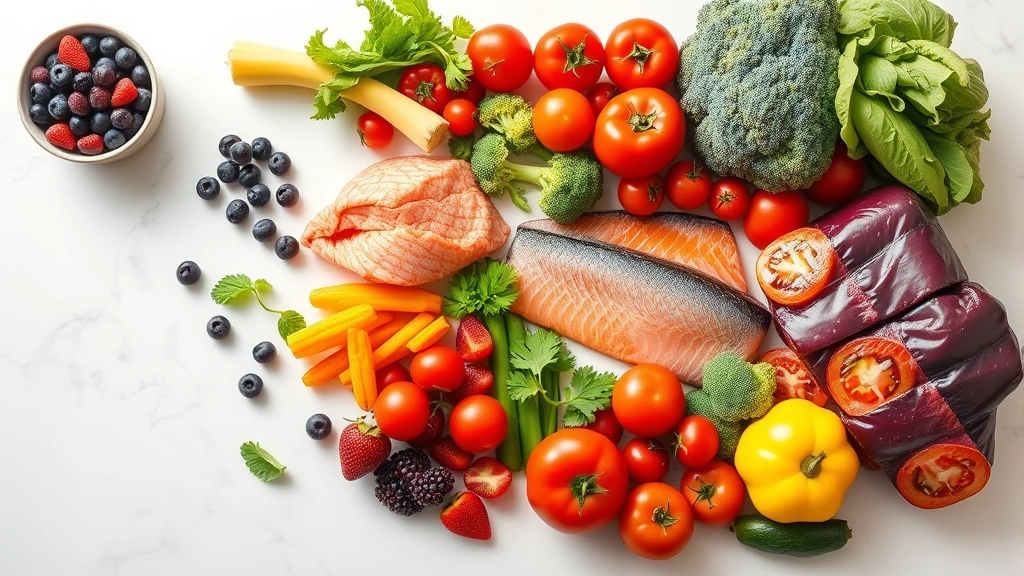
Focus on plant-based proteins including legumes, nuts, and seeds; fatty fish rich in omega-3s; colorful vegetables and fruits high in antioxidants; and whole grains. Tomatoes containing lycopene, cruciferous vegetables like broccoli, and berries offer exceptional prostate-protective compounds. A balanced diet approach incorporating these whole foods provides comprehensive prostate support.
How quickly will changing my diet improve prostate health?
Most men notice improved urinary symptoms and reduced inflammation within two to four weeks of eliminating these worst foods. However, long-term prostate disease prevention requires sustained dietary commitment for months and years. Consistency matters more than perfection—aim for 80-90 percent adherence to healthy choices rather than expecting immediate perfection.
Can I still enjoy occasional treats while protecting my prostate?
Occasional indulgences in small portions won’t derail prostate health if your baseline diet remains clean and nutrient-dense. The key is frequency and quantity—enjoying a small dessert once monthly differs dramatically from consuming sugary foods multiple times weekly. Focus on making your standard diet as protective as possible, allowing rare exceptions without guilt.
Should I take supplements if I can’t avoid these foods completely?
While supplements provide some support, whole foods contain synergistic compounds that supplements cannot replicate. Attempting to supplement your way out of a poor diet rarely succeeds long-term. Instead, prioritize eliminating worst foods and establishing healthy eating patterns, using supplements only to fill genuine nutritional gaps after dietary optimization.
How does prostate health connect to overall wellness and career satisfaction?
Prostate problems significantly impact quality of life, affecting sleep, energy, confidence, and work performance. Men experiencing prostate symptoms often struggle with fatigue and frequent bathroom breaks, reducing productivity and career advancement opportunities. Protecting prostate health through proper nutrition supports your ability to pursue rewarding health careers or maintain peak performance in any profession.
Are there genetic factors that override dietary choices?
While genetics influence prostate disease risk, diet remains modifiable and powerful. Even men with strong family histories of prostate cancer can significantly reduce their risk through dietary optimization. Think of genetics as setting a baseline risk—your dietary choices determine whether you move toward the higher or lower end of that spectrum.
What professional guidance should I seek for prostate health?
Consulting with a registered dietitian nutritionist who specializes in men’s health provides personalized dietary recommendations based on your specific situation. Your primary care physician can monitor PSA levels and overall prostate health markers, while a urologist specializing in prostate health offers expert evaluation if concerns arise. Integrating these professional perspectives with your personal commitment creates the most effective prostate protection strategy.


