
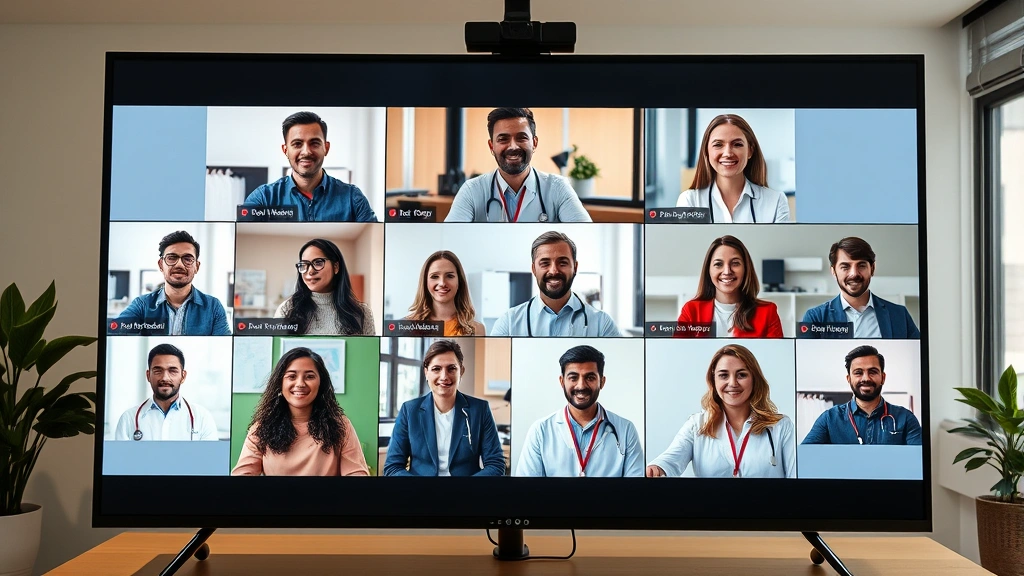
Remote public health jobs represent one of the fastest-growing career opportunities in the modern workforce. As digital transformation reshapes healthcare delivery and disease prevention strategies, organizations worldwide increasingly seek talented professionals who can contribute from anywhere. Whether you’re a seasoned epidemiologist, a data analyst passionate about population health, or someone considering a career transition into public health, remote positions offer unprecedented flexibility without compromising your earning potential or career advancement.
The COVID-19 pandemic accelerated the normalization of remote work across public health agencies, nonprofits, and government institutions. Today, positions that once required daily office presence—from disease surveillance coordinators to health policy analysts—are now available globally. This shift creates exceptional opportunities for professionals seeking work-life balance while building meaningful careers in disease prevention, health promotion, and community wellness.
Understanding the landscape of public health remote jobs requires exploring available positions, required qualifications, compensation structures, and practical strategies for landing these coveted roles. This comprehensive guide draws insights from industry experts and current market data to help you navigate your path toward a rewarding remote public health career.
Types of Remote Public Health Positions Available
The diversity of remote public health opportunities continues expanding as organizations recognize the benefits of distributed teams. Epidemiologists working remotely monitor disease trends, analyze outbreak data, and develop prevention strategies using sophisticated statistical software and collaborative platforms. These professionals form the backbone of disease surveillance systems, and many major health organizations now employ remote epidemiologists covering specific geographic regions or disease categories.
Health data analysts represent another booming remote category. These professionals transform raw health information into actionable insights, supporting evidence-based decision-making across government agencies and nonprofit organizations. Remote health informatics specialists—roles that directly connect to health informatics salary considerations—typically earn competitive compensation due to their specialized technical expertise.
Program coordinators and project managers in public health frequently work remotely, managing community health initiatives, grant-funded projects, and disease prevention programs. Health educators and communications specialists create content, develop campaigns, and manage digital outreach for health agencies and nonprofits. Policy analysts research health regulations, contribute to legislative initiatives, and evaluate program effectiveness—all increasingly feasible from remote locations.
Environmental health specialists, maternal and child health program managers, and chronic disease prevention coordinators round out the spectrum of available remote positions. Many positions within the health and wellness jobs sector now offer remote flexibility, particularly roles emphasizing data analysis, project management, and strategic planning rather than direct patient care.
Educational Requirements and Certifications
Most remote public health positions require at minimum a bachelor’s degree, with many preferring or requiring a Master of Public Health (MPH) or related graduate credential. An MPH from an accredited program provides comprehensive training in epidemiology, biostatistics, health policy, and environmental health—creating a strong foundation for remote career success.
Alternatively, relevant master’s degrees include Master of Science in Epidemiology, Master of Health Administration, or Master of Science in Health Informatics. Some positions accept strong bachelor’s degrees in biology, public health, nursing, or related fields, particularly for entry-level coordinator roles or positions emphasizing technical skills over traditional public health training.
Certifications strengthen your candidacy significantly. The Certified in Public Health (CPH) credential, offered through the National Board of Public Health Examiners, demonstrates comprehensive knowledge across public health domains. Additional certifications might include epidemiology specializations, health education credentials, or data analytics certifications from platforms like Google or IBM.
Specialized certifications prove particularly valuable for remote roles emphasizing technical expertise. SAS or R programming certifications enhance competitiveness for data analyst positions. Geographic Information Systems (GIS) certifications benefit environmental health and disease mapping specialists. Project management credentials like PMP or CAPM support program manager candidates.
Salary and Compensation Expectations
Remote public health professionals enjoy competitive compensation reflecting their education, expertise, and impact. Entry-level positions—typically requiring bachelor’s degrees and minimal experience—range from $35,000 to $48,000 annually. These roles often include coordinator or assistant positions in nonprofit organizations or government health departments.
Mid-level professionals with 3-7 years of experience and typically at least a master’s degree earn $55,000 to $75,000 annually. This category includes program managers, health data analysts, and mid-level epidemiologists. Senior positions—requiring 7+ years of experience and often PhDs or extensive specialized credentials—command $85,000 to $120,000 or higher, particularly in federal agencies or large nonprofit organizations.
Federal government positions often provide superior benefits including comprehensive health insurance, retirement plans with employer matching, and substantial paid time off. The USAJOBS portal lists positions with federal salary schedules (GS levels), offering transparency and predictable advancement. Many federal remote positions cluster around GS-7 through GS-14 levels, corresponding to the salary ranges mentioned above.
Nonprofit organizations frequently offer modest base salaries offset by mission-driven work environments and sometimes student loan forgiveness programs. Private consulting firms and healthcare companies often provide the highest compensation, particularly for specialized roles in health informatics or data science. Geographic location matters less for remote positions, though some organizations adjust compensation based on cost-of-living indices.
Top Employers Hiring Remote Public Health Professionals
Federal agencies represent the largest employers of remote public health professionals. The Centers for Disease Control and Prevention (CDC) regularly hires remote epidemiologists, data analysts, and program specialists. The National Institutes of Health (NIH), FDA, and SAMHSA (Substance Abuse and Mental Health Services Administration) similarly employ distributed teams across various public health specialties.
State and local health departments increasingly embrace remote work, particularly for specialized positions. Larger departments in states like California, Texas, New York, and Illinois actively recruit remote professionals for disease surveillance, health informatics, and program management roles. County health departments, especially in populous areas, also offer remote opportunities.
International organizations provide exceptional remote opportunities. The World Health Organization (WHO), Pan American Health Organization, and UNICEF employ remote public health professionals supporting global health initiatives. These positions often offer competitive international salaries and exposure to diverse health challenges.
Nonprofit organizations including the American Red Cross, March of Dimes, American Heart Association, and disease-specific organizations frequently hire remote professionals. Foundations focused on health and wellness, such as the Bill & Melinda Gates Foundation and Robert Wood Johnson Foundation, employ remote analysts, program officers, and evaluators.
Private sector opportunities include major healthcare consulting firms, health insurance companies, and technology firms specializing in health information systems. Companies like Deloitte, McKinsey, and Accenture employ public health consultants working remotely. Health tech startups increasingly seek remote public health professionals to guide product development and regulatory strategy.
Essential Skills for Remote Public Health Work
Technical competency forms the foundation for remote public health success. Proficiency in statistical software (SAS, R, Python, STATA) proves essential for analytical positions. Data visualization skills using tools like Tableau or Power BI help remote professionals communicate findings effectively. Familiarity with epidemiological methods, study design, and causal inference strengthens candidacy for research-focused roles.
Health informatics knowledge—understanding electronic health records, health information exchange systems, and data standards—benefits numerous remote positions. Geographic Information Systems (GIS) expertise supports environmental health and disease mapping work. SQL and database management skills enhance competitiveness for data-focused roles. Project management software proficiency (Microsoft Project, Asana, Monday.com) supports program management positions.
Beyond technical skills, remote public health professionals need exceptional communication abilities. Written communication skills prove critical since remote work relies heavily on email, reports, and documentation. The ability to explain complex health data to diverse audiences—from policymakers to community members—distinguishes outstanding professionals. Presentation skills remain valuable despite remote work, as many positions involve virtual presentations and webinar leadership.
Remote work success requires strong self-management and time management skills. Remote professionals must maintain productivity without direct supervision, manage multiple projects simultaneously, and meet deadlines consistently. Adaptability and comfort with technology are essential, as remote work continuously evolves. Cultural competence and equity-focused thinking increasingly matter in public health, reflecting the field’s commitment to addressing health disparities.
Collaboration skills paradoxically become more important in remote environments. The ability to work effectively across distributed teams, contribute to virtual meetings productively, and maintain professional relationships digitally are crucial. Problem-solving abilities, critical thinking, and the capacity to work independently yet seek help when needed round out essential competencies.
Building Your Remote Public Health Career
Strategic credential development forms the foundation of career advancement. If you hold a bachelor’s degree, pursuing an MPH—whether full-time, part-time, or online—significantly enhances remote job prospects and earning potential. Many universities now offer fully online MPH programs with equivalent rigor to on-campus versions. Evaluate program accreditation, specialization options, and alumni career outcomes when selecting programs.
Building practical experience strengthens your competitive position. Internships, practicum experiences, and volunteer work in public health organizations provide valuable experience and professional networks. Many organizations offer remote internships, particularly in program evaluation, data analysis, and health communications roles. Entry-level positions as health department coordinators or program assistants provide stepping stones toward more advanced remote roles.
Networking significantly impacts remote career success. Join professional organizations like the American Public Health Association (APHA), attend virtual conferences, and participate in online communities focused on public health specialties. Engaging with career development resources and maintaining connections with mentors supports long-term advancement.
Continuous learning keeps your skills current. Public health evolves rapidly—new disease threats emerge, health equity frameworks develop, and technology advances. Pursuing certifications, attending webinars, and staying informed about current public health challenges demonstrates commitment to professional development. Many employers fund continuing education for remote employees, so investigate these opportunities.
Develop a strong online presence reflecting your expertise. LinkedIn profiles highlighting your public health experience, skills, and accomplishments increase visibility to recruiters. Publishing articles, contributing to professional discussions, or maintaining a professional blog in public health topics establishes thought leadership. Consider how health and wellness topics intersect with your public health focus.
Challenges and Solutions in Remote Public Health
Remote public health work presents unique challenges alongside its advantages. Isolation from colleagues can impact job satisfaction and professional development. Combat this through intentional relationship-building, regular virtual coffee chats with colleagues, and participation in professional associations. Many remote public health professionals find that virtual communities provide meaningful connections despite geographic distance.
Maintaining work-life boundaries proves challenging when your home becomes your office. Establish dedicated workspace, maintain consistent work hours, and develop routines signaling work transitions. Taking regular breaks, using vacation time, and protecting personal time prevent burnout. The flexibility remote work offers can paradoxically lead to overwork without intentional boundaries.
Communication complexity increases in remote environments. Email misunderstandings, asynchronous communication delays, and reduced informal information sharing can hinder collaboration. Address these through clear communication protocols, regular check-ins, and thoughtful use of communication tools. Video calls strengthen relationships compared to email-only communication.
Technology challenges ranging from internet connectivity issues to software compatibility problems require solutions. Invest in reliable internet service, maintain backup communication methods, and develop technical troubleshooting skills. Most organizations provide IT support for remote employees, so establish clear channels for technical assistance.
Career advancement might seem limited without office presence and visibility. Proactively communicate accomplishments, seek mentorship, and volunteer for high-visibility projects demonstrating impact. Remote work doesn’t preclude advancement—it requires more intentional career management. Document your contributions, seek feedback, and discuss career goals with supervisors regularly.
Maintaining professional isolation from the communities you serve represents another challenge. Public health ultimately aims to improve population health, yet remote work can create distance from the communities benefiting from your work. Seek opportunities to engage with communities, whether through virtual listening sessions, community presentations, or field visits when possible. This connection reinforces the importance of your work.
Frequently Asked Questions
What qualifications do I need for entry-level remote public health jobs?
Most entry-level positions require a bachelor’s degree in public health, health sciences, biology, or related fields. Some positions accept associate degrees with relevant experience. Strong candidates demonstrate analytical skills, familiarity with health data, and commitment to public health mission. Internship experience or volunteer work strengthens applications significantly.
Can I work in public health remotely without a master’s degree?
Yes, though career advancement may be slower. Bachelor’s degree holders can access coordinator, assistant, and some analyst positions. However, advancement to senior positions typically requires graduate education. Consider pursuing an MPH online while working—many organizations support employee education through tuition assistance programs.
How do I find legitimate remote public health job openings?
Utilize multiple resources: USAJOBS.gov for federal positions, state health department websites, nonprofit job boards like Idealist.org, and general platforms (LinkedIn, Indeed, FlexJobs). Professional organizations like APHA maintain job boards. Directly visiting organization websites and subscribing to their job alerts often reveals opportunities before broader distribution.
What software skills are most valuable for remote public health positions?
Statistical software (R, SAS, Python) proves invaluable for analytical roles. Data visualization tools (Tableau, Power BI) enhance communication. Epidemiological software, GIS platforms, and electronic health record systems matter for specialized positions. Microsoft Office, Google Workspace, and project management tools are universally needed. SQL and database management skills differentiate strong candidates.
How much can I expect to earn in remote public health positions?
Entry-level positions typically range $35,000-$48,000. Mid-level roles (3-7 years experience) earn $55,000-$75,000. Senior positions exceed $85,000-$120,000+. Federal positions follow GS schedules with transparent advancement. Nonprofit salaries tend toward the lower end, while private sector consulting offers higher compensation. Location matters less for remote roles, though some organizations adjust for cost-of-living.
Is it possible to transition into public health remotely from another field?
Absolutely, though strategic planning helps. Professionals from healthcare, data analysis, project management, or related fields can transition into public health. Pursuing an MPH, particularly online programs, facilitates transitions. Highlighting transferable skills—analytical abilities, project management experience, communication skills—helps bridge career changes. Starting in coordinator or entry-level analyst roles often provides transition pathways.
What challenges should I expect in remote public health work?
Common challenges include isolation from colleagues, communication complexity, technology issues, and maintaining work-life boundaries. Professional development opportunities might seem limited without office presence. However, intentional relationship-building, clear communication protocols, and proactive career management address these challenges effectively.
How do organizations ensure remote public health professionals maintain confidentiality with sensitive health data?
Legitimate organizations implement robust security protocols including encrypted connections, secure networks, multi-factor authentication, and HIPAA-compliant systems. Remote employees receive training on data security and confidentiality requirements. Organizations should provide secure equipment and software ensuring compliance with health data regulations. Ask potential employers about their security infrastructure and remote work protocols.
Can I advance my career working remotely in public health?
Definitely. Remote work doesn’t preclude advancement to senior roles, program leadership, or specialized positions. Success requires proactive career management—documenting accomplishments, seeking mentorship, pursuing additional credentials, and communicating career goals. Many senior public health professionals now work remotely, particularly in federal agencies and large organizations.

Conclusion
Remote public health jobs offer exceptional opportunities for professionals seeking meaningful work with flexibility. The field’s expansion into remote work reflects both technological advancement and recognition that talented professionals can contribute significantly from anywhere. Whether you’re beginning your public health career or transitioning from another field, strategic credential development, skill building, and thoughtful job search approaches position you for success.
The public health workforce faces unprecedented challenges—from emerging infectious diseases to chronic disease prevention to health equity advancement. Remote positions enable organizations to recruit the best talent globally, strengthening public health response capacity. Your remote public health career contributes directly to population health improvement, disease prevention, and health promotion—among society’s most important work.
Start by clarifying your public health interests and identifying roles aligning with your skills and career aspirations. Pursue relevant credentials, build practical experience, and develop both technical and soft skills. Engage with professional communities, stay informed about current public health issues, and approach your career strategically. The remote public health career path awaits—positioning yourself effectively opens doors to fulfilling, impactful work serving public health missions globally.


