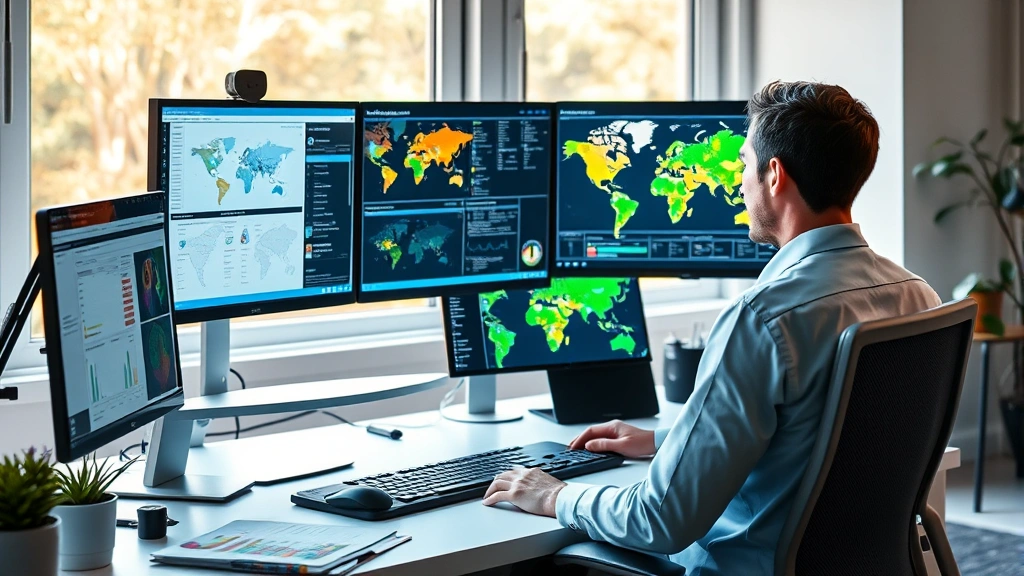
Remote Public Health Jobs: Expert Insights Inside
The landscape of public health employment has undergone a dramatic transformation over the past few years. What was once considered an exclusively office-based field has increasingly embraced remote and hybrid work models, opening unprecedented opportunities for professionals seeking flexibility without sacrificing impact. Whether you’re a seasoned epidemiologist, a recent graduate in public health, or someone considering a career transition, understanding the remote opportunities available in this vital sector can significantly enhance your professional prospects and quality of life.
Remote public health positions now span diverse specializations—from disease surveillance and health policy analysis to program evaluation and community health coordination. Organizations ranging from government agencies to non-profits and international health bodies have recognized that talented professionals can deliver exceptional results from virtually anywhere with reliable internet connectivity. This shift not only expands job availability but also allows professionals to achieve better work-life balance while contributing to critical public health initiatives.
The financial benefits of remote public health work deserve attention too. By eliminating commute costs and reducing expenses associated with office-based work, many professionals find they can allocate more resources toward building long-term wealth strategies and financial security. In this comprehensive guide, we’ll explore the landscape of remote public health jobs, the qualifications needed, salary expectations, and actionable strategies for landing your ideal position.

Understanding Remote Public Health Careers
Remote public health careers represent a modern evolution of traditional epidemiology, health administration, and disease prevention roles. These positions leverage digital communication tools, data analytics platforms, and virtual collaboration technologies to accomplish public health missions from distributed locations. The remote structure doesn’t diminish the importance or impact of the work—it simply changes how professionals engage with their responsibilities.
Public health professionals working remotely contribute to disease surveillance networks, develop health promotion strategies, analyze epidemiological data, and support community health initiatives. Many positions involve collaborating with colleagues across multiple time zones, managing data from various sources, and providing technical expertise to support public health departments and organizations. The transition to remote work has actually enhanced efficiency in many cases, allowing professionals to focus deeply on analytical work without office distractions.
Understanding the different types of remote public health roles available is essential before pursuing opportunities in this field. The sector encompasses numerous specializations, each with distinct responsibilities, required expertise, and career trajectories. Whether you’re interested in health science careers or specifically seeking remote positions, knowing what’s available helps you target your job search effectively.

Types of Remote Public Health Positions
The diversity of remote public health positions reflects the breadth of the field itself. Understanding these categories helps you identify roles that align with your skills, interests, and lifestyle preferences.
Epidemiologist Positions represent some of the most sought-after remote public health roles. These professionals analyze disease patterns, investigate outbreaks, and develop prevention strategies. Remote epidemiologists work with surveillance data, conduct literature reviews, and collaborate with health departments using secure digital platforms. Many positions remain partially remote or fully remote, particularly for senior-level epidemiologists or those specializing in data analysis.
Health Policy Analyst Roles involve researching health policies, evaluating program effectiveness, and providing recommendations to government agencies and non-profits. These positions naturally lend themselves to remote work since much of the job involves research, writing, and virtual collaboration. Organizations like CDC and state health departments increasingly offer remote policy analysis positions.
Program Evaluation Specialists assess the effectiveness of public health programs and interventions. Working remotely, these professionals collect data, conduct analyses, and produce detailed reports. The flexibility of remote work actually enhances their ability to observe programs across multiple locations without relocation.
Health Education Coordinators develop and deliver public health education content, often through digital platforms. Remote positions in this category involve creating educational materials, managing online health communication campaigns, and coordinating with community partners virtually. This role is particularly well-suited for remote work given its digital focus.
Biostatistician Positions provide statistical expertise for public health research and surveillance. These highly technical roles are ideal for remote work since they primarily involve data analysis, statistical modeling, and report generation. Organizations conducting public health research increasingly offer remote biostatistician positions.
Occupational Health and Safety Specialists work remotely to develop workplace health policies, conduct virtual safety assessments, and provide consultation to organizations. The remote model allows these professionals to serve multiple clients without geographic limitations.
Maternal and Child Health Specialists coordinate programs promoting maternal and child health outcomes. Many positions in this specialization now offer remote flexibility, particularly for roles focused on program management, data analysis, and technical assistance.
For those interested in broader health administration contexts, exploring health administration jobs can reveal additional remote opportunities that support public health missions.
Required Qualifications and Education
Most remote public health positions require at minimum a bachelor’s degree in public health, epidemiology, health sciences, or a related field. However, the specific educational requirements vary significantly depending on the position level and specialization.
Entry-Level Positions typically require a bachelor’s degree in public health (BPH) or a related discipline. Many graduates with degrees in biology, chemistry, environmental science, or health education can qualify for entry-level roles with some additional training or certification. Entry-level positions might include public health data assistants, health education coordinators, or junior program evaluation positions.
Mid-Level and Specialist Roles usually require a Master’s degree in Public Health (MPH) or a related master’s program. An MPH provides comprehensive training in epidemiology, biostatistics, environmental health, health policy, and maternal and child health—the core competencies needed for most remote public health positions. Many professionals pursue specialized MPH tracks (epidemiology, environmental health, global health) that directly align with remote position requirements.
Advanced and Leadership Positions often require a PhD in epidemiology, biostatistics, or public health, or a combination of master’s degree and extensive professional experience. Senior epidemiologists, research directors, and policy leaders typically hold doctoral degrees or have 10+ years of relevant experience.
Specialized Certifications enhance competitiveness for remote public health positions. Certified in Public Health (CPH) credentials, registered dietitian credentials, certified health education specialist (CHES) certifications, and various epidemiology certifications strengthen applications. Many remote positions specifically seek candidates with these credentials.
Technical Skills are increasingly important for remote public health work. Proficiency with statistical software (SAS, R, Stata), data visualization tools, geographic information systems (GIS), and health information systems is valuable across most remote positions. Database management, electronic health record (EHR) systems knowledge, and survey development experience are also frequently required.
Professional development opportunities exist throughout your career. Participating in webinars, earning additional certifications, and staying current with public health literature enhances your qualifications and makes you more competitive for remote positions.
Salary and Compensation Overview
Compensation for remote public health positions varies based on education level, experience, specialization, and employer type. Understanding salary ranges helps you evaluate opportunities and negotiate effectively.
Entry-Level Positions (bachelor’s degree, 0-3 years experience) typically offer salaries ranging from $35,000 to $48,000 annually. Positions in government agencies may be slightly lower, while non-profit and consulting positions might offer competitive salaries with benefits packages. These roles provide valuable experience and often include professional development opportunities.
Mid-Level Positions (master’s degree, 3-7 years experience) generally offer salaries between $55,000 and $75,000. Many mid-level professionals in remote positions with federal agencies earn within or above this range, particularly in higher cost-of-living areas. Remote positions often provide flexibility without salary reduction compared to office-based roles.
Senior and Specialist Positions (master’s or doctoral degree, 7+ years experience) typically offer $80,000 to $120,000+ annually. Senior epidemiologists, research directors, and policy experts command higher compensation, particularly with federal agencies or large non-profits. Remote senior positions sometimes offer additional benefits reflecting the flexibility provided.
Compensation Components extend beyond base salary. Most remote public health positions include health insurance, retirement plans (401(k) or federal employee retirement systems), paid leave, and professional development budgets. Federal positions offer particularly comprehensive benefits. Some positions include remote work allowances or stipends for home office equipment.
The financial benefits of remote public health work extend beyond salary. Reduced commuting costs, lower office-related expenses, and time savings allow professionals to invest more resources toward wealth building strategies. Over a career, these savings compound significantly.
Finding and Landing Remote Positions
Strategic job searching dramatically improves your chances of securing remote public health positions. The market is competitive, but systematic approaches yield results.
Dedicated Job Boards should be your primary search platforms. Websites like Indeed, LinkedIn, and FlexJobs regularly feature remote public health positions. Government job boards like USAJobs.gov list federal public health positions, many with remote options. Non-profit job boards like Idealist.org and The Chronicle of Higher Education feature positions in academic and mission-driven organizations.
Organization-Specific Searches prove highly effective. Target specific employers: CDC, state health departments, WHO, major non-profits (American Heart Association, American Cancer Society), universities, and consulting firms. Many organizations post remote positions on their career pages before advertising broadly. Setting up job alerts on these sites ensures you catch opportunities quickly.
Networking Strategies significantly improve placement rates. Connect with public health professionals on LinkedIn, attend virtual conferences and webinars, and join professional organizations like the American Public Health Association (APHA). Many positions are filled through referrals—having connections in the field provides insider knowledge of opportunities.
Application Optimization is critical for securing interviews. Tailor your resume and cover letter to each position, highlighting relevant skills and experience. Use keywords from job descriptions. Emphasize your remote work experience, self-motivation, and communication abilities. Include specific examples of successful projects, particularly those demonstrating data analysis, collaboration, or problem-solving.
Interview Preparation for remote positions requires specific attention. Familiarize yourself with video conferencing platforms, test your technology beforehand, and ensure a professional background. Prepare examples demonstrating your ability to work independently, manage time effectively, and communicate clearly without in-person interaction. Research the organization thoroughly and ask thoughtful questions about remote work structure and collaboration practices.
Your broader career foundation matters too. Consider exploring health administration opportunities that might lead to remote public health roles or provide valuable transferable skills.
Building Your Remote Work Skills
Success in remote public health positions requires more than subject matter expertise. Developing specific remote work competencies increases your effectiveness and career advancement potential.
Digital Communication Skills are paramount. Remote work demands clear written communication through email, project management tools, and documentation. Develop your ability to convey complex public health concepts concisely. Master video conferencing etiquette and virtual presentation skills. Practice active listening in virtual meetings and provide thoughtful written feedback to colleagues.
Self-Management and Organization become essential without office structure. Develop strong time management practices, maintain organized digital files, and establish routines that maximize productivity. Remote work rewards initiative—identify problems and propose solutions without waiting for direction. Demonstrate accountability through reliable communication and meeting deadlines consistently.
Technical Proficiency directly impacts your value in remote positions. Beyond basic computer skills, develop expertise with tools specific to your role: statistical software, data visualization platforms, project management applications, and health information systems. Many organizations provide training, but self-directed learning accelerates your advancement.
Collaboration and Teamwork require intentional effort in remote settings. Actively participate in virtual meetings, respond promptly to communications, and volunteer for collaborative projects. Help colleagues troubleshoot problems and share knowledge generously. Remote professionals who demonstrate strong collaborative skills stand out and advance faster.
Continuous Learning sustains career growth. Pursue relevant certifications, attend virtual conferences, take online courses, and stay current with public health literature. Many remote positions provide professional development budgets—use them strategically to enhance your expertise.
Career Growth in Remote Settings
Remote public health careers offer substantial growth potential despite the distributed work environment. Strategic career planning ensures continuous advancement.
Specialization Development creates advancement opportunities. Develop deep expertise in specific areas—epidemiologic methods, health policy analysis, biostatistics, or particular disease areas. Specialization makes you valuable for senior positions and consulting opportunities. Publish findings from your work, present at conferences, and establish yourself as a recognized expert in your niche.
Leadership Advancement is achievable in remote settings. Many organizations have remote team leaders and managers. Demonstrate leadership qualities: mentoring junior staff, leading projects, and proposing improvements to processes. Build a track record of successful initiatives and positive team feedback.
Lateral Moves and Diversification expand your opportunities. Consider moving between sectors (government to non-profit to consulting), geographic regions, or specializations. Each transition brings new perspectives and skills that enhance your overall value. Remote work makes these transitions easier by reducing relocation requirements.
Consulting and Entrepreneurship represent alternative career paths for experienced remote public health professionals. Many professionals transition to consulting firms, establish independent consulting practices, or develop health-related products and services. Remote experience and established professional networks support these ventures.
Financial Career Planning deserves attention alongside professional development. As your income grows through career advancement, consider how to optimize your compensation. Evaluate total benefits packages, negotiate for professional development budgets, and plan long-term financial security. Many public health professionals benefit from working with financial advisors to ensure their growing income supports long-term wealth goals.
Your commitment to professional growth directly impacts your earning potential and job satisfaction in remote public health roles.
FAQ
What qualifications do I need for remote public health jobs?
Most remote public health positions require at minimum a bachelor’s degree in public health or related field. Mid-level positions typically require a Master’s in Public Health (MPH), while senior roles often require a PhD or extensive experience. Specialized certifications like CPH (Certified in Public Health) strengthen applications significantly. Technical skills in statistical software, data analysis, and health information systems are increasingly important for competitive remote positions.
Are remote public health jobs fully remote or hybrid?
Remote public health positions vary in their arrangements. Some are fully remote, allowing work from anywhere with internet connectivity. Others are hybrid, requiring occasional office visits or conference attendance. Many positions are flexible, allowing remote work with optional in-person collaboration. When applying, clarify the specific remote arrangement with employers, as this significantly impacts your work-life balance and location flexibility.
What salary can I expect in remote public health positions?
Salaries vary based on education, experience, and employer. Entry-level positions range from $35,000-$48,000, mid-level positions from $55,000-$75,000, and senior positions from $80,000-$120,000+. Federal positions typically offer higher salaries and comprehensive benefits. Non-profit and consulting positions may vary more widely. Total compensation packages including benefits, retirement contributions, and professional development opportunities often exceed base salary.
How do I find remote public health job opportunities?
Search dedicated job boards like Indeed, LinkedIn, and FlexJobs for remote positions. Check government job sites (USAJobs.gov) for federal positions. Explore organization-specific career pages for CDC, state health departments, and major health non-profits. Join professional organizations like APHA and attend virtual conferences. Network with public health professionals on LinkedIn—many positions are filled through referrals before broad advertising.
What technical skills are most important for remote public health work?
Statistical software proficiency (SAS, R, Stata) is valuable across most positions. Data visualization and dashboard creation skills are increasingly important. Familiarity with geographic information systems (GIS), electronic health records, and disease surveillance systems is beneficial. Strong writing and communication skills are essential. Project management software proficiency and basic database skills enhance competitiveness. Continuous learning and staying current with emerging public health technologies support career advancement.
Can I advance my career in a remote public health position?
Absolutely. Remote positions offer substantial career growth opportunities through specialization development, leadership advancement, and lateral moves between sectors and specializations. Remote professionals who demonstrate strong collaboration, initiative, and continuous learning advance to senior roles, management positions, and consulting opportunities. Building expertise, publishing work, and establishing professional recognition support advancement regardless of remote work arrangement.


