IHSS Health Insurance Benefits: Expert Insights on Coverage and Enrollment
The In-Home Supportive Services (IHSS) program represents a critical lifeline for millions of Californians requiring assistance with daily living activities. Understanding the health insurance benefits associated with IHSS is essential for eligible individuals, caregivers, and families navigating the complex landscape of long-term care support. This comprehensive guide explores the nuances of IHSS health insurance coverage, enrollment procedures, and strategic considerations for maximizing your benefits.
IHSS is a Medicaid waiver program that enables elderly, blind, and disabled individuals to receive necessary support services while remaining in their homes and communities. The program’s health insurance component extends beyond basic coverage, offering comprehensive protections that address both medical and non-medical needs. Whether you’re a current recipient seeking to optimize your benefits or exploring eligibility options, understanding these provisions can significantly impact your financial security and quality of care.

What is IHSS and Its Health Insurance Framework
The In-Home Supportive Services program operates as a unique hybrid between traditional healthcare and social support systems. Established under California’s Medicaid program, IHSS provides funding for personal care services that enable individuals to maintain independence within their own homes. The health insurance framework underlying IHSS differs significantly from conventional health plans, as it emphasizes preventive care, independence, and community integration.
At its core, IHSS health insurance benefits function through California’s Medicaid system, known as Medi-Cal. This integration means that recipients automatically receive Medi-Cal coverage alongside their IHSS services. The program recognizes that health insurance alone cannot address the comprehensive needs of individuals requiring in-home support, so it combines medical coverage with practical assistance services. Understanding this dual-benefit structure is crucial for maximizing available resources.
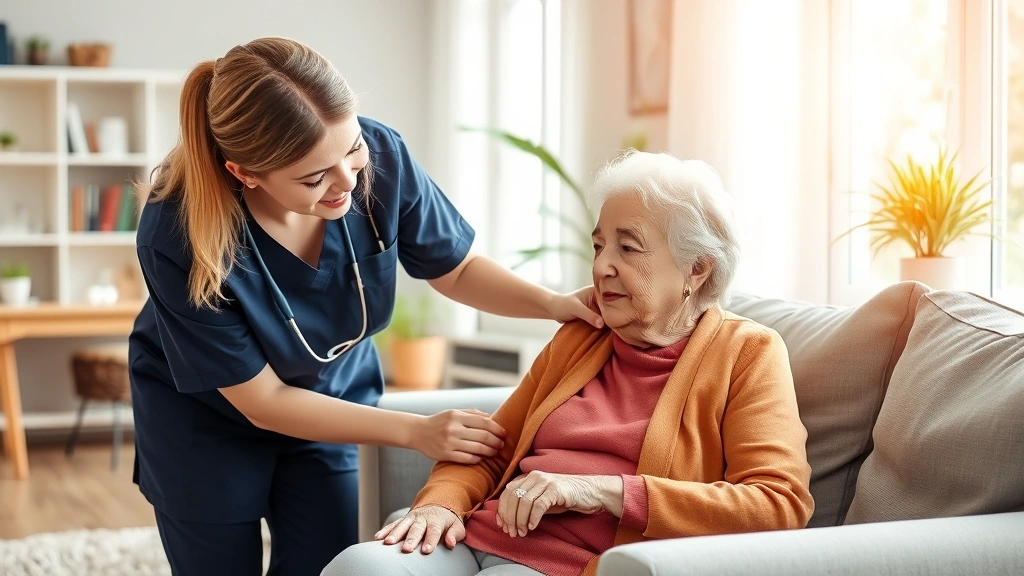
The program’s health insurance component covers essential medical services including doctor visits, prescriptions, hospital care, and specialist consultations. However, the distinguishing feature of IHSS is its emphasis on preventive services and personal care assistance. This might include help with bathing, dressing, meal preparation, medication management, and mobility assistance—services that directly prevent health complications and hospitalizations.

Medicaid Coverage Through IHSS Programs
Medicaid coverage through IHSS provides comprehensive health insurance protection that extends far beyond basic medical services. As a Medi-Cal recipient, IHSS clients access California’s extensive Medicaid network, which includes hospitals, physicians, mental health providers, and dental services. This coverage is particularly valuable for individuals with chronic conditions requiring ongoing management and specialized care.
The Medicaid framework supporting IHSS includes coverage for preventive services, diagnostic testing, emergency care, and hospitalization. Recipients benefit from prescription drug coverage, which is especially important given that many IHSS-eligible individuals manage multiple chronic conditions. Additionally, Medi-Cal covers mental health and substance abuse treatment services, addressing the psychological dimensions of health that traditional insurance sometimes overlooks.
One critical aspect of Medicaid coverage through IHSS is the emphasis on home health care coordination. Unlike standard Medicaid plans, IHSS integrates medical services with personal care assistance, creating a comprehensive support system. This coordination prevents unnecessary hospitalizations, reduces emergency room visits, and enables individuals to recover from medical events within their home environment. The program recognizes that adequate personal care support directly impacts health outcomes.
Medi-Cal also covers specialized services relevant to IHSS recipients, including physical therapy, occupational therapy, and speech therapy. These therapeutic services support rehabilitation and functional improvement, enabling individuals to maintain or regain independence. The program’s holistic approach to health insurance means that coverage extends to services that promote overall wellness and quality of life.
Eligibility Requirements and Application Process
Eligibility for IHSS health insurance benefits requires meeting specific criteria established by California’s Department of Social Services. Individuals must be aged 65 or older, blind, or disabled according to federal definitions. Additionally, applicants must require assistance with activities of daily living, such as personal hygiene, meal preparation, or mobility support. The program is designed for individuals who would otherwise require institutional care but can safely remain in their homes with appropriate support.
Income and asset limits apply to IHSS eligibility, though these thresholds are relatively generous compared to other assistance programs. For single individuals, the monthly income limit is $1,674, while couples face a limit of $2,297 (figures subject to annual adjustments). Asset limits are similarly structured to protect individuals with modest savings while ensuring program resources reach those with genuine financial need.
The application process begins with contacting your county’s social services department. California has 58 counties, each administering its own IHSS program with local variations in processing times and requirements. You’ll need to provide documentation of income, assets, residency, and citizenship status. Medical documentation establishing your need for in-home support services is essential; this typically includes physician statements detailing your functional limitations and required assistance.
Once you’ve submitted your application, a county representative will conduct an in-home assessment to evaluate your specific support needs. This assessment determines the number of authorized service hours and the types of assistance you require. The assessment process is crucial, as it directly impacts the scope and value of your benefits. Being thorough and specific about your needs during this assessment ensures appropriate service authorization.
Covered Services and Benefits Breakdown
IHSS health insurance benefits encompass both direct medical coverage through Medi-Cal and in-home support services funded by the state. Understanding this distinction helps you navigate your benefits strategically. Medical services covered through Medi-Cal include doctor visits, hospital care, emergency services, prescription medications, and specialist referrals. These services function like traditional health insurance, providing access to California’s extensive healthcare network.
The personal care services component of IHSS covers assistance with activities of daily living. Authorized service hours typically fund assistance with bathing, grooming, dressing, toileting, and personal hygiene. Meal preparation and cleanup, laundry, and light housekeeping directly related to your care are also covered. Additionally, IHSS provides funding for protective supervision—assistance for individuals unable to care for themselves safely—and accompaniment to medical appointments.
A critical component often overlooked is medication management support. IHSS-authorized caregivers can assist with organizing medications, reminding you to take prescriptions, and monitoring for adverse effects. This service directly impacts health outcomes, as medication adherence is essential for managing chronic conditions. For individuals with cognitive limitations or complex medication regimens, this support prevents dangerous errors and hospitalizations.
Transportation assistance represents another valuable benefit. IHSS funding can support accompaniment to medical appointments, pharmacy visits, and essential errands. For individuals with mobility limitations, this service is transformative, enabling access to healthcare that might otherwise be unavailable. Some counties allow IHSS recipients to use authorized hours for transportation services, expanding independence and healthcare access.
Homemaking and sanitation services ensure that your living environment supports good health. IHSS funding covers cleaning services that prevent infections, maintain sanitation, and reduce fall hazards. This seemingly basic benefit directly prevents healthcare complications, as poor home conditions contribute to infections, falls, and other medical emergencies.
Financial Implications and Cost Considerations
Understanding the financial structure of IHSS health insurance benefits is essential for effective planning. Unlike traditional health insurance with premiums, deductibles, and copayments, IHSS operates primarily through state and federal funding. However, recipients with higher incomes may face cost-sharing requirements. California uses a sliding scale based on income, potentially requiring contributions from individuals earning above Medicaid thresholds.
For most IHSS recipients, Medi-Cal coverage includes minimal out-of-pocket costs. Physician visits typically involve no copayment, prescription drugs have minimal copays (usually $1-3 per prescription), and hospital services are covered. This cost structure makes IHSS an exceptionally valuable benefit for individuals with limited financial resources managing chronic conditions requiring frequent medical care.
One financial consideration involves the interaction between IHSS and other insurance. If you have Medicare, Medicaid through IHSS becomes secondary coverage, filling gaps in Medicare benefits. This dual-coverage approach often provides superior protection than either program alone. Understanding how your IHSS benefits coordinate with Medicare, employer coverage, or private insurance maximizes your protection.
The value of IHSS extends beyond direct medical savings. The in-home support services prevent costly hospitalizations, emergency room visits, and institutional care placement. Studies demonstrate that appropriate home support services reduce healthcare costs by enabling early intervention and preventing complications. From a financial perspective, IHSS represents exceptional value, providing comprehensive support at a fraction of institutional care costs.
It’s important to understand that IHSS benefits are not means-tested in the traditional sense. Even individuals with modest assets can qualify, as the program focuses on functional need rather than asset depletion. This protection enables individuals to maintain some financial security while accessing essential support services.
Maximizing Your IHSS Benefits
Optimizing your IHSS health insurance benefits requires proactive engagement with the program and understanding available resources. First, ensure your authorized service hours accurately reflect your needs. Many recipients accept initial assessments without fully articulating their requirements, resulting in insufficient support. If your circumstances change or you believe your authorization is inadequate, request a reassessment. County social workers must review your case if your situation changes significantly.
Develop a strong relationship with your county IHSS social worker. These professionals can explain available services, help navigate program rules, and advocate for your needs. They can also connect you with additional resources, such as health information management services that help coordinate your care. Regular communication ensures your benefits remain aligned with your evolving needs.
Understand your rights as an IHSS recipient. California law provides specific protections, including the right to appeal benefit determinations, the right to confidentiality, and the right to participate in decisions about your care. If you disagree with your county’s assessment or authorization, you can request a hearing before an administrative law judge. Many recipients are unaware of these rights, missing opportunities to secure additional benefits.
Coordinate your IHSS benefits with other programs you may qualify for. Many IHSS recipients also qualify for Supplemental Security Income (SSI), food assistance, or utility assistance programs. Understanding these complementary benefits creates a comprehensive support network addressing multiple dimensions of your wellbeing. Your county social worker can explain programs for which you may be eligible.
Utilize the resources available through health and wellness organizations to supplement your IHSS benefits. Community health centers, senior centers, and non-profit organizations often provide services complementing IHSS, such as health education, social engagement, and specialized support for specific conditions. These resources enhance your overall health outcomes and quality of life.
If you’re working with a caregiver through IHSS, ensure clear communication about your needs and expectations. Your IHSS provider is a crucial partner in your health management. Regular feedback about your care quality and any concerns helps maintain excellent service. Many recipients find that investing in this relationship yields better health outcomes and greater satisfaction.
Monitor changes in IHSS policy and regulations. California periodically updates program rules, eligibility criteria, and benefit structures. Staying informed about these changes ensures you’re not missing new opportunities or benefits. Your county’s IHSS office can provide updates, or you can monitor California’s Department of Social Services website for announcements.
Consider working with an insurance advisor familiar with health insurance benefits if your situation is complex. Some individuals have multiple insurance policies, significant assets, or complicated medical needs requiring expert coordination. While not necessary for all recipients, professional guidance can optimize your overall benefit structure.
Document your medical needs and functional limitations thoroughly. Having clear medical documentation strengthens your case during assessments and appeals. Ask your healthcare providers to provide detailed statements about your functional abilities and support needs. This documentation becomes invaluable if you need to appeal a benefit determination or request additional services.
Frequently Asked Questions
What is the difference between IHSS and Medicare?
IHSS and Medicare serve different purposes. Medicare is a federal health insurance program for individuals 65 and older or with specific disabilities, covering medical services like doctor visits and hospital care. IHSS is a California state program providing both Medicaid coverage and in-home support services for personal care. Many individuals qualify for both programs, with Medicaid supplementing Medicare coverage. IHSS specifically addresses the need for personal assistance with daily living, which Medicare does not cover.
Can I choose my IHSS caregiver?
Yes, California law allows IHSS recipients to select their own caregivers, a unique feature of the program. You can hire a family member, friend, or professional caregiver. Your county must authorize and pay the chosen caregiver. This flexibility enables individuals to work with trusted people who understand their needs and preferences, improving care quality and recipient satisfaction.
How does IHSS affect my other benefits?
IHSS receipt typically doesn’t affect SSI (Supplemental Security Income) or other benefits you may receive. However, the situation varies depending on your specific circumstances and the other programs involved. Your county social worker can explain how IHSS interacts with any other benefits you’re receiving. Generally, IHSS is designed to complement rather than replace other support programs.
What happens if I move to another state?
IHSS is specific to California. If you move to another state, you lose IHSS benefits. However, you may qualify for similar programs in your new state, such as Medicaid waiver programs. Contact your new state’s department of social services to explore available options. Planning a move requires understanding what support services will be available in your new location.
How often is my IHSS assessment reviewed?
California requires annual reassessments of IHSS recipients, though your county may review your case more frequently if circumstances change. You can request a reassessment anytime your needs change significantly. This regular review ensures your authorized services remain appropriate for your current situation and prevents outdated assessments from limiting your benefits.
Are IHSS services covered if I’m hospitalized?
IHSS services are designed for individuals living in the community. If you’re hospitalized, IHSS services typically pause during your hospital stay. However, upon discharge, your IHSS services resume, and your county may adjust your authorization based on your post-hospital needs. This transition is important to plan for, as you may require additional support during recovery.
Can I appeal my IHSS benefit determination?
Yes, you have the right to appeal any IHSS decision, including service authorization levels, eligibility determination, or denial of benefits. The appeal process begins with your county social services office, and if unsatisfied, you can request a hearing before an administrative law judge. Having medical documentation and clear explanation of your needs strengthens your appeal. Legal aid organizations often provide free assistance with IHSS appeals.
How is IHSS funded?
IHSS is funded through a combination of federal Medicaid funds, California state funds, and county contributions. The specific funding split varies by county, but the federal government typically covers approximately 50% of costs. This multi-source funding structure ensures the program’s stability while distributing costs across government levels. Understanding this funding helps explain why IHSS operates differently than purely state or federal programs.


