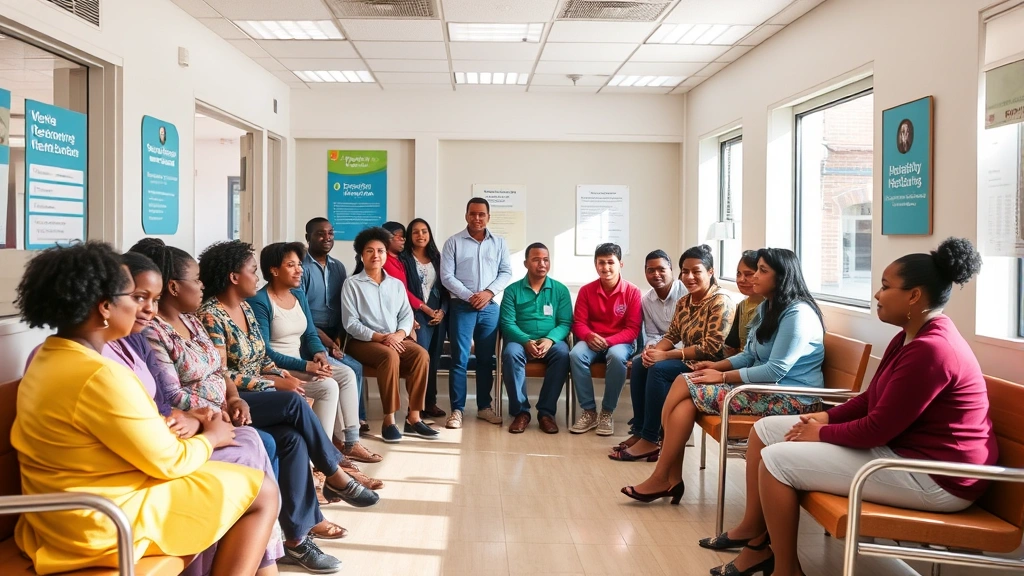
Build Wealth Locally? Community Care Insights for Your Financial Health
Building wealth isn’t just about maximizing your investment portfolio—it’s about creating a sustainable lifestyle that supports both your financial goals and your overall well-being. One often-overlooked aspect of wealth building is investing in community-based healthcare and wellness services. When you prioritize accessible, affordable healthcare through local providers like community care centers and walk-in clinics, you’re making a strategic financial decision that protects your long-term wealth.
Many people overlook the connection between community wellness investments and personal finance. However, preventive care through accessible local health services can save you thousands of dollars in emergency medical bills, reduce time away from work, and improve your productivity and earning potential. This comprehensive guide explores how community care insights can enhance your wealth-building strategy while improving your quality of life.
Why Community Care Matters for Wealth Building
The relationship between community care and personal wealth is more interconnected than most people realize. When you have access to quality healthcare services through community providers, you reduce your exposure to catastrophic medical expenses—one of the leading causes of personal bankruptcy in the United States. Community care centers and walk-in clinics provide affordable alternatives to emergency room visits, which can cost five to ten times more for the same treatment.
Investing time and resources into community wellness creates a foundation for sustainable wealth accumulation. Here’s why this matters financially:
- Reduced Emergency Expenses: Regular access to preventive care through local clinics means fewer expensive emergency room visits and hospitalizations.
- Improved Work Performance: When you’re healthier, you miss fewer work days, maintain better focus, and have greater earning potential.
- Lower Insurance Premiums: Many insurance plans reward preventive care with lower premiums and better coverage terms.
- Community Investment Returns: Supporting local healthcare creates jobs and economic activity in your community, potentially increasing property values and local business opportunities.
- Networking Benefits: Community care facilities connect you with local professionals and opportunities for career advancement.
The Centers for Disease Control and Prevention emphasizes that preventive care saves both lives and money. By utilizing community care resources, you’re not just protecting your health—you’re protecting your wealth.
Understanding Local Healthcare Economics
To build wealth effectively, you need to understand the economics of healthcare in your area. Community care centers and walk-in clinics operate on different economic models than traditional hospital systems, which often translates to significant savings for patients. These facilities typically have lower overhead costs, streamlined operations, and a focus on efficiency that benefits the bottom line.
When you use a health and wellness service in your community, you’re participating in an economic ecosystem that strengthens local financial health. The money spent at community clinics stays within your local economy, supporting jobs and services that benefit your community overall.
Key economic factors to understand:
- Insurance Acceptance: Most community care facilities accept a wide range of insurance plans, making care more accessible and affordable for different income levels.
- Sliding Scale Fees: Many community providers offer sliding scale payment options based on income, ensuring care remains affordable regardless of your financial situation.
- Prescription Pricing: Community clinics often have partnerships with pharmacies that offer competitive medication pricing, saving you money on ongoing prescriptions.
- Preventive Care Focus: By emphasizing prevention, these facilities reduce the need for expensive treatments later, lowering your overall healthcare costs.
- Transparency in Pricing: Community care centers typically provide upfront pricing information, eliminating surprise bills that can derail your financial plans.
Understanding these economic principles helps you make smarter healthcare decisions that align with your wealth-building goals. The money you save on healthcare can be redirected toward investments, emergency funds, or other wealth-building activities.
Preventive Care as a Wealth Protection Strategy
One of the most effective wealth protection strategies is investing in preventive care. This isn’t just health advice—it’s sound financial planning. Regular check-ups, screenings, and health maintenance through accessible community care prevent costly medical emergencies that can devastate your financial plans.
Consider the financial impact of common health conditions that could have been prevented:
- Untreated diabetes complications can cost $50,000+ annually in medical bills
- Heart disease treatment averages $200,000+ for a single major event
- Emergency room visits for preventable conditions average $1,000-$2,000 per visit
- Missing work due to preventable illness can cost thousands in lost wages
By utilizing community care resources for regular check-ups and health monitoring, you’re essentially purchasing insurance against financial catastrophe. This is why the CDC recommends preventive care as a cornerstone of health management.
A comprehensive preventive care strategy through community health providers includes:
- Annual physical examinations and health screenings
- Blood pressure and cholesterol monitoring
- Age-appropriate cancer screenings
- Vaccination updates and immunizations
- Lifestyle counseling and health education
- Chronic disease management and prevention
These services cost significantly less through community care providers than through emergency departments or specialists. By maintaining a relationship with a community care provider, you establish a medical home where providers understand your health history and can provide coordinated, efficient care.
Walk-In Clinics and Cost Efficiency
Walk-in clinics represent one of the most efficient healthcare delivery models for wealth-conscious individuals. These facilities are designed for accessibility and affordability, offering immediate care without the need for appointments or lengthy waiting periods typical of traditional medical offices.
The financial advantages of walk-in clinics are substantial:
No Appointment Delays: Walk-in clinics eliminate the time and productivity loss associated with scheduling appointments weeks in advance. You can address health concerns immediately, minimizing work absences.
Transparent Pricing: Most walk-in clinics provide clear, upfront pricing for services. You know the cost before treatment, preventing surprise medical bills.
Efficient Service Model: These facilities are designed for quick, effective treatment of acute conditions—sprains, infections, minor injuries—at a fraction of hospital emergency room costs.
Reduced Testing and Procedures: Walk-in clinics focus on straightforward diagnosis and treatment without unnecessary tests, keeping costs low while maintaining quality care.
Convenient Location: Community walk-in clinics are typically located in accessible areas, reducing travel time and costs.
When you need immediate medical attention for a non-emergency condition, a walk-in clinic is often the most financially prudent choice. Instead of paying $1,500+ for an emergency room visit, you might pay $100-$300 at a walk-in clinic for the same treatment.
Understanding when to use walk-in clinics versus other healthcare settings is part of smart healthcare financial management. Use walk-in clinics for acute, non-emergency conditions; use your primary care provider for ongoing management and complex issues; and reserve emergency rooms for true emergencies.

Building Health Wealth in Your Community
Building health wealth extends beyond your personal healthcare decisions. It involves actively participating in and supporting community health initiatives that strengthen the overall wellness infrastructure in your area. When your community has robust, accessible health services, property values increase, businesses thrive, and economic opportunities expand.
Here’s how to build health wealth in your community:
Support Local Healthcare Providers: By using community care centers and clinics, you’re supporting local employment and economic development. These facilities employ nurses, doctors, administrators, and support staff—all jobs that strengthen your local economy.
Participate in Health Education Programs: Many community care centers offer free or low-cost health education workshops. Attending these programs improves your health knowledge and connects you with community resources.
Advocate for Healthcare Access: Support policies and initiatives that expand community healthcare access. Better healthcare infrastructure benefits everyone’s wealth and well-being.
Invest in Your Health Infrastructure: Consider supporting community health initiatives through volunteering or donations. These investments in your community’s health infrastructure create long-term economic benefits.
Explore mental health services in your area: Mental health is integral to overall wellness and financial decision-making. Community providers often offer affordable mental health services that support your financial well-being.
The connection between community health investments and personal wealth is direct and measurable. Communities with strong healthcare infrastructure experience lower healthcare costs, better health outcomes, and stronger economic growth.
Career Opportunities in Community Health
Beyond using community care services as a patient, there are significant wealth-building opportunities through careers in community health. The healthcare industry, particularly community health, is one of the fastest-growing employment sectors with strong wage growth and job security.
If you’re exploring health and wellness careers, community care settings offer diverse opportunities:
- Clinical Positions: Doctors, nurse practitioners, physician assistants, nurses, and medical technicians provide direct patient care.
- Administrative Roles: Healthcare administrators, office managers, and billing specialists manage clinic operations.
- Support Services: Medical assistants, receptionists, and patient advocates support clinical staff and patient care.
- Specialized Services: Mental health counselors, health educators, and community outreach coordinators address specific health needs.
Community health careers often provide:
- Competitive salaries with strong growth potential
- Comprehensive benefits including health insurance and retirement plans
- Job security due to consistent healthcare demand
- Meaningful work that contributes to community wellness
- Opportunities for advancement and professional development
For those interested in building wealth through healthcare careers, community care settings offer accessible entry points. Many positions don’t require extensive education, allowing you to build experience and credentials while earning. This path can lead to higher-paying specialized roles or management positions.
Whether you’re pursuing mental health positions or other healthcare roles, community care facilities value employee development and often provide tuition assistance for further education.
Additionally, understanding the health and wellness industry supports better financial planning. When you know the career opportunities and earning potential in healthcare, you can make informed decisions about education investments and career development that align with your wealth-building goals.
Integrating Wellness Into Your Wealth Strategy
Comprehensive wealth building integrates health and wellness as fundamental components. Your financial plan should include healthcare cost projections, preventive care investments, and access to quality community health services.
To integrate community care into your wealth strategy:
Establish a Medical Home: Choose a primary care provider at a community care center. This creates a baseline for your healthcare costs and ensures coordinated, efficient care.
Budget for Healthcare: Include preventive care costs in your budget. These expenses are investments that prevent larger future expenses.
Understand Your Insurance: Know your insurance coverage, deductibles, and copays. Community care providers can help you navigate insurance options and find affordable care.
Track Health Metrics: Monitor your health through regular check-ups. This data helps you and your provider identify risks early, preventing expensive complications.
Maintain Healthy Habits: Explore balanced nutrition strategies and regular physical activity benefits to prevent chronic diseases. Community providers often offer guidance on these topics.
Leverage Mental Health Resources: Mental health support through exercise and professional counseling is crucial for financial decision-making. Stress and poor mental health lead to poor financial choices.
The American Medical Association emphasizes that comprehensive health management, including mental health, is essential for overall well-being and financial stability.
When you integrate community care into your wealth-building strategy, you’re not just protecting your health—you’re protecting your financial future. Medical debt is the leading cause of bankruptcy in America, but it’s largely preventable through accessible, affordable preventive care.
The Long-Term Financial Impact of Community Care Investment
Understanding the long-term financial impact of community care investment helps you appreciate why this matters for wealth building. Over a 30-year period, the difference between someone who uses community care for preventive health management and someone who relies on emergency care can be hundreds of thousands of dollars.
Consider a practical example: A 35-year-old who uses community care for annual check-ups, blood pressure monitoring, and early disease detection might spend $500 annually on preventive care. Over 30 years, that’s $15,000. However, someone who neglects preventive care and develops untreated hypertension, diabetes, or heart disease might face emergency hospitalizations costing $50,000-$200,000 or more, plus ongoing expensive treatment.
This isn’t theoretical—it’s documented in health economics research. The Health Affairs Journal regularly publishes research showing the financial benefits of preventive care and community health investment.
Beyond direct medical costs, consider the wealth impact of:
- Work Productivity: Healthy individuals miss fewer work days and maintain higher productivity, increasing lifetime earnings.
- Insurance Costs: People with good preventive care records often qualify for lower insurance premiums.
- Retirement Planning: Healthcare costs are a major retirement expense. Maintaining good health reduces these future costs.
- Wealth Transfer: Maintaining health into later years allows you to enjoy your accumulated wealth and potentially leave more to heirs.
The financial case for community care is compelling: invest modestly in preventive care now to avoid massive expenses later. This is wealth building in its purest form—protecting and growing your financial resources through smart, strategic decisions.

FAQ
What is a community care center and how does it differ from a hospital?
A community care center is a primary healthcare facility focused on preventive care, chronic disease management, and acute care for common conditions. Unlike hospitals, community care centers don’t have emergency departments or inpatient beds. They’re designed to be accessible, affordable, and efficient, serving as the first point of contact for most healthcare needs. This model reduces costs significantly compared to hospital-based care.
How much can I save using a walk-in clinic instead of an emergency room?
For the same minor injury or acute condition, walk-in clinics typically charge $100-$300 while emergency rooms charge $1,000-$2,000 or more. For example, treating a minor laceration might cost $150 at a walk-in clinic versus $1,500+ at an emergency room. Over time, these savings can accumulate significantly.
Do community care centers accept insurance?
Yes, most community care centers accept a wide range of insurance plans. Many also offer sliding scale fees for uninsured patients, ensuring care remains affordable regardless of your insurance status. It’s worth calling ahead to confirm acceptance of your specific insurance plan.
How does preventive care improve my financial situation?
Preventive care reduces expensive emergency medical events, decreases work absences, maintains your earning capacity, and lowers insurance premiums. Over your lifetime, investing in preventive care saves tens of thousands in medical costs while improving your health and productivity.
What health and wellness careers are available in community care settings?
Community care facilities employ physicians, nurse practitioners, nurses, medical assistants, health educators, mental health counselors, administrators, and support staff. These positions offer competitive salaries, benefits, and career advancement opportunities. Many positions offer tuition assistance for continued education.
How should I choose between a community care center and other healthcare options?
Use community care centers for preventive care, chronic disease management, and acute conditions. Use specialists for complex issues requiring expertise. Reserve emergency rooms for true emergencies. This approach ensures you receive appropriate care at the most cost-effective setting.
Can community care help with mental health services?
Yes, many community care centers offer mental health services including counseling, therapy, and psychiatric care. These services are often more affordable than private mental health providers and are integrated with your physical healthcare, ensuring comprehensive treatment.
How do I find a community care center near me?
Search online for “community health centers near me” or “walk-in clinics in [your city].” The HRSA Find a Health Center tool helps locate federally qualified health centers in your area. You can also call your local health department for recommendations.


