
Flex Cards in Health Plans: Expert Insights on Benefits and Usage
Understanding your health insurance benefits can feel overwhelming, especially when navigating specialized payment tools like flex cards. Many employees wonder what health insurance gives flexcards and how these financial instruments fit into their overall healthcare strategy. Flex cards—also known as flexible spending account (FSA) debit cards or health savings account (HSA) cards—have become increasingly common in employer-sponsored health plans, offering convenient access to pre-tax dollars set aside for qualified medical expenses.
Whether you’re exploring careers in public health or working in corporate wellness, understanding flex card mechanics is essential for maximizing your healthcare benefits and building long-term financial security. This guide breaks down everything you need to know about flex cards, which insurance plans offer them, and how to leverage them strategically for better health and wealth management.
What Are Flex Cards in Health Insurance?
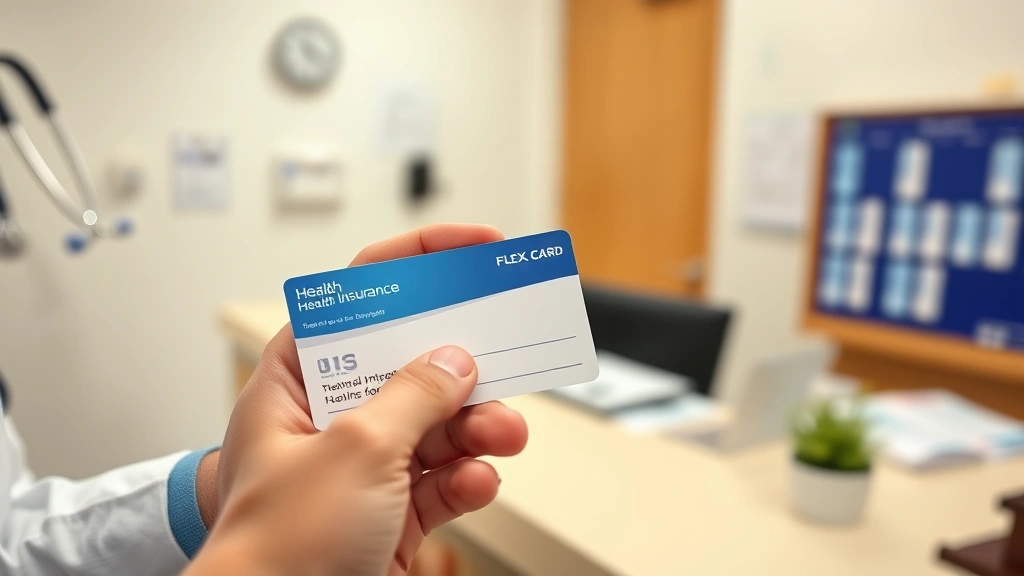
A flex card is a debit card-like payment tool provided by health insurance plans and benefit administrators to help employees access pre-tax money designated for healthcare expenses. These cards are tied directly to flexible spending accounts (FSAs), health savings accounts (HSAs), or dependent care flexible spending accounts (DCFSAs). The primary purpose is to streamline payment for qualified medical expenses without requiring reimbursement paperwork for every transaction.
Flex cards differ from traditional health insurance cards because they function as a direct payment mechanism for specific healthcare costs rather than insurance coverage. When you swipe a flex card at a pharmacy, doctor’s office, or medical facility, the transaction deducts funds from your pre-tax healthcare account. This means you’re using money you’ve already set aside before taxes were calculated, effectively reducing your taxable income and putting more money back in your pocket.
The concept emerged as employers and insurance companies sought to simplify benefit administration and encourage employees to use their healthcare dollars more efficiently. Rather than submitting receipts and waiting for reimbursement, flex card holders enjoy immediate payment processing at the point of service. This convenience factor has made flex cards increasingly popular among health-conscious employees seeking to optimize their health and wellness career investments.
Which Health Insurance Plans Offer Flex Cards?
Not all health insurance plans offer flex cards, but they’re becoming more widespread, particularly among larger employers and comprehensive benefit packages. Understanding which plans include this feature helps you make informed decisions during open enrollment periods.
Employer-Sponsored Plans: Most major employers offering health benefits include FSA and HSA options with flex cards as part of their benefit packages. Large corporations, healthcare organizations, government agencies, and educational institutions frequently provide these tools. If you’re working in public health remote jobs, your employer likely offers some form of flex card benefit.
Health Savings Accounts (HSAs): HSA-qualified high-deductible health plans (HDHPs) typically include HSA debit cards. These accounts combine the benefits of tax-advantaged savings with investment potential, making them particularly valuable for building healthcare wealth over time. HSA flex cards are offered by insurance carriers like Aetna, Blue Cross Blue Shield, Cigna, UnitedHealthcare, and Humana.
Flexible Spending Accounts (FSAs): Traditional FSAs come with flex cards through third-party administrators like WageWorks, Conduent, Benefitfocus, and Alegeus. These accounts allow employees to set aside pre-tax dollars for healthcare expenses, with the flex card providing convenient access.
Limited-Purpose FSAs: Some employers offer limited-purpose FSAs specifically for dental and vision expenses, often with accompanying flex cards. These are particularly common in comprehensive benefit structures.
Dependent Care FSAs: While primarily for childcare and adult dependent care, dependent care FSAs sometimes include flex cards for payment processing at qualified care providers.
To determine if your specific health plan includes a flex card, review your Summary of Benefits and Coverage (SBC) document, contact your benefits administrator, or check your employer’s benefits portal. The Healthcare.gov website provides resources for understanding your coverage options.
How Flex Cards Work and Their Key Benefits
Understanding the mechanics of flex cards helps you use them strategically to reduce healthcare costs and improve your financial position. The process is straightforward but requires knowledge of rules and limitations.
Account Funding and Pre-Tax Contributions: During open enrollment, you elect to contribute a specific amount to your FSA or HSA. These contributions are deducted from your paycheck before taxes are calculated, reducing your taxable income. For 2024, FSA contribution limits are $3,200 annually, while HSA contribution limits range from $4,150 for individual coverage to $8,300 for family coverage. Contributing the maximum to these accounts effectively creates a tax-free healthcare spending pool.
Card Activation and Usage: Your flex card arrives once your election is processed. You can use it immediately at pharmacies, medical offices, dental practices, vision centers, and other qualified providers. The card functions like a debit card, with transactions processed instantly against your account balance.
Real-Time Balance Tracking: Most flex card programs provide online portals or mobile apps where you can check your remaining balance, review transaction history, and access your account details. This transparency helps prevent overspending and ensures you’re maximizing your benefits within the annual limit.
Key Benefits of Flex Cards:
- Tax Savings: Pre-tax contributions reduce your taxable income, saving 25-37% on healthcare expenses depending on your tax bracket. An employee earning $75,000 contributing $3,200 to an FSA saves approximately $960 in federal income taxes alone.
- Immediate Payment: No need to pay out-of-pocket and wait for reimbursement. The card handles payment directly, improving cash flow and reducing administrative burden.
- Simplified Tracking: Digital account management makes it easy to monitor spending, plan healthcare expenses, and ensure you don’t lose unused funds.
- Encourages Healthcare Engagement: Having designated healthcare dollars encourages preventive care and reduces avoidance of necessary medical treatment due to cost concerns.
- Employer Savings: Employers benefit from reduced payroll taxes when employees contribute to FSAs and HSAs, sometimes allowing them to offer additional benefits or better rates.
For professionals in health informatics careers, understanding these mechanics provides valuable insight into healthcare cost structures and employee benefits optimization.
Qualified Medical Expenses and Coverage
Not every healthcare expense qualifies for flex card payment. The IRS maintains strict guidelines about what constitutes a qualified medical expense, and using your flex card for non-qualifying expenses can result in penalties and tax complications.
Clearly Qualified Expenses: Copayments, coinsurance, deductibles, and out-of-pocket maximums all qualify. Prescription medications, insulin, and other prescribed drugs are covered. Dental work including cleanings, fillings, root canals, and orthodontia qualify. Vision expenses including eye exams, glasses, contacts, and contact lens solutions are eligible. Medical equipment like crutches, wheelchairs, hearing aids, and blood pressure monitors qualify. Mental health and therapy services are covered expenses.
Commonly Misunderstood Eligible Expenses: Over-the-counter medications like aspirin, cold medicine, and allergy medication now qualify with a prescription. Certain medical supplies including bandages, first aid kits, and thermometers qualify. Acupuncture and chiropractic care qualify when prescribed by a physician. Weight loss programs qualify when prescribed for a specific medical condition. Certain cosmetic procedures qualify only if medically necessary (reconstructive surgery following injury).
Non-Qualifying Expenses: General wellness products like vitamins and supplements don’t qualify unless prescribed. Cosmetic procedures for appearance enhancement don’t qualify. Gym memberships and fitness equipment generally don’t qualify, even if health-related. Cosmetic dental work doesn’t qualify. Most over-the-counter products without prescription don’t qualify. Medications available without prescription (except insulin) don’t qualify.
Understanding these distinctions is crucial for employees at all career levels, whether you’re in mental health counseling roles or other healthcare positions. The IRS provides detailed guidance on qualified expenses through Publication 502.
Maximizing Your Flex Card Benefits
Strategic planning maximizes the value of your flex card and ensures you capture the full tax benefits available to you.
Estimate Annual Healthcare Costs: Review your previous year’s medical, dental, and vision expenses. Include anticipated costs like annual exams, known procedures, and prescription refills. Conservative estimation prevents over-contribution and the risk of losing unused funds (use-it-or-lose-it rule for FSAs).
Coordinate with Insurance Coverage: Understand your deductible, copayment structure, and out-of-pocket maximum. Many employees overlook the fact that their deductible and out-of-pocket costs are ideal flex card expenses since these reduce their insurance company’s obligation while using pre-tax dollars.
Plan for Predictable Expenses: Schedule routine dental cleanings, vision exams, and other preventive care early in the year. This allows you to use flex card funds efficiently and spread expenses throughout the year.
Take Advantage of Prescription Flexibility: If your doctor allows, consider requesting a 90-day supply of maintenance medications to consume more flex card funds strategically. Ensure you’re getting the maximum value from your healthcare dollars while maintaining compliance with insurance requirements.
Leverage HSA Triple Tax Advantage: If your plan includes an HSA, maximize contributions since HSAs offer triple tax benefits: tax-deductible contributions, tax-free growth, and tax-free withdrawals for qualified expenses. Unlike FSAs, HSAs roll over annually and can be invested for long-term healthcare wealth building.
Document Everything: Keep receipts and documentation for all flex card transactions. The IRS may audit FSA and HSA accounts, and proper documentation protects you from penalties. Digital record-keeping through your account portal helps maintain compliance.
Review Plan Changes During Open Enrollment: Annually evaluate whether your contribution level aligns with your actual healthcare needs. Increasing or decreasing contributions based on life changes ensures optimal benefit utilization.

” alt=”Professional reviewing health insurance documents and benefit statements at desk with laptop and calculator” />
Common Mistakes to Avoid
Even with good intentions, many employees make costly mistakes with their flex cards that reduce benefits or create tax complications.
Over-Contributing to FSAs: The use-it-or-lose-it rule means FSA funds not spent by December 31 (or during a grace period if offered) are forfeited. Contributing more than you’ll realistically spend wastes tax benefits. Start conservatively and increase contributions in subsequent years based on actual spending patterns.
Using the Card for Non-Qualified Expenses: Swiping your flex card for gym memberships, cosmetic products, or general wellness items creates tax liability and potential penalties. The IRS may require repayment of tax benefits plus interest and penalties if audited.
Neglecting to Track Receipts: Failing to maintain documentation for flex card transactions creates audit risk. The IRS requires substantiation for all FSA and HSA withdrawals. Digital record-keeping through your account portal supplements but doesn’t replace physical receipts.
Ignoring Dependent Care FSA Options: Many employees don’t realize dependent care FSAs allow them to set aside up to $5,000 annually for childcare or adult dependent care expenses with the same pre-tax benefits. Missing this opportunity leaves significant tax savings on the table.
Not Maximizing HSA Investment Potential: Employees with HSAs often treat them like simple savings accounts, missing the investment growth opportunity. HSAs can be invested in mutual funds and stocks, allowing tax-free compound growth for healthcare expenses in retirement.
Failing to Update Elections During Life Changes: Marriage, divorce, birth of children, and other qualifying life events allow mid-year FSA and HSA election changes. Missing these opportunities means missing tax optimization windows.
Overlooking Coordination of Benefits: Employees with multiple coverage sources (spouse’s plan, individual plan, etc.) sometimes double-dip or create coordination of benefits problems. Understanding how flex cards interact with multiple coverages prevents claim denials and tax issues.
Visit the IRS Publication 969 for comprehensive guidance on Health Savings Accounts and the IRS Publication 502 for detailed information on medical and dental expense deductions.
” alt=”Young professional woman smiling at pharmacy counter while using healthcare payment card” />
FAQ
What’s the difference between flex cards and FSA debit cards?
Flex cards and FSA debit cards are essentially the same thing. The term “flex card” is generic for any debit card provided by a flexible spending account administrator. Some companies call them FSA cards, HSA cards, or healthcare debit cards depending on the account type they’re connected to.
Can I use my flex card at any pharmacy or doctor’s office?
Most flex cards work at any IIAS (Inventory Information Approval System) certified pharmacy or medical provider. However, some smaller practices may not accept them. Call ahead to confirm before your appointment, or check your account portal for a provider directory.
What happens to unused flex card funds at the end of the year?
For FSAs, unused funds are forfeited under the use-it-or-lose-it rule (though employers can offer a $610 rollover or 2.5-month grace period). HSA funds roll over indefinitely and can be invested for future healthcare needs. This distinction makes HSAs significantly more valuable for long-term healthcare wealth building.
Can I use my flex card for family members’ expenses?
Yes, you can use flex card funds for eligible medical expenses of your spouse and dependents claimed on your tax return, even if they’re not covered under your health plan. This expands your eligible expense pool significantly.
What documentation do I need for flex card purchases?
Keep itemized receipts showing the date, provider name, and service or product description. For pharmacy purchases, the receipt should show the medication name and that it was prescribed. Digital records through your account portal help, but IRS audits may require original receipts.
How do flex cards affect my taxable income?
Flex card contributions reduce your gross income before taxes are calculated. Contributing $3,200 to an FSA reduces your taxable income by $3,200, saving you approximately $800-$1,200 in federal, state, and FICA taxes depending on your tax bracket.
Can I change my flex card election mid-year?
Generally, no. FSA elections are fixed for the plan year. However, qualifying life events (marriage, birth, divorce, job loss, significant benefit plan changes) allow mid-year adjustments. Check with your benefits administrator about eligible events.
What’s the best strategy for HSA contribution and investment?
Maximize HSA contributions, use out-of-pocket funds for current healthcare expenses if possible, and invest the HSA balance for long-term growth. This creates a triple tax-advantaged healthcare retirement fund. Treat your HSA like a retirement account rather than a checking account.


