
Careers in Public Health: Expert Pathways Explained
A bachelor’s degree in public health opens doors to diverse, meaningful careers that directly impact community wellness and disease prevention. Whether you’re passionate about epidemiology, health policy, environmental protection, or community outreach, this degree provides the foundational knowledge employers seek across government, nonprofit, and private sectors. The field is experiencing significant growth, with the Bureau of Labor Statistics projecting steady demand for public health professionals through the coming decade.
Understanding what you can do with a bachelor’s in public health requires exploring the breadth of specializations available and the real earning potential across different roles. From disease surveillance to health promotion, public health professionals work at the intersection of science, policy, and human welfare. This guide walks you through legitimate career pathways, salary expectations, and advancement opportunities that make this degree a smart investment in both your future and society’s health.
Epidemiologist and Disease Surveillance Roles
Epidemiologists investigate disease patterns and outbreaks, making this one of the most prestigious careers for public health graduates. With a bachelor’s degree, you can begin as an epidemiologist assistant or junior epidemiologist, typically earning $45,000-$55,000 annually. These professionals track disease transmission, identify risk factors, and develop prevention strategies. The COVID-19 pandemic demonstrated the critical importance of this work, creating unprecedented demand for skilled epidemiologists at local, state, and federal levels.
Entry-level positions often involve data collection, literature review, and assisting senior epidemiologists with field investigations. You’ll work with disease reporting systems, analyze outbreak data, and communicate findings to public health officials. Many epidemiologists start at state health departments or the CDC’s Epidemic Intelligence Service program, which provides training and real-world experience. To advance into senior epidemiologist roles (earning $70,000-$95,000+), most professionals pursue a master’s degree in public health or epidemiology, but your bachelor’s degree provides the essential foundation.

Health Educator and Community Outreach Positions
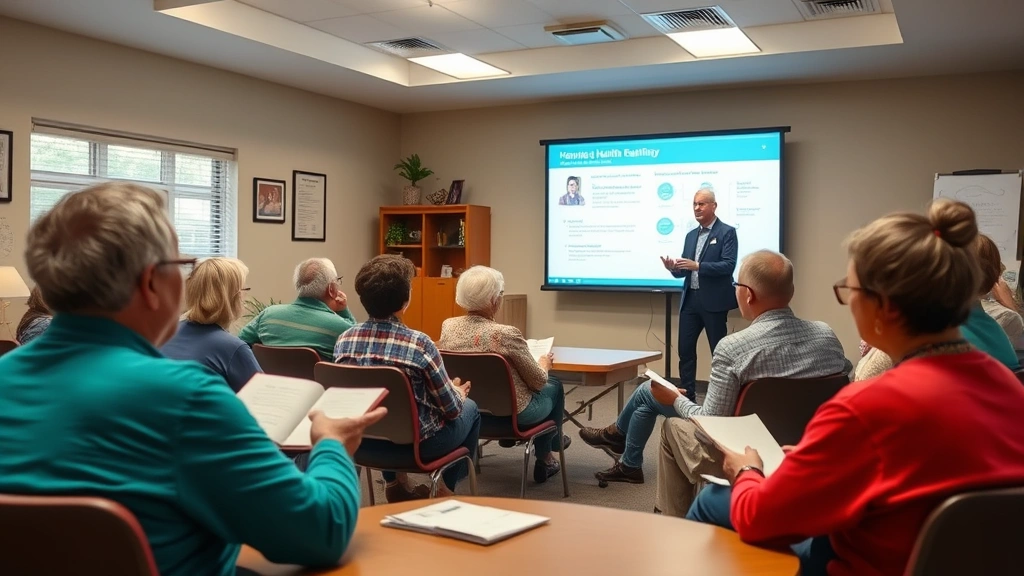
Health educators design and implement programs that promote healthy behaviors and disease prevention within communities. This role perfectly suits public health graduates interested in direct community engagement. Entry-level health educators earn approximately $40,000-$50,000 annually, with experienced educators reaching $65,000-$80,000. You’ll develop educational materials, conduct workshops, and work with diverse populations on topics ranging from chronic disease prevention to maternal health.
These positions exist across schools, hospitals, nonprofits, and government agencies. Your public health background equips you with knowledge of health disparities, evidence-based interventions, and community assessment techniques. Many health educators specialize in areas like tobacco prevention, nutrition education, or sexual health. The role combines scientific knowledge with communication skills, making it ideal if you enjoy public speaking and connecting with people. Learn more about health and wellness jobs to explore additional community-focused opportunities.
Environmental Health Specialist Careers
Environmental health specialists protect public health by monitoring and controlling environmental hazards like contaminated water, food safety issues, and workplace exposures. This career appeals to those interested in preventive health at the population level. Entry-level environmental health specialists earn $42,000-$52,000, with senior specialists reaching $65,000-$85,000. You’ll conduct inspections, collect samples, analyze test results, and enforce health regulations.
Many environmental health specialists work for county or state health departments, conducting food establishment inspections, investigating water quality issues, or assessing indoor air quality. Your public health degree provides the scientific foundation needed to understand toxicology, microbiology, and epidemiology as they relate to environmental exposures. Some specialists focus on occupational health and safety, working with employers to reduce workplace hazards. The role combines laboratory work, field investigations, and regulatory compliance, offering variety and meaningful impact.
Biostatistician and Data Analysis Paths
Biostatisticians analyze health data to support research, policy decisions, and program evaluation. With strong quantitative skills developed during your public health degree, you can pursue biostatistics roles earning $55,000-$70,000 starting, with experienced biostatisticians earning $85,000-$120,000+. This career suits graduates with strong mathematics backgrounds who enjoy working with data analysis software and statistical modeling.
Biostatisticians work for research institutions, pharmaceutical companies, government agencies, and universities. You’ll design studies, conduct statistical analyses, and interpret results for non-technical audiences. Many public health programs include biostatistics courses that prepare you for this trajectory. While some employers prefer graduate degrees in biostatistics or statistics, bachelor’s-level positions exist in data analysis, research coordination, and statistical programming. The field offers excellent earning potential and continuous growth as healthcare becomes increasingly data-driven.
Government and Regulatory Health Positions
Federal, state, and local government agencies employ large numbers of public health professionals in roles ranging from program management to policy analysis. Government health positions typically offer competitive salaries ($50,000-$75,000 for entry to mid-level roles), strong benefits, and job security. The CDC, FDA, NIH, and local health departments actively recruit bachelor’s-level public health graduates.
Common government positions include health program coordinator, disease investigator, and public health analyst roles. You’ll contribute to surveillance systems, help develop health policies, manage grant programs, or investigate disease outbreaks. Government work appeals to those seeking impact at scale and those interested in exploring career pathways with stability. Many government positions include loan forgiveness programs and professional development support, making them attractive for graduates with student debt. Federal positions often require passing a background check and may offer security clearances, opening additional career advancement opportunities.
Nonprofit and NGO Opportunities
Nonprofit organizations and NGOs addressing health issues employ many public health graduates in program coordinator, grant writer, and community liaison roles. Nonprofit salaries range from $38,000-$60,000 for entry-level positions, with growth potential to $70,000+ for experienced professionals. Organizations like the American Heart Association, American Cancer Society, and local community health centers constantly seek public health talent.
Nonprofit roles often emphasize community partnerships, health equity, and addressing social determinants of health. You might coordinate diabetes prevention programs, manage maternal health initiatives, or oversee community health worker programs. The nonprofit sector offers mission-driven work and often greater flexibility in innovative programming compared to government roles. Many nonprofit positions include professional development opportunities and exposure to grant writing and fundraising, valuable skills for career advancement. If you’re passionate about specific health issues or populations, the nonprofit sector provides meaningful focus.
Private Sector Health Roles
Insurance companies, healthcare consulting firms, pharmaceutical companies, and corporate wellness programs employ public health professionals. Private sector roles typically offer higher salaries ($50,000-$80,000 entry-level, reaching $90,000-$150,000+ with experience) compared to nonprofit and government positions. Your public health expertise is valuable in health insurance, pharmaceutical research, and corporate health promotion.
Insurance companies hire health analysts and quality improvement specialists who use public health knowledge to assess risk, design programs, and improve health outcomes. Consulting firms employ public health professionals to advise healthcare organizations on policy, program design, and quality improvement. Corporate wellness programs hire health promotion specialists who design workplace health initiatives. The private sector offers faster salary growth and sometimes more flexible career paths, though some graduates prefer the mission-driven nature of nonprofit and government work. Explore health science careers to understand the full spectrum of private sector opportunities.
Advanced Education and Specialization
Many public health graduates pursue advanced degrees to increase earning potential and specialize in specific areas. A Master of Public Health (MPH) typically increases salaries by 15-30%, with graduates earning $65,000-$100,000+ depending on specialization and employer. Specializations include epidemiology, maternal and child health, global health, health policy, and occupational health.
Some graduates pursue doctoral degrees (PhD or DrPH) to conduct research or teach at universities, earning $80,000-$150,000+. Others earn additional certifications like Certified Health Education Specialist (CHES) or Certified Industrial Hygienist (CIH) to advance in specific fields. Your bachelor’s degree provides the foundation for these advanced pursuits. Many employers offer tuition assistance for employees pursuing graduate degrees, making advancement financially feasible while working. Consider your long-term career goals when deciding whether to pursue graduate education immediately or gain work experience first.
Salary and Career Outlook
The public health field offers competitive salaries with strong growth prospects. According to the Bureau of Labor Statistics, epidemiologist positions are projected to grow 7% through 2032, faster than average occupational growth. Health educators and community health workers show similar growth trajectories. Median entry-level salaries for bachelor’s-degree public health professionals range from $40,000-$55,000, with experienced professionals earning $70,000-$95,000.
Several factors influence earning potential: geographic location (urban areas and high-cost regions typically pay more), employer type (private sector generally pays more than nonprofit), specialization (biostatisticians and epidemiologists earn more than general health educators), and advanced degrees. Government positions often include excellent benefits like pension plans and health insurance, which increase total compensation value. The COVID-19 pandemic demonstrated that public health professionals are essential workers, supporting sustained demand and potential salary growth. Career advancement typically occurs through gaining experience, obtaining certifications, pursuing advanced degrees, or transitioning to management roles.
Your bachelor’s in public health positions you for immediate employment with solid earning potential, with clear pathways to higher-paying roles through experience and additional credentials. The field offers genuine opportunities for related mental health career paths and wellness-focused positions that support both your financial goals and personal fulfillment.
FAQ
Can I work as a public health professional with just a bachelor’s degree?
Yes, absolutely. Many entry-level public health positions require only a bachelor’s degree. You can work as a health educator, environmental health specialist, disease investigator, health program coordinator, or research assistant. A bachelor’s degree provides sufficient qualification for many meaningful public health roles, though advanced degrees open additional opportunities and typically lead to higher salaries.
What skills should I develop to make myself competitive for public health jobs?
Develop strong data analysis skills, including proficiency with Excel, statistical software (SPSS, R, SAS), and health information systems. Communication skills are essential—you’ll need to explain complex health concepts to diverse audiences. Learn about qualitative research methods, grant writing, and program evaluation. Bilingual abilities are highly valued, particularly Spanish. Volunteer experience with community organizations strengthens applications significantly.
Which public health career path pays the most?
Biostatisticians and epidemiologists typically earn the highest salaries, especially with advanced degrees and experience. Private sector roles generally pay more than nonprofit and government positions. Specialized roles like occupational health and safety specialists or pharmaceutical public health professionals also command higher salaries. However, salary should be balanced against job satisfaction, work-life balance, and alignment with your values.
Do I need a master’s degree to advance in public health?
Not necessarily. You can advance to senior positions, management roles, and higher salaries with a bachelor’s degree combined with experience and relevant certifications. However, an MPH or specialized master’s degree accelerates advancement and increases earning potential significantly. Many professionals gain 3-5 years of experience with a bachelor’s degree, then pursue graduate education with employer support.
What geographic locations offer the best public health job opportunities?
Major metropolitan areas, state capitals, and regions with large healthcare systems typically offer more public health positions. Cities like New York, Los Angeles, Chicago, Atlanta, and Seattle have robust public health sectors. However, rural areas often have significant public health needs and may offer loan forgiveness programs or housing assistance to attract talent. Geographic flexibility increases your job prospects considerably.
How do I transition from public health into related fields?
Your public health degree provides foundation for transitions into healthcare administration, health policy, health informatics, occupational safety, or healthcare consulting. Many professionals use their bachelor’s as a launching point for diverse career paths. The analytical and communication skills you develop are transferable across healthcare and social service sectors, providing career flexibility.


