Maximize Wealth with Residential Home Health Tips
Your home is more than just a place to live—it’s a foundational asset in your wealth-building strategy. When you invest in residential home health, you’re not merely improving your living environment; you’re protecting one of your most significant financial investments while simultaneously enhancing your physical and mental well-being. The intersection of home wellness and financial prosperity reveals a powerful truth: a healthy home supports healthy finances, and a healthy lifestyle enables you to earn, save, and invest more effectively.
Many people overlook the connection between their residential environment and their overall wealth trajectory. Poor home conditions can lead to health issues, increased medical expenses, reduced productivity, and diminished earning potential. Conversely, maintaining optimal residential home health creates a ripple effect of positive outcomes—lower healthcare costs, improved focus for income-generating activities, better mental clarity for financial decisions, and increased property value. This comprehensive guide explores how strategic residential home health investments directly contribute to your long-term wealth accumulation.
Understanding the Wealth Connection: Home Health and Financial Security
The relationship between residential home health and wealth accumulation operates on multiple levels. First, your home environment directly influences your health outcomes. According to research from the Centers for Disease Control and Prevention, environmental factors in residential spaces—including air quality, moisture levels, temperature control, and cleanliness—significantly impact respiratory health, immune function, and overall longevity. When your home environment is compromised, your body works harder to maintain health, diverting energy and resources that could otherwise be directed toward wealth-building activities.
Second, residential home health directly affects property valuation. A home with excellent maintenance records, clean systems, proper ventilation, and healthy living conditions commands higher market value and attracts better tenants if you’re considering rental income. This appreciation becomes part of your net worth calculation and provides leverage for future financial moves.
Third, maintaining residential home health prevents catastrophic expenses. A water leak detected early costs hundreds to repair; left unaddressed, it becomes a mold remediation project costing thousands. A properly maintained HVAC system operates efficiently for years; a neglected system fails suddenly, requiring emergency replacement at premium prices. These preventive dynamics create substantial wealth preservation opportunities.
Consider also the productivity angle. When you’re comfortable in your home—properly heated, cooled, well-lit, and free from health hazards—you perform better in your income-generating work. You’re more focused, more creative, and more motivated. Studies show that people in optimized home environments report higher job satisfaction and increased earnings potential. Explore our health and wellness jobs resource to understand how home wellness expertise can even become an income stream.
Creating a Healthy Home Environment for Optimal Productivity
Your residential space functions as your command center for wealth creation. Whether you work from home, manage finances from your kitchen table, or simply need a restorative space to recharge between income-generating activities, environmental quality matters tremendously.
Air Quality and Ventilation: Poor indoor air quality reduces cognitive function by up to 50%, according to research on office environments. Ensure your home has adequate ventilation through open windows when weather permits, functioning exhaust fans in bathrooms and kitchens, and consider HEPA filtration systems. Air purifiers represent a small investment with measurable returns in terms of clarity and productivity.
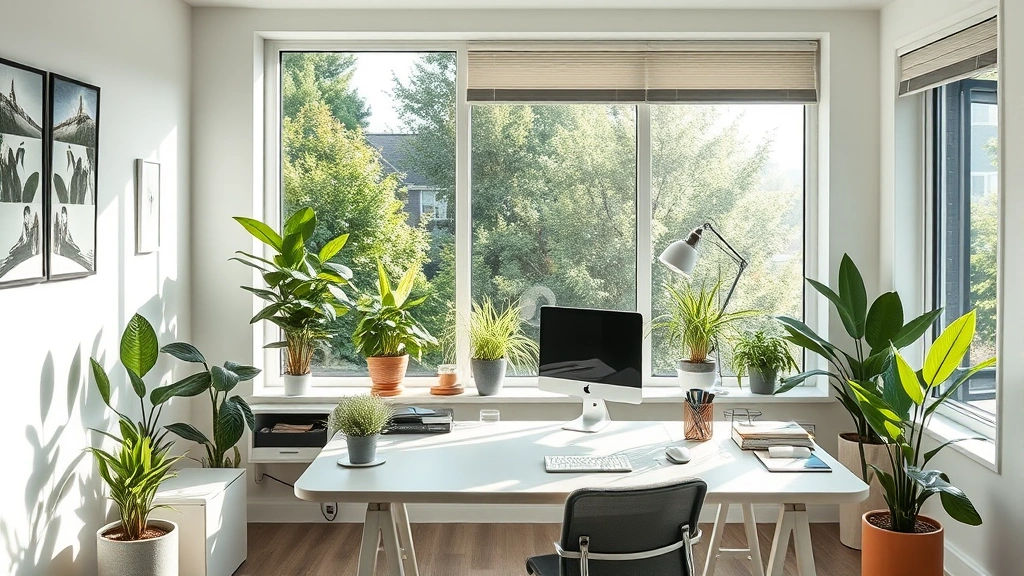
Lighting Optimization: Natural light regulates circadian rhythms, improves mood, and enhances focus. Position your workspace near windows when possible. For evening work, use warm-spectrum lighting rather than harsh fluorescents to maintain healthy sleep patterns, which directly impact your ability to earn and make sound financial decisions.
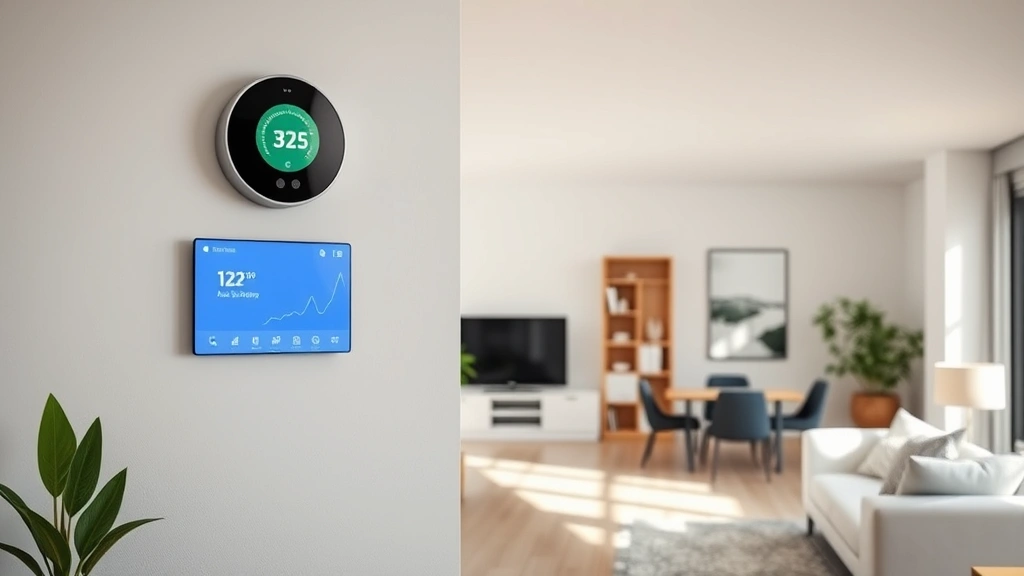
Temperature and Comfort: Thermal comfort significantly affects concentration. Research shows productivity peaks between 69-71°F (20.5-21.7°C). Invest in programmable thermostats that maintain consistent temperatures while reducing energy costs—a dual benefit for both health and wealth.
Noise Management: Excessive noise increases stress hormones and impairs focus. Identify noise sources in your residential space and address them strategically. This might mean weather-stripping doors, using white noise machines, or scheduling focused work during quieter hours.
Our guide on best exercises for mental health complements these environmental factors, as physical activity in a healthy home space creates synergistic wellness benefits.
Preventive Home Health Measures That Save Money Long-Term
The wealthiest individuals understand that prevention is always cheaper than cure. This principle applies directly to residential home health. Strategic preventive maintenance creates a compound savings effect over decades of homeownership.
Water System Protection: Water damage represents one of the most expensive residential emergencies. Implement preventive measures: inspect plumbing annually, maintain proper grading around your foundation to direct water away, install water detection sensors in vulnerable areas, and address even small leaks immediately. These investments of $500-2,000 prevent potential $10,000-50,000+ disasters.
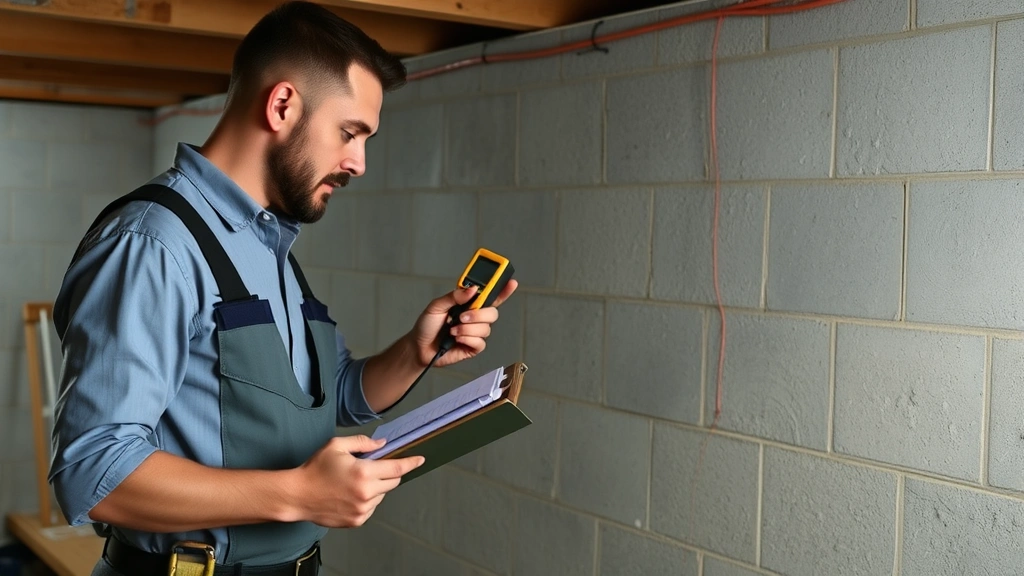
Mold and Moisture Control: Mold remediation can cost $2,000-6,000 or more. Prevention is vastly superior: maintain humidity levels between 30-50%, ensure proper ventilation in bathrooms and kitchens, fix roof leaks immediately, and inspect basements and crawl spaces seasonally. A $200 dehumidifier prevents exponentially larger expenses.
HVAC System Maintenance: Your heating and cooling system is among your home’s most expensive components. Annual maintenance ($100-200) extends system life by years and maintains efficiency, reducing energy costs by 10-15% annually. This represents $200-400+ in yearly savings—a remarkable return on minimal investment.
Pest Prevention: Pest infestations damage property structure and create health hazards. Preventive sealing, regular inspections, and proper sanitation cost far less than remediation. A $300 preventive pest control program beats a $3,000+ termite damage repair.
Roof and Gutter Maintenance: Your roof protects your entire investment. Annual gutter cleaning ($100-300) and periodic roof inspections ($200-400) prevent water intrusion that damages attics, insulation, and structural integrity. Catching issues early means $500 repairs instead of $5,000+ replacements.
These preventive measures exemplify the wealth-building principle of paying small amounts consistently rather than large amounts catastrophically. Over a 30-year mortgage, preventive maintenance might cost $20,000-30,000 but prevents $100,000+ in emergency repairs.
Smart Home Improvements That Increase Property Value
Not all home improvements provide equal returns, but strategic residential health enhancements both improve your living experience and boost property valuation. Understanding which improvements generate the best return on investment (ROI) helps you allocate resources wisely.
Energy Efficiency Upgrades: Modern insulation, energy-efficient windows, and LED lighting systems reduce utility costs while improving comfort. These upgrades typically return 70-80% of investment at resale and provide immediate monthly savings. A $5,000 investment might reduce annual energy costs by $600-800, plus increase home value by $3,500-4,000.
Bathroom and Kitchen Updates: These areas command premium returns. A modest bathroom renovation returns approximately 60-70% of investment; kitchen updates return 50-60%. More importantly, updated plumbing and fixtures reduce health risks from old pipes and improve daily wellness.
Foundation and Structural Work: While unglamorous, foundation repairs and structural improvements are critical. A $10,000 foundation repair that prevents future water damage protects your entire $300,000+ investment. Buyers and appraisers heavily weight structural integrity.
Indoor Air Quality Systems: Advanced filtration, humidity control, and ventilation systems appeal to health-conscious buyers and command premium pricing. A $3,000-5,000 investment in whole-home air quality systems returns $4,000-6,000 in property value while improving your current health.
Smart Home Health Technology: Modern water leak detectors, air quality monitors, and integrated home health systems represent emerging value. Early adopters who install these systems gain both immediate safety benefits and future market advantages.
Review our Wealthysphere Blog for ongoing insights on how home wellness investments align with broader wealth strategies.
Mental Health and Home Wellness: The Productivity Factor
Your residential environment profoundly influences mental health, which directly impacts your earning capacity and financial decision-making. A home designed with wellness in mind becomes a mental health asset.
Stress Reduction Through Design: Clutter, disorganization, and poor aesthetics create chronic low-level stress. This stress elevates cortisol levels, impairs decision-making, and reduces motivation. Conversely, organized, aesthetically pleasing spaces reduce anxiety and improve emotional regulation. The cost of organization systems ($500-2,000) returns enormous dividends in mental clarity and productivity.
Creating Restorative Spaces: Designate areas in your home specifically for relaxation and recovery. This might be a meditation corner, reading nook, or exercise space. These areas support the mental restoration necessary for sustained high performance in income-generating activities.
Natural Elements and Biophilic Design: Incorporating plants, natural materials, and views of nature reduces stress and improves mood. Research shows that natural elements in residential spaces improve focus and reduce anxiety by measurable amounts. A few plants and natural wood elements cost little but provide significant returns in mental wellness.
Sleep Environment Optimization: Sleep quality directly impacts earning potential. A bedroom optimized for sleep—dark, cool, quiet, comfortable—enables better rest, which improves cognitive function, emotional regulation, and productivity. Quality bedding and blackout curtains ($500-1,000) represent investments in your most fundamental wealth-building resource: your brain.
Explore our comprehensive article on mental health books to deepen your understanding of how residential wellness connects to psychological prosperity.
Building Sustainable Home Health Habits on Any Budget
Residential home health doesn’t require unlimited spending. Strategic, consistent habits create health and wealth regardless of budget. The key is understanding which investments provide the greatest returns relative to cost.
Low-Cost, High-Impact Habits: Daily cleaning, proper organization, seasonal inspections, and prompt repairs cost nothing to minimal amounts but prevent major expenses. Establishing these habits as non-negotiable routines creates compound benefits. Thirty minutes of weekly maintenance prevents thousands in emergency repairs.
Seasonal Maintenance Checklist: Create a simple checklist for each season: spring (gutter cleaning, foundation inspection), summer (roof inspection, HVAC maintenance), fall (weatherproofing, heating system check), winter (pipe protection, emergency preparedness). Following this $0-500 annual checklist prevents $10,000+ in seasonal emergencies.
DIY vs. Professional Services: Understand which tasks you can safely handle and which require professionals. Painting, basic repairs, and cleaning are often excellent DIY projects. Electrical, plumbing, and structural work typically require professionals. Spending $2,000 on professional foundation inspection prevents a $50,000 disaster—a transaction with extraordinary ROI.
Phased Improvement Approach: Rather than overwhelming yourself with simultaneous projects, prioritize based on health impact and financial return. Address safety issues first, then health-impacting items, then value-adding improvements. This phased approach distributes costs while maintaining momentum.
Our article on benefits of a balanced diet complements home health by addressing how residential wellness connects to nutritional health, creating comprehensive wellness that supports wealth building.
Technology and Systems for Maintaining Residential Wellness
Modern technology provides tools that make residential home health management easier and more effective. Smart systems monitor conditions, alert you to problems early, and optimize efficiency.
Water and Moisture Monitoring: Smart water leak detectors placed in vulnerable areas provide real-time alerts. These devices ($30-100 each) catch leaks early, preventing thousands in damage. Some systems even shut off water automatically when leaks are detected.
Air Quality Monitoring: Smart air quality monitors track temperature, humidity, CO₂ levels, and particulate matter. These insights help you optimize ventilation and identify health hazards before they become problems. Investment: $200-500 for whole-home monitoring.
Energy Management Systems: Smart thermostats and energy monitors provide real-time consumption data. Understanding where your energy dollars go enables targeted efficiency improvements. A $300 smart thermostat typically pays for itself through energy savings within 2-3 years.
Maintenance Tracking Software: Apps like HomeZada, Centriq, or even simple spreadsheets help you track maintenance schedules, warranty information, and contractor details. This $0-50 investment prevents forgotten maintenance and helps you stay proactive rather than reactive.
Security and Emergency Systems: Modern security systems include environmental monitoring, emergency alerts, and professional monitoring services. These protect your physical investment while providing peace of mind that supports better financial decision-making.
The integration of these technologies creates a comprehensive home health system that operates almost automatically, requiring minimal effort while maximizing protection and efficiency.
FAQ
How does residential home health directly impact wealth accumulation?
Residential home health impacts wealth through multiple channels: preventing catastrophic expenses (water damage, structural issues), maintaining property value, improving your productivity and earning capacity, reducing healthcare costs, and enabling better financial decision-making through reduced stress and improved mental clarity. A healthy home environment essentially multiplies your wealth-building capacity.
What’s the most important preventive residential health measure?
Water management is typically the highest-impact preventive measure. Water damage represents one of the most expensive residential emergencies and is entirely preventable through proper grading, gutter maintenance, plumbing inspections, and early leak detection. Investing $500-2,000 in water prevention prevents potential $20,000-50,000+ disasters.
How much should I budget annually for residential home health maintenance?
A general rule is 1-2% of your home’s value annually. For a $300,000 home, this means $3,000-6,000 yearly. This budget covers routine maintenance, preventive services, and modest repairs. This investment returns multiples of its cost by preventing emergency expenses and maintaining property value.
Can residential home health improvements increase my property’s resale value?
Absolutely. Strategic improvements—particularly energy efficiency upgrades, updated plumbing and electrical systems, improved air quality, and structural repairs—increase both property value and buyer appeal. Energy-efficient upgrades typically return 70-80% of investment; bathroom/kitchen updates return 50-70%; structural improvements protect your entire investment.
What’s the connection between home environment and earning capacity?
Research consistently shows that optimized home environments improve focus, reduce stress, and enhance productivity. A well-maintained, comfortable, healthy home enables better work performance, improved decision-making, and increased earning potential. Some studies suggest that environmental optimization can increase productivity by 10-25%, directly translating to higher income.
Is it worth investing in air quality systems for my home?
Yes, particularly if you spend significant time at home or have respiratory sensitivities. Air quality systems ($2,000-5,000) improve health, increase property value, reduce energy costs through efficient filtration, and appeal to health-conscious buyers. The health benefits alone often justify the investment, with property value appreciation as an additional benefit.
How can I maintain residential home health on a limited budget?
Focus on high-impact, low-cost habits: establish a seasonal maintenance routine, perform DIY tasks you’re capable of, prioritize preventive measures over reactive repairs, and create a phased improvement plan. Many of the most important residential health measures (organization, cleaning, regular inspections) cost nothing but time and consistency.


