Healthiest Cookware Material? Expert Recommendations for Safe Kitchen Choices
The cookware you choose directly impacts your family’s health and nutrition. Every time you prepare a meal, your pots and pans interact with food, potentially leaching harmful substances or preserving nutritional value. Understanding which materials are safest ensures you’re making informed decisions about what touches your family’s food. This comprehensive guide examines the healthiest cookware materials based on scientific research and expert recommendations.
Cookware safety has become increasingly important as consumers discover that certain materials may release toxins when heated. From non-stick coatings to reactive metals, each material presents unique benefits and concerns. We’ll explore the science behind popular cookware options, helping you identify which materials align with your health priorities and cooking habits.
Stainless Steel: The Reliable Standard
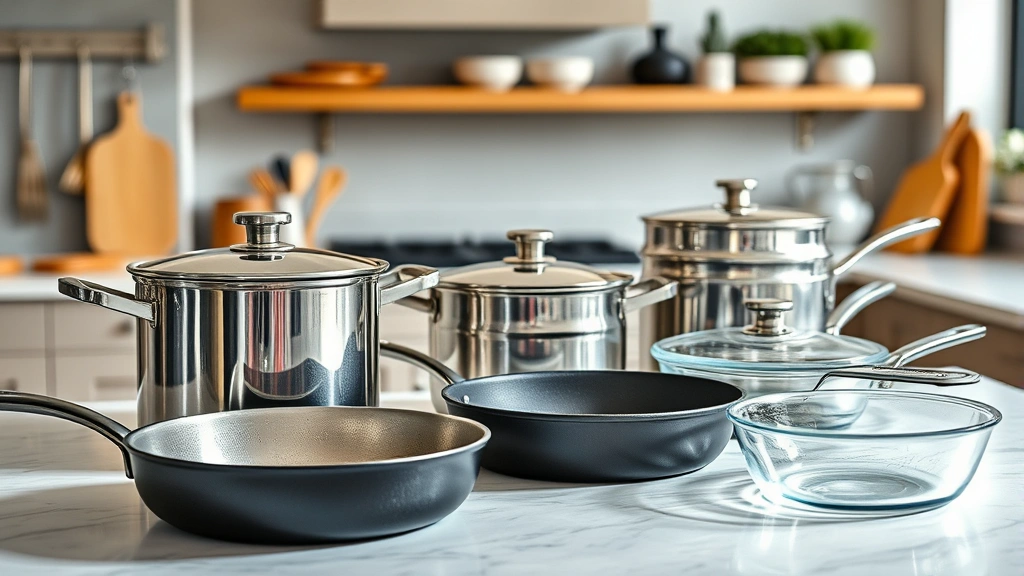
Stainless steel represents one of the safest cookware materials available, particularly for health-conscious consumers. This alloy combines iron, chromium, and nickel to create a durable, non-reactive surface that doesn’t leach harmful substances into food, even at high temperatures. The chromium oxide layer that forms on stainless steel’s surface acts as a protective barrier, preventing interaction between the metal and your food.
The primary advantage of stainless steel is its stability across all cooking methods. Whether you’re boiling, sautéing, or simmering acidic foods like tomatoes, stainless steel maintains its integrity without releasing metals into your meals. This makes it particularly valuable for health-conscious individuals who prioritize food safety alongside nutrition.
However, stainless steel cookware does have considerations. Poor-quality stainless steel may contain higher nickel levels, which could concern individuals with nickel sensitivities. Look for cookware marked as 18/10 or 18/8 stainless steel, indicating superior chromium and nickel ratios. Additionally, stainless steel conducts heat unevenly unless it features an aluminum or copper core, which improves cooking performance without compromising safety.
Investment in quality stainless steel cookware pays dividends over time. Premium brands offer lifetime warranties and superior heat distribution, making them cost-effective long-term choices. The durability of stainless steel means you won’t need to replace cookware frequently, reducing both environmental impact and household expenses—a consideration for those building lasting financial health.
Cast Iron: Traditional and Nutrient-Rich
Cast iron cookware offers unique health benefits that extend beyond safety into nutritional enhancement. When you cook in cast iron, particularly when preparing acidic foods, small amounts of iron leach into your meals. For individuals with iron deficiency anemia, this natural fortification can meaningfully contribute to daily iron intake, though it shouldn’t replace medical treatment.
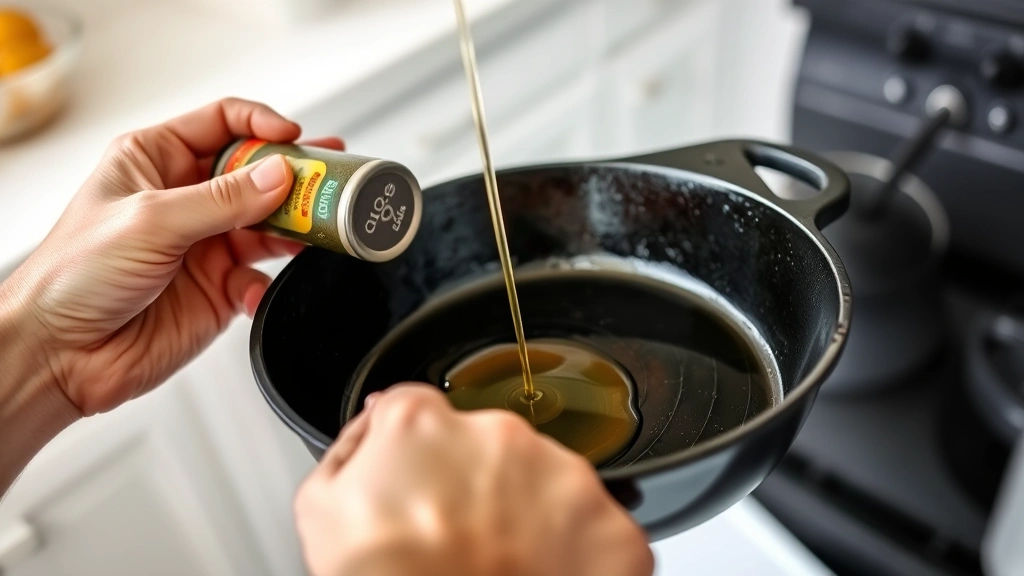
The seasoning process that protects cast iron—building up layers of polymerized oil—creates a naturally non-stick surface without synthetic coatings. This seasoning layer is entirely food-safe and improves with use, making properly maintained cast iron safer than many modern alternatives. The thermal mass of cast iron also provides superior heat retention, allowing for more even cooking and better browning of foods.
Cast iron’s longevity is unmatched in cookware history. Properly cared-for cast iron can last generations, passed down as family heirlooms. This durability aligns perfectly with sustainable living and financial responsibility. Unlike cookware that degrades and requires replacement, cast iron improves with age and use.
The primary consideration with cast iron involves maintenance and initial cost. New cast iron requires proper seasoning, and ongoing care prevents rust and maintains the protective coating. Individuals with hemochromatosis or iron overload conditions should consult healthcare providers before regularly using cast iron. Additionally, cast iron’s weight makes it challenging for those with limited strength or mobility, and it requires stovetop cooking rather than oven use for some applications.
Ceramic Cookware: Modern Safety Focus
Ceramic cookware has emerged as a popular alternative for health-conscious cooks seeking non-toxic options. True ceramic cookware features a clay-based construction with a ceramic glaze, entirely free from synthetic polymers and harmful chemicals. The inert ceramic surface doesn’t react with food acids or bases, maintaining nutritional integrity while preventing contamination.
The appeal of ceramic lies in its non-stick properties without synthetic coatings. Unlike traditional non-stick surfaces, ceramic doesn’t rely on chemical polymers that may degrade with heat. For individuals concerned about health science and chemical exposure, ceramic offers peace of mind during everyday cooking.
However, ceramic cookware presents durability challenges. The ceramic glaze can chip or crack with impact or thermal shock, potentially exposing the underlying clay. Once compromised, ceramic cookware becomes unsafe for cooking. Additionally, ceramic conducts heat less efficiently than metal cookware, requiring longer preheating times and more precise temperature management. Quality ceramic cookware also carries significant cost, and the shorter lifespan compared to stainless steel or cast iron affects long-term value.
When selecting ceramic cookware, verify that it’s free from lead and cadmium contamination. Some imported ceramic products have tested positive for these heavy metals, particularly in decorative glazes. Choose products certified by third-party testing organizations, and inspect cookware regularly for signs of wear or damage.
Non-Stick Coatings: Understanding the Risks
Non-stick cookware popularity stems from convenience, but the health implications deserve careful consideration. Traditional non-stick coatings rely on polytetrafluoroethylene (PTFE), commonly known by the brand name Teflon. When heated above 570°F, PTFE breaks down and releases perfluorooctanoic acid (PFOA), a chemical linked to various health concerns in scientific literature.
The primary risk occurs when non-stick cookware is overheated or damaged. Even small scratches expose the underlying metal, compromising the coating’s integrity. Preheating empty pans, using high heat settings, and metal utensils accelerate coating degradation. For families preparing meals regularly, the cumulative exposure risk increases substantially over time.
Manufacturers have reformulated non-stick coatings in response to health concerns, introducing PTFE-free alternatives. These newer coatings use different polymers intended to be safer at typical cooking temperatures. However, long-term safety data remains limited, and some experts recommend caution until comprehensive research establishes their safety profiles conclusively.
The convenience of non-stick cookware must be weighed against potential health risks and the material’s limited lifespan. Non-stick surfaces degrade with use, requiring replacement every 3-5 years for regular cooks. This frequent replacement increases household expenses and environmental impact compared to durable alternatives like stainless steel or cast iron.
If you choose non-stick cookware, implement safety practices: use medium or lower heat settings, avoid preheating empty pans, replace cookware at the first sign of coating damage, and never use metal utensils that scratch the surface. Better yet, consider transitioning to safer materials that don’t require such vigilant management.
Copper and Aluminum: Reactive Metals
Copper and aluminum cookware present distinct challenges for health-conscious cooks due to their reactive nature. Aluminum readily oxidizes when exposed to acidic or alkaline foods, potentially leaching into meals. While the amounts are typically small, regular consumption of aluminum has raised concerns in scientific circles regarding neurological health, making aluminum cookware a questionable choice for daily use.
Copper, while an essential nutrient in small quantities, becomes problematic in excess. Unlined copper cookware leaches copper into food, particularly when cooking acidic dishes. Excessive copper intake interferes with zinc absorption and can cause gastrointestinal distress. Copper cookware should always feature a protective lining of stainless steel or tin to prevent direct contact with food.
Many cookware manufacturers use aluminum or copper cores bonded to stainless steel surfaces, combining the heat conductivity benefits of reactive metals with the safety of stainless steel. This construction method is entirely safe, as the reactive metal remains isolated from food by the stainless steel layer. However, cookware with damaged cladding exposes the reactive core, creating potential health risks.
When inspecting cookware, ensure that any aluminum or copper components are fully encapsulated within protective layers. Avoid cookware showing wear patterns that expose the base metals. This careful selection ensures you gain the benefits of superior heat conductivity without exposure to reactive metal leaching.
Glass Cookware: Inert and Transparent
Glass cookware offers absolute inertness—glass doesn’t react with any food, regardless of acidity or cooking temperature. This makes glass among the safest choices available for health-conscious cooks. Additionally, glass transparency allows you to monitor food without lifting lids, improving cooking precision and reducing heat loss during preparation.
The primary advantage of glass cookware extends beyond safety to versatility. Many glass dishes transition seamlessly from stovetop to oven to table, reducing the number of items needed in your kitchen. This consolidation appeals to those focused on household efficiency and public health principles emphasizing sustainable consumption.
Glass cookware’s limitations center on practical considerations. Glass conducts heat poorly, requiring longer preheating and careful temperature management. Glass is also fragile, breaking easily with impact or thermal shock if moved from hot to cold environments too quickly. The brittleness means replacement becomes necessary after breakage, unlike durable metals that withstand years of use.
Cost represents another consideration. Quality glass cookware carries premium pricing comparable to high-end stainless steel, but with significantly shorter lifespan. For occasional use or specific applications like baking or slow-cooking, glass provides excellent value. For daily stovetop cooking, glass’s limitations may make it less practical than more durable alternatives.
Making Your Healthiest Choice
Selecting the healthiest cookware material depends on balancing safety, durability, cooking style, and budget. For most households, stainless steel emerges as the optimal choice, offering excellent safety, durability, and versatility at reasonable cost. High-quality stainless steel cookware with proper core construction serves families for decades, making it a sound financial investment alongside a health decision.
Cast iron deserves consideration for those valuing traditional methods and multi-generational durability. The iron enrichment benefit appeals to individuals with specific nutritional needs, and the superior browning capabilities enhance cooking results. The learning curve required for proper seasoning and maintenance represents the primary barrier for modern cooks accustomed to convenience.
Ceramic cookware suits individuals prioritizing chemical-free cooking and willing to accept higher costs and shorter lifespans. Verify certifications and inspect regularly for damage, as compromised ceramic becomes unsafe. Glass cookware fills specific niches for baking, slow-cooking, and specialized applications where its transparency and inertness provide genuine advantages.
Avoid cookware with damaged non-stick coatings, exposed reactive metals, or questionable certifications. Replace cookware showing wear patterns, discoloration, or performance changes, as these indicate deterioration that may compromise food safety. Establish a regular inspection routine, checking for chips, scratches, and coating integrity monthly.
Consider your cooking frequency and methods when making selections. Daily stovetop cooks benefit from durable stainless steel or cast iron. Those who prefer oven-based cooking may find glass or ceramic more practical. Occasional cooks might prioritize convenience despite shorter lifespan, while health-focused families should emphasize safety regardless of cost considerations.
Consult resources from the FDA regarding cookware materials and Consumer Reports cookware testing for additional objective information. Speaking with healthcare providers about your family’s specific nutritional needs helps align cookware choices with health goals. Financial advisors can help assess the long-term cost implications of different cookware materials, as investment in quality cookware reduces replacement expenses over time.
Building a healthy kitchen starts with informed choices about cookware materials. By understanding the science behind different options and honestly assessing your cooking habits, you create an environment supporting both nutritional excellence and family safety. The healthiest cookware material is ultimately the one you’ll use consistently while maintaining proper care and safety practices.
FAQ
Is stainless steel cookware completely safe?
Yes, high-quality stainless steel cookware is among the safest options available. Choose 18/10 or 18/8 stainless steel, which indicates proper chromium and nickel ratios. The chromium oxide layer prevents metal leaching, making stainless steel safe across all cooking methods and temperatures.
Can you get too much iron from cooking in cast iron?
Most people cannot absorb excess iron from cast iron cookware through normal cooking. However, individuals with hemochromatosis or iron overload conditions should consult their healthcare provider before regularly using cast iron, as their bodies absorb iron more readily than others.
Are ceramic non-stick coatings safer than traditional non-stick?
Ceramic non-stick coatings avoid PTFE and PFOA chemicals found in traditional non-stick cookware, making them safer in theory. However, ceramic’s durability concerns mean coatings chip or crack more easily, potentially exposing underlying materials. Long-term safety data for ceramic coatings remains limited compared to traditional non-stick research.
What temperature makes non-stick cookware dangerous?
Traditional PTFE-based non-stick cookware releases harmful fumes when heated above 570°F. Most cooking occurs well below this temperature, but preheating empty pans or using high-heat searing can exceed safe limits. This risk is one reason many health-conscious cooks avoid non-stick cookware entirely.
How often should cookware be replaced?
Replacement frequency depends on material and care. Stainless steel and cast iron can last decades or longer with proper maintenance. Ceramic and glass cookware typically last 3-10 years depending on use and handling. Non-stick cookware should be replaced every 3-5 years or immediately if coating damage appears.
Can aluminum cookware cause Alzheimer’s disease?
Scientific evidence doesn’t support a direct link between aluminum cookware and Alzheimer’s disease. However, unlined aluminum cookware does leach aluminum into food, and some experts recommend minimizing aluminum exposure as a precautionary measure. Using aluminum cookware with stainless steel cladding eliminates this concern.
Is glass cookware better than metal for health?
Glass is completely inert and safe, making it excellent for health. However, glass isn’t inherently “better” than quality stainless steel or cast iron—it’s simply different. Glass works best for specific applications like baking or slow-cooking, while metal cookware handles daily stovetop cooking more practically.


