
County Health Rankings Impact on Property Value? Expert Insight
When evaluating real estate investments or choosing where to buy a home, most people focus on square footage, school districts, and commute times. However, county health rankings represent a critical yet often overlooked factor that directly influences property values, community desirability, and long-term wealth accumulation. Understanding this connection can help you make smarter real estate decisions and identify emerging investment opportunities.
County health rankings measure the overall health status of a region’s population, including factors like mortality rates, disease prevalence, healthcare access, and lifestyle behaviors. These rankings don’t just reflect how healthy a community is—they signal economic vitality, quality of life, and market demand. Properties in counties with strong health rankings consistently command premium prices, attract quality tenants, and appreciate faster than those in lower-ranked areas. This article explores the multifaceted relationship between health metrics and property values, helping you understand why this connection matters for your financial future.
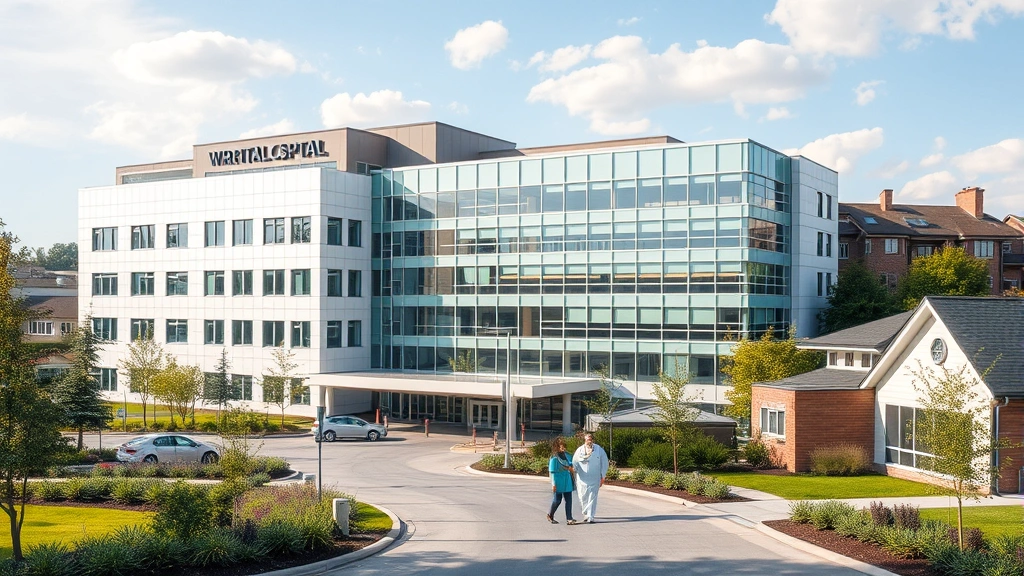
How County Health Rankings Influence Property Values
County health rankings serve as a comprehensive barometer of community well-being, and this metric significantly correlates with residential and commercial property appreciation. County Health Rankings & Roadmaps, a nationally recognized program, evaluates over 3,000 U.S. counties using dozens of health indicators. Properties in top-ranked counties typically appreciate 15-25% faster than those in lower-ranked areas, according to real estate market analysis.
The relationship operates through multiple channels. First, healthy counties attract younger, more educated professionals who can afford higher property prices. Second, employers prefer locating operations in areas with healthier workforces, driving job creation and wage growth. Third, health-conscious individuals prioritize living in communities with strong health outcomes, creating sustained demand for housing. This demand-supply dynamic pushes prices upward while maintaining rental income stability.
Consider that a property worth $350,000 in a county ranked in the bottom quartile might be worth $425,000-$450,000 in a top-quartile county with similar characteristics. Over a 10-year period, this health-based premium compounds significantly, directly impacting your wealth accumulation through real estate appreciation.

The Economic Mechanisms Behind the Connection
Understanding the economic foundation of this relationship helps you identify which health metrics matter most. County health rankings reflect several interconnected economic factors:
- Workforce Productivity: Healthier populations miss fewer work days, maintain higher productivity levels, and generate greater economic output. Companies recognize this and willingly pay premium salaries in health-ranked counties, increasing household incomes and purchasing power for real estate.
- Healthcare Costs: Counties with better preventive care and health outcomes experience lower per-capita healthcare expenses. Residents keep more disposable income, which they often invest in home improvements or real estate purchases, supporting property value growth.
- Employer Attraction: Fortune 500 companies and growing tech firms actively seek locations with strong health science careers ecosystems and healthy populations. This concentration of quality employers drives migration, increases competition for housing, and elevates property values.
- Insurance and Risk Premiums: Properties in low-health-ranking counties may face higher homeowners insurance premiums, reduced lending availability, and lower appraisals. Conversely, top-ranked counties benefit from lower insurance costs and easier financing, making properties more affordable and attractive.
- Tax Base Stability: Healthier communities maintain stable tax bases because residents remain employed and productive. This predictability attracts institutional investors and reduces the risk premium on property investments.
These mechanisms create a self-reinforcing cycle. As county health rankings improve, property values rise, attracting more affluent residents, which further strengthens community health outcomes and economic vitality.
Healthcare Access and Real Estate Demand
One of the primary drivers of county health rankings is healthcare accessibility. Counties with excellent hospitals, primary care physicians, specialists, and preventive care facilities rank higher and command stronger real estate markets. This connection directly impacts your investment decisions.
Properties within 10 miles of major medical centers typically appreciate 5-8% faster than those in medically underserved areas. Families prioritize proximity to quality healthcare, especially those with elderly parents or children with special needs. This preference translates into sustained demand and price premiums.
The relationship extends to mental health jobs and services availability. Counties investing in mental health infrastructure, addiction treatment, and behavioral health services demonstrate forward-thinking governance and attract quality residents. These communities also experience lower crime rates and better social cohesion, further enhancing property desirability.
Consider researching the density of healthcare providers in your target county. Counties with one physician per 400 residents versus one per 1,200 residents show dramatically different property appreciation patterns. This metric alone can help you identify undervalued markets positioned for growth as healthcare infrastructure expands.
Lifestyle Factors and Community Desirability
Beyond healthcare access, county health rankings incorporate lifestyle and behavioral factors that powerfully influence property values. These include obesity rates, smoking prevalence, physical activity levels, and substance abuse indicators.
Counties with strong health rankings typically feature robust outdoor recreation infrastructure—parks, trails, gyms, and sports facilities. This built environment encourages healthy living while simultaneously creating amenities that drive property values. A community with well-maintained parks and active recreation programs sees higher foot traffic, increased property maintenance standards, and stronger neighborhood cohesion.
Lifestyle-oriented counties also attract younger demographics (ages 25-45) who prioritize wellness and work-life balance. This age group drives property demand, generates stable rental income through long-term leases, and creates vibrant, economically dynamic neighborhoods. Their presence supports local businesses, restaurants, and services, creating the ecosystem that maintains and appreciates property values.
Additionally, counties with lower smoking and substance abuse rates experience fewer health-related bankruptcies, medical debt crises, and foreclosures. Property holders maintain financial stability, preserve neighborhood quality, and sustain demand. This stability directly benefits investors through reduced vacancy rates and more reliable rental income.
For wealth-building through real estate, target counties where lifestyle health indicators show improvement trends rather than decline. Counties implementing successful wellness initiatives, expanding fitness infrastructure, or reducing substance abuse rates represent emerging opportunities where property values are positioned to accelerate.
Investment Implications and Strategy
Understanding county health rankings’ impact on property values enables sophisticated real estate investing strategies. Rather than following typical market trends, you can position yourself ahead of health-driven appreciation cycles.
Strategy 1: Health Improvement Arbitrage
Identify counties where health rankings are improving but property prices haven’t yet fully reflected this positive trajectory. Perhaps a county implemented major healthcare reforms, expanded medical facilities, or attracted healthcare employers. Early investors can purchase properties at pre-improvement prices, then benefit as the market recognizes the positive health trends and revalues properties upward.
Strategy 2: Demographic Migration Targeting
High-health-ranking counties attract specific demographic groups—young professionals, retirees seeking quality healthcare, health-conscious families. By understanding which demographics your target county attracts, you can identify optimal property types and locations. If a county is attracting young professionals, single-family homes near transit and downtown areas appreciate fastest. If it’s attracting active retirees, properties near recreation and healthcare centers perform best.
Strategy 3: Healthcare Corridor Investment
Properties within 2-3 miles of major medical centers or healthcare employment hubs appreciate faster and maintain higher rental demand. These locations attract healthcare workers, patients’ families, and medical professionals, ensuring steady tenant demand and stable income. Visit WealthySphere Blog for additional real estate investment strategies.
Strategy 4: Long-term Wealth Accumulation
Counties with consistently strong health rankings offer stability for long-term wealth building. Rather than speculating on short-term trends, invest in top-health-ranked counties for 15-30 year holding periods. The compounding effect of steady appreciation in healthy communities significantly outpaces returns from volatile markets.
Measuring Health Rankings in Your Market
To apply health ranking insights to your investments, you need reliable data sources and interpretation frameworks. County Health Rankings & Roadmaps provides the most comprehensive national database, ranking all U.S. counties across multiple health dimensions.
Key metrics to monitor include:
- Health Outcomes (35% weight): Mortality rates, morbidity, and disease prevalence. Counties with lower premature death rates and disease burden rank higher.
- Health Factors (50% weight): Health behaviors, clinical care access, socioeconomic factors, and physical environment. These factors predict future health outcomes and community trajectory.
- Health Behaviors (10% weight): Smoking, obesity, physical inactivity, and alcohol use. Communities with healthier behavioral patterns show stronger property value appreciation.
- Clinical Care (10% weight): Healthcare access and quality. Density of providers and preventive care utilization directly impact property desirability.
Additionally, research state-specific health department websites, which often provide county-level data on healthcare infrastructure, disease surveillance, and population health initiatives. Cross-referencing multiple sources gives you comprehensive understanding of a county’s health trajectory.
Track health rankings over 3-5 years rather than focusing on single-year snapshots. Improving trends indicate positive momentum and emerging investment opportunities, while declining trends suggest caution despite current rankings.
For healthcare privacy considerations related to health data, understand that property investment decisions based on public health rankings don’t implicate individual privacy concerns, as rankings use aggregated population-level data.
Case Studies: Health Metrics Predicting Market Performance
Examining real-world examples demonstrates how county health rankings predict property value trajectories:
Case Study 1: Suburban County Transformation
A Midwest county ranked 87th out of 92 counties in 2015, with high obesity rates, limited healthcare access, and declining employment. Local leaders invested $180 million in healthcare infrastructure, recruited major medical employers, and implemented community wellness programs. By 2020, the county ranked 34th, and median property values increased from $185,000 to $287,000—a 55% appreciation significantly exceeding state averages. Early investors purchasing properties in 2015-2016 achieved exceptional returns by 2020-2022.
Case Study 2: Tech Hub Health Premium
A Silicon Valley county consistently ranked top 5 nationally due to high incomes, excellent healthcare, and health-conscious population. Properties appreciated 8-12% annually over two decades, substantially outpacing the national average of 3-4%. Investors who recognized that the county’s health ranking reflected underlying economic strength and demographic quality achieved wealth compounding that far exceeded standard real estate returns.
Case Study 3: Healthcare Corridor Development
A county with mediocre overall rankings but excellent healthcare infrastructure (major research hospital, multiple specialty centers) experienced property appreciation of 6-7% annually in the healthcare corridor zone compared to 2-3% countywide. Investors who specifically targeted properties near medical employment centers capitalized on healthcare worker demand and achieved superior returns despite the county’s average overall health ranking.
These cases illustrate that county health rankings provide actionable intelligence for real estate investors willing to conduct deeper analysis and position investments strategically.
FAQ
Do county health rankings directly cause property value increases?
County health rankings don’t directly cause appreciation, but they reflect underlying economic, demographic, and social factors that drive property values. Strong health rankings indicate healthy populations, good employment, quality services, and desirable communities—all of which increase real estate demand and prices. The rankings serve as a leading indicator of market conditions rather than a direct causal mechanism.
How quickly do property values respond to health ranking changes?
Response time varies, but typically 2-4 years elapse between meaningful health ranking improvements and measurable property value acceleration. Markets take time to recognize and react to health data. Early investors who identify improving health trends can position themselves before broader market recognition occurs.
Can health rankings help identify undervalued markets?
Yes, substantially. Counties with improving health rankings but property prices that haven’t yet reflected these improvements represent undervalued opportunities. Conversely, counties with declining health rankings may be overvalued if prices haven’t adjusted downward. Comparing health trajectory to property appreciation trends reveals market inefficiencies.
What health metrics matter most for property value?
Healthcare access and quality (proximity to hospitals, physician density) and economic factors (employment, income) matter most. Behavioral health metrics like obesity and smoking also significantly impact property values because they correlate with community quality and workforce productivity. Focus on metrics that reflect underlying economic strength.
Should health rankings be my primary investment criterion?
No, health rankings should be one factor among many. Combine health data with traditional analysis—location, school quality, employment diversity, economic growth, property-specific condition, and market cycles. Health rankings provide valuable context and help you understand long-term market dynamics, but successful investing requires comprehensive evaluation.
How do I find detailed county health data?
County Health Rankings & Roadmaps provides the most comprehensive source. Additionally, consult state health departments, CDC data resources, and Kaiser Family Foundation for detailed county-level health statistics. Real estate platforms increasingly incorporate health metrics into property listings.
Can I use health rankings to identify emerging real estate markets?
Absolutely. Counties with rapidly improving health rankings, expanding healthcare employment, and population growth represent emerging markets. Properties appreciate faster in these counties as demographic trends, employer expansion, and infrastructure development accelerate. Monitor health ranking trends to identify markets 2-3 years before they become obviously hot.
How do health rankings relate to neighborhood quality?
Strong county health rankings correlate with neighborhood quality metrics—lower crime rates, better schools, active community engagement, and well-maintained properties. Healthier communities invest in public spaces, enforce housing standards, and attract civic-minded residents. This creates positive feedback loops where neighborhood quality reinforces property values.
Should I avoid investing in low-health-ranking counties?
Not necessarily. Some low-ranking counties offer value investments if health trends are improving or if specific sub-areas (like healthcare corridors) have strong fundamentals. However, recognize that low health rankings indicate headwinds—slower appreciation, higher vacancy risk, lower rental income. These investments require more active management and patience for appreciation.
How do health rankings affect rental property investment?
High-health-ranking counties attract quality tenants with stable employment and lower health-related financial stress. Rental demand remains stronger, vacancy rates lower, and rent appreciation faster. Properties in top-health-ranking counties command rental premiums and experience more reliable income streams, making them attractive for wealth-building through rental income and appreciation.