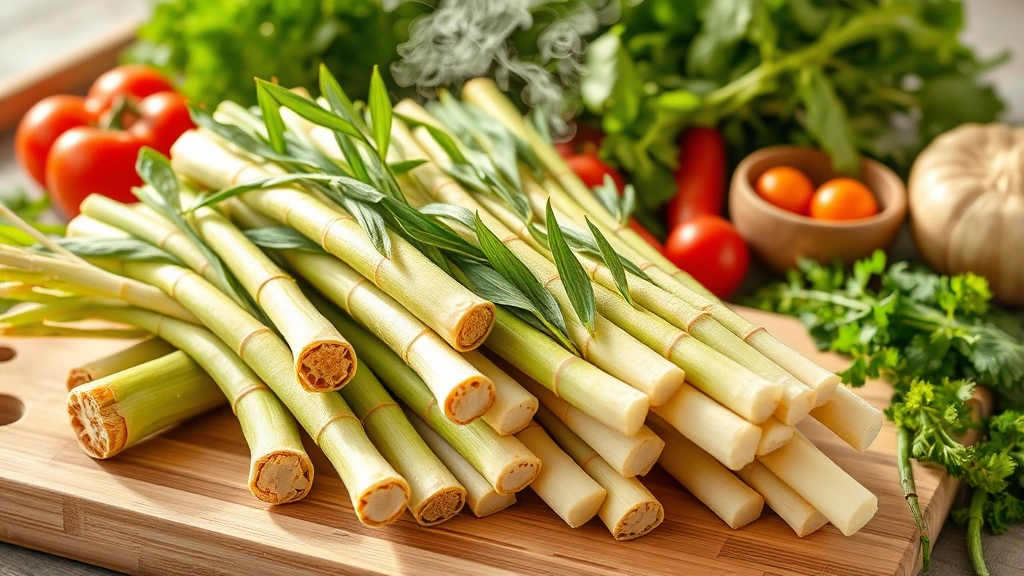
Bamboo Health Benefits: What Doctors and Nutritionists Say
Bamboo has emerged as a nutritional powerhouse in recent years, capturing the attention of health professionals, wellness enthusiasts, and researchers worldwide. From bamboo shoots to bamboo extract supplements, this ancient plant offers a remarkable array of health benefits backed by scientific evidence. Whether you’re exploring ways to enhance your wellness routine or seeking natural nutritional sources, understanding what bamboo can offer is essential for making informed dietary choices.
The growing interest in bamboo as a functional food reflects a broader shift toward plant-based nutrition and sustainable food sources. Doctors and registered dietitians increasingly recognize bamboo’s role in supporting cardiovascular health, digestive function, and metabolic wellness. This comprehensive guide examines the science behind bamboo’s health benefits, explores practical applications, and reveals what medical professionals recommend about incorporating this remarkable plant into your daily life.

Nutritional Profile of Bamboo
Bamboo shoots contain an impressive array of essential nutrients that make them valuable additions to any health-conscious diet. These nutrient-dense plants are predominantly composed of water, fiber, and plant-based proteins, making them exceptionally low in calories while remaining highly nutritious. A typical serving of bamboo shoots provides significant quantities of vitamins, minerals, and phytonutrients that support multiple body systems.
The nutritional composition includes substantial amounts of potassium, manganese, chromium, and vitamins A, B6, and E. Additionally, bamboo contains phenolic compounds and flavonoids—powerful plant chemicals that contribute to its antioxidant properties. According to research published by the National Institute of Health’s studies on bamboo phytochemicals, these compounds work synergistically to protect cellular health and combat oxidative stress.
One distinguishing characteristic of bamboo is its exceptional fiber content. Dietary fiber plays crucial roles in maintaining digestive health, regulating blood sugar levels, and supporting heart health. When you explore the benefits of a balanced diet and how proper nutrition enhances your health, bamboo consistently appears as a recommended functional food. The fiber in bamboo also feeds beneficial gut bacteria, promoting a healthy microbiome essential for overall wellness.

Cardiovascular and Heart Health Benefits
One of the most compelling reasons doctors recommend bamboo is its documented impact on cardiovascular health. Multiple clinical studies have demonstrated that regular bamboo consumption can help maintain healthy cholesterol levels, support healthy blood pressure, and reduce cardiovascular disease risk factors. The combination of fiber, potassium, and antioxidants creates a powerful cardioprotective effect.
The potassium content in bamboo plays a particularly important role in heart health. This essential mineral helps regulate blood pressure by counteracting sodium’s effects and supporting proper heart rhythm. Medical professionals emphasize that adequate potassium intake is fundamental for preventing hypertension and maintaining optimal cardiovascular function. Bamboo provides approximately 13% of the daily recommended potassium value per serving, making it an excellent dietary source.
Bamboo’s antioxidant compounds, particularly catechins and chlorogenic acid, help reduce inflammation in blood vessels and improve endothelial function. This means the inner lining of blood vessels works more efficiently, promoting better blood flow and reducing strain on the heart. Research from the American Heart Association journals has highlighted how plant-based foods rich in these compounds contribute to cardiovascular disease prevention strategies.
Furthermore, the low glycemic index of bamboo makes it ideal for individuals managing blood sugar levels, which directly impacts heart disease risk. When incorporated into how to maintain a balanced diet, bamboo helps stabilize glucose metabolism and reduce insulin resistance—both critical factors in preventing metabolic syndrome and heart disease.
Digestive System Support
Doctors frequently recommend bamboo for its exceptional benefits to digestive health. The high soluble and insoluble fiber content promotes regular bowel movements, prevents constipation, and supports the growth of beneficial bacteria in the gut microbiome. This prebiotic effect means bamboo literally feeds the good bacteria your digestive system needs to function optimally.
The fiber in bamboo works through multiple mechanisms: it adds bulk to stool, promotes healthy intestinal motility, and creates an environment where beneficial bacteria thrive. This is particularly important because gut health influences everything from immune function to mental health. Many gastroenterologists now recognize that supporting digestive health through dietary fiber is foundational to overall wellness.
Additionally, bamboo contains compounds that may help reduce inflammation in the digestive tract. This is especially valuable for individuals with sensitive digestive systems or those recovering from inflammatory digestive conditions. The gentle nature of bamboo—it’s easily digestible and rarely causes gastrointestinal distress—makes it suitable for most people, including those with compromised digestive function.
Bamboo also contains small amounts of compounds that may support healthy stomach acid production and enzyme activity, further enhancing digestive efficiency. When you consider health science careers that focus on nutritional medicine, digestive health represents a cornerstone of preventive care, and bamboo consistently appears in evidence-based dietary recommendations.
Antioxidant and Anti-inflammatory Effects
The antioxidant capacity of bamboo is among its most scientifically documented benefits. These plant compounds neutralize free radicals—unstable molecules that contribute to cellular aging, chronic disease development, and tissue damage. By consuming bamboo regularly, you provide your body with powerful defenders against oxidative stress.
Bamboo’s primary antioxidants include phenolic acids, flavonoids, and tannins. These compounds have been measured in laboratory studies to demonstrate significant free radical scavenging ability. Some research suggests bamboo’s antioxidant capacity is comparable to or exceeds that of commonly recommended superfoods like blueberries and green tea.
The anti-inflammatory benefits extend beyond simple antioxidant activity. Bamboo contains compounds that inhibit inflammatory pathways at the cellular level, potentially reducing systemic inflammation associated with chronic diseases including arthritis, heart disease, and diabetes. Medical professionals view this as particularly significant because chronic inflammation underlies most modern disease processes.
For individuals interested in pursuing health administration jobs or healthcare leadership roles, understanding how dietary interventions like bamboo reduce healthcare costs through disease prevention is increasingly important. Prevention-focused nutrition represents the future of sustainable healthcare systems.
Bone Health and Mineral Content
Bamboo contains several minerals essential for maintaining strong, healthy bones throughout your lifetime. Silicon, in particular, appears in bamboo at concentrations that make it noteworthy for bone health. This mineral is crucial for collagen formation and bone matrix development, yet it’s often overlooked in nutritional discussions.
Beyond silicon, bamboo provides manganese and zinc—both critical for bone metabolism and mineralization. These minerals work in concert to maintain bone density and support the constant remodeling process that keeps bones strong and resilient. Orthopedic specialists and rheumatologists increasingly recognize that dietary mineral intake significantly impacts bone health outcomes.
The combination of minerals in bamboo, along with its fiber content and antioxidants, creates a comprehensive approach to skeletal wellness. Rather than relying solely on calcium supplementation, consuming whole foods like bamboo that provide multiple nutrients in their natural matrix appears more effective for long-term bone health.
Postmenopausal women and aging adults—populations at higher risk for osteoporosis—may particularly benefit from bamboo’s mineral profile. When combined with adequate protein intake and regular weight-bearing exercise, bamboo consumption supports the nutritional foundation necessary for maintaining bone integrity throughout life.
Weight Management Applications
Bamboo offers significant advantages for individuals working toward healthy weight management. Its extremely low calorie density combined with high fiber content creates a food that promotes satiety while contributing minimal calories. This means you can consume satisfying portions while maintaining a caloric deficit necessary for weight loss.
The fiber in bamboo slows gastric emptying, meaning food stays in your stomach longer, prolonging feelings of fullness. This mechanism helps reduce overall calorie consumption naturally, without the restrictive feeling associated with many weight loss approaches. Additionally, the complex carbohydrates in bamboo provide sustained energy, reducing cravings and blood sugar crashes that typically trigger overeating.
Bamboo’s support for healthy blood sugar regulation also supports weight management. When blood glucose remains stable, insulin levels don’t spike, reducing the fat storage signals your body receives. This metabolic support is invaluable for long-term weight management success.
Nutritionists frequently incorporate bamboo into meal plans specifically for its weight management benefits. It pairs well with lean proteins and healthy fats, creating balanced meals that support nutritional goals. The versatility of bamboo—whether steamed, stir-fried, or added to soups—makes it easy to include regularly in your diet without monotony.
Safe Consumption Methods and Dosage
While bamboo is generally safe for most people, understanding proper preparation and consumption methods ensures you receive maximum benefits while minimizing any potential concerns. Fresh bamboo shoots should be thoroughly cooked before consumption, as raw bamboo contains small amounts of cyanogenic compounds that are completely eliminated through heating.
Boiling bamboo shoots for at least five minutes destroys these compounds entirely, making cooked bamboo completely safe. Canned bamboo shoots are already processed and safe to eat directly, though some people prefer rinsing them to reduce sodium content. Most commercial bamboo products have undergone appropriate processing to eliminate any safety concerns.
For fresh bamboo shoots, a typical serving size ranges from one-half to one cup, approximately 120-240 grams. This can be consumed daily as part of your regular diet. Bamboo extract supplements typically come in capsule form with recommended dosages ranging from 500-1500 mg daily, though you should follow specific product instructions and consult healthcare providers before beginning supplementation.
Bamboo fiber supplements designed to support digestive health often recommend starting with smaller doses—approximately one teaspoon daily—and gradually increasing to allow your digestive system to adapt. This gradual approach minimizes potential bloating or digestive adjustment that occasionally occurs when increasing fiber intake substantially.
It’s important to note that pregnant women, individuals taking blood thinners, or those with specific medical conditions should consult their healthcare provider before significantly increasing bamboo consumption, particularly in supplement form. While complications are rare, personalized medical guidance ensures safety for individual circumstances.
What Doctors Recommend
Modern physicians increasingly incorporate bamboo into their nutritional medicine recommendations for patients seeking natural approaches to health optimization. Cardiologists recommend bamboo for patients working to improve cholesterol profiles and reduce cardiovascular disease risk. Gastroenterologists suggest bamboo for patients with digestive health concerns or those seeking to optimize gut microbiome function.
Registered Dietitian Nutritionists—healthcare professionals with specialized training in medical nutrition therapy—frequently feature bamboo in meal plans designed for disease prevention and chronic disease management. Its nutrient density relative to calorie content makes it particularly valuable for patients with multiple health concerns who need maximum nutritional support.
The Academy of Nutrition and Dietetics recognizes bamboo as a functional food worthy of inclusion in evidence-based nutritional recommendations. This professional endorsement reflects the robust scientific literature supporting bamboo’s health benefits.
Integrative medicine practitioners particularly value bamboo because it exemplifies how traditional foods can address modern health challenges. Rather than relying solely on isolated nutrients or pharmaceuticals, bamboo provides a whole-food approach that aligns with the body’s natural nutritional needs.
Weight loss specialists recommend bamboo as a cornerstone food for sustainable weight management programs because it addresses multiple factors simultaneously—caloric density, satiety, metabolic support, and nutritional completeness. This multi-faceted benefit makes bamboo more effective long-term than restrictive approaches that ignore nutritional adequacy.
Healthcare professionals also appreciate bamboo’s sustainability. As a rapidly renewable resource requiring minimal water and pesticides compared to many other crops, bamboo represents an environmentally conscious nutritional choice. This aligns with the growing recognition that personal health and planetary health are interconnected.
FAQ
Can bamboo help with weight loss?
Yes, bamboo supports weight management through multiple mechanisms: extremely low calorie density, high fiber content that promotes satiety, stable blood sugar effects, and nutrient density that prevents deficiencies during caloric restriction. It’s most effective when combined with regular exercise and overall balanced nutrition.
Is bamboo safe for pregnant women?
While cooked bamboo is generally safe, pregnant women should consult their healthcare provider before significantly increasing bamboo consumption or taking bamboo supplements. Individual circumstances and medical history should inform personalized recommendations.
How much bamboo should I eat daily?
A typical serving of 120-240 grams (one-half to one cup) of cooked bamboo shoots daily is safe and beneficial for most people. Bamboo can be consumed daily as part of your regular diet without concern.
What’s the difference between fresh and canned bamboo?
Both are nutritious and safe when properly prepared. Fresh bamboo must be cooked thoroughly to eliminate natural compounds. Canned bamboo is already processed and ready to eat, though some prefer rinsing to reduce sodium content.
Can bamboo replace medical treatment?
No. While bamboo supports health and may help manage certain conditions, it should complement—not replace—medical treatment prescribed by healthcare providers. Always discuss dietary changes with your doctor, particularly if taking medications.
Does bamboo interact with medications?
Bamboo is generally safe with most medications. However, individuals taking blood thinners or managing specific medical conditions should consult their healthcare provider before significantly increasing bamboo consumption.
What makes bamboo better than other vegetables?
Bamboo offers exceptional nutrient density, particularly regarding fiber, minerals like silicon and manganese, and antioxidant compounds. Its low calorie content combined with satiety-promoting properties makes it uniquely valuable for health optimization.


