Table of Contents
Introduction
Want to reduce your body fat percentage? You’re definitely not alone. Whether you’re trying to get healthier, boost your fitness game, or just feel better in your own skin, understanding body fat percentage—and why it actually matters—can make all the difference. Forget chasing random numbers on the scale. This is about real, lasting results that stick around for good.
Here’s the thing about body fat percentage: it’s not just another number to obsess over. Think of it as your body’s report card—it tells you how much of your weight is actually fat versus everything else (muscle, bones, organs, all that good stuff). And honestly? It’s way more useful than your bathroom scale, which can’t tell the difference between muscle and fat. If you’re serious about dropping excess fat, you need to know how to measure this accurately. Our guide here covers the practical stuff you need to know, plus why keeping your body fat in the sweet spot is so important for your health. For the nitty-gritty details, check out how to measure body fat percentage accurately—it’s a solid starting point for your journey.
Lower body fat percentage isn’t just about looking good (though that’s a nice bonus). We’re talking serious health benefits here—reduced risk of diabetes, heart disease, and high blood pressure. Your diet plays a huge role in this whole process. Quality nutrition and smart calorie choices help you lose fat while keeping that hard-earned muscle. Understanding the power of a balanced diet and the advantages of a high protein diet can totally change how you approach eating for fat loss and better metabolism. And let’s not forget exercise—it’s absolutely essential for burning fat and getting fitter overall. The benefits of regular physical activity go way beyond just weight management. We’re talking better mood, stronger heart, and more energy throughout your day.
Now, if you really want to supercharge your fat-burning potential, strength training and HIIT are game-changers. They boost your metabolism and help build muscle, which burns more calories even when you’re binge-watching Netflix. But here’s something most people overlook: stress and sleep are absolutely crucial for body composition. Too much stress messes with your hormones and can actually work against your fat loss goals. That’s why mastering stress management techniques is just as important as your workout routine.
What You’ll Learn in This Guide
This guide will give you everything you need to know about reducing body fat percentage the right way—safely, effectively, and sustainably. Here’s what we’re covering:
- Understanding Body Fat Percentage: You will learn what body fat percentage is, how it differs from BMI or body weight, and discover accurate methods to measure it reliably.
- Health Significance and Risks: Gain insight into why reducing excess body fat is crucial for preventing chronic illnesses and improving quality of life.
- Effective Fat Loss Methods: Dive into dietary adjustments, exercise routines, and lifestyle changes proven to help lower body fat sustainably.
- Tracking and Professional Support: Find out how to monitor your progress effectively and when to seek personalized guidance from health and fitness professionals.
By the time you’re done reading, you’ll have a solid understanding that balances realistic expectations with actionable steps. This isn’t about crash diets or miracle solutions—it’s about building habits that actually work long-term.
Ready to get into the specifics? We’re starting with the nutrition fundamentals that actually move the needle. For meal planning that supports your fat loss goals, healthy meal plans for weight loss is an excellent resource to bookmark. On the exercise front, strength training and HIIT workouts are your secret weapons for torching fat efficiently. Plus, adding cardio routines like the ones in cardio workouts for fat burning can really accelerate your results.
We’ll also talk about supporting exercises—particularly core strengthening exercises—because a strong core keeps you stable and injury-free. And if you’re someone who loves tracking progress (or needs that extra motivation), weight loss and fitness apps can be incredibly helpful for staying on track.
Ready to start this journey? You’ve got the roadmap, the expert insights, and practical tools you need to succeed. Let’s build a healthier, stronger version of you—one that lasts.
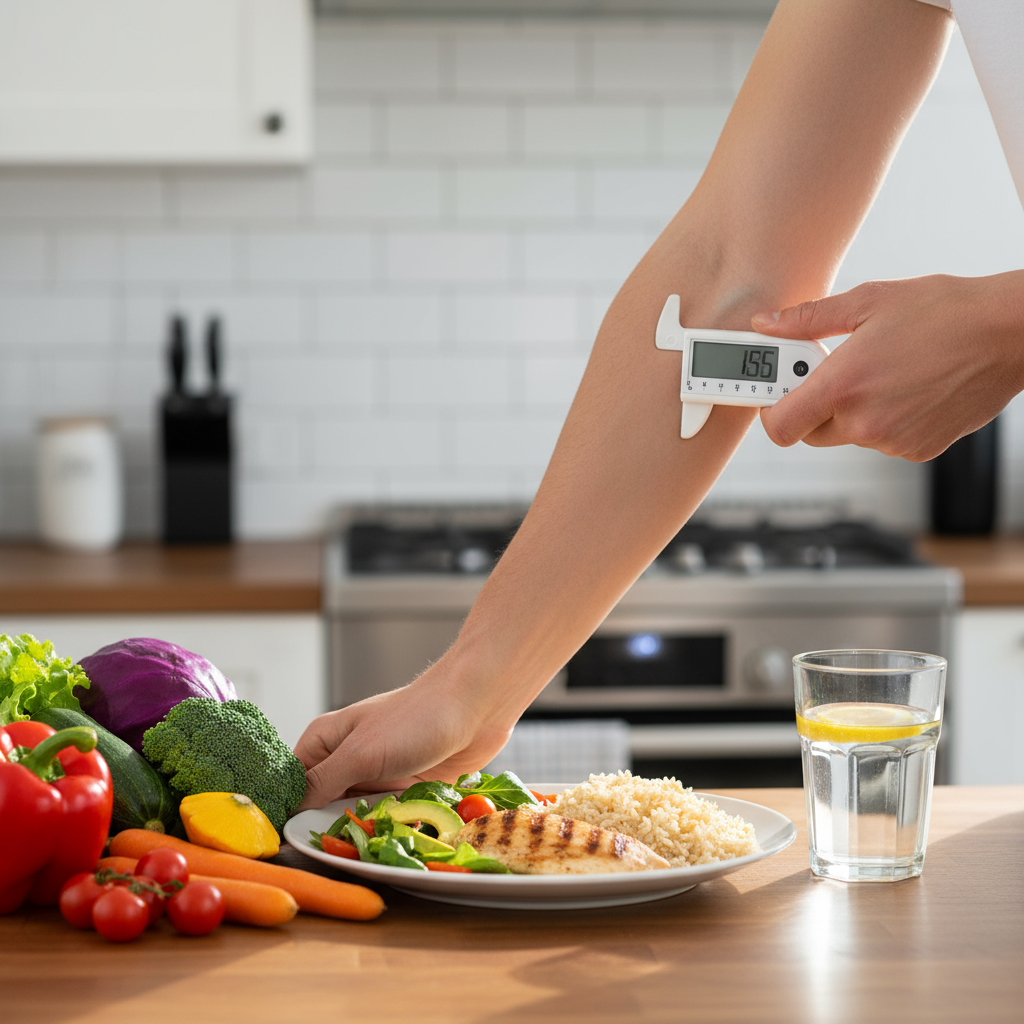
Want to reduce your body fat percentage? You’re definitely not alone. Whether you’re chasing better health, improved performance, or just want to feel more confident in your own skin, lowering body fat is one of those goals that sounds simple but can feel pretty overwhelming once you start digging into it. Here’s the thing though—it doesn’t have to be complicated. Sure, there’s science involved, but once you understand the basics and know what actually works, you’ll be surprised how manageable it becomes. We’re going to walk through everything you need to know, from understanding what body fat percentage really means to the most effective (and safe) ways to bring yours down. No crash diets, no impossible routines—just solid, proven strategies that work for real people with real lives.
Understanding Body Fat Percentage and Its Importance
Let’s start with the basics. Body fat percentage is exactly what it sounds like—the proportion of fat mass compared to your total body weight. But here’s where it gets interesting: this number tells you way more than your scale ever will. Think about it—two people can weigh exactly the same but look completely different because one has more muscle and less fat. That’s why stepping on a scale can be so frustrating (and misleading).
Unlike BMI, which honestly doesn’t tell you much, body fat percentage gives you the real picture of what’s happening inside your body. And knowing this number? Game changer. It helps you set realistic goals and track progress that actually matters. Now, measuring it accurately—that’s where things get a bit technical. You’ve got options like DEXA scans (the gold standard), bioelectrical impedance analysis, or good old-fashioned skinfold measurements. Each has its pros and cons, but the key is picking one method and sticking with it for consistency. If you want to dive deeper into the measurement side of things, check out this guide on how to measure body fat percentage—it’s incredibly helpful.
Now, why should you care about all this? Well, maintaining healthy body fat levels isn’t just about looking good (though that’s a nice bonus). We’re talking serious health benefits here. Higher body fat, especially the visceral kind that sits around your organs, increases your risk of heart disease, type 2 diabetes, and high blood pressure. Not fun stuff. On the flip side, when you get your body fat into a healthy range, you’ll likely notice better energy levels, improved metabolism, and just feeling stronger overall. Plus, many people find their mood improves and they sleep better. It’s like your whole system starts running more efficiently. The magic happens when you combine smart nutrition, regular exercise, and good lifestyle habits—and speaking of exercise benefits, this article on the benefits of regular physical activity really drives home why movement matters so much.
Key Aspects of Body Fat Understanding
Before you jump into any fat loss plan, here are the essential things you need to wrap your head around:
- Accurate Assessment Methods: Pick a measurement method that works for your budget and lifestyle—whether that’s DEXA scans, bioelectrical impedance, or skinfold calipers. The key is consistency. Using the same method each time gives you reliable data to track your progress.
- Differentiating Fat Types: Not all fat is created equal. Subcutaneous fat (the stuff you can pinch) is different from visceral fat (the dangerous kind around your organs). Focus on reducing visceral fat for the biggest health wins.
- Individual Variability: Your ideal body fat percentage isn’t the same as your friend’s. Age, genetics, gender, and personal goals all play a role. What matters is finding what’s healthy and sustainable for YOU.
- Health Risks of Excess Fat: Higher body fat percentages are linked to chronic diseases, but here’s the good news—even modest reductions can make a significant difference in your health outcomes.
Getting these fundamentals down sets you up for success. You’ll know what you’re measuring, why it matters, and how to track your progress effectively. Think of this as building your foundation—everything else we’ll discuss builds on these core concepts.
Effective Methods to Reduce Body Fat Safely and Sustainably
Alright, let’s get to the good stuff—what actually works for losing fat and keeping it off. The most effective approach? It’s not just one thing. You need a combination of smart eating, strategic exercise, and lifestyle changes that support your goals. I know, I know—you probably hoped there was a magic bullet. But here’s what’s actually encouraging: when you combine these elements thoughtfully, they work together to make the whole process more manageable and sustainable.
Let’s talk nutrition first. Creating a moderate calorie deficit is key, but you don’t need to starve yourself or eliminate entire food groups. Focus on nutrient-dense foods that keep you satisfied—lean proteins, healthy fats, complex carbs, and plenty of vegetables. The goal is eating in a way you can maintain long-term. For practical guidance on structuring your meals, this resource on how to maintain a balanced diet offers solid, actionable advice.
Exercise is where things get really interesting. Cardio burns calories and improves your heart health—think running, cycling, swimming, or even brisk walking. But don’t sleep on strength training. Building and maintaining muscle is crucial because muscle tissue burns more calories at rest than fat tissue. It’s like upgrading your body’s engine. And here’s a pro tip: High-Intensity Interval Training (HIIT) is incredibly efficient. You alternate between intense bursts and recovery periods, maximizing calorie burn in shorter sessions. Perfect for busy schedules.
But wait—there’s more to this puzzle. Sleep and stress management are absolutely critical, yet so many people overlook them. Poor sleep messes with your hunger hormones, making you crave junk food and store more fat. Chronic stress does similar damage through elevated cortisol levels. The good news? Addressing these issues can accelerate your results significantly. If stress is a problem for you, definitely check out these effective stress reduction methods—they can be game-changers.
One last thing: track your progress, but not just with the scale. Take measurements, progress photos, and note how you feel. Your weight might fluctuate day to day, but these other markers will show you the real changes happening in your body. And please, be patient with yourself. Sustainable fat loss takes time—usually several months to see significant changes. Avoid the temptation of extreme diets or overtraining. They almost always backfire and can set you back weeks or months.
Key Aspects of Fat Reduction Strategies
To create an effective and balanced approach to fat loss, focus on these core components:
- Diet Adjustments and Calorie Balance: Create a modest calorie deficit through whole foods—lean proteins, healthy fats, and complex carbohydrates. Track your intake initially to understand your patterns, then adjust as you progress.
- Cardiovascular Exercise for Fat Burning: Include regular cardio activities you actually enjoy—running, cycling, swimming, dancing, whatever keeps you moving. Consistency beats intensity every time.
- Strength and Resistance Training: Lift weights or do bodyweight exercises 2-3 times per week. Building muscle boosts your metabolism and creates that lean, defined look most people are after.
- Incorporation of HIIT: Add 1-2 HIIT sessions per week to maximize calorie burn efficiently. These short, intense workouts also improve your cardiovascular fitness and keep your metabolism elevated afterward.

Here’s the thing about body fat percentage—it tells a story your scale never could. While your weight might stay the same (or even go up), your body fat percentage reveals what’s really happening underneath. It shows you how much of your body is fat versus lean muscle, which matters way more for your health than that number on the scale. Too much body fat, especially the kind that wraps around your organs? That’s when things get risky. We’re talking heart disease, diabetes, metabolic issues—the works. But knowing this puts you in the driver’s seat to make real, lasting changes.
So how do you actually lose body fat? It’s not rocket science, but it does take the right approach. You need good nutrition (think whole foods, not diet fads), a reasonable calorie deficit, and exercise that actually works. Cardio gets your heart pumping. Strength training builds muscle. HIIT? That’s your metabolism’s best friend. And here’s what most people miss—sleep and stress management aren’t optional extras. They’re absolutely essential. Skip these, and you’re fighting an uphill battle.
Now, let’s talk tracking. Forget obsessing over the scale every day. Take measurements. Track your body fat percentage. Notice how you feel during workouts. Are you getting stronger? Do your clothes fit better? That’s the real progress. Remember, sustainable fat loss takes time—your body needs to adjust, and quick fixes don’t stick. Be patient with yourself.
Ready to put this into action? Start with your nutrition by checking out these detailed healthy meal plans for weight loss that actually make sense for real life. Want to understand why good nutrition matters so much? Dive into the benefits of a balanced diet for your metabolism and overall health. Don’t forget your core—it’s not just about abs, it’s about strength and better fat burning. These exercises to strengthen core muscles will get you started. For the real game-changer, combine fat loss with muscle building through weight loss and resistance training—it’s like hitting the metabolism jackpot. And because stress can sabotage everything, learn some weight loss and stress management strategies to keep your mind and body working together.
Your journey to lower body fat percentage isn’t just about looking better (though that’s a nice bonus). It’s about feeling stronger, more energetic, and more confident in your own skin. You’ve got the knowledge now—time to put it to work. Take it one day at a time, listen to what your body tells you, and celebrate the small wins along the way. Your future self is going to thank you for starting today.