Table of Contents
Introduction
Picture this: you’re driving down the highway when suddenly a ball bounces into the road. In that split second, your brain processes what’s happening and your foot hits the brake. That lightning-fast response? That’s your reaction time in action—and it might just save your life. Whether you’re an athlete chasing that perfect game or just someone who wants to stay sharp in daily life, improving your reaction speed can make a real difference in how you perform and stay safe.
Here’s what’s interesting about reaction time: it’s not just about being quick on your feet. Sure, athletes obsess over shaving milliseconds off their response times, but the rest of us benefit too. Better reflexes mean fewer accidents, sharper focus, and that satisfying feeling when you actually catch your phone before it hits the ground. The science behind it is pretty cool—your brain needs to process information and tell your body what to do, and we can actually train this process to work faster. Want to boost your physical coordination? Working on hand-eye coordination is a game-changer for reaction speed. But it’s not all about the physical stuff—mental exercises can sharpen your cognitive processing too, helping you respond quicker and more accurately when it counts.
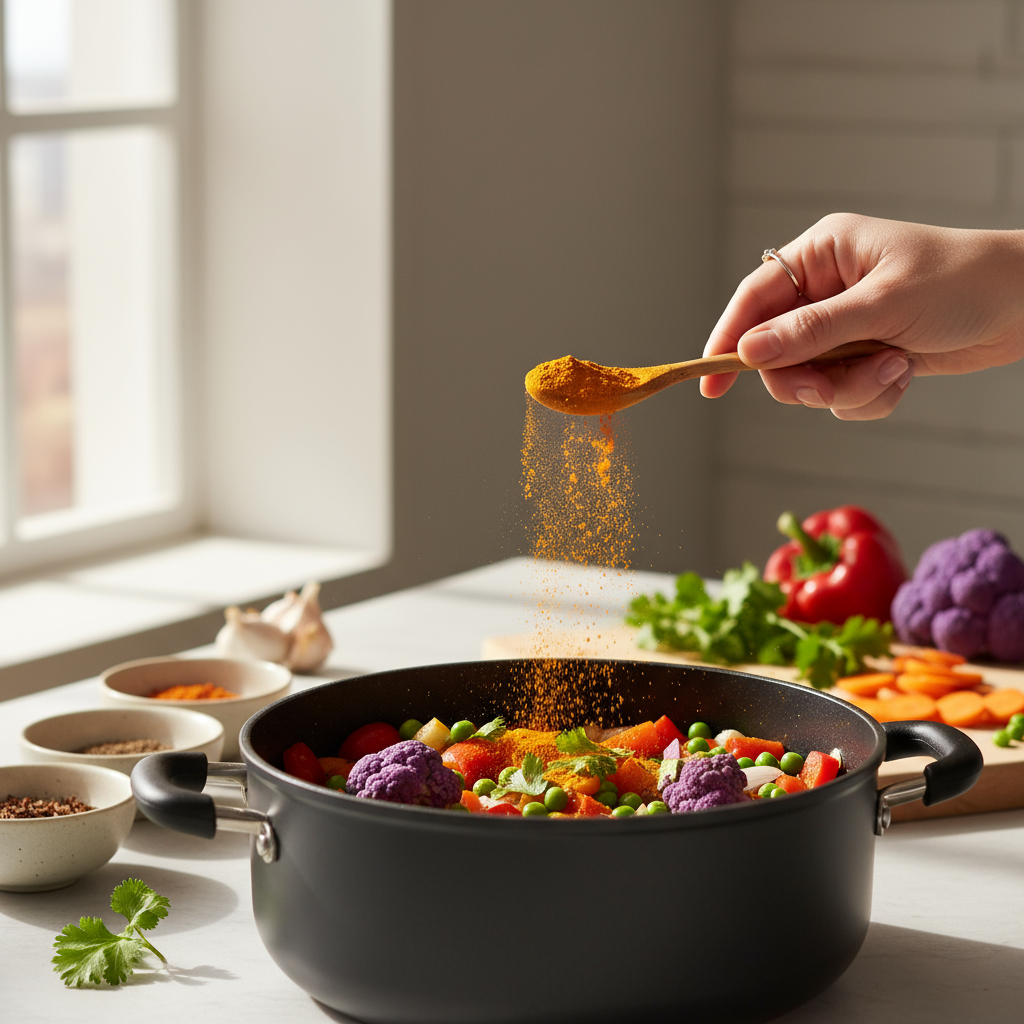
Now, let’s talk about what’s really affecting your reaction time behind the scenes. Your overall health plays a bigger role than you might think. Stress, poor nutrition, and fatigue can all slow you down—sometimes without you even realizing it. When stress builds up, it creates mental fog that dulls your reflexes. That’s why learning solid stress management techniques isn’t just good for your peace of mind—it actually helps you react faster. And here’s something that might surprise you: what you eat directly impacts how quickly your brain processes information. Diving into foods that boost brain function can give you the nutritional edge you need for sharper reflexes and clearer thinking.
Sleep and hydration might sound basic, but they’re absolutely critical for peak reaction performance. Ever notice how sluggish you feel after a poor night’s sleep? That’s your reaction time taking a hit. Your brain simply can’t fire on all cylinders when it’s sleep-deprived. Getting serious about healthy sleep habits will transform how responsive you are during the day. Same goes for staying properly hydrated—even mild dehydration can slow your brain’s processing speed. It’s amazing how these seemingly simple lifestyle factors can dramatically impact your reflexes.
What You’ll Learn in This Guide
This guide breaks down everything you need to know about reaction time and gives you practical ways to improve it. We’re covering the science, the strategies, and the lifestyle changes that actually work.
- Understanding Reaction Time: Learn what reaction time is, why it matters, and how it impacts both everyday activities and sports performance.
- Factors Influencing Reaction Time: Discover the common factors that affect how quickly you can respond, including physical condition, fatigue, and environmental distractions.
- Exercises and Training: Explore different physical and mental exercises that can enhance your reaction speed and cognitive function.
- Nutrition and Lifestyle Tips: Gain insights into how diet, hydration, sleep, and stress management contribute to better brain health and faster response times.
Throughout this article, we’ll dig deep into each of these areas with practical exercises and proven techniques that actually work. You’ll discover specific mental training methods that sharpen your reflexes, learn which lifestyle adjustments make the biggest difference, and understand when it might be worth talking to a professional if your reactions feel unusually slow. Many people find it helpful to explore additional reaction time improvement tips and techniques to speed up their progress.
What makes this guide different? We’re not just throwing theory at you. Every strategy and tip comes with clear, actionable steps you can start using today. The benefits go way beyond just faster reflexes—you’ll likely notice improvements in your focus, decision-making, and overall mental sharpness. Think of it as building a better connection between your mind and body, one that helps you react quickly and accurately no matter what life throws your way.
In the sections coming up, you’ll find resources that show you exactly how nutrition fuels better brain function, stress management strategies that clear mental fog, and fitness routines designed to make your body more responsive. The key is integrating these methods naturally into your daily routine—no need for dramatic lifestyle overhauls. Small, consistent changes add up to create a mind-body connection that supports quick, accurate reactions in any situation you encounter.

Introduction
Ever catch a glass before it hits the floor? Slam on the brakes when someone cuts you off? That split-second between seeing something happen and actually responding to it? That’s your reaction time in action. And honestly, it’s pretty amazing when you think about it—your brain processes what’s happening, decides what to do, then tells your body to move. All in a fraction of a second.
But here’s the thing: some people are naturally quicker on the draw than others. Whether you’re an athlete trying to shave milliseconds off your performance or just someone who wants to stay sharp and safe in daily life, understanding what affects your reaction time (and how to improve it) can make a real difference. Let’s break down what’s really going on behind the scenes and explore some practical ways to get faster.
Factors Affecting Reaction Time
Your reaction speed isn’t just about good genes—though that helps. Several key factors team up to determine how quickly you can respond when life throws you a curveball. Age plays a bigger role than most people realize. As we get older, our neural processing naturally slows down, and our muscles don’t fire quite as fast as they used to. But don’t panic if you’re not 20 anymore! Staying physically active can seriously slow down this decline. That’s why fitness for older women focuses so much on maintaining strength and agility—it’s not just about looking good, it’s about keeping those reflexes sharp.
Now, let’s talk about something that affects everyone: being tired. When you’re running on empty, your brain feels like it’s moving through molasses. Poor sleep quality doesn’t just make you grumpy—it genuinely slows down your reaction time because your cognitive alertness takes a nosedive. Think of it like trying to type on a computer with a slow processor. Everything just… takes… longer.
What you eat and drink matters more than you might expect. Your brain and muscles need fuel to perform at their best, and the quality of that fuel makes a difference. The research highlighted in balanced diet benefits shows how proper nutrition directly impacts brain function and muscle readiness. Makes sense, right? You wouldn’t put cheap gas in a sports car and expect peak performance.
Here’s something that might surprise you: stress is a reaction time killer. When you’re stressed out, your body’s fight-or-flight response can actually work against you, disrupting those neural pathways and creating mental fog. The effects of stress on the body go way beyond just feeling overwhelmed—chronic stress literally rewires how your nervous system responds to situations.
Common Factors Influencing Reaction Time
These are the big players that can either speed you up or slow you down:
- Age and Physical Condition: Neural processing efficiency and muscle response slow naturally with age, but active lifestyles can minimize these effects by improving cardiovascular and muscular health.
- Fatigue and Sleep Quality: Lack of restorative sleep and physical exhaustion reduce alertness and responsiveness. Prioritizing quality rest is key for maintaining sharp reaction times.
- Stress Levels and Mental Focus: Excessive stress disrupts cognitive processing, increasing reaction delay. Mindfulness and relaxation techniques can counteract stress impact.
- Nutrition and Hydration: Adequate nutrients and fluid intake support brain function and muscle performance. Deficiencies or dehydration impede efficient response mechanisms.
Once you understand these factors, you can start working with them instead of against them. It’s like having the owner’s manual for your own reaction time—suddenly you know which buttons to push to get better performance.
Exercises and Nutrition for Improving Reaction Time
Ready to get faster? Good news: improving your reaction time isn’t rocket science, but it does take some strategic effort. You’ll want to hit this from multiple angles—physical training, mental exercises, and smart nutrition choices all working together.
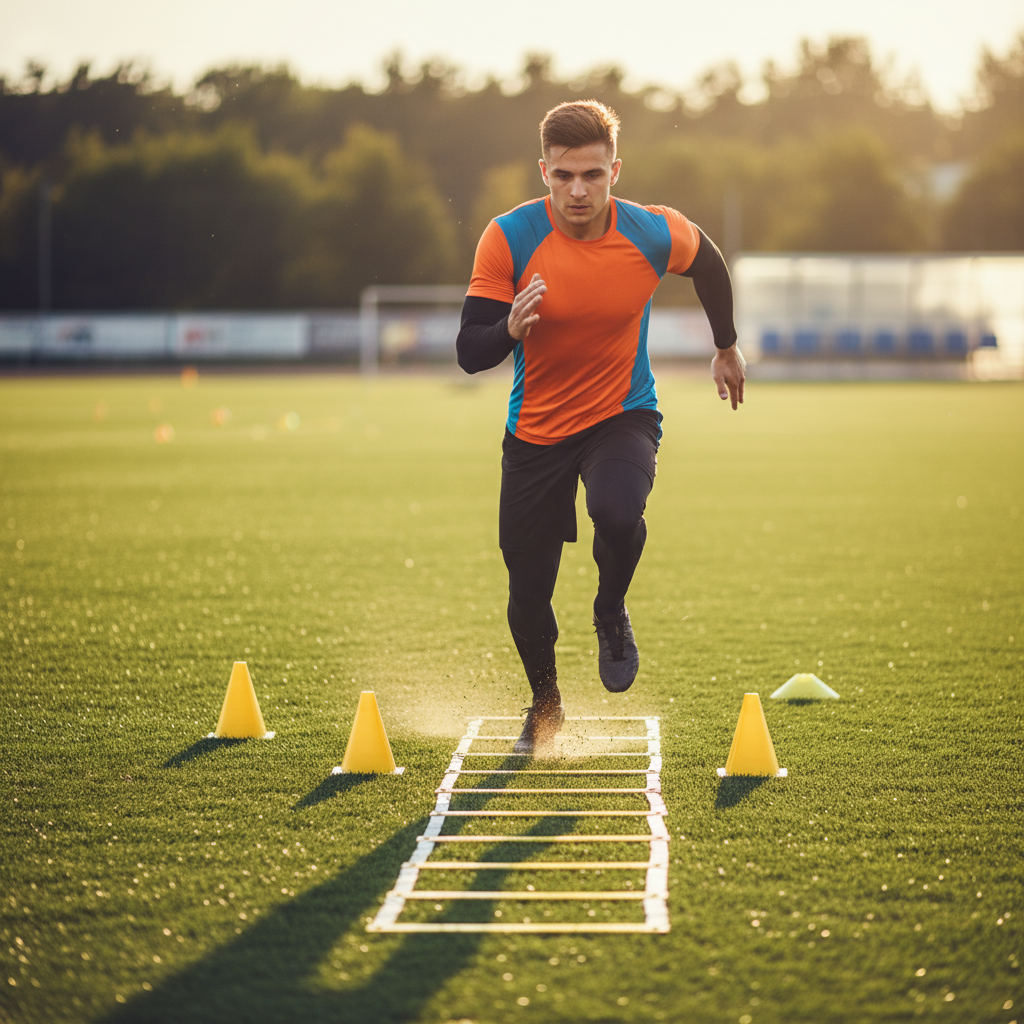
Let’s start with the physical side. Agility drills might look simple, but they’re incredibly effective at rewiring your neuromuscular connections. Think ladder drills, cone weaving, hand-eye coordination games—basically anything that forces your brain and body to communicate quickly and accurately. And here’s something interesting: your core muscles play a bigger role than you’d think. A strong, stable core gives you a solid foundation for faster, more precise movements. The techniques outlined in exercises to strengthen core muscles show exactly how core stability translates to better reaction efficiency.
But don’t ignore the mental game. Your brain needs training just like your muscles do. Mindfulness meditation might seem like the opposite of fast reactions, but it actually sharpens your focus and clears away mental clutter. When your mind is calm and centered, it can process information and make decisions much faster. The benefits of mindfulness meditation extend way beyond just feeling zen—we’re talking about measurable improvements in cognitive processing speed.
Want a practical tip? Work on your movement patterns. Even something as basic as improving your running form (check out how to improve running form) can help you move more efficiently in all kinds of situations. Better movement patterns mean your body responds more automatically and accurately when you need it to.
Key Aspects of Reaction Time Enhancement
Here’s your game plan for getting quicker on your feet:
- Physical Conditioning and Agility Drills: Activities such as ladder drills, cone drills, and plyometric exercises improve muscle responsiveness and coordination, sharpening reflexive actions.
- Mental Focus and Cognitive Training: Brain training apps, memory drills, and mindfulness meditation enhance neural pathways responsible for processing and reacting to stimuli swiftly and accurately.
- Sports-Inspired Activities: Participating in racquet sports, table tennis, or martial arts exercises reflexes under pressure, rewarding consistent practice with faster and more precise reactions.
- Nutrition for Brain and Muscle Performance: A nutrition plan enriched with essential nutrients supports cognitive clarity and muscular endurance. Guidance such as nutrition for nurses offers insights on maintaining energy and focus through diet, applicable for those aiming to boost reaction time.
The bottom line? Improving your reaction time isn’t about finding one magic solution—it’s about building habits that support your entire system. Stay consistent with your training, fuel your body properly, manage your stress levels, and get enough quality sleep. Do that, and you’ll start noticing improvements not just in sports or specific activities, but in everyday situations where quick thinking and fast reactions can make all the difference.

Here’s the thing about reaction time—it’s way more important than most people realize. Sure, we think about it when we’re trying to catch a ball or slam on the brakes. But your reflexes are quietly working behind the scenes every single day, keeping you safe and helping you navigate the world around you. Whether you’re an athlete looking to shave milliseconds off your performance or someone who just wants to feel sharper and more responsive, the good news is this: you can absolutely improve your reaction time. Age, fitness level, mental clarity, how tired you are—all of these play a role. But once you understand what’s going on, you can start making real changes.
Want to know something interesting? Your body and mind are basically teammates when it comes to quick reflexes. You can’t have lightning-fast reactions if your body isn’t in good shape, and you won’t respond well if your mind is foggy or stressed out. Think of it this way—agility drills and core work give your body the foundation it needs to move quickly and stay balanced. Meanwhile, things like meditation and stress management keep your brain clear and focused. When these two work together? That’s when the magic happens. And don’t forget about nutrition and staying hydrated—your brain needs fuel to fire those neurons, and your muscles need proper hydration to respond the way they should.
Ready to actually do something about it? Start with the basics. Build that core strength and work on your breathing—these create the stable platform your reflexes need to really shine. Check out our guide on exercises to strengthen core muscles and dive into how to improve lung capacity to get your body primed for quick responses. But here’s what many people miss—stress and mental fog are reaction time killers. That’s why mindfulness and meditation aren’t just nice-to-haves; they’re essential. Learn about the benefits of mindfulness meditation and understand how stress actually impacts your body with our breakdown of effects of stress on the body. And let’s talk nutrition—your brain is hungry for the right fuel. Our comprehensive guide on foods that boost brain function will show you exactly what to eat for sharper thinking and faster reflexes.
Now, I’ll be straight with you—this isn’t an overnight transformation. The secret sauce is consistency. Stick with these practices, and you’ll start noticing changes that go way beyond just quicker reflexes. We’re talking better overall mental sharpness and improved physical health. And here’s something worth noting: it’s never too late to start. If you’re wondering about staying fit and responsive as you age, our detailed guide on fitness for older women has invaluable insights for maintaining strength and agility no matter where you are in life. You’ve got the knowledge now—time to put it to work and see what your body and mind can really do.
Frequently Asked Questions
-
Can reaction time be improved at any age?
- Absolutely—and this is one of my favorite things to tell people. Through consistent exercise, mental training, and smart lifestyle choices, you can improve your reaction time even if you’re starting later in life. Your brain and body are more adaptable than you think.
-
How long does it take to see improvement in reaction time?
- Most people start noticing real changes after just a few weeks of dedicated training. We’re talking about combining physical exercises with cognitive work and making those lifestyle adjustments we discussed. Be patient with yourself—good things take time.
-
Do video games help improve reaction time?
- Here’s something that might surprise you—certain fast-paced video games actually do enhance your reflexes and hand-eye coordination. They’re like cognitive training disguised as entertainment. Just make sure you’re playing the right types of games and not overdoing it.
-
Is reaction time affected by sleep?
- Oh, absolutely. Poor sleep is like putting your brain in slow motion—it kills your alertness and makes everything feel sluggish. Get quality sleep, and you’re giving your brain and body exactly what they need to perform at their best.
-
When should I see a doctor about slow reaction time?
- If you notice sudden, dramatic changes in your reaction time, or if slow responses are starting to interfere with your daily life, don’t wait—get it checked out. Sometimes there are underlying health issues that need attention, and it’s always better to be safe.