Table of Contents
Introduction
There’s something magical about cradling a warm cup of herbal tea. Maybe it’s the steam rising up to meet your face, or the way those first few sips seem to melt away the day’s stress. Whatever it is, more people are discovering what tea lovers have known for centuries—herbal teas aren’t just delicious, they’re genuinely good for you.
Here’s what makes herbal teas so special: they’re packed with natural compounds that can actually support your health. We’re talking real benefits here—not just feel-good moments (though those count too). Many of us are ditching the sugar-loaded drinks and endless coffee refills for something that nourishes while it soothes. The science backs this up too, with studies showing how antioxidant-rich herbs can help fight inflammation and give your immune system a gentle boost. If you’re curious about diving deeper, check out the benefits of drinking herbal tea to see just how powerful these natural brews can be.
The beauty of herbal teas? They’re as varied as the plants they come from. Chamomile for those restless nights. Ginger when your stomach’s acting up. Echinacea when you feel a cold coming on. The key is knowing which herbs to choose and how to brew them properly—because let’s be honest, a poorly made cup defeats the whole purpose. Speaking of antioxidants, you might find it interesting to explore foods rich in antioxidants, since many of these powerhouse nutrients show up in both your teacup and your dinner plate.
Now, if you’re thinking about making herbal teas part of your daily routine (and why wouldn’t you?), they work best when combined with other healthy habits. Think of them as one piece of your wellness puzzle—alongside regular movement, good sleep, and managing stress. And speaking of stress management, you might want to read about how to avoid burnout at work, especially since a calming evening tea ritual can be the perfect way to transition from work mode to relaxation mode.
What You’ll Learn in This Guide
Ready to become your own herbal tea expert? Here’s exactly what we’ll cover together:
- Understanding Herbal Teas: Learn what herbal teas are and how they differ from traditional teas. We’ll cover the most popular types and their unique flavors and qualities.
- Health Benefits: Discover the rich health-promoting properties of herbal teas, including digestive support, stress relief, immune system boosting, and antioxidant effects.
- Potential Risks and Considerations: Explore important precautions including allergies, interactions with medications, and when to moderate intake for safety.
- How to Choose and Brew: Get practical tips on selecting high-quality herbs, brewing methods, and steeping techniques to maximize flavor and health benefits.
By the time you finish this guide, you’ll know exactly which teas to reach for when you need an energy boost, want to unwind, or feel like your digestion needs some TLC. No more standing in the tea aisle feeling overwhelmed by all those colorful boxes!
We’ll also dive into the art of brewing—because yes, there’s definitely a right way and a wrong way to steep your herbs. Get it right, and you’ll unlock flavors and benefits you never knew existed. Get it wrong, and you’ll wonder why everyone raves about herbal tea. If you want to master the basics right away, take a look at how to make herbal teas for some expert brewing tips.
The bottom line? This guide is your roadmap to making herbal teas a genuine part of your wellness journey. With natural health approaches gaining momentum everywhere, there’s never been a better time to explore what these ancient remedies can do for modern life. So grab your favorite mug, and let’s explore the wonderful world of herbal teas together.
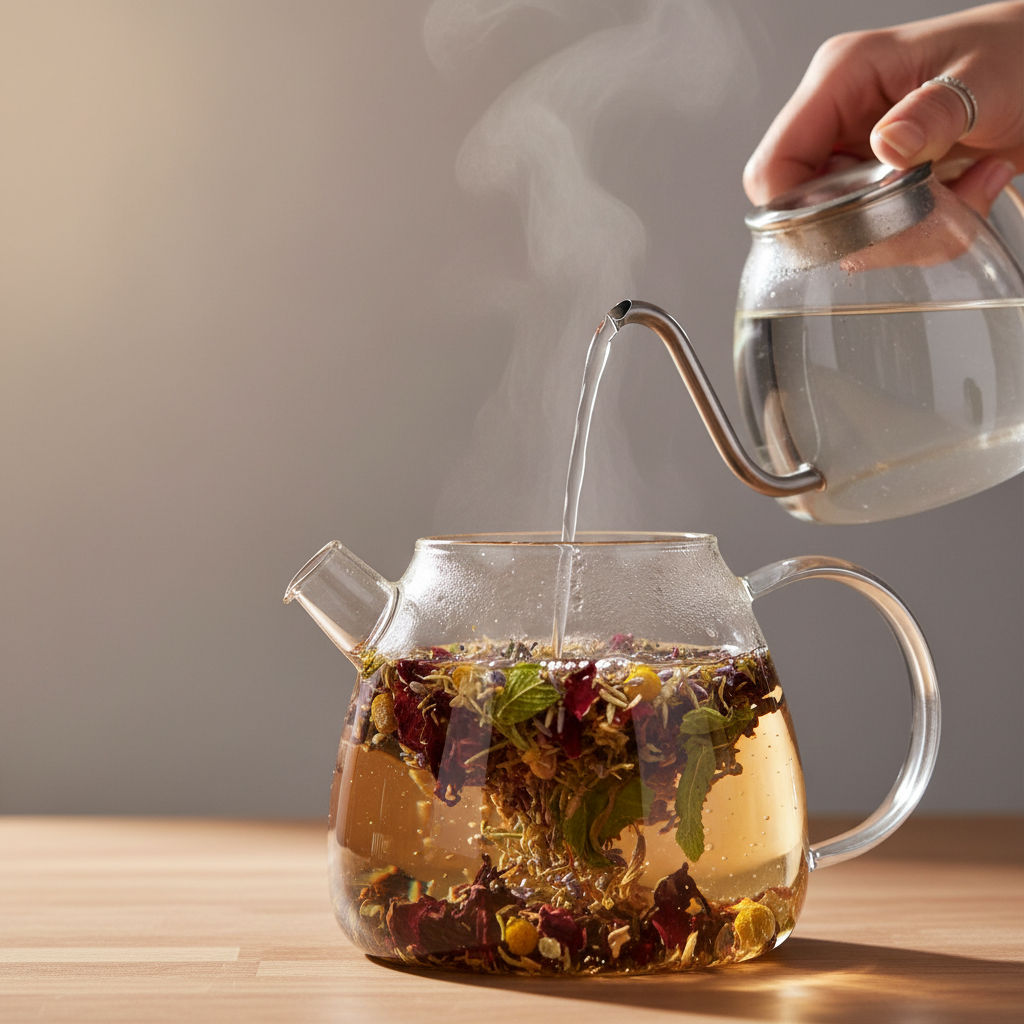
There’s something magical about wrapping your hands around a warm cup of herbal tea. Maybe it’s the steam rising up, carrying those earthy aromas, or the way that first sip seems to slow down time. Whatever it is, herbal teas have won over people everywhere—and for good reason. Unlike your morning coffee (no judgment here!), these caffeine-free brews do so much more than just taste good. They’re like gentle medicine in a mug, supporting everything from your digestive system to your stressed-out mind. And honestly? In our crazy-busy world, we could all use a little more of that natural healing power.
Health Benefits of Herbal Teas
Let’s talk about why herbal teas are having such a moment. These aren’t just pretty drinks—they’re packed with natural compounds that actually do your body good. Take antioxidants, for instance. They’re like your body’s personal bodyguards, fighting off those pesky free radicals that try to damage your cells. Pretty cool, right? But that’s just the beginning. Many herbal teas work wonders for your gut too, soothing everything from post-dinner bloating to general digestive grumpiness. And here’s what I love most: certain blends are basically nature’s chill pills, helping you unwind after those days when everything goes sideways. Want to dive deeper into all these amazing benefits? Check out the benefits of drinking herbal tea.
Now here’s where it gets interesting. Herbal teas don’t work in isolation—they’re team players. Pair your evening chamomile with a gentle walk around the block, and you’ve got yourself a powerful stress-busting combo. Your digestive system feeling off? A cup of peppermint tea might be exactly what you need, especially when combined with other gut-friendly habits. Speaking of which, if you’re looking to give your whole system a tune-up, you might want to explore improving digestion or discover how walking for mental health can work alongside your tea ritual for maximum wellness benefits.
Key Aspects of Health Benefits
So what exactly can herbal teas do for you? Let me break it down:
- Digestive and Gut Health: Your stomach feeling like it’s staging a revolt? Ginger and peppermint teas are your friends. They’re incredibly gentle yet effective at calming digestive upset, reducing that uncomfortable bloating, and getting things moving smoothly again. Think of them as a peaceful negotiator for your gut—no harsh chemicals, just natural relief that actually works.
- Stress Relief and Relaxation: Some days, you need to tell your nervous system to just chill out. That’s where teas like chamomile and lavender shine. These gentle herbs contain natural compounds that help flip your body’s relaxation switch, easing anxiety and setting you up for better sleep. (And who doesn’t need more of that?)
- Immune System Support: Think of certain herbal teas as your immune system’s personal trainers. Echinacea and elderberry don’t just taste good—they actually help strengthen your body’s natural defenses. When cold season hits or you’re feeling run down, these teas give your immune system the backup it needs to fight the good fight.
- Antioxidant Properties: Here’s the science-y bit made simple: herbal teas are loaded with antioxidants like flavonoids and polyphenols. These little powerhouses neutralize harmful free radicals, support healthy cells, and may even help slow down aging. Not bad for something that tastes this good, right?
Understanding what different teas can do helps you choose the right one for your needs. Feeling overwhelmed at work? Maybe it’s time to learn how to avoid burnout at work while sipping on some stress-relieving herbal blends. The combination can be surprisingly powerful.
How to Choose and Brew Herbal Teas
Okay, so you’re sold on herbal teas—but how do you make sure you’re getting the good stuff? Quality matters here, people. You want herbs that are fresh, pure, and free from questionable additives. (Trust me, your taste buds and your body will thank you.) Organic is usually your best bet since it means no pesticides crashed the party. But choosing good herbs is only half the battle—brewing them right is where the magic really happens. Get the temperature and steeping time wrong, and you might end up with either bitter disappointment or flavorless water. Neither is what we’re going for.
If you want to become a true herbal tea master, our detailed guide on how to make herbal teas will walk you through everything from picking the perfect herbs to creating infusions that taste amazing and deliver real health benefits.
Key Aspects of Choosing and Brewing
Ready to up your herbal tea game? Here’s what you need to know:
- Selecting Quality Herbs: Not all herbs are created equal. Look for organic options from suppliers who know their stuff—you want herbs that look vibrant and smell amazing when you open the container. Dull, dusty herbs that barely have any scent? Pass. Fresh, high-quality herbs should practically announce themselves with their color and aroma.
- Brewing Techniques: Here’s where people often mess up: different herbs need different treatment. Delicate flowers like chamomile prefer a gentle approach—lower temperature, shorter steeping time. But tougher ingredients like ginger root? They can handle (and actually need) hotter water and longer steeping to release their full potential. It’s like cooking—respect the ingredient.
- Proper Storage: Want your herbs to stay potent and flavorful? Keep them happy in airtight containers, away from light and heat. Think of them like vampires—they prefer the dark, cool places. And once you’ve brewed your tea, drink it fresh or store it properly if you’re saving some for later.
- Enjoying the Ritual: This might be my favorite part. Making herbal tea doesn’t have to be rushed. Take a moment to really smell the herbs as you prepare them. Watch the water change color as it steeps. This little ritual can be incredibly grounding and therapeutic—sometimes the process is just as healing as the tea itself.
When you focus on quality ingredients and take time with the process, you’re not just making tea—you’re creating a moment of self-care. And in our hectic world, those moments matter more than you might think.

There’s something magical about wrapping your hands around a warm mug of herbal tea. Beyond that instant comfort, these natural brews pack some serious wellness benefits—from calming your digestive system to helping you unwind after a stressful day. Unlike regular tea (which comes from the Camellia sinensis plant), herbal teas are pure plant power: herbs, flowers, and spices, each bringing their own flavor and healing properties to the table. Think chamomile melting away your stress, ginger settling an upset stomach, or echinacea giving your immune system a gentle boost.
Here’s what’s really cool about herbal teas—you can actually choose blends that match your health goals. Need better sleep? There’s a tea for that. Dealing with inflammation? Yep, there’s one for that too. The antioxidants alone help protect your body from daily wear and tear. But let’s be real—not all herbs play nice with everyone. Some people have allergies, and certain herbs can mess with medications. (Always worth checking with your doctor if you’re on prescription meds.)
Want to supercharge your wellness routine? Herbal teas work even better when you pair them with other healthy habits. If stress is your main battle, you might want to dig into the effects of stress on the body or learn how to avoid burnout at work. Got digestive issues? Our guide on how to improve digestion has some game-changing tips. And since what you eat matters just as much as what you sip, check out our tips for meal planning to get your nutrition on track.
The bottom line? Herbal teas are your gateway to a more mindful, health-focused lifestyle. Once you know what each herb brings to the party and how to brew them properly, you’re set to make choices that actually support your wellbeing. Remember, these teas work best as part of the bigger picture—good food, regular movement, and managing stress. So go ahead, start exploring different herbal blends. Your body (and your taste buds) will thank you.
Frequently Asked Questions
-
Are herbal teas safe for everyone?
- Herbal teas are generally safe but can cause allergies or interact with medications in some individuals. It’s best to consult a healthcare provider if you have concerns.
-
Can herbal teas help with weight loss?
- While certain herbal teas may support metabolism, they should be combined with a balanced diet and exercise for effective weight loss.
-
How often should I drink herbal tea?
- Moderation is key; drinking 1-3 cups daily is commonly recommended to enjoy benefits without overconsumption.
-
Do herbal teas contain caffeine?
- Most herbal teas are naturally caffeine-free, unlike traditional teas made from Camellia sinensis leaves.