Table of Contents
Introduction
Okay, let’s talk about chia seeds. You know those tiny black specks you see everywhere these days? They’re not just another health trend that’ll disappear next month—there’s actually some serious science behind why everyone’s sprinkling them on everything from breakfast bowls to salads. These little powerhouses pack more nutrition per ounce than you’d think possible.
Here’s what makes chia seeds special: they’re loaded with fiber, omega-3 fatty acids, protein, and antioxidants. That’s like getting four different supplements in one tiny package. If you’ve ever wondered how dietary fiber supports digestive health, chia seeds are a perfect example of fiber in action. And for those of you looking to give your brain a natural boost, you might find it interesting to explore brain-boosting foods to see how chia’s antioxidants fit into the bigger picture.
Let’s be real—most of us deal with digestive issues, struggle with weight management, or battle chronic inflammation at some point. Sound familiar? The fiber in chia seeds can actually help get your digestion back on track by keeping things moving regularly (if you know what I mean). Plus, their protein and omega-3s work behind the scenes to support your heart and brain health. It’s fascinating how nutrition and mental health connect, and you can learn more about the link between nutrition and mental health to understand why what you eat really does affect how you feel.
Now, if weight management is on your radar, chia seeds might become your new best friend. Their high fiber and protein content help you feel fuller longer—which means fewer trips to the snack cabinet. But here’s the thing: chia seeds work best as part of a bigger plan. Check out these fitness tips for weight loss for ideas that pair perfectly with dietary changes. And to really understand how all the pieces fit together, learning about balanced diet benefits gives you the full picture of how chia seeds can support your overall wellness goals.
What You’ll Learn in This Guide
This guide breaks down everything you need to know about chia seeds for your health. We’ll walk through their nutritional profile, show you practical ways to use them, and cover any potential side effects you should watch for.
- Key Point 1: Discover the major health benefits of chia seeds including their role as a rich source of fiber, omega-3 fatty acids, protein, and antioxidants, and how these contribute to digestive health and chronic disease prevention.
- Key Point 2: Understand the detailed nutritional profile of chia seeds, including calorie content and vital vitamins and minerals like calcium, magnesium, and phosphorus that support bone health and metabolism.
- Key Point 3: Learn practical ways to incorporate chia seeds into your meals, such as recipes for smoothies, puddings, baked goods, and salad toppings, along with expert tips on soaking or grinding for optimal nutrient absorption.
- Key Point 4: Be informed about potential side effects and precautions, including allergy considerations, digestive issues, recommended daily intake limits, and when to avoid chia seeds for safety.
We’ll dig into each of these areas with details that actually matter for your daily life. Understanding how fiber works—like why it’s so good for your digestive system—helps you appreciate what chia seeds bring to the table. For more insights on fiber and how to boost your daily intake, you might want to explore additional information about dietary fiber benefits.
But this isn’t just about numbers and nutrients. You’ll get real recipes and practical tips that make eating chia seeds enjoyable, not just healthy. We’re talking about ways to combine them with other nutritious foods that actually taste good—because what’s the point of eating healthy if you don’t enjoy it? This approach aligns with smart nutrition strategies that make wellness sustainable rather than a chore.
Ready to see what all the fuss is about? By the time you finish reading this, you’ll know exactly how to add chia seeds to your routine in ways that work for your lifestyle and taste buds. No complicated meal plans or expensive equipment required—just simple, practical steps toward better health.
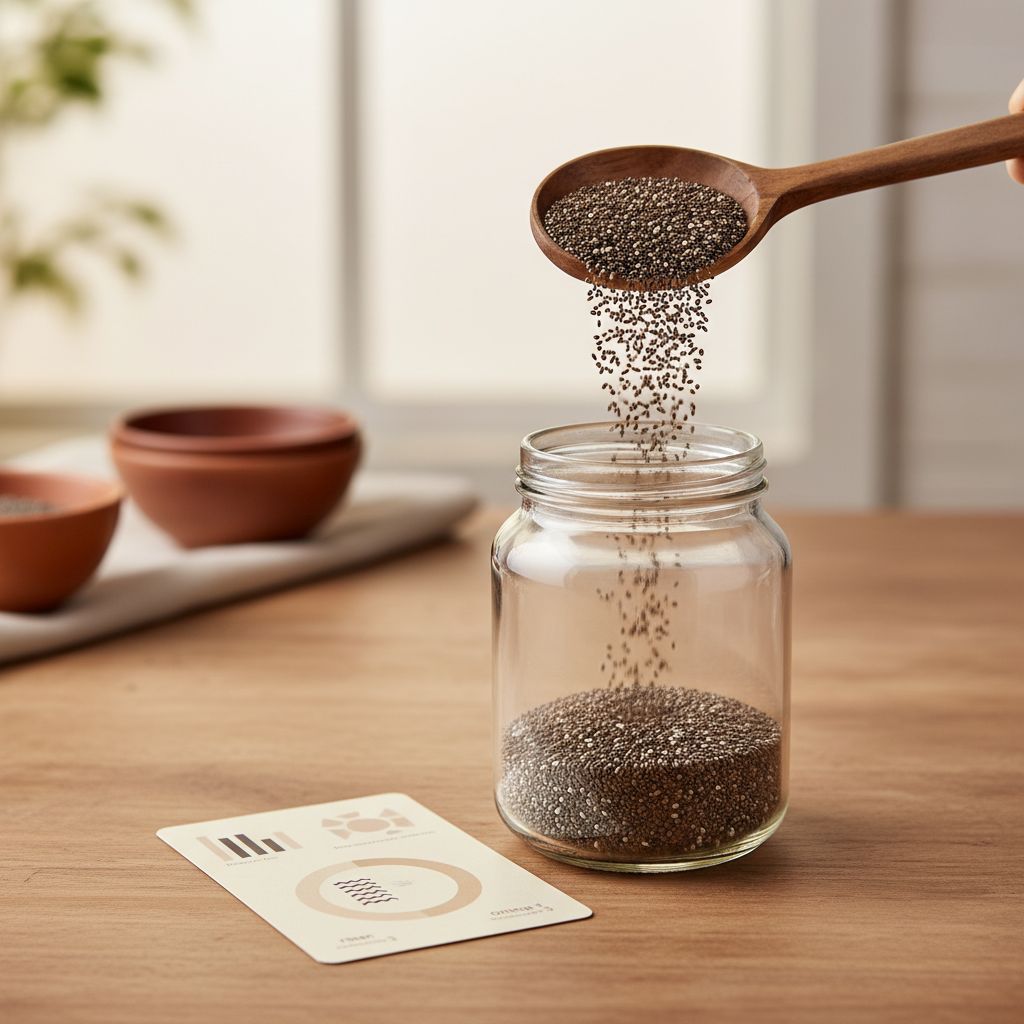
Here’s something that might surprise you: those tiny little chia seeds your grandmother sprinkled on her yogurt? They’re actually nutritional powerhouses. We’re talking about seeds from the Salvia hispanica plant that pack more nutrients into their tiny shells than you’d ever expect. Fiber, omega-3s, protein, antioxidants—the whole gang’s in there. And with everyone looking for simple ways to eat better these days, understanding what chia seeds can actually do for your health just makes sense. These little guys support everything from keeping your digestion happy to helping you manage your weight. Let’s break down exactly what makes chia seeds worth adding to your daily routine and why nutritionists keep raving about them.
Key Health Benefits of Chia Seeds
The thing about chia seeds is they don’t just focus on one area of your health—they’re like that friend who’s good at everything. Take their fiber content, for instance. This stuff keeps your digestive system running smoothly, helps with regular bowel movements, and basically keeps your gut happy. But that’s just the beginning. Those omega-3 fatty acids? They’re busy fighting inflammation and keeping your heart healthy. And here’s what’s really cool: the protein in chia seeds helps maintain your muscle mass while supporting your metabolism. When your metabolism’s humming along nicely, you feel more energetic and balanced overall.
Now, let’s talk about weight management—because this is where chia seeds really shine. The combination of fiber and protein creates this amazing feeling of fullness that can help you avoid those 3 PM snack attacks. (You know the ones.) When you feel satisfied after meals, you’re naturally going to eat less throughout the day. But wait, there’s more. Chia seeds are loaded with antioxidants that fight off cell damage and may help reduce your risk of chronic diseases. Plus, they’re great for hydration and can improve your cholesterol levels. Whether you’re trying to improve your digestion, manage your weight, or just want to support your brain health, chia seeds offer multiple ways to boost your wellness naturally. For a deeper look at how proper nutrition works together, check out this guide on balanced diet benefits and see how it pairs perfectly with adding chia seeds to your meals.
Key Aspects of Key Health Benefits of Chia Seeds
When you’re thinking about adding chia seeds to your routine, these are the big benefits you’ll want to know about.
- Rich Source of Fiber: Chia seeds contain both types of fiber—soluble and insoluble—which means they’re working double duty for your digestion. They help keep things moving, support your gut health, and can even help lower your cholesterol and control blood sugar. This ties in perfectly with what we know about the importance of dietary fiber for your health.
- Abundant Omega-3 Fatty Acids: If you’re not big on fish, chia seeds are your new best friend for omega-3s. These plant-based fats are fantastic for your heart and brain, reducing inflammation and helping your cells function better. The research on the benefits of omega-3 fatty acids backs this up completely.
- Supports Weight Management: Here’s the magic combo: protein plus fiber equals feeling full longer. This can naturally help you eat less without feeling deprived, which is exactly what you want for sustainable weight management. This works hand-in-hand with strategies covered in weight loss and stress management, where controlling appetite is crucial.
- High Antioxidant Content: Think of antioxidants as your body’s security team—they protect your cells from damage and help fight inflammation. Chia seeds are packed with these protective compounds, which may help reduce your risk of chronic diseases. This protective benefit is similar to what you’ll find with benefits of drinking herbal tea.
These benefits show you exactly why chia seeds have become such a go-to for people who want nutrient-dense foods that actually make a difference. Understanding these advantages sets you up to appreciate just how impressive the nutritional breakdown of these tiny seeds really is.
Nutritional Profile of Chia Seeds
Let’s get into the nitty-gritty of what’s actually inside chia seeds. The cool thing is, they’re incredibly nutrient-dense without being calorie-heavy—perfect if you want maximum nutrition without overdoing it on calories. Each serving gives you solid amounts of protein and fiber, plus those healthy omega-3 fats we talked about. These macronutrients work together to support your muscles, keep your digestion happy, and maintain good cardiovascular health. Basically, they’re covering all the basics you need for an active, healthy lifestyle.
But here’s where it gets really interesting—the vitamins and minerals. Chia seeds are loaded with calcium, magnesium, and phosphorus, which are absolute essentials for strong bones and proper metabolism. These minerals also play key roles in how your cells function and how your body produces energy. So you’re not just getting basic nutrition here; you’re getting multi-level health support that works throughout your entire system. If you want to learn more about keeping your bones strong and getting enough minerals, take a look at these strategies for how to prevent osteoporosis—it’s a great complement to understanding how minerals benefit your health.
Key Aspects of Nutritional Profile of Chia Seeds
Here’s the nutritional breakdown that makes chia seeds such a smart addition to your diet.
- High in Fiber: With both types of fiber working for you, chia seeds promote healthy digestion and support a thriving gut microbiome. This aligns perfectly with advice you’ll find on how to improve digestion.
- Rich in Protein: What makes chia seed protein special is that it contains all the essential amino acids your body needs. This supports muscle repair and keeps your metabolism running efficiently—benefits that align with insights on the benefits of a high protein diet.
- Packed with Essential Minerals: The calcium, magnesium, and phosphorus in chia seeds support everything from bone strength to energy production and heart health. These mineral benefits connect to strategies discussed in how to maintain healthy blood pressure and how to improve blood circulation.
- Loaded with Antioxidants: The high antioxidant content helps your body fight oxidative stress and inflammation, supporting cellular health throughout your system. This protective effect is similar to benefits discussed in how to reduce risk of cancer.
This impressive nutrient profile makes chia seeds a valuable tool for maintaining good health, preventing chronic conditions, and supporting an active lifestyle. The nutrient density offers real, practical benefits that go way beyond basic nutrition—you’re getting support for your metabolism, cardiovascular system, and digestive health all in one small package. With this understanding, you can confidently add chia seeds to your meals knowing exactly how they’re going to benefit your health in the long run.

Here’s the bottom line: chia seeds are pretty amazing little things. These tiny powerhouses pack more nutrition per ounce than almost anything else in your pantry—fiber, omega-3s, protein, antioxidants, you name it. Think of them as nature’s multivitamin, but way more fun to eat. They’re working overtime to keep your digestive system happy, your heart healthy, and your energy levels steady throughout the day. Plus, that protein boost? It’s quietly helping your metabolism hum along while keeping your muscles strong.
But wait, there’s more. (I know, I sound like an infomercial, but bear with me.) Chia seeds are loaded with calcium, magnesium, and phosphorus—basically everything your bones crave. And those antioxidants are like tiny bodyguards, fighting off the daily stress your cells face. The best part? You can sneak these nutritional heroes into just about anything. Smoothies, puddings, even your morning oatmeal. It’s like having a secret weapon in your kitchen. Just remember—start small if you’re new to them. Your digestive system will thank you for the gentle introduction.
Ready to take this whole healthy eating thing to the next level? Chia seeds work best when they’re part of a bigger picture. If you want to really understand how all the pieces fit together, check out the benefits of a balanced diet—it’s eye-opening stuff. And if weight management is on your mind (isn’t it always?), pairing chia seeds with smart lifestyle choices makes all the difference. Our guide on weight loss and stress management has some game-changing strategies. Oh, and since we’re talking about strong bones, don’t miss these exercises to prevent osteoporosis—your future self will be grateful.
Let’s talk about fiber for a second. It’s probably the most underrated nutrient out there, and chia seeds are absolutely loaded with it. We’re talking about the stuff that keeps everything running smoothly (if you know what I mean) and supports your overall wellness in ways you might not even realize. If you’re curious about why fiber deserves more credit, this deep dive into the importance of dietary fiber will change how you think about your daily nutrition. Trust me, it’s worth the read.
Look, adding chia seeds to your diet isn’t just jumping on some health trend—it’s making a smart, science-backed choice that your body will actually notice. You’ve got the knowledge now, so why not give it a shot? Start small, get creative with your recipes, and pay attention to how you feel. Health isn’t about perfection; it’s about making better choices consistently. And honestly? Once you start experimenting with chia seeds, you might be surprised at how easy (and delicious) eating well can be. Your future, more energetic self is already thanking you.
Frequently Asked Questions
-
Are chia seeds safe for everyone?
- Generally, chia seeds are safe for most people. However, if you have allergies or specific digestive conditions, it’s best to consult a healthcare provider before incorporating them regularly.
-
How many chia seeds should I eat daily?
- A recommended daily intake is about 1-2 tablespoons. This amount delivers key nutrients without overloading your system.
-
Can chia seeds help with weight loss?
- Yes, chia seeds may aid weight management by promoting fullness and reducing appetite, helping you naturally lower calorie intake.
-
Do chia seeds need to be soaked before eating?
- Soaking chia seeds helps improve digestion and nutrient absorption, but they can also be consumed dry in small amounts if preferred.
-
Can chia seeds cause any side effects?
- Some individuals may experience mild digestive issues or allergic reactions. It’s important to start with small amounts and observe your body’s response.