Table of Contents
Introduction
Let’s talk about something that touches nearly every family: cancer. It’s scary, yes—but here’s what might surprise you. You have more control over your cancer risk than you probably realize. While the topic feels overwhelming, the truth is that many of the most powerful prevention tools are sitting right in your daily routine.
Here’s how cancer actually works: it’s usually a perfect storm of genetics meeting environment. Sure, some people inherit gene mutations that stack the deck against them. But most cancer risk? That comes down to how we live our lives. Take something like how to improve insulin sensitivity—maintaining that hormonal balance isn’t just good for diabetes prevention. It’s a cornerstone of cancer protection too. And those everyday choices about moving your body? They matter more than you might think. Understanding the benefits of regular physical activity reveals just how powerful exercise can be in giving your body the tools it needs to fight off disease.
Then there’s the stuff we’re exposed to every day. Cigarette smoke (even secondhand), that extra glass of wine, chemicals lurking in household products—they all add up. The good news? You can dramatically cut your exposure with some smart choices. Quitting smoking is obvious, but what about the subtler risks? Even something like chronic stress plays a role here, which is why learning about managing workplace stress isn’t just about feeling better—it’s about staying healthier long-term. When you address both the physical and mental sides of health, you’re building real resilience.
And here’s something crucial: catching cancer early changes everything. The difference between stage 1 and stage 4 isn’t just numbers—it’s often the difference between a treatable condition and a life-threatening one. Knowing which screenings to get and when can literally save your life. It’s worth exploring broader health topics too, like preventing muscle cramps and keeping your whole body functioning well. When you combine smart prevention habits with regular check-ups, you’re not just hoping for the best—you’re actively working toward it.
What You’ll Learn in This Guide
This guide will give you everything you need to start reducing your cancer risk today. No medical degree required—just practical, science-backed strategies you can actually use:
- Understanding Cancer Risk Factors: You’ll learn about genetic and environmental contributors to cancer, focusing on what you can influence through lifestyle changes.
- Healthy Lifestyle Choices: This section breaks down impactful habits such as nutrition, exercise, and weight management that bolster your body’s defenses against cancer.
- Avoiding Carcinogens: Discover practical advice on minimizing exposure to harmful substances like tobacco and alcohol while navigating environmental toxins.
- Regular Screenings and Early Detection: Gain clear insights into screening types, guidelines for when to see a doctor, and the importance of early detection in improving treatment success.
By the end, you’ll have a clear action plan—steps you can start taking this week to lower your risk. We’re not talking about overhauling your entire life overnight. Just smart, doable changes that add up to real protection.
Want to dive deeper? Consider checking out topics like foods rich in antioxidants—these nutritional powerhouses help your body fight off the cellular damage that can lead to cancer. And don’t overlook maintaining healthy blood pressure, since cardiovascular health and cancer prevention are more connected than most people realize.
Ready to take control? You don’t need to wait for the perfect moment or the perfect plan. Every positive change you make—no matter how small—moves you in the right direction. Let’s dive in and start building your personal cancer prevention strategy, one smart choice at a time.
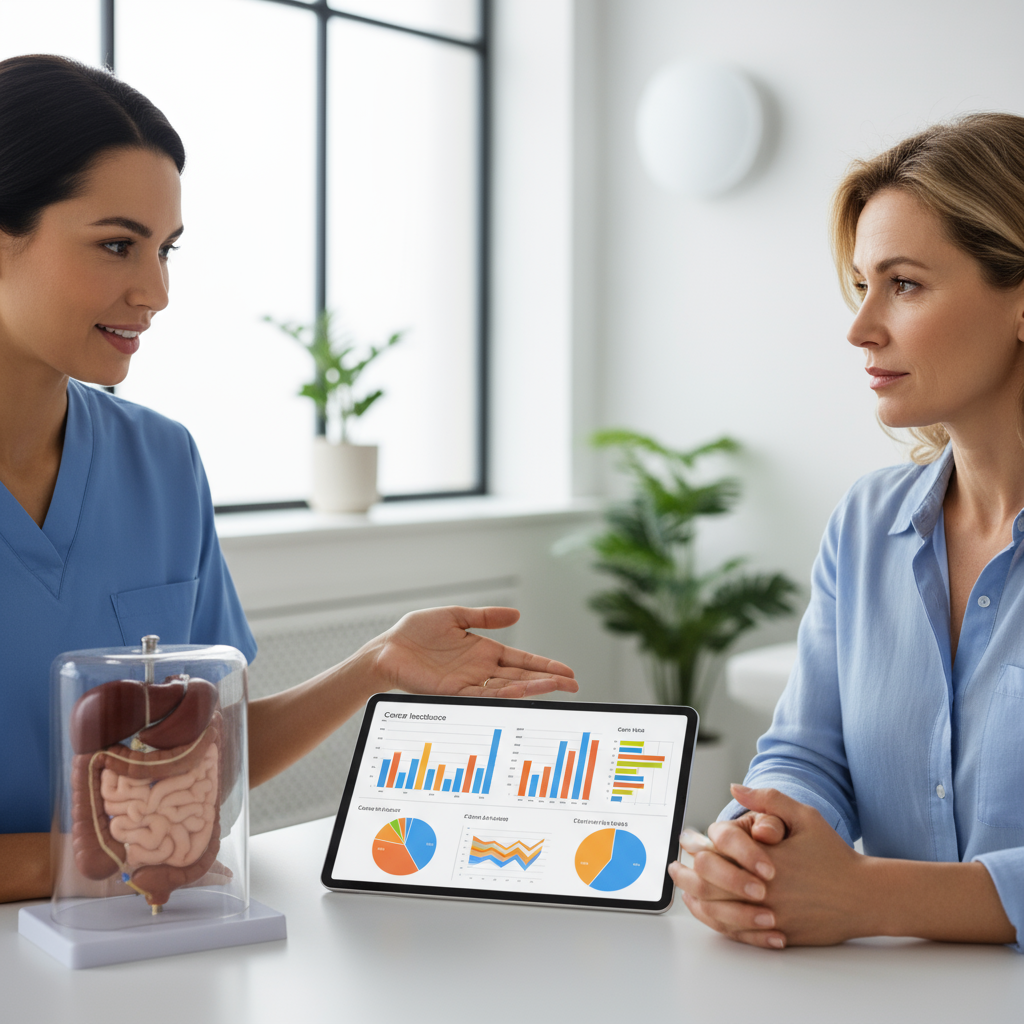
Cancer. Just hearing the word makes most of us pause, doesn’t it? It’s one of those diseases that touches virtually everyone’s life somehow—whether directly or through someone we love. And while it’s incredibly complex, here’s what gives me hope: we actually have more control than many people realize. Sure, genetics play a role that we can’t change. But so many of the factors that influence cancer risk? Those are things we can absolutely do something about. That’s what we’re going to talk about today—the real, practical ways you can stack the odds in your favor.
Understanding Cancer Risk Factors
Let’s start with the basics. Cancer risk comes down to two main players: what you inherit and what you encounter. Think of genetics as the cards you’re dealt at birth—things like family history and inherited gene mutations that might make you more susceptible to certain cancers. These aren’t your fault, and you can’t change them. But here’s where it gets interesting: environmental factors often have just as much (sometimes more) impact on your cancer risk. We’re talking about everything from tobacco smoke and radiation to the chemicals you might encounter at work or even at home.
And here’s something that might surprise you—stress isn’t just “all in your head” when it comes to cancer risk. Chronic stress actually weakens your immune system and messes with your body’s ability to repair damaged cells. The research on effects of stress on the body shows just how real this connection is. When your stress response is constantly switched on, it creates the perfect storm for cellular damage.
Your lungs deserve special attention here. They’re constantly filtering the air around you, which means they’re also your first line of defense against airborne carcinogens. Poor air quality, workplace chemicals, pollution—it all adds up. The good news? Your lungs are remarkably resilient when you give them the right support. Simple things like breathing exercises and regular cardio can dramatically improve your lung function. Check out these practical tips on how to improve lung capacity—your future self will thank you.
Key Aspects of Cancer Risk Factors
Now, let’s break down the main risk factors so you know exactly what you’re dealing with:
- Genetic Factors: Family history matters—a lot. If cancer runs in your family, especially things like BRCA1 and BRCA2 mutations (you’ve probably heard of these in relation to breast and ovarian cancers), you’re not powerless. Knowing your family’s health story helps you and your doctor create a game plan. Earlier screenings, lifestyle adjustments, preventive measures—knowledge really is power here.
- Environmental Carcinogen Exposure: Here’s a sobering fact: tobacco smoke is still the biggest preventable cause of cancer worldwide. But it’s not just smoking—we’re also talking about UV rays, workplace chemicals like asbestos, and air pollution. The key word here is “cumulative.” These exposures add up over time, which means every protective step you take matters.
- Physiological Stress Impact: Remember what I said about stress? When you’re chronically stressed, your body’s cancer-fighting mechanisms don’t work as well. Your immune system gets sluggish, your DNA repair processes slow down, and inflammation goes up. Interestingly, many of the strategies that help reduce risk of heart disease also help with cancer prevention—because at the end of the day, it’s all about reducing systemic inflammation and stress.
- Circulatory Health and Cellular Renewal: Good circulation isn’t just about avoiding cold hands and feet. Your blood carries nutrients to every cell and helps remove waste products—including potentially harmful substances. When circulation is poor, your immune cells can’t patrol effectively, and cellular repair slows down. Want to improve this? The guide on how to improve blood circulation has some surprisingly simple strategies that make a real difference.
Here’s the bottom line: understanding these risk factors isn’t about scaring yourself into submission. It’s about giving yourself the knowledge to make informed choices about your health and work with your healthcare team to catch any problems early.
So now that we’ve covered what increases cancer risk, let’s flip the script. What can you actually do about it? That’s where lifestyle choices come in—and trust me, the research on this is incredibly encouraging.
Healthy Lifestyle Choices to Lower Cancer Risk
Here’s where things get exciting. While we can’t control our genes, we absolutely can control many of the lifestyle factors that influence cancer risk. And the best part? The same habits that help prevent cancer also make you feel better, look better, and live better overall. It’s like getting a bonus with every healthy choice you make.
The magic happens when you combine good nutrition, regular movement, and maintaining a healthy weight. These three work together like a well-oiled machine—boosting your immune system, keeping your hormones balanced, and fighting inflammation. Think of inflammation as rust in your body’s engine; the less you have, the better everything runs. The principles behind a balanced diet are your best friend here, loading you up with antioxidants that literally neutralize cancer-causing agents.
And about exercise—I know, I know, everyone tells you to exercise more. But here’s why it specifically matters for cancer prevention: it helps manage your weight, sure, but it also cranks up your immune system and lowers levels of growth factors that can actually feed cancer development. The beauty is that you don’t need to become a marathon runner. Even age-appropriate, consistent activity makes a huge difference. The strategies in fitness for older women show how to tailor exercise to where you are right now, not where you think you should be.
Key Aspects of Healthy Lifestyle Choices
Let me break down the lifestyle changes that pack the biggest punch when it comes to cancer prevention:
- Nutrition: Your plate is your first line of defense. Load it up with colorful fruits and vegetables, whole grains, and legumes—these foods are packed with fiber, vitamins, and those cancer-fighting antioxidants I mentioned. Meanwhile, try to limit processed foods and red meat. I’m not saying never eat a burger again, but processed meats contain preservatives and compounds that can increase cancer risk. If meal planning feels overwhelming, the tips for maintaining a healthy nutrition plan can help you create sustainable habits that actually stick.
- Physical Activity: Moving your body regularly is like giving your immune system a daily tune-up. It helps with detoxification, balances hormones, and keeps inflammation in check. You don’t need to overcomplicate this—find activities you actually enjoy and can stick with. The fitness tips for weight loss include a great mix of cardio, strength training, and flexibility work that covers all your bases for optimal health.
- Weight Management: Maintaining a healthy weight isn’t about fitting into a certain size jeans—it’s about reducing chronic inflammation and keeping your hormones balanced. Excess weight, particularly around the midsection, can increase your risk for several types of cancer. The good news? When you focus on good nutrition and regular activity, healthy weight often follows naturally.
- Stress Management and Hydration: Managing stress isn’t a luxury—it’s essential for cancer prevention. Whether it’s meditation, yoga, long walks, or whatever helps you unwind, make it a priority. And don’t forget about hydration. Water helps flush toxins from your system and keeps your cells functioning optimally. The connection between weight loss and stress management shows how these factors work together to support your overall health and reduce cancer risk.
The beautiful thing about these lifestyle changes is that they create a positive ripple effect throughout your entire life. You’ll have more energy, sleep better, feel more resilient, and yes—significantly lower your cancer risk. It’s not about perfection; it’s about progress and making choices that support your long-term health and happiness.

Here’s the bottom line about reducing your cancer risk: it’s about understanding what you can and can’t control. Sure, genetics play a role—some of us drew the short straw there. But here’s what’s encouraging: so much of cancer prevention actually comes down to the choices you make every day. Things like staying away from tobacco, limiting alcohol, and avoiding environmental toxins? Those are wins you can bank on. And when you pair that with good nutrition, regular exercise, and keeping your weight in check, you’re basically giving your immune system the best possible fighting chance.
Now let’s talk about screening—because catching things early changes everything. I know, I know… nobody loves getting poked and prodded by doctors. But identifying potential problems when they’re small and treatable? That’s the difference between a minor speed bump and a major roadblock. The key is knowing which tests matter for your age and risk factors, so you’re being smart about prevention instead of just crossing your fingers and hoping for the best.
The good news is that every positive step you take today adds up. Want to boost your nutrition game? Check out our guide on balanced diet benefits—it breaks down exactly how the right foods strengthen your body’s defenses. And don’t overlook exercise, even if you’re not twenty anymore. Our resource on fitness for older women shows how staying active builds resilience at any age. Oh, and stress management? It’s not just feel-good advice—chronic stress actually weakens your cancer-fighting abilities. Our article on the effects of stress on the body has some eye-opening insights and practical strategies you can use.
Look, cancer prevention isn’t about perfection—it’s about progress. Every healthy meal, every workout, every smart choice about what you expose yourself to… it all counts. Stay connected with your healthcare team for regular check-ups and screenings. They’re your partners in this, not just people who see you when something’s wrong. With the right knowledge and consistent action, you can take charge of your health and work toward a future where cancer doesn’t call the shots.
Frequently Asked Questions
-
Can a healthy lifestyle completely prevent cancer?
- While a healthy lifestyle significantly reduces cancer risk, it cannot guarantee complete prevention due to genetic and environmental factors.
-
How often should I get cancer screenings?
- Screening frequency depends on age, personal risk factors, and medical guidelines; consult your healthcare provider to create a tailored schedule.
-
Are there specific foods that help prevent cancer?
- Diets rich in fruits, vegetables, whole grains, and antioxidants support cancer prevention by protecting cells from damage.
-
What role does genetics play in cancer risk?
- Inherited genes can increase susceptibility to cancer, but lifestyle and environmental factors also play a strong role.
-
When should I consult a doctor about cancer concerns?
- If you notice unusual symptoms, have a family history of cancer, or other risk factors, consult your healthcare provider promptly for evaluation and advice.