Table of Contents
Introduction
Pregnancy. Just saying the word probably brings up a whirlwind of emotions, right? Excitement, maybe some anxiety, and definitely a whole lot of questions. You’re growing a tiny human inside you—honestly, when you think about it that way, it’s pretty incredible. And yes, maybe a little overwhelming too.
Here’s what matters most: keeping both you and your baby healthy throughout this amazing (and sometimes challenging) journey. Your health directly impacts how your little one grows and develops, which is why taking care of yourself isn’t just important—it’s essential. When you eat well, stay active, and keep up with those prenatal appointments, you’re setting the stage for fewer complications, a healthier baby, and a smoother recovery after birth. Research backs this up, but honestly? You probably already know it in your gut. Taking care of yourself during pregnancy really can make all the difference. Simple things like trying exercises to relieve back pain or practicing breathing exercises for relaxation can help ease those physical aches and keep your mind calm. Trust me, both you and your baby will benefit.
Let’s talk nutrition for a minute. Your body is working overtime right now, and it needs the right fuel to do its job well. Following a balanced diet isn’t just about eating your vegetables (though that helps). You need specific nutrients—folic acid, iron, calcium, protein—that help your baby develop properly and keep you feeling strong. Good nutrition also helps manage your weight and energy levels, so you don’t feel completely wiped out all the time. And if you want to get more strategic about meal planning, learning about healthy nutrition planning can help you create meals that actually nourish both of you.
Now, let’s be real about something else: pregnancy can be stressful. Your body is changing in ways you never imagined, your emotions might feel like they’re on a roller coaster, and everyone seems to have opinions about what you should or shouldn’t be doing. Understanding the effects of stress on the body and having some solid stress management techniques in your toolkit can be game-changers. When you manage stress well, you sleep better, feel better, and help maintain the healthy hormone balance your body needs right now. Plus, you’ll actually be able to enjoy this special time instead of just surviving it.
What You’ll Learn in This Guide
This guide is going to walk you through everything you need to know for a healthy pregnancy. We’re covering nutrition, exercise, medical care, and how to handle the curveballs pregnancy might throw your way. Think of it as your go-to resource for making informed decisions throughout your pregnancy.
- Nutrition and Diet: Learn the key nutritional guidelines including essential nutrients, safe foods to include, and items to avoid to protect you and your baby’s health.
- Exercise and Physical Activity: Understand the benefits of maintaining an active lifestyle during pregnancy along with safe exercise recommendations and precautions to minimize risks.
- Prenatal Care and Regular Check-ups: Discover the importance of medical visits, screening tests, and vaccinations that monitor and promote a healthy pregnancy journey.
- Common Challenges and When to Call a Doctor: Equip yourself with knowledge of typical pregnancy symptoms, coping strategies, warning signs, and clear indicators for seeking immediate medical attention.
As we dig into each topic, you’ll get practical advice that’s actually based on science and expert recommendations. No old wives’ tales here—just solid information you can trust. We’ll explore how small lifestyle changes can make a big difference in how you feel and how your baby develops. For example, maintaining a balanced diet does more than just support your baby’s growth—it keeps your energy up and helps you feel more like yourself.
You’ll also find real talk about managing pregnancy’s ups and downs. Morning sickness? We’ll cover it. Exhaustion that hits you like a truck? Yep, that too. Plus, we’ll help you figure out exercise routines that work with your changing body, not against it. Those regular prenatal check-ups and screenings? They’re not just routine appointments—they’re your early warning system to catch any potential issues before they become problems.
By the time you finish this guide, you’ll feel prepared and confident about this journey ahead. Every piece of advice is designed to help you take great care of yourself and your growing baby, reducing those “what if” worries and helping you focus on the excitement of meeting your little one. Ready to dive in? Let’s make this pregnancy as healthy and joyful as possible.

Pregnancy is one of life’s most incredible journeys—and honestly? It can feel overwhelming at times. Your body is doing something absolutely amazing, creating new life while going through changes you’ve never experienced before. But here’s what I want you to know: taking care of yourself during these nine months isn’t just about following a rulebook. It’s about giving both you and your baby the best possible start.
When you focus on nourishing your body with good food, staying active in ways that feel right for you, and keeping up with those prenatal appointments (yes, even when you’re feeling great), you’re setting up a foundation that goes way beyond pregnancy. You’re investing in your health, your baby’s development, and your confidence as you step into motherhood.
Let’s talk about two areas that can make the biggest difference in your pregnancy experience: what you eat and how you work with your healthcare team. These aren’t just medical recommendations—they’re your tools for feeling strong, healthy, and prepared throughout this journey.
Nutrition and Diet for a Healthy Pregnancy
Here’s the truth about pregnancy nutrition: it’s not about eating for two (despite what everyone tells you). It’s about eating thoughtfully for the incredible work your body is doing. Think of food as fuel for one of the most important projects of your life—growing a tiny human from scratch.
Your body needs specific nutrients right now, and getting them isn’t as complicated as it might seem. Dietary fiber, folic acid, iron, calcium, and protein aren’t just names on a vitamin bottle—they’re the building blocks your baby needs to develop properly. Folic acid helps prevent serious birth defects in your baby’s brain and spine. Iron keeps you from feeling exhausted all the time (beyond normal pregnancy tiredness) and ensures your baby gets enough oxygen. It all works together.
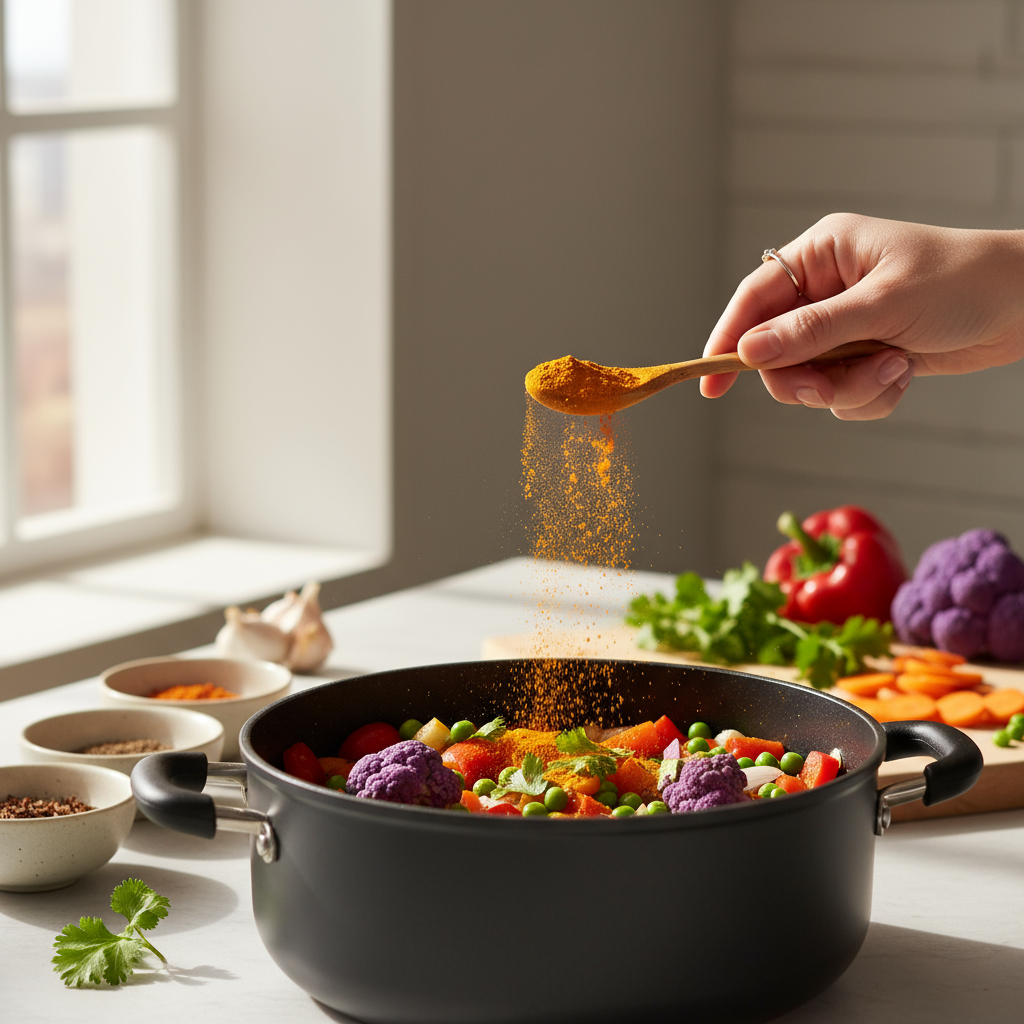
But let’s be real—you don’t need to stress about every single bite. Focus on whole foods that make you feel good: colorful fruits and vegetables, whole grains that give you lasting energy, and lean proteins that help build those tiny muscles and organs. These foods don’t just provide vitamins and minerals—they’re packed with antioxidants and fiber that help with digestion (trust me, you’ll appreciate this later).
Now, about what to avoid. I know it’s not fun to think about restrictions when you’re already dealing with so many changes. But steering clear of alcohol, limiting caffeine to about one cup of coffee a day, and avoiding raw or undercooked foods protects your baby from serious risks. Think of it this way: these nine months of being cautious give your child a lifetime of health benefits.
Key Aspects of Pregnancy Nutrition
Let’s break down what really matters when it comes to feeding yourself well during pregnancy:
- Essential Nutrient Intake: Your baby is literally building organs, bones, and a brain from the nutrients you provide. Folic acid, iron, calcium, and protein aren’t optional—they’re the foundation of healthy development. And here’s the thing: when you get enough of these nutrients, you’ll likely feel better too.
- Whole Food Focus: Fresh fruits, vegetables, whole grains, and quality proteins give you the most bang for your nutritional buck. These foods work together to keep your energy steady and your baby growing strong. Plus, they taste better than processed alternatives.
- Avoiding Risky Foods: Nobody wants to think about what could go wrong, but avoiding alcohol, limiting caffeine, and skipping raw foods significantly reduces risks like low birth weight and infections. It’s one of the most powerful ways to protect your pregnancy.
- Hydration and Meal Regularity: Staying hydrated and eating regular, balanced meals helps prevent those awful blood sugar crashes and keeps pregnancy symptoms like nausea and fatigue from getting worse. Your body is working overtime—give it consistent fuel.
Good nutrition during pregnancy isn’t just about these nine months. You’re setting patterns that can benefit your family for years to come. And when you’re nourishing yourself well, you’ll have more energy to focus on another crucial aspect of pregnancy care—building a strong relationship with your healthcare team.
Importance of Prenatal Care and Regular Check-ups
Let me tell you something that might surprise you: prenatal care isn’t just about making sure everything’s okay (though that’s certainly important). It’s about building a partnership with healthcare providers who become your guides, advocates, and safety net throughout pregnancy and beyond.
Those regular appointments—even the ones that feel routine—are doing more than you might realize. Every ultrasound that lets you see your baby’s growing profile, every blood test that checks for anemia or infections, every screening for gestational diabetes is gathering information that helps ensure the best possible outcome for both of you. When your healthcare team can spot potential issues early, they can often address them before they become bigger problems.
And here’s what I love about good prenatal care: it’s personalized. Your provider gets to know your body, your concerns, your family history, and your unique pregnancy experience. That means the advice you receive isn’t generic—it’s tailored specifically for you and your baby.
Don’t overlook the importance of recommended vaccinations during pregnancy. I know some people worry about vaccines, but the flu shot and Tdap vaccination protect both you and your baby from serious illnesses. When you get these vaccines, you’re actually passing protective antibodies to your baby, giving them immunity during their most vulnerable early months.
Key Aspects of Prenatal Care
Here’s what makes prenatal care so valuable for you and your growing baby:
- Comprehensive Screening Tests: Those ultrasounds that make you cry happy tears? They’re also carefully monitoring your baby’s growth and development. Blood tests catch things like anemia (which is common and treatable) or infections that could affect your pregnancy. Gestational diabetes screening helps prevent complications that could affect both of you.
- Personalized Medical Guidance: Your healthcare provider becomes your pregnancy expert, offering advice on everything from which foods to prioritize to safe exercises and managing uncomfortable symptoms. This isn’t one-size-fits-all advice—it’s based on your specific needs and circumstances.
- Recommended Vaccinations: Getting your flu shot and Tdap vaccination during pregnancy is one of the best gifts you can give your baby. You’re not just protecting yourself from illness—you’re passing protective antibodies that keep your newborn safe during those critical early months.
- Early Detection and Intervention: Regular check-ups mean potential issues like preeclampsia or growth concerns can be caught early when they’re most treatable. This proactive approach often prevents minor issues from becoming major complications.
When you combine consistent prenatal care with good nutrition and healthy habits, you’re not just managing your pregnancy—you’re actively participating in creating the best possible outcome. And here’s the bonus: this approach gives you confidence and peace of mind during what can be an anxious time. You’ll know you’re doing everything you can to support your health and your baby’s development, and that knowledge is incredibly powerful.

Pregnancy changes everything—and I mean that in the best possible way. Your body is doing something incredible right now, and giving it the right support makes all the difference. You’ve probably heard this before, but it’s worth repeating: good nutrition, staying active, and keeping up with your prenatal appointments aren’t just recommendations—they’re your toolkit for feeling your best. Think about nutrients like folic acid, iron, calcium, and protein as your baby’s building blocks. Every healthy meal you eat is literally helping your little one grow stronger. And here’s something that might surprise you: gentle exercise actually helps with those pregnancy aches and pains while boosting your energy. Who couldn’t use more energy these days?
The truth is, balancing all of this doesn’t have to feel overwhelming. Start with the basics—fill your plate with colorful, whole foods that make you feel good. (Your body will thank you for it.) Skip the alcohol and go easy on the caffeine—your baby’s developing system just can’t handle what yours can. When it comes to staying active, you don’t need to run marathons. A walk around the block, some prenatal yoga, or a swim can work wonders for your mood and your muscles. And those prenatal check-ups? They’re not just routine—they’re your chance to ask questions, voice concerns, and catch any issues before they become bigger problems. Your healthcare provider is there to guide you through everything from morning sickness to those random pregnancy worries that pop up at 2 AM.
Ready to put this into action? Let’s start with what’s on your plate. Focus on nourishing foods that fuel both you and your growing baby—and if you need some guidance on building those healthy eating habits, check out how to maintain a balanced diet here. Back pain driving you crazy? (It happens to the best of us.) Try some gentle exercises designed specifically for pregnancy relief—you can find effective routines for back pain here. Feeling stressed or anxious? That’s completely normal, but learning some simple breathing techniques can help you find your calm. Discover breathing exercises for relaxation. Don’t forget to keep those prenatal appointments—they’re more important than you might think. Want to dive deeper into nutrition during pregnancy? This comprehensive healthy nutrition plan here has everything you need to know.
Here’s what I want you to remember: you’ve got this. Pregnancy can feel like uncharted territory, but trusting your instincts and staying informed will serve you well. Your body knows what it’s doing—you just need to support it along the way. Stick with these proven strategies, stay consistent with your care, and don’t hesitate to reach out for help when you need it. (Seriously, there’s no such thing as a silly question during pregnancy.) If you’re curious about how stress affects your body during this time, learning about the effects of stress on the body can be highly beneficial. Every choice you make right now is setting the stage for a healthier pregnancy and a smoother transition into motherhood. You’re already doing something amazing—now let’s make sure you feel amazing doing it.
Frequently Asked Questions
-
Can I continue exercising during pregnancy?
- Yes, with approval from your healthcare provider, you can engage in safe, low-impact exercises such as walking, swimming, and prenatal yoga to maintain fitness and support your pregnancy health.
-
What foods should I avoid while pregnant?
- It is important to avoid alcohol, certain seafood with high mercury levels, raw or undercooked meats, and limit caffeine intake to protect your baby and reduce risks to your pregnancy.
-
How often should I visit my doctor during pregnancy?
- You should attend regular prenatal visits as recommended by your healthcare provider, typically once a month during the early trimesters, increasing in frequency as your pregnancy progresses.
-
What are common signs of complications?
- Watch for severe abdominal pain, heavy bleeding, or a noticeable decrease in fetal movements, as these symptoms require immediate medical evaluation to ensure safety.