Table of Contents
Introduction
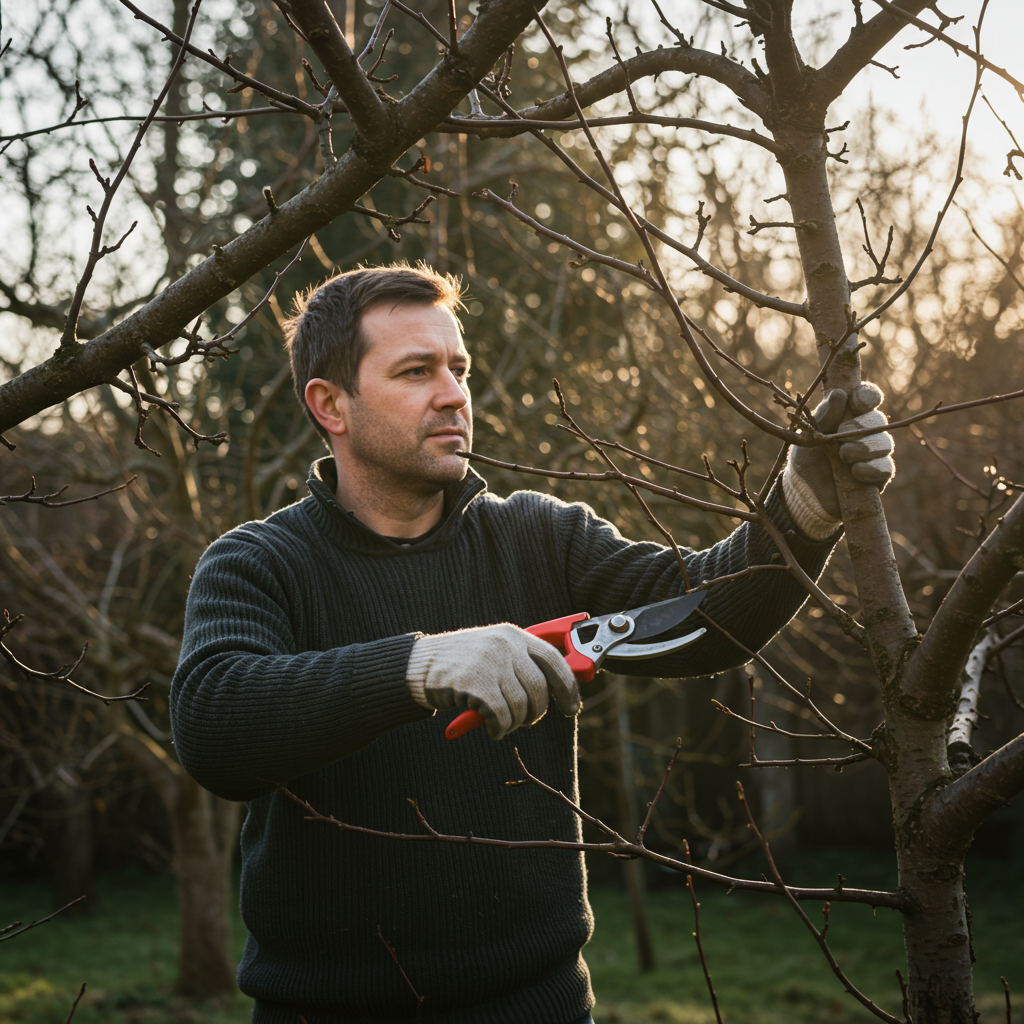
Imagine standing in your backyard, admiring the bountiful fruit trees that promise a season of fresh, delicious harvests. Yet, as the branches grow dense and tangled, the fruits begin to dwindle, and the tree’s health seems to falter. This is a common challenge many fruit tree owners face, but the good news is that with the right pruning techniques, you can revitalize your trees, encourage healthier growth, and reap larger, tastier fruits year after year.
Pruning fruit trees is both an art and a science, crucial for maintaining the vitality and productivity of your trees. It involves selectively trimming branches to remove dead or overcrowded limbs, facilitating better air circulation and sunlight penetration. This not only supports the tree’s structural integrity but also prevents the spread of diseases and pests that can thrive in dense, unkempt foliage. Pruning, when done correctly, can dramatically improve fruit quality, size, and yield, making your gardening efforts truly rewarding.
Across various climates and fruit tree species, the timing and methods of pruning can differ, but the underlying goal remains consistent: to promote strong, healthy trees that produce abundant fruit. For many, the winter dormant season presents the ideal window for heavier pruning, as the trees are less susceptible to stress and damage. Summer pruning, on the other hand, often focuses on shaping and controlling growth, ensuring the tree develops an optimal form for harvesting and sunlight exposure. Recognizing when a tree needs pruning—such as detecting overcrowded branches, deadwood, or reduced fruit output—is essential to maintaining its long-term health.
While the process may seem daunting at first, pruning is a skill that can be developed with practice and knowledge. The right tools and safety equipment play a significant role in making this task efficient and enjoyable. Hand pruners, loppers, and pruning saws each have their specific uses depending on the branch size, while gloves and goggles protect you during the work. Understanding how to make different types of cuts and knowing how much to trim without overdoing it will save your tree from damage and promote vigorous growth.
Whether you are a seasoned gardener or just starting, learning how to prune fruit trees effectively can transform your garden. It not only enhances the aesthetics of your trees but also strengthens their resilience against pests and weather extremes, ensuring a fruitful season for years to come. This guide will walk you through everything you need to know, empowering you to become confident in caring for your fruit trees and enjoying the fruits of your labor in the most literal sense.
What You’ll Learn in This Guide
In this comprehensive guide, we’ll cover all the essential aspects of pruning fruit trees to help you achieve healthy growth and abundant harvests. Here’s what you can expect to learn:
- Essential Pruning Techniques: Gain a solid understanding of the basic pruning methods, including how to identify which branches to remove and which to keep, ensuring your tree’s health and productivity.
- Optimal Timing for Pruning: Learn when to prune your fruit trees based on species and seasonal cycles, including the differences between winter and summer pruning and how timing affects tree growth.
- Tools and Safety Equipment: Discover the best tools for pruning tasks and how to use them properly and safely, including hand pruners, loppers, and saws, plus necessary protective gear.
- Step-by-Step Pruning Process and Mistakes to Avoid: Follow a detailed, easy-to-understand pruning routine and learn common pitfalls to avoid, such as over-pruning and improper cuts, to keep your trees healthy and thriving.
Understanding these key areas will equip you with the knowledge to care for your fruit trees confidently. We’ll guide you through assessing your tree’s needs, making precise cuts, and maintaining your trees year-round for the best results.
In the sections that follow, we will delve into the reasons why pruning is vital for your fruit trees, exploring how it extends their lifespan and boosts fruit quality. You will learn about different pruning schedules tailored to various types of fruit trees and the signs indicating that your tree requires attention. We also provide detailed descriptions of the tools you’ll need and safety measures to keep pruning as safe and efficient as possible.
Next, we will present a comprehensive, step-by-step pruning guide covering everything from identifying the right branches to prune to shaping your tree for optimal growth and fruit production. Additionally, you will find essential tips on avoiding common mistakes that could harm your trees both in the short and long term.
Finally, our guide will address how to prevent disease through proper pruning hygiene and when it might be time to call in a professional arborist for specialized care, especially for larger or more complex trees. By the end, you will have a complete toolkit of knowledge and techniques to help your fruit trees flourish and your gardening experience become even more rewarding.
Get ready to unlock the secrets to healthier, more productive fruit trees with confidence and care. Let’s embark on this journey to pruning success together and ensure the vibrant growth and delicious harvests you deserve.
As we transition from understanding the essentials of pruning fruit trees outlined in the introduction, it becomes clear that mastering this skill goes beyond mere cutting. Proper pruning contributes significantly to the overall health, productivity, and longevity of fruit trees. Let’s delve deeper into key aspects such as the timing and techniques of pruning, as well as practical tools and safety measures that ensure fruitful results. Understanding these factors thoroughly will empower gardeners to nurture strong, vibrant trees that thrive season after season.
When to Prune Fruit Trees for Optimal Growth and Health
Timing is a critical element in fruit tree pruning that directly influences the tree’s health and fruit yield. Pruning at the correct time encourages vigorous growth while preventing damage or disease. Generally, there are two main seasons for pruning: winter, when trees are dormant, and summer, which involves lighter pruning to control growth and shape. Winter pruning is often preferred as it allows gardeners to see the tree’s structure more clearly without foliage obstructing the view. This season is ideal for removing dead or diseased branches and shaping the tree’s framework.
On the other hand, summer pruning serves the purpose of maintaining tree size, managing sun exposure, and encouraging fruit ripening by allowing better air circulation within the canopy. However, it should be done sparingly to avoid stressing the tree. Recognizing signs that indicate a tree needs pruning is equally important. Symptoms such as overcrowded branches, dead or diseased limbs, and noticeably reduced fruit production are cues that intervention is necessary to restore tree vitality and productivity.
Key Aspects of Timing and Need for Pruning
Understanding the seasonal timing and indications for pruning guides gardeners in making smart decisions to foster healthy trees. Here are the essential points to consider:
- Winter Dormant Pruning: This is the prime season for major pruning tasks. Removing dead and diseased wood during dormancy minimizes stress on the tree and reduces the risk of infection. It also prepares the tree to channel energy towards new growth in spring.
- Summer Pruning: Performed with moderation, this helps maintain the desired shape and size of the tree. It’s beneficial for improving sunlight penetration and air movement around fruit clusters, which can enhance fruit quality.
- Indicators for Pruning: Watch for overly dense canopies that block light, branches that cross and rub causing wounds, and limbs showing signs of damage or disease. Reduced fruit yield or small fruit size can also signal the need for pruning to reinvigorate tree growth.
- Species Variation: Different fruit tree species may have specific pruning windows and requirements. It’s wise to familiarize yourself with the needs of your particular tree to schedule pruning appropriately and avoid negative impacts.
Essential Tools and Techniques for Effective Fruit Tree Pruning
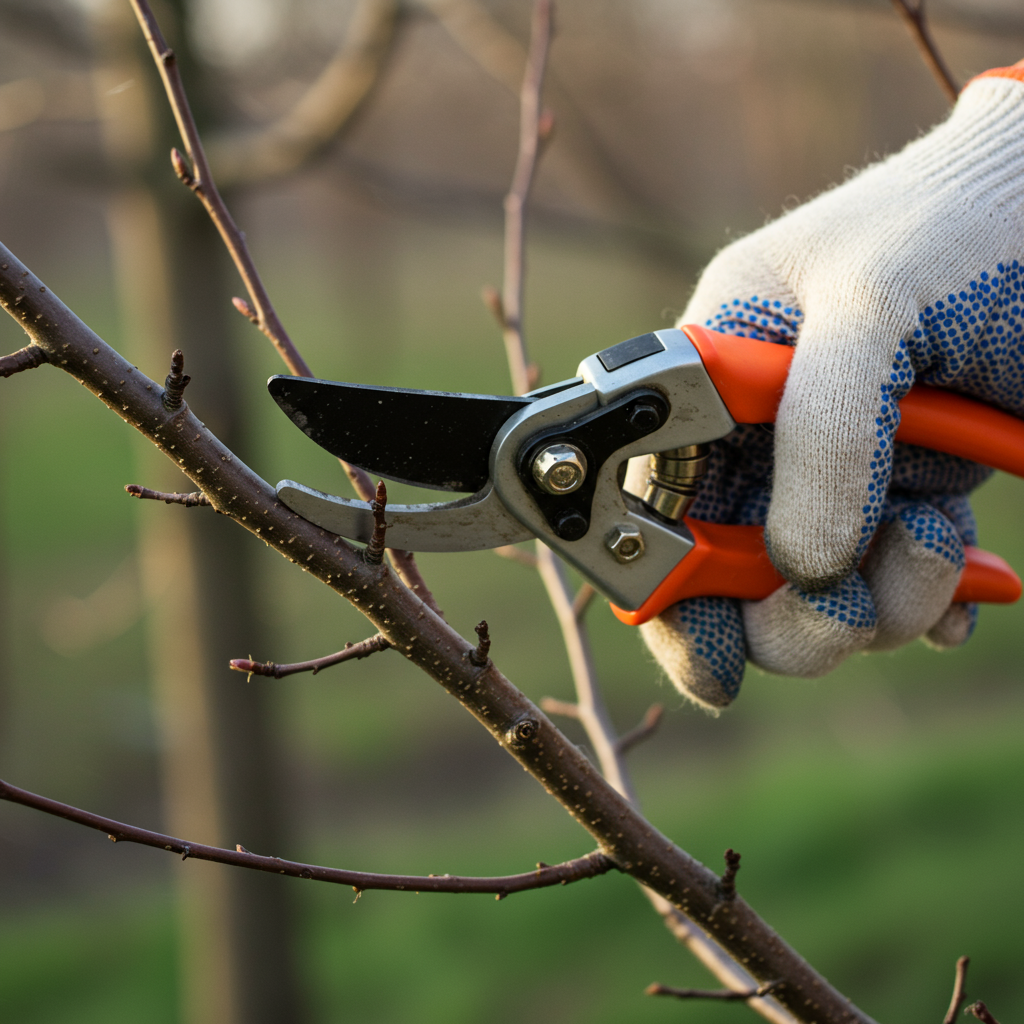
Equipping yourself with the right tools and understanding proper pruning techniques is paramount to performing the task effectively and safely. Essential pruning tools include hand pruners for precise cuts on smaller branches, loppers for medium-sized limbs, and pruning saws for larger branches. The quality and sharpness of your tools affect the cleanliness of the cuts, which in turn influences the tree’s healing process and susceptibility to disease. Safety equipment such as gloves and goggles protect against injuries from sharp tools or flying debris during pruning.
In terms of techniques, there are several types of pruning cuts to use strategically depending on the purpose: thinning cuts to open the canopy by removing branches at their origin, heading cuts to stimulate bushier growth by cutting back to a bud or lateral branch, and removal cuts to eliminate entire branches. The pruning process should follow a methodical approach, starting with the removal of dead or diseased wood, then thinning overcrowded areas to improve light and air circulation, and finally shaping the tree to balance aesthetics with natural growth patterns. It’s crucial to avoid removing more than 25% of the tree’s canopy in a single session to prevent undue stress that could hamper recovery.
Important Considerations for Tools and Techniques
Mastering the use of proper tools and techniques enhances pruning outcomes significantly. Consider these key points:
- Right Tool for the Job: Use hand pruners for small branches under half an inch thick. For branches between half an inch and one inch, loppers provide leverage and clean cuts. Larger branches need a pruning saw designed for smooth, controlled cuts to prevent bark tearing.
- Tool Maintenance and Safety: Regularly sharpen blades and clean tools to ensure efficient cutting and reduce the risk of spreading diseases between trees. Always wear gloves and goggles to protect your hands and eyes during pruning operations.
- Types of Cuts and Their Purpose: Thinning cuts promote airflow and sunlight penetration by removing entire branches back to the trunk or main limb. Heading cuts encourage denser growth and are useful for shaping. Removal cuts are necessary for eliminating damaged or crossing branches that threaten the tree’s structure.
- Pruning Approach: Begin with the easy-to-identify dead or diseased branches, which improve overall tree health. Then proceed to thin congested areas to prevent fungal diseases and pest infestations. Finish by shaping the tree to ensure balance and maximize fruit production.
Conclusion
Effective pruning is an essential practice for maintaining healthy fruit trees and ensuring abundant, high-quality harvests. By carefully removing dead or diseased branches, thinning overcrowded areas, and shaping the tree to allow optimal sunlight and air circulation, gardeners foster stronger growth and reduce the risk of diseases. Proper timing plays a critical role; winter pruning during dormancy supports recovery from heavier cuts without undue stress, while lighter summer pruning helps control growth and improve fruit ripening. Recognizing signs that indicate when a tree needs pruning, such as crowded branches, drooping limbs, or reduced fruit yield, ensures timely care that rejuvenates the tree’s vigor.
Using the right tools safely—hand pruners, loppers, and pruning saws with clean, sharp blades—and following proper cutting techniques minimizes damage and promotes speedy healing. Making the right types of cuts, including thinning, heading, and removal cuts, helps maintain the tree’s natural form while enhancing fruit production. Avoiding common mistakes like over-pruning or leaving stubs is vital to prevent weakening the tree or inviting infections. Moreover, good sanitation practices such as cleaning tools between cuts and disposing of pruned diseased material carefully contribute to disease prevention and overall tree health. These combined practices result in fruit trees that thrive year after year, producing better quality fruit and lasting longer in your garden.
To take the next steps, assess your fruit trees regularly for signs of overcrowding, damage, or reduced fruiting, and plan your pruning schedule around the seasonal cues discussed. Start with pruning smaller branches using hand pruners and progress to larger limbs with loppers and saws as necessary, always prioritizing safety with gloves and eye protection. Remember not to remove more than 25% of foliage in one session to avoid stressing the tree. With consistent care, you will notice improved fruit size, better sunlight distribution through the canopy, and enhanced tree resilience. For those caring for large or tall trees, or dealing with complex diseases or pests, consulting professional arborists ensures expert attention and preserves your tree’s health over time.
In summary, pruning is a powerful tool in your gardening arsenal that combines knowledge, timing, and technique to nurture healthy fruit trees and fruitful seasons. By embracing these practices and learning from each pruning experience, you become a confident gardener capable of supporting thriving trees and enjoying bountiful harvests season after season. For gardeners eager to continue deepening their knowledge, exploring more advanced horticultural techniques and disease management strategies can further enhance your garden’s vitality and productivity over the years to come.