
Table of Contents
Introduction
Picture this: you wake up tomorrow feeling like you could conquer the world. Sharp mind? Check. Energy that lasts all day? Check. That rock-solid feeling of being genuinely healthy? Double check. And here’s the kicker—no weird supplements, crash diets, or magic pills required. Just good, honest nutrition working its magic.
Look, I get it. We’ve all been there—grabbing whatever’s convenient, running on caffeine and willpower, wondering why we feel like we’re dragging ourselves through quicksand by 3 PM. But here’s what most people don’t realize: the food on your plate isn’t just fuel. It’s information. Every bite is literally telling your cells what to do, how to feel, and whether to thrive or just survive.
A balanced diet isn’t some Instagram-perfect arrangement of colorful foods (though they do look pretty). It’s about giving your body the right mix of proteins, carbs, fats, vitamins, and minerals it needs to run like the incredibly sophisticated machine it is. Think of it like premium gas for your car—sure, you can run on regular, but why wouldn’t you want peak performance? Research shows exactly how a balanced diet enhances your health, energy, and mental well-being, making it way more than just a path to weight management. We’re talking mood stability, disease prevention, and possibly even adding years to your life.
Now, let’s talk about your brain for a second. (Because honestly, what good is a healthy body if your mind feels foggy?) Your brain is an energy hog—it uses about 20% of your daily calories. Feed it well, and it rewards you with laser focus and crystal-clear thinking. Skimp on the good stuff, and… well, you know that feeling when you can’t remember where you put your keys five minutes ago? There are specific top foods known to boost brain function naturally, and they’re probably sitting in your kitchen right now. And while we’re on the topic of brain-boosting beverages, have you discovered the multiple benefits of drinking green tea? We’re talking antioxidants, heart support, and metabolism perks that complement your balanced eating perfectly.
But good nutrition goes deeper than just what’s on your plate. It’s about developing a healthy nutrition plan that actually fits your real life—not some fantasy version where you have three hours to prep meals every day. Take fiber, for example. Most of us know it’s “good for us,” but the importance of dietary fiber goes way beyond keeping things moving (if you know what I mean). It’s your blood sugar’s best friend, your heart’s bodyguard, and your digestive system’s cleanup crew all rolled into one.
What You’ll Learn in This Guide
Ready to ditch the confusion and get real about nutrition? This guide isn’t about perfection—it’s about progress. Whether you’re starting from scratch or looking to fine-tune what you’re already doing, we’ve got you covered with practical, no-nonsense advice you can actually use.
- Understanding the Basics: We’ll break down what a balanced diet really means without the jargon. You’ll learn about macronutrients and micronutrients in plain English—no nutrition degree required.
- Key Components of a Balanced Diet: Get the inside scoop on proteins, carbs, fats, vitamins, minerals, and why water deserves way more credit than it gets. We’ll explain how each one keeps your body running like clockwork.
- Benefits of Maintaining a Balanced Diet: Discover what happens when you consistently fuel your body right—from stronger immunity to sharper thinking to energy that doesn’t crash at 2 PM.
- Practical Tips and Challenges: Real-world strategies for meal planning, grocery shopping without breaking the bank, and eating mindfully even when life gets crazy. Plus, we’ll tackle those sneaky obstacles that trip everyone up.
So what’s next? We’re going to dig into what balanced eating actually looks like in practice. No more guessing, no more conflicting advice from your cousin’s friend who did that one diet. Just solid, science-backed information that helps you make choices you feel good about.
You’ll also discover how to make this work with your actual schedule. Because let’s be honest—most nutrition advice assumes you have unlimited time and a fully stocked kitchen. We’ll cover meal planning that doesn’t require a PhD in organization, grocery shopping strategies that save both time and money, and mindful eating techniques that help you tune into what your body actually needs (spoiler: it’s smarter than you think).
By the time we’re done here, you’ll have everything you need to make balanced eating feel natural instead of like another item on your to-do list. This isn’t about restriction or perfection—it’s about building a sustainable relationship with food that supports your energy, your health, and your happiness. Ready to get started? Let’s do this thing.
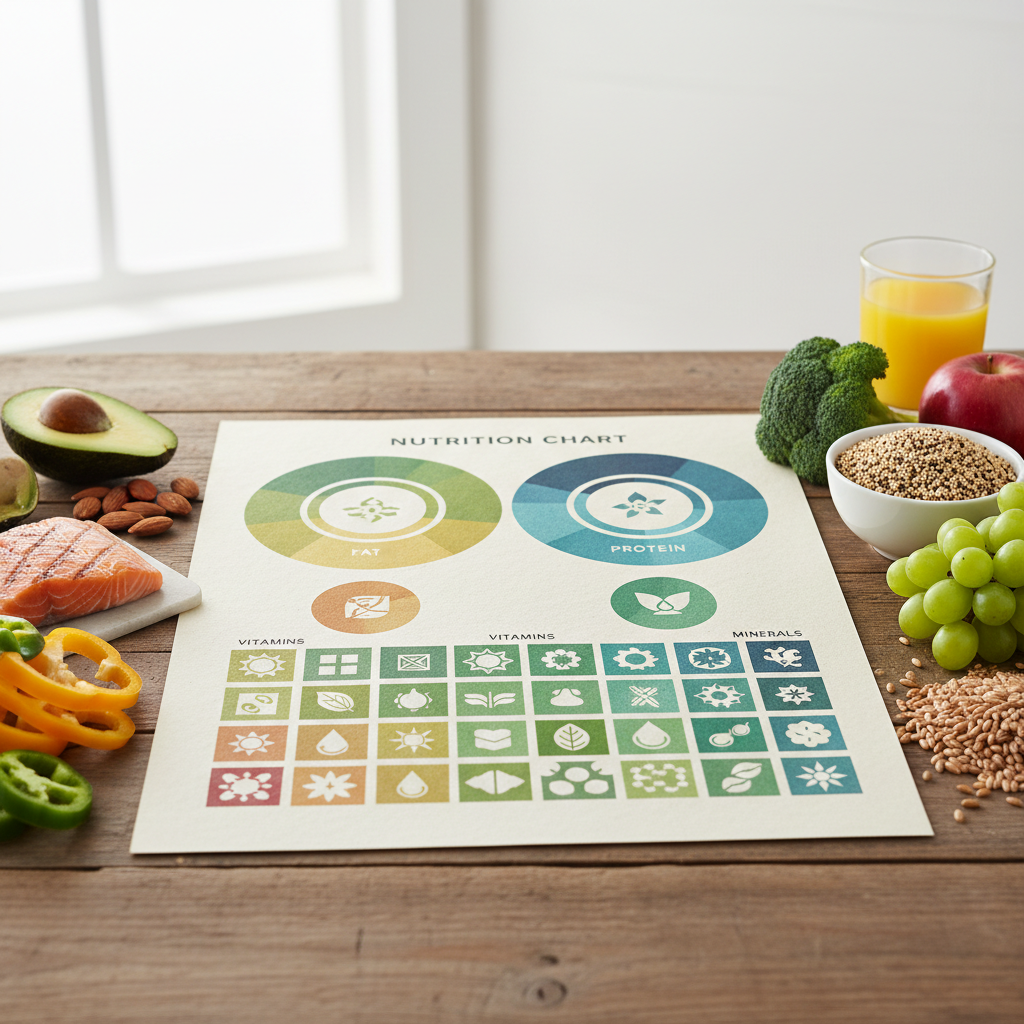
Here’s the truth about eating well: it’s not about following the latest diet trend or cutting out entire food groups. A balanced diet is really about giving your body what it needs to thrive—and honestly, it’s simpler than you might think. Sure, you want to choose nutritious foods, but the real magic happens when you understand what your body actually craves and feed it the right mix of nutrients. Think of it like fueling a car—you wouldn’t put sugar in the gas tank, right? When you get your nutrition right, everything else follows: more energy, clearer thinking, better mood, and a body that feels strong and resilient. The thing is, with all the conflicting advice out there (keto! paleo! intermittent fasting!), it’s easy to get overwhelmed. That’s why having a solid understanding of nutrition basics matters more than any trendy eating plan.
Understanding the Key Components of a Balanced Diet
Let’s break this down into bite-sized pieces. Your body needs several types of nutrients to function properly, and they all work together like a well-orchestrated team. You’ve got your macronutrients—proteins, carbs, and fats—which are basically your body’s main fuel sources. Proteins repair your muscles after that workout (or even just carrying groceries upstairs). Carbs give you energy to power through your day. And fats? They’re not the enemy—they actually help your brain work better and keep your hormones balanced. Then there are micronutrients, the smaller players that pack a big punch. We’re talking vitamins and minerals here, the stuff that keeps your immune system strong and your bones healthy. Don’t forget about water either—your body is roughly 60% water, so staying hydrated isn’t optional. Want a deeper dive into creating an actual plan? Check out this guide on healthy nutrition plan that breaks down how to put these nutrients together in real meals.
Now, here’s where it gets interesting. Nutrition experts talk about balance for a reason—it’s not just about eating protein or avoiding carbs. Your muscles need adequate protein to rebuild themselves stronger. Your brain runs primarily on glucose from carbohydrates (which is why you feel foggy on ultra-low-carb diets). Healthy fats like those in avocados and nuts help produce hormones and protect your cells. The micronutrients might be needed in smaller amounts, but try going without vitamin C for a while and see how that works out. (Spoiler alert: not well.) Iron carries oxygen through your blood, calcium builds strong bones, and vitamin D helps your body actually use that calcium. Missing any of these pieces? Your body will let you know through fatigue, getting sick more often, or just feeling “off.” And water? It’s involved in literally every function in your body—from digestion to temperature control to keeping your skin from looking like a raisin. For more insight into how all this affects your mental game, take a look at this article on nutrition and mental health.
Essential Nutritional Elements to Include
Here’s your nutritional toolkit—the building blocks your body needs every single day:
- Macronutrients: These are your heavy hitters. Proteins from chicken, beans, Greek yogurt, and fish help repair tissues and build muscle. Carbohydrates from oats, sweet potatoes, and fruits give you sustained energy (not the crash-and-burn kind from candy). Healthy fats from nuts, olive oil, and salmon support brain function and reduce inflammation throughout your body.
- Micronutrients: Think of these as your body’s maintenance crew. Vitamins and minerals work behind the scenes to keep everything running smoothly. That colorful rainbow of fruits and vegetables? It’s not just Instagram-worthy—different colors provide different nutrients your body craves.
- Hydration: Water is basically your body’s transportation system. It carries nutrients where they need to go, flushes out waste, and keeps your cells happy. Plus, proper hydration can actually improve your energy and skin appearance.
- Fiber and Whole Foods: Fiber is like a broom for your digestive system, keeping things moving and helping control blood sugar spikes. Whole foods (anything that doesn’t come in a package with a mile-long ingredient list) give you fiber plus antioxidants that fight inflammation.
Once you understand what each of these does for your body, meal planning becomes less about restriction and more about nourishment. You start asking “What does my body need?” instead of “What should I avoid?”
But knowing what to eat is only half the story. The real motivation comes from understanding what happens when you consistently fuel your body well—and trust me, the benefits go way beyond just looking good.
The Comprehensive Benefits of Maintaining a Balanced Diet
This is where things get exciting. When you consistently eat well, your body responds in ways that might surprise you. Physically, you’ll likely find it easier to maintain a healthy weight without constantly thinking about it. Your immune system gets stronger—you know that person who never seems to get sick? They’re probably eating well. Your heart health improves, and you have steady energy throughout the day instead of those 3 PM crashes that make you reach for another coffee. But here’s what many people don’t expect: the mental benefits. Good nutrition literally feeds your brain. You think more clearly, feel more emotionally stable, and might even find that anxiety and depression symptoms improve. Looking at the long game? A balanced diet is like insurance for your future self—it significantly reduces your risk of developing diabetes, heart disease, and certain cancers. Want to dive deeper into these benefits? This comprehensive article about balanced diet benefits covers the science behind why good nutrition is such a game-changer.
Think about it this way: when your body gets the nutrients it needs, it can focus on thriving instead of just surviving. Your cells repair themselves more efficiently. Your metabolism hums along smoothly. Your hormones stay balanced (hello, better sleep and mood!). You recover faster from workouts, stress, and even minor illnesses. There’s also something really interesting happening with gut health—the bacteria in your digestive system actually influence your immune system and inflammation levels throughout your body. Feed them well with fiber and diverse nutrients, and they’ll return the favor. More and more health professionals are realizing that good nutrition is the ultimate preventive medicine. Instead of waiting until something goes wrong and then trying to fix it, you’re giving your body the tools it needs to stay healthy in the first place. Speaking of prevention, if you’re dealing with stress (and who isn’t these days?), understanding effects of stress on the body can help you see how nutrition and stress management work together.
Key Benefits of Balanced Nutrition
Here’s what you can realistically expect when you make balanced eating a habit:
- Physical Health Enhancement: Your body weight stabilizes naturally, cholesterol levels improve, and your muscles and bones get stronger. Think of food as building materials—give your body quality materials, and it builds a quality structure.
- Mental and Emotional Well-being: Brain fog lifts, memory improves, and mood swings level out. Omega-3s, antioxidants, and B vitamins are particularly powerful for brain health, potentially reducing symptoms of depression and anxiety.
- Long-term Disease Prevention: This is your investment in future you. Eating well now significantly reduces your risk of type 2 diabetes, heart disease, stroke, certain cancers, and osteoporosis. The research on this is rock-solid.
- Improved Energy and Stamina: No more afternoon energy crashes or feeling exhausted by evening. When you eat balanced meals, your blood sugar stays stable, giving you consistent energy to power through your day.

Here’s the thing about balanced eating—it really is the foundation of feeling your best. We’ve covered a lot of ground in this article, from the big players like proteins, carbs, and healthy fats, to those crucial vitamins and minerals your body craves. And let’s not forget hydration (seriously, don’t forget it). When you understand how these pieces fit together, you’re not just filling your stomach—you’re actually nourishing your body. The payoff? Better energy, sharper thinking, more stable moods, and a stronger immune system. Not too shabby.
But here’s what I really want you to remember: this isn’t about being perfect. Those trendy diets that promise quick fixes? They come and go. Real nutrition is about making consistent choices that work for your life. Think of it like this—proteins help rebuild your muscles after that workout, carbs fuel your brain during that afternoon meeting, healthy fats keep your hormones happy, and those micronutrients? They’re like your body’s insurance policy. When you focus on whole foods packed with fiber and antioxidants, you’re basically giving your digestive system and inflammation levels a fighting chance. You’ve got the knowledge now—time to trust yourself and listen to what your body needs.
Ready to put this into action? Start by diving into the wide-ranging benefits of a balanced diet to see exactly why this matters (the research might surprise you). If you’re curious about feeding your brain specifically, check out our guide on foods to improve brain function—because who doesn’t want to think clearer? And while we’re talking about drinks that do more than just quench your thirst, the benefits of drinking green tea pair perfectly with everything we’ve discussed. For a step-by-step approach to meal planning, the healthy nutrition plan from Nutrition breaks it down into manageable pieces.
Look, balanced nutrition isn’t a destination—it’s more like a journey that evolves with you. Some days you’ll nail it, others you’ll order pizza at midnight (and that’s okay). The key is staying curious about what makes you feel good and being kind to yourself along the way. When you fuel your body thoughtfully, you unlock something pretty amazing: sustained energy that doesn’t crash, mental clarity that sticks around, and an overall sense of well-being that feels genuinely good. You’ve got the tools now, so trust yourself to use them. And if you want to explore how food affects your mood and mind, our guide on nutrition and mental health shows just how powerful the food-brain connection really is.
Frequently Asked Questions
-
What foods should I avoid to maintain a balanced diet?
- Limit processed foods, excessive sugars, and unhealthy fats for better health.
-
How can I balance my diet if I have dietary restrictions?
- Focus on alternative nutrient sources and consult a nutritionist if needed.
-
How often should I eat to keep my diet balanced?
- Regular meals and healthy snacks spaced throughout the day support balance.
-
Can I maintain a balanced diet while eating out?
- Yes, by choosing nutrient-rich options and controlling portions.
-
What role does hydration play in a balanced diet?
- Proper hydration supports digestion and overall nutrient absorption.