Table of Contents
Introduction
You just crushed that workout. Your muscles are screaming, your heart’s still pounding, and you’re probably wondering what happens next. Here’s the thing—what you eat in the hours following your workout might be even more important than the exercise itself. Your body is literally crying out for the right nutrients to repair, rebuild, and get ready for whatever you throw at it next.
Think about it this way: during that intense session, you’ve essentially created controlled damage. Your glycogen stores are running on empty, and those muscle fibers have tiny tears that need fixing. This isn’t bad—it’s exactly what leads to getting stronger. But here’s where most people drop the ball. They nail the workout but completely ignore the recovery phase. Knowing which foods to eat for optimal muscle repair and energy can be the difference between spinning your wheels and actually seeing results.
Let’s talk protein first. You’ve probably heard this a million times, but there’s a reason everyone keeps harping on it. Protein provides the amino acids your muscles desperately need to rebuild themselves—and hopefully come back stronger than before. Now, if you’re plant-based, don’t worry. Beans, nuts, tofu? They’ve got you covered. Plus, many of these foods come with healthy fats as a bonus, which your body loves for balanced recovery. (Sometimes nature just gets it right, doesn’t it?)
But protein isn’t the whole story. Carbs are your best friend when it comes to refilling those empty energy tanks. Without them, you’ll drag yourself into your next workout feeling like you’re running on fumes. The magic happens when you combine carbs and protein together—they work as a team to maximize your recovery. And here’s something people often forget: hydration. All the perfect food in the world won’t help if you’re dehydrated and your electrolytes are out of whack. Water and electrolytes keep everything running smoothly at the cellular level.
What You’ll Learn in This Guide
We’re going to walk through everything you need to know about post-workout nutrition—the science, the practical stuff, and how to make it work for your lifestyle. No confusing jargon, just actionable advice you can use starting today.
- Understanding the Basics: Why your body craves specific nutrients after exercise and how proteins, carbs, and fats each play their part in getting you back to 100%.
- Key Nutrients: The real story behind macronutrients and recovery, plus specific foods that deliver exactly what your muscles need to repair and grow.
- Food Recommendations: A solid lineup of both animal-based and plant-based options, along with hydrating fruits and vegetables packed with antioxidants to fight inflammation.
- Timing and Hydration: When to eat for maximum benefit and why the right fluids and electrolytes can make or break your recovery game.
As we dig deeper, you’ll discover options for every eating style and preference. And if you’re thinking bigger picture about nutrition, you might want to check out guidance on foods that improve brain function too. Because let’s be honest—what good is a strong body if your mind isn’t sharp? These strategies work together to keep you firing on all cylinders.
We’ll also get into the nitty-gritty of timing. When you eat matters almost as much as what you eat. Your body has this amazing window where it’s primed to soak up nutrients and put them to work. Miss it, and you’re leaving gains on the table. Plus, we’ll cover how the right fluids can speed up your recovery and help you bounce back faster than you thought possible.
By the time we’re done here, you’ll have a complete playbook for post-workout nutrition. No more guessing, no more wasted effort. Just science-backed strategies that will help you recover faster, build muscle more effectively, and show up stronger for every workout. Ready to give your body what it really needs? Let’s get started.
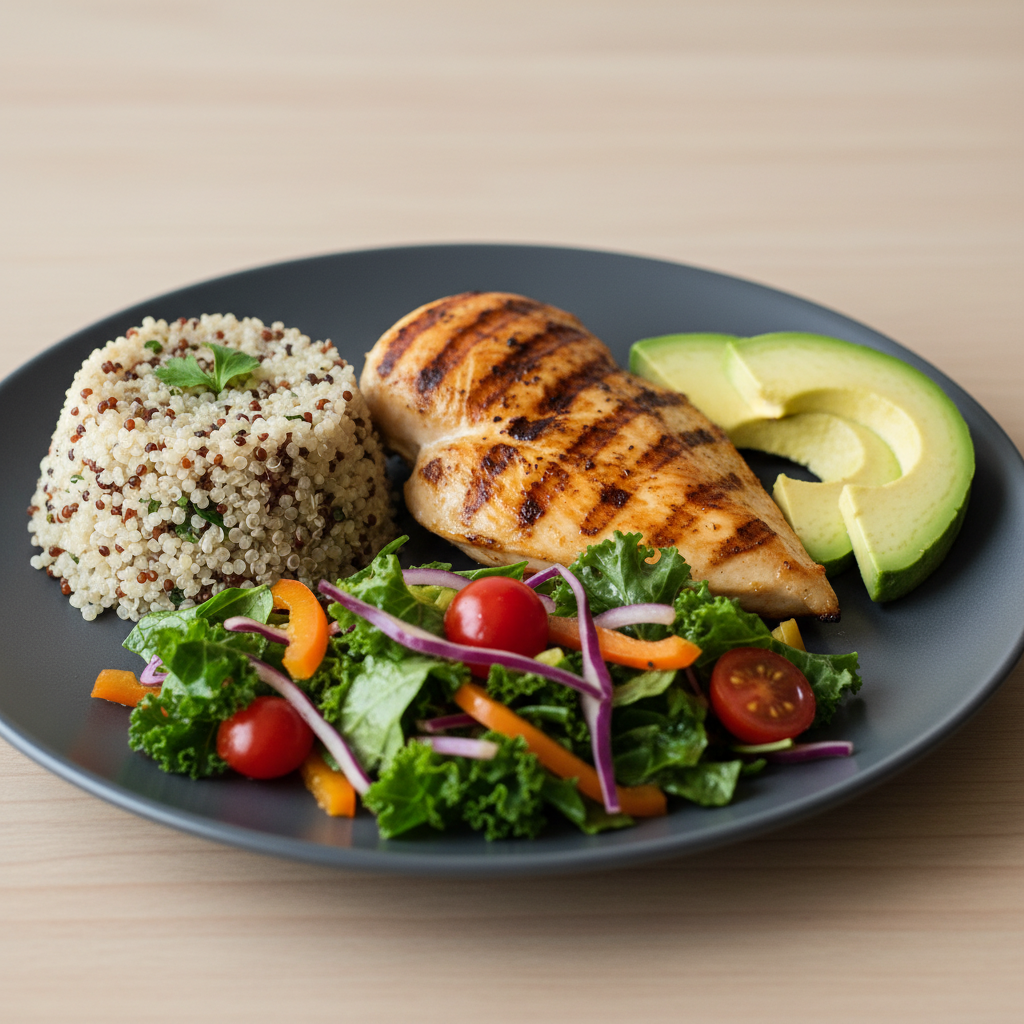
Here’s something most people get wrong about fitness: they think the workout ends when they leave the gym. But here’s the truth—what you eat after your workout might be just as important as the workout itself. Your muscles are basically screaming for the right nutrients to repair themselves, refuel, and get ready for whatever you throw at them next. Skip this step? You’re basically leaving gains on the table (and setting yourself up for some seriously sore days ahead). Let’s talk about how to fuel your body properly so all that hard work actually pays off.
Why Post-Workout Nutrition is Essential for Recovery and Performance
Think of your post-workout meal as your body’s repair crew showing up to fix what you just broke down—in the best possible way. When you exercise, you’re literally creating tiny tears in your muscle fibers (don’t worry, that’s exactly what’s supposed to happen). But those muscles need specific building blocks to patch themselves up stronger than before. That’s where protein comes in, along with carbs to refill your energy tank. Wait too long to eat? Your recovery slows to a crawl, and your next workout suffers. Want to dive deeper into this? Check out these post-workout recovery foods and essential nutrients that’ll help you understand exactly what your muscles are craving.
But it’s not just about bigger muscles (though that’s pretty great too). Your post-workout nutrition affects everything from your hormone levels to how well your immune system functions. Crazy, right? When you choose foods packed with quality proteins, complex carbs, and healthy fats, you’re not just feeding your muscles—you’re supporting your entire system. Add proper hydration to the mix, and you’ve got a recipe for feeling amazing instead of dragging yourself through the day. This whole approach ties perfectly into maintaining a balanced diet for energy and wellbeing that works with your training, not against it.
Key Aspects of Post-Workout Nutrition
Ready to nail your post-workout nutrition? Here’s what you need to focus on:
- Muscle Protein Synthesis Support: This is your muscles’ way of rebuilding themselves bigger and stronger. High-quality protein gives them the amino acids they need to do their thing. Think of it as delivering the right materials to a construction site.
- Glycogen Replenishment: Your muscles store energy as glycogen, and you just used a bunch of it up. Complex carbs help refill those tanks without sending your blood sugar on a roller coaster ride. Your future self will thank you.
- Healthy Fats for Hormone Regulation: Don’t skip the fats! They help keep your hormones happy and calm down inflammation. Nuts, seeds, avocados—these aren’t just trendy, they’re functional fuel that won’t slow down your digestion.
- Hydration and Electrolyte Balance: You sweat, you lose more than just water. Replacing those electrolytes keeps everything running smoothly and prevents those annoying muscle cramps that seem to hit at the worst times.
Get these four elements right, and you’re setting yourself up for faster recovery, better performance, and just feeling good overall. Now let’s get into the fun part—what to actually eat.
Best Foods to Eat After a Workout for Effective Recovery
Here’s where it gets practical. You want foods that hit all the right notes: protein, carbs, healthy fats, and those micronutrients your body is craving. Whether you’re team meat or team plants (or somewhere in between), there are options that’ll work for you. If you’re curious about plant-based options specifically, this guide to plant-based protein sources breaks down everything you need to know about getting quality protein without animal products.
The key is combining smart food choices with good timing and staying hydrated. Do this consistently, and you’ll notice the difference—not just in how you recover, but in how you feel and perform day after day.
Top Post-Workout Food Options
Let’s break this down by category so you can mix and match based on what you love:
- Animal-Based Options: Chicken, eggs, Greek yogurt, cottage cheese—these pack complete proteins with all the amino acids your muscles are looking for. Plus, you get extras like calcium and vitamin D that support strong bones and keep your metabolism humming.
- Plant-Based Options: Beans, lentils, tofu, nuts, seeds—don’t let anyone tell you plant proteins aren’t powerful. They bring fiber, antioxidants, and heart-healthy fats to the party. Perfect for vegetarians, vegans, or anyone who wants to diversify their protein game. Understanding how these work for athletes can really enhance your dietary choices for athletic performance.
- Fruits and Vegetables: These are your antioxidant powerhouses. Berries, leafy greens, colorful veggies—they help fight the oxidative stress from your workout and keep your immune system strong. Plus, many fruits help with hydration too.
- Hydration and Electrolyte Drinks: Water is your baseline, but sometimes you need more. Coconut water, electrolyte drinks, or even chocolate milk (yes, really!) can help replace what you’ve lost through sweat and keep everything functioning properly.

Here’s the thing about post-workout nutrition—it can make or break your fitness progress. After you’ve pushed through that workout, your muscles are essentially crying out for help. They need protein to repair those microscopic tears (which, by the way, is exactly how you get stronger). Your body’s also running low on fuel, so carbs step in to refill those depleted glycogen stores. And don’t forget healthy fats—they’re working behind the scenes to keep your hormones balanced and fight inflammation. Plus, you’ve probably sweated out more than you realize, so rehydrating isn’t just nice to have—it’s necessary.
When it comes to choosing the right foods, think nutrient-dense rather than just convenient. Chicken, eggs, and dairy give you complete proteins that your muscles love. Prefer plants? No problem. Beans, nuts, and tofu have got you covered without missing a beat nutritionally. Here’s what’s really smart: loading up on colorful fruits and vegetables. They’re packed with antioxidants that basically act like your body’s cleanup crew, fighting off the stress your workout just created. And timing? It matters more than you might think—getting those nutrients in sooner rather than later helps your body make the most of them.
When you nail this combination, you’re not just recovering better—you’re setting yourself up for long-term success. Smart post-workout choices mean faster muscle repair, more consistent energy, better hormone function, and proper hydration. It’s like giving your body exactly what it needs to come back stronger next time.
Ready to dive deeper? Start with our detailed guide on nutrition for athletes to master the ins and outs of nutrient timing and performance optimization. If you’re leaning toward plant-based eating, our comprehensive breakdown of plant-based protein sources will show you exactly how to hit your protein targets without animal products. For recovery-focused meal ideas, check out our expert advice on post workout recovery foods for specific recommendations that actually work.
Don’t overlook hydration either—it’s huge for both recovery and performance. Our guide on how to prevent muscle cramps covers smart hydration strategies that go beyond just drinking water. And here’s something interesting: what you eat can also boost your brain power. Our guide to foods that improve brain function shows how the right nutrition supports both your physical and mental performance.
Bottom line? The effort you put into your workout is only half the equation. What you do afterward—how you fuel, hydrate, and recover—that’s where the real magic happens. Stay consistent with these choices, pay attention to what your body’s telling you, and treat good nutrition as seriously as you treat your training. Your future self will thank you for it.
Frequently Asked Questions
-
What if I can’t eat right after my workout?
- If you are unable to eat immediately after exercising, consider consuming a small protein-rich snack or drink to aid recovery, and try to have a balanced meal within two hours to replenish nutrients effectively.
-
Can I skip carbohydrates after a workout?
- While carbohydrates are important for replenishing glycogen stores, in some cases such as low-intensity training or specific dietary plans, they may be limited. However, for most workouts, combining carbs with protein enhances recovery.
-
How much protein do I need post-workout?
- Recommended protein intake post-workout varies but generally ranges from 20 to 30 grams to effectively support muscle repair and growth. Adjust based on body weight, workout intensity, and dietary preferences.