
Table of Contents
Introduction
Let’s be real—mental health struggles are everywhere these days. Stress, anxiety, depression—they don’t discriminate by age, job, or background. Everyone seems to be looking for that magic solution to feel better, think clearer, and just… breathe easier. Well, here’s something that might surprise you: one of the most powerful tools for boosting your mood is probably sitting right there in your living room. Or maybe it’s as simple as stepping outside your front door.
I’m talking about exercise. And before you roll your eyes thinking “great, another person telling me to hit the gym,” hear me out. Exercise isn’t just about getting those abs or fitting into your favorite jeans (though those are nice bonuses). The benefits of regular physical activity go way deeper than what you see in the mirror—they literally rewire your brain chemistry. Think of it as a natural antidepressant that comes without the side effects. Many people find their anxiety and depression symptoms significantly improve when they stick to a consistent workout routine. Plus, exercise works beautifully alongside traditional treatments, like the strategies we explore in how to treat seasonal depression, giving you a complete wellness approach.
Here’s something interesting—if you’re one of those people carrying stress in your shoulders and back (and honestly, who isn’t these days?), working on exercises to relieve back pain can be a game-changer for both your body and mind. When your muscles relax, your mental state often follows suit. It’s like your body and brain are having a conversation you didn’t even know was happening. And if you’re curious about gentler approaches, yoga has some incredible benefits for mental health—we’re talking real anxiety relief and mood improvements that you can actually feel.
Now, let’s talk about something that often gets overlooked: what you’re feeding your brain. The connection between nutrition and mental health is fascinating—certain nutrients literally help your brain produce the chemicals that make you feel good. And if you’re thinking about adding some muscle-building into the mix, those best strength training exercises do more than just tone your body. They boost confidence, fight off depression symptoms, and give you that “I can handle anything” feeling that’s honestly addictive in the best way.
What You’ll Learn in This Guide
Look, I get it—you’re probably skeptical about another “exercise will fix everything” article. But this isn’t that. We’re going to dig into the real science behind why moving your body changes how your brain works, and more importantly, how to make it actually stick in your life.
- Understanding the Connection Between Exercise and Mental Health: We’ll explore exactly how physical activity changes your brain chemistry, helps you handle stress better, and builds emotional resilience—with real science and stories that actually make sense.
- Exploring Different Types of Exercises: From cardio that gets your heart pumping to strength training that makes you feel powerful, plus gentle mind-body practices like yoga—we’ll help you figure out what clicks for your personality and lifestyle.
- Creating a Sustainable Exercise Routine: Forget the “all or nothing” approach. We’ll talk about starting small, setting goals you can actually hit, and staying motivated without burning out or giving up after two weeks.
- Recognizing Precautions and When to Seek Help: Your safety matters, and sometimes exercise alone isn’t enough. We’ll cover how to listen to your body and recognize when you need professional support alongside your fitness routine.
As we move through this together, you’ll also discover how activities like mental health benefits of journaling and specific exercises for anxiety relief can work alongside your physical routine. Think of it as building your personal mental health toolkit—one that actually works for your real life, not some perfect Instagram version of wellness.
This is where we start diving deep into why exercise is such a powerhouse for mental well-being. You’re going to learn how to customize everything to fit your preferences, your schedule, and yes, even your limitations. Because the goal isn’t perfection—it’s feeling better, thinking clearer, and finding some peace in the chaos.
By showing up here today, you’re already taking a huge step toward better mental health and a more vibrant life. What’s coming next? Practical advice you can actually use, insights that will motivate you, and a realistic path to making exercise something you genuinely enjoy rather than endure. Ready to transform how you think about movement and mental health? Let’s do this thing.
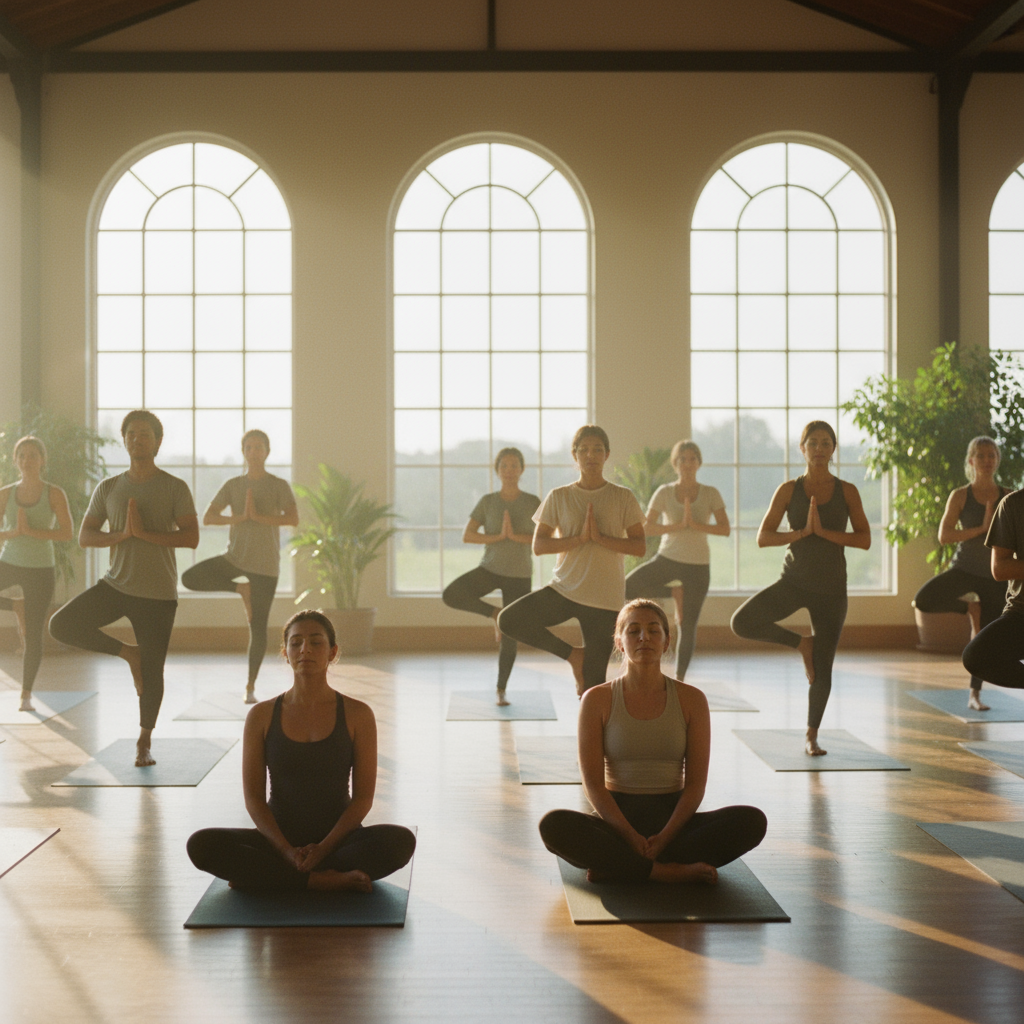
Building on what we talked about earlier, exercise really is a game-changer when it comes to mental health and overall well-being. But here’s what you probably want to know: why exactly does moving your body make such a difference for your mind? And which workouts actually give you the biggest mental health bang for your buck? When you understand these pieces of the puzzle, you can make smarter choices about which activities to weave into your routine—ones that actually match your mental wellness goals. Think of it as building your personal toolkit for boosting mood, calming anxiety, and sharpening your thinking through the right kind of movement.
Why Exercise is Important for Mental Health
Here’s the thing about exercise—it’s not just about looking good or staying physically fit. The mental health benefits are backed by solid science, and they’re pretty incredible when you think about it. When you get your body moving, you’re basically triggering a natural pharmacy in your brain. Those endorphins everyone talks about? They’re real, and they’re powerful. These “feel-good” chemicals flood your system, pushing out stress and anxiety while lifting your mood in ways that feel almost magical.
But wait—there’s more happening under the hood. Exercise literally rewires your brain for the better. Studies show that aerobic workouts can boost brain plasticity and help create new neural connections. Translation? Sharper thinking, better memory, and improved focus that carries over into everything you do. And if you’ve ever noticed you sleep like a rock after a good workout, that’s not a coincidence. Physical activity helps reset your internal clock, leading to deeper, more restorative sleep. Better sleep means better emotional balance the next day. It’s like a positive feedback loop that keeps on giving.
Now, let’s break down exactly how this works. Exercise hits four major areas: stress reduction, mood improvement, cognitive enhancement, and sleep quality. These benefits don’t work in isolation—they team up to create this comprehensive upgrade to your mental well-being that supports long-term health and happiness. The cool part? Everyone responds a bit differently, which means you can tailor your approach to get the maximum benefit for your specific situation. And when you combine exercise with good nutrition and mindfulness practices? That’s when the real magic happens.
Key Mental Health Benefits
Let’s get specific about how exercise works its magic on your mental health:
- Reduction in Stress and Anxiety: When you exercise, your brain cranks up production of neurotransmitters like serotonin and dopamine—nature’s own chill pills. These chemicals calm your nervous system and dial down stress hormones. The result? That anxious chatter in your head gets quieter, and you feel more centered.
- Improved Mood and Decreased Depression Symptoms: Physical activity is like a natural antidepressant that doesn’t come with a prescription. Those endorphin boosts we mentioned? They’re serious business. Research shows exercise can be just as effective as medication for some people dealing with depression. Pretty amazing, right?
- Enhanced Cognitive Abilities and Focus: Regular movement increases blood flow to your brain, supports the growth of new brain cells, and sharpens your memory and concentration. Think of it as upgrading your mental processor—you’ll notice better problem-solving skills and quicker thinking.
- Better Sleep Quality: If you struggle with tossing and turning at night, exercise might be your answer. Physical activity helps regulate your sleep cycle, reduces insomnia, and promotes those deep sleep stages your brain needs for emotional and cognitive restoration.
These interconnected benefits show why exercise is such a powerhouse for mental health. Now that you know why it works, let’s talk about which specific types of workouts deliver the biggest mental health payoff.
Top Exercises for Mental Health
Not all exercises are created equal when it comes to mental health benefits. Some activities are particularly good at elevating mood, squashing anxiety, and boosting brain power. Let’s start with aerobic exercises—think running, cycling, swimming. These get your heart pumping and trigger that endorphin release we love. They’re especially good at kicking anxiety to the curb and lifting your spirits through sustained movement and rhythm.
Then you’ve got mind-body exercises like yoga and tai chi. These are the perfect combo of physical movement, mindfulness, and controlled breathing. They’re incredible for stress reduction and emotional regulation—like meditation in motion. And don’t overlook strength training. Lifting weights or working with resistance bands doesn’t just build muscle; it also promotes the production of brain-derived neurotrophic factor (BDNF), which is like fertilizer for your brain cells.
But here’s something people often miss: many of these exercises come with bonus benefits. Group fitness classes give you social connection (which is huge for mental health). Outdoor activities provide that mood-boosting contact with nature. Mind-body practices often create a sense of calm and presence that helps you feel more balanced overall. The key is finding what resonates with you personally—because the best exercise for your mental health is the one you’ll actually stick with. When your workout feels less like work and more like something you look forward to, that’s when it seamlessly becomes part of your lifestyle and starts delivering those lasting improvements to your happiness and resilience.
Key Aspects of Top Exercises for Mental Health
Here’s your practical breakdown of the main exercise types and what makes each one special for mental wellness:
- Aerobic Exercises: Running, cycling, swimming, and similar activities get your cardiovascular system humming while flooding your brain with endorphins. These are your go-to options for anxiety relief and mood elevation. The sustained, rhythmic movement creates an almost meditative effect that many people find incredibly calming.
- Mind-Body Exercises: Yoga, tai chi, and Pilates combine controlled breathing, mindfulness, and gentle movement into one powerful package. These practices are perfect if you’re looking for stress relief, better emotional control, and improved focus. They’re especially great for people who want restorative rather than intense workouts.
- Strength Training: Weight lifting and resistance band workouts build more than just muscle—they build confidence and cognitive function through neurochemical changes in your brain. Many people find that getting stronger physically translates to feeling stronger mentally and emotionally too.
- Social and Environmental Benefits: Don’t underestimate the mental health boost from exercising with others or spending time outdoors. Group classes provide community and accountability, while outdoor activities offer the mood-enhancing effects of fresh air and nature. These added elements can turn a good workout into a great one for your overall well-being.

Here’s what’s amazing about exercise—it’s like a swiss army knife for your mental health. When you move your body, you’re literally changing your brain chemistry in the best possible way. Those feel-good chemicals you’ve heard about? Endorphins, serotonin, dopamine—they all get a serious boost. But it doesn’t stop there. Regular workouts actually rewire your brain, making you sharper, improving your memory, and helping you focus better. And let’s talk about sleep—exercise helps reset your internal clock so you can finally get that deep, restorative rest your mind craves. The best part? It all builds on itself. Better sleep leads to better mood, which motivates you to exercise more, which improves everything else.
Now, different types of exercise give you different superpowers. Love that runner’s high? Aerobic activities like running, swimming, or cycling are your friends—they’re incredible for melting away anxiety and lifting your spirits. If you’re more of a mind-body person, yoga and tai chi bring something special to the table. They teach you how to breathe through stress and stay centered when life gets chaotic. Strength training? That’s where you build confidence from the inside out (plus your brain loves the challenge). And here’s something people don’t talk about enough—exercising with others or getting outside adds layers of joy that solo gym sessions just can’t match. The bottom line? The best exercise for your mental health is whatever you’ll actually stick with. Find what feels good, and you’re halfway there.
Ready to put this knowledge to work? Start by diving into our comprehensive guide on mental health and exercise benefits—it’ll help you create a routine that actually fits your life. Because let’s be honest, motivation comes and goes. That’s why you need our battle-tested strategies for how to stay motivated to exercise when the initial excitement wears off. If you’re curious about starting gentle, our deep dive into the benefits of yoga for mental health might be exactly what you need. And while we’re talking about overall well-being, don’t forget that financial stress can undermine all your hard work—check out our guide on how to build an emergency fund to create that foundation of security.
You’ve got everything you need to start transforming how you feel, one workout at a time. Pick something that sounds fun (yes, fun!), start smaller than you think you should, and be patient with yourself as you build this new habit. Remember—consistency beats intensity every single time. Your brain doesn’t need you to become a fitness influencer overnight; it just needs you to show up regularly. Oh, and if you want to supercharge your results, don’t sleep on sleep itself. Our practical guide on how to improve sleep hygiene will help you recover better and feel more emotionally balanced. Trust me—every step you take is literally rewiring your brain for happiness. That’s pretty incredible when you think about it.
Frequently Asked Questions
-
What is the best exercise for reducing anxiety?
- Aerobic exercises like running and swimming effectively reduce anxiety symptoms by releasing endorphins and calming the nervous system.
-
How often should I exercise for mental health benefits?
- Experts recommend at least 150 minutes of moderate exercise per week to achieve significant mental health improvements.
-
Can exercise help with depression?
- Yes, regular physical activity acts as a natural antidepressant by boosting mood-enhancing chemicals and reducing depression symptoms.
-
Is it better to do group or solo exercises for mental health?
- Both group and solo exercises have benefits; group activities enhance social support, while solo workouts promote mindfulness and personal reflection.
-
What should I do if exercise makes my mental health worse?
- If exercise worsens symptoms, stop immediately and consult a healthcare professional for personalized guidance and mental health support.