Table of Contents
Introduction
Here’s something that might surprise you: your core isn’t just about getting those coveted abs. Sure, a strong midsection looks great, but it’s actually the powerhouse behind nearly everything you do. Getting up from your chair? Core. Carrying groceries? Core. Even just standing around chatting with friends—yep, that’s your core working too.
Think of your core muscles as your body’s natural support system. They’re like the foundation of a house—when it’s solid, everything else stays stable and secure. These muscles keep you balanced, help you maintain good posture, and prevent those annoying aches and pains that seem to creep up out of nowhere. If you’re tired of dealing with back pain or feeling unsteady during workouts, diving into exercises to strengthen core muscles could be exactly what you need. Whether you’re just starting out or you’ve been hitting the gym for years, understanding how your core works changes everything about how you approach fitness.
Now, here’s where it gets interesting—core strength isn’t working in isolation. It teams up with other aspects of your fitness in ways you might not expect. Take running, for example. You might think it’s all about your legs, but a weak core will have you struggling with form and endurance faster than you can say “mile two.” That’s why topics like how to improve endurance running go hand-in-hand with core work. And when you start exploring how to build cardio endurance, you’ll discover that a strong core helps you power through those longer workouts without feeling completely wiped out.
But wait—there’s more to this than just the physical stuff. A strong core actually helps you breathe better (who knew?), and better posture from core strength can genuinely boost your mood and confidence. It’s pretty amazing how standing taller can make you feel taller, if you know what I mean. Plus, when you combine core work with practices like mindfulness meditation, you’re creating this incredible mind-body connection that makes everything feel more balanced and centered.
What You’ll Learn in This Guide
We’re going to cover everything you need to know about building serious core strength, and I promise to keep it practical and straightforward. Here’s what’s coming your way:
- Understanding Core Muscles: We’ll break down the key muscles involved in core strength, why they matter, and how they contribute to your stability and movement.
- Effective Exercise Techniques: Discover a variety of bodyweight, equipment-based, and functional core exercises designed to target all core areas for balanced development.
- Workout Maximization Tips: Learn how to maintain proper form, build consistency, and progress for the best results in your core training endeavors.
- When to Seek Professional Help: Identify signs that suggest you should consult a fitness trainer or healthcare provider to ensure safety and optimize your fitness journey.
Each section builds on the last, giving you not just exercises, but the knowledge to use them smartly. We’ll talk about creating workout plans that actually stick, avoiding the mistakes that trip most people up, and connecting your core work to other aspects of your health routine. You’ll also find connections to related topics that’ll round out your fitness knowledge and help you see the bigger picture.
Look, whether you’re completely new to core workouts or you’ve been doing planks for years but want to step up your game, this guide has something for you. The beauty of focusing on exercises like best strength training exercises is that they don’t just change how you look—they transform how you move through your daily life. Better athletic performance, sure, but also just feeling stronger and more confident in your own skin.
Ready to give your core the attention it deserves? Let’s dive in and discover how building this foundation can change not just your workouts, but how you feel every single day. Trust me, your future self will thank you for starting this journey.
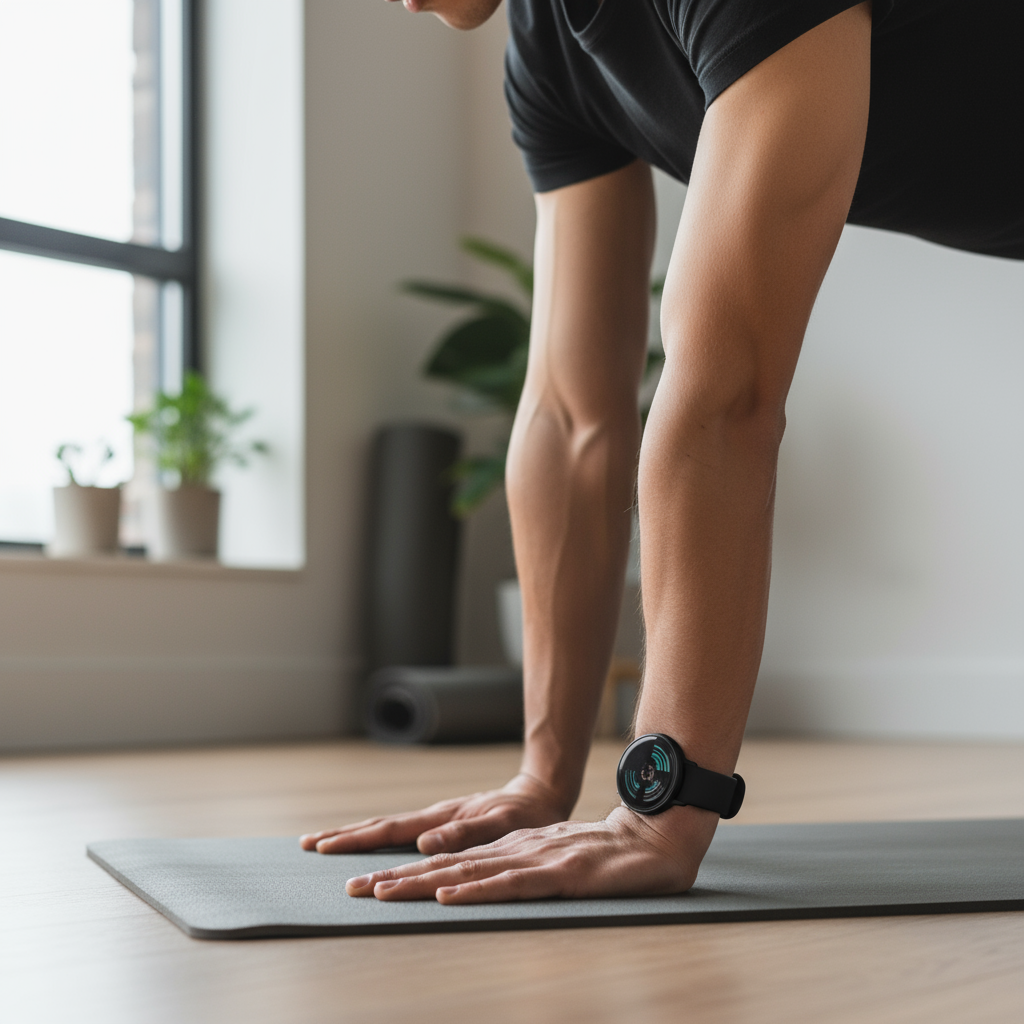
So we’ve talked about why core strength matters—now let’s dig into what actually makes up your core and why each piece of this puzzle is so important. Here’s the thing: your core isn’t just about getting those Instagram-worthy abs (though that’s a nice bonus). We’re talking about the powerhouse that keeps you upright, balanced, and moving through life without pain. Think of your core as your body’s natural armor—protecting your spine and making everything from picking up groceries to crushing your next workout feel easier. When you understand what you’re working with, you can train smarter and see real results.
Understanding Core Strength and Its Benefits
Your core is basically a team of muscles working together 24/7 to keep you stable and strong. We’re talking about the rectus abdominis, obliques, transverse abdominis, lower back muscles, and pelvic floor muscles—each one playing a unique role in keeping you upright and functional.
Why should you care? Well, strengthening these muscles is like upgrading your body’s operating system. Better posture? Check. Improved balance? Absolutely. Athletic performance that makes you feel like a superhero? You bet. And here’s the big one—way less risk of throwing out your back doing simple stuff like tying your shoes. Take your transverse abdominis, for example. This deep muscle acts like Mother Nature’s weight belt, hugging your spine and keeping everything stable whether you’re deadlifting or just sitting at your desk for hours. When all these muscles work together, you get this beautiful symphony of strength that makes everything feel easier.
Key Aspects of Core Strength
Let’s break down the main players and what they actually do for you:
- Rectus Abdominis: This is your “six-pack” muscle—the show-off of the group. But it’s not just for looks. This powerhouse flexes your spine and keeps your torso rock-solid when you’re bending, lifting, or doing anything that requires serious stability.
- Obliques: These side muscles are your rotation and twisting specialists. Every time you reach across your body, swing a tennis racket, or even just turn around in your car, your obliques are doing the heavy lifting. They’re absolutely crucial for sports and everyday movements.
- Transverse Abdominis: Meet your body’s natural corset. This deep muscle wraps around your midsection like a supportive hug, compressing everything and giving your spine the stability it craves. Strong transverse abdominis equals fewer back problems—period.
- Lower Back Muscles: Including those hardworking erector spinae, these muscles are your posture police. They keep you standing tall and prevent that hunched-over computer slouch that’s become way too common.
Here’s what’s cool about understanding your core anatomy: it stops you from making the classic mistake of just hammering your abs with endless crunches. You know the type—people who can crank out 200 sit-ups but can barely hold a plank for 30 seconds. When you train smart and hit all these muscle groups, you build real, functional strength that translates to everything you do.
And the benefits go way beyond looking good at the beach. Better posture means your whole body feels better—less joint pain, more energy, and you’ll stand taller with confidence. Improved balance and stability don’t just help your workouts; they literally keep you from falling as you get older. That’s the kind of insurance policy everyone should invest in.
Effective Core Exercises and Training Strategies
Ready to build some serious core strength? You need a game plan that hits every muscle from every angle. Mix things up with planks, crunches, and leg raises for that solid foundation, then level up with medicine ball work or weighted movements. But here’s where it gets interesting—functional exercises like dead bugs and bird dogs train your core the way you actually use it in real life. These moves teach your muscles to work together, not just get stronger in isolation.
Now, let’s talk about the non-negotiables: form and consistency. I can’t stress this enough—sloppy form is like putting premium gas in a car with a hole in the tank. You’re wasting your time and setting yourself up for injury. Keep that spine neutral, breathe steady, and really focus on engaging those deep core muscles throughout every single rep. Start where you are, be consistent, and gradually dial up the intensity. Your future self will thank you.
Key Components of Core Training
Want to get the most bang for your buck? Focus on these game-changing principles:
- Proper Form and Technique: This isn’t negotiable. Perfect form with fewer reps beats sloppy form with high reps every single time. Keep your spine in that sweet neutral position and really feel those core muscles working. Trust me—your body knows the difference between real work and just going through the motions.
- Consistency and Progression: Your core muscles are like any other muscle—they need regular challenges to grow stronger. Start with what you can handle, then gradually add more reps, longer holds, or extra resistance. Small improvements add up to major results.
- Varied Exercise Types: Don’t be that person who only does one type of exercise. Mix bodyweight moves with weighted work and functional patterns. Your core needs to be strong in all directions and situations—train it that way.
- Balanced Routine: Core work is fantastic, but it’s just one piece of the puzzle. Combine it with cardio, flexibility work, and full-body strength training for the complete package. Everything works better when everything works together.
Look, building a bulletproof core isn’t rocket science, but it does require some strategy. When you understand what you’re working with and train all the pieces properly, you’re not just building stronger abs—you’re building a foundation for everything else you want to do. Whether that’s crushing your next race, feeling confident in the gym, or just moving through life without pain, it all starts with a strong, well-trained core.

Here’s the thing about core strength—it’s so much more than just getting those abs to show. Your core is basically your body’s powerhouse, and I’m talking about the whole crew: your rectus abdominis, obliques, transverse abdominis, and those often-forgotten lower back muscles. These guys work together like a well-oiled machine to keep you stable, balanced, and standing tall. When your core is strong? Everything else just feels easier. Daily activities become effortless, and your spine actually thanks you for taking the pressure off.
And let’s talk about balance for a second. A solid core dramatically improves your coordination and balance—which becomes incredibly important as we get older. Nobody wants to worry about taking a tumble, right? When you train your core with functional movements, you’re teaching these muscles to work as a team. The result? You move through complex motions like you were born to do it. Whether you’re an athlete pushing for that personal best or just someone who wants to feel strong and confident, core training is your secret weapon.
So where do you go from here? Well, you’ve got options—and some really good ones. If you’re looking for something age-appropriate and safe, definitely check out these exercise plans for seniors. They’re designed with real people in mind, covering different fitness levels and making sure you can build that core strength safely. But here’s something you might not expect: core training isn’t just about physical strength. Take a look at our guide on the best exercises for mental health and you’ll see how working on your core actually supports your emotional well-being too. Pretty cool, right?
Want to take things up a notch? Consider pairing your core work with some cardio endurance training. Learning how to build endurance running creates this amazing synergy—your strong core supports better running form, while the cardio boosts your overall fitness and heart health. It’s like they were made for each other. And while we’re talking about building a strong foundation, don’t forget about your financial health. Understanding how to build an emergency fund gives you that same sense of security and stability, just in a different area of your life. Because let’s face it—true wellness covers all the bases.
Look, building core strength isn’t going to happen overnight, and that’s okay. What matters is showing up consistently and paying attention to your form. Some days will feel amazing, others might feel like you’re starting from scratch—that’s completely normal. The key is to enjoy the process and trust that every single workout is moving you forward. You’ve got the knowledge now, and you’ve got the resources. Time to put them to work and build the strong, confident version of yourself you’ve been working toward.
Frequently Asked Questions
-
How often should I do core exercises?
- Core exercises can be performed 2-4 times per week to allow for effective strength building and recovery between sessions.
-
Can core exercises help with back pain?
- Yes, strengthening your core supports spinal stability, which can alleviate and prevent lower back pain when done with proper technique.
-
Do I need equipment for core workouts?
- Many effective core exercises use bodyweight alone, though equipment like medicine balls or stability balls can add variety and challenge.
-
How long does it take to see results from core training?
- With consistent training and proper form, most people begin to notice improvements within 4-6 weeks.