Table of Contents
Introduction
Picture this: you’re sound asleep when suddenly—WHAM!—your calf muscle seizes up like it’s been struck by lightning. Or maybe you’re mid-workout when your thigh decides to stage a rebellion, forcing you to stop and massage the knot away. Sound familiar? These muscle cramps don’t just hurt—they’re your body’s way of telling you something needs attention. And if you’re someone who stays active (or wants to), learning how to prevent them isn’t just helpful—it’s essential.
Here’s the thing about preventing muscle cramps: you can’t just cross your fingers and hope for the best. You need a game plan. The good news? Most cramps happen for pretty predictable reasons. Dehydration tops the list, followed by electrolyte imbalances, overworked muscles, and poor circulation. When your muscles don’t get the fluids and minerals they need—or when you push them too hard without proper care—they fight back with painful contractions. That’s why smart prevention involves more than just managing your workout intensity.
Think of proper nutrition as your first line of defense against cramps. Getting the right balance of nutrients isn’t just good for your overall health—it’s crucial for happy muscles. Learning how to maintain a balanced diet ensures your body gets enough potassium, magnesium, and calcium. These aren’t just fancy mineral names—they’re the building blocks that help your muscles contract and relax smoothly. Pair smart eating with the right exercises, and you’re already ahead of the game. Take exercises to strengthen core muscles, for example. A strong core doesn’t just look good—it takes pressure off other muscles that commonly cramp up.
And let’s talk about endurance for a minute. Muscles that can go the distance are less likely to throw in the towel with painful spasms. Our guide on how to increase muscle endurance shows you practical ways to build that staying power. Regular exercise brings a whole host of benefits—and understanding the benefits of regular physical activity reminds you why staying active matters for your muscles, joints, and heart. But here’s the catch: there’s a sweet spot. Push too hard, and you might trigger the very cramps you’re trying to prevent.
What You’ll Learn in This Guide
Ready to take control of those pesky muscle cramps? This guide covers everything you need to know to keep them at bay—from the science behind why they happen to the daily habits that actually work.
- Understanding Muscle Cramps: We’ll break down what’s really happening when your muscles cramp up, why some people get them more than others, and how to spot the warning signs before they strike.
- Effective Prevention Strategies: You’ll get proven hydration tactics, nutrition tips that actually make a difference, and exercise routines designed to strengthen your muscles and boost circulation.
- Hydration and Nutrition: Learn exactly how much water you really need and which nutrients your muscles crave to stay balanced and cramp-free.
- When to Seek Professional Help: Sometimes cramps signal something bigger. We’ll help you recognize when it’s time to talk to a healthcare provider.
What comes next? We’re going to dig into the practical stuff—the strategies that actually work in real life. You’ll discover hydration tips that go beyond “drink more water” and learn about foods that can make or break your muscle health. If you’ve been battling recurring cramps, you’ll find real solutions here, not just band-aid fixes.
Whether you’re training for your next race, trying to stay active as you age, or just tired of being blindsided by painful muscle spasms, this guide has your back. Because preventing cramps isn’t just about avoiding pain—it’s about living more comfortably and confidently in your own body.
Let’s jump in and start building your cramp-free future. With the right knowledge, some simple habit changes, and expert-backed strategies, you’ll be amazed at how much control you actually have over those muscle rebellions.
You know that sudden, stabbing pain that makes you stop mid-stride and grab your leg? Yeah, that’s a muscle cramp—and if you’ve experienced one, you definitely don’t want to repeat it. These involuntary muscle contractions hit without warning, turning your muscle into a rock-hard knot of pure agony. Athletes deal with them. Your grandmother complains about them. And chances are, you’ve had at least one that made you wonder what the heck just happened to your body. The thing is, muscle cramps aren’t just random acts of muscle rebellion. They happen for specific reasons—dehydration, electrolyte imbalances, overworked muscles—and the good news? Most of them are totally preventable. We’re going to walk through what actually causes these painful episodes and, more importantly, how you can stop them before they start. Because trust me, taking proactive steps beats dealing with the aftermath every single time.
Understanding Muscle Cramps: Causes and Risk Factors
Here’s what’s really happening when your muscle decides to stage a revolt. Most cramps come down to a perfect storm of factors messing with your muscle fibers. Dehydration is often the main culprit—when you’re running low on fluids, your muscles can’t contract and relax the way they’re supposed to. It’s like trying to operate machinery without enough oil. Then you’ve got electrolyte imbalances throwing another wrench in the works. When your potassium, magnesium, calcium, or sodium levels drop too low, the electrical signals controlling your muscles get scrambled. Add muscle overuse to the mix? Now you’re really asking for trouble. Push your muscles too hard or hold them in awkward positions too long, and they’ll fatigue to the point where they can’t relax properly. Poor circulation doesn’t help either—less blood flow means less oxygen and nutrients reaching your muscle tissue. Want to really understand the hydration piece? Check out how to prevent dehydration through hydration and nutrition, because getting this right is absolutely fundamental to keeping your muscles happy.
Now, some people are basically cramp magnets. Athletes and fitness enthusiasts? They’re constantly pushing their muscles and sweating out electrolytes. Older adults face a different challenge—their muscles naturally lose mass and elasticity over time, making cramping more likely. And if you’re dealing with diabetes, nerve disorders, or circulation problems, your risk shoots up even higher because these conditions mess with the very systems that keep your muscles functioning smoothly. Knowing who’s most vulnerable helps us target prevention where it matters most. A balanced diet packed with the right nutrients can make a huge difference here—our guide on balanced diet benefits shows you exactly how proper nutrition supports not just muscle health, but your overall well-being.
Key Aspects of Muscle Cramp Causes and Risks
Let’s break down the main factors that turn your muscles against you:
- Dehydration and Electrolyte Imbalances: When you’re not drinking enough or you’re losing too many minerals like potassium and magnesium, your muscle control goes haywire. Think of electrolytes as the conductors of your muscle orchestra—without them, everything falls apart.
- Muscle Overuse and Fatigue: Push too hard in the gym or hold that awkward position too long, and your muscle fibers get exhausted. When they can’t relax properly anymore, hello cramp city.
- Age-Related Muscle Changes: Getting older means losing muscle mass and flexibility. Your muscles just don’t bounce back like they used to, making those painful spasms more likely to strike.
- Underlying Health Conditions: If you’ve got issues with your nerves, blood flow, or metabolism, you’re playing cramp roulette. Frequent or severe cramps? Time to talk to your doctor about what might be going on underneath.
Understanding these triggers is half the battle. Once you know what you’re up against, you can start building a defense strategy that actually works long-term.
Effective Prevention Strategies for Muscle Cramps
Alright, let’s talk prevention—because nobody has time for surprise muscle attacks. The secret isn’t rocket science, but it does require consistency across a few key areas. First up: hydration. And no, chugging a bottle of water after your workout doesn’t count. You need steady fluid intake throughout the day, especially before, during, and after you exercise. Your muscles are like sponges—they need constant moisture to function properly. Here’s a pro tip: if you’re relying on thirst to tell you when to drink, you’re already behind. Skip the excessive coffee and alcohol too—they’re basically dehydration accelerators. For the complete playbook on staying properly hydrated, our article on benefits of drinking water has everything you need to keep your fluid levels in the sweet spot.
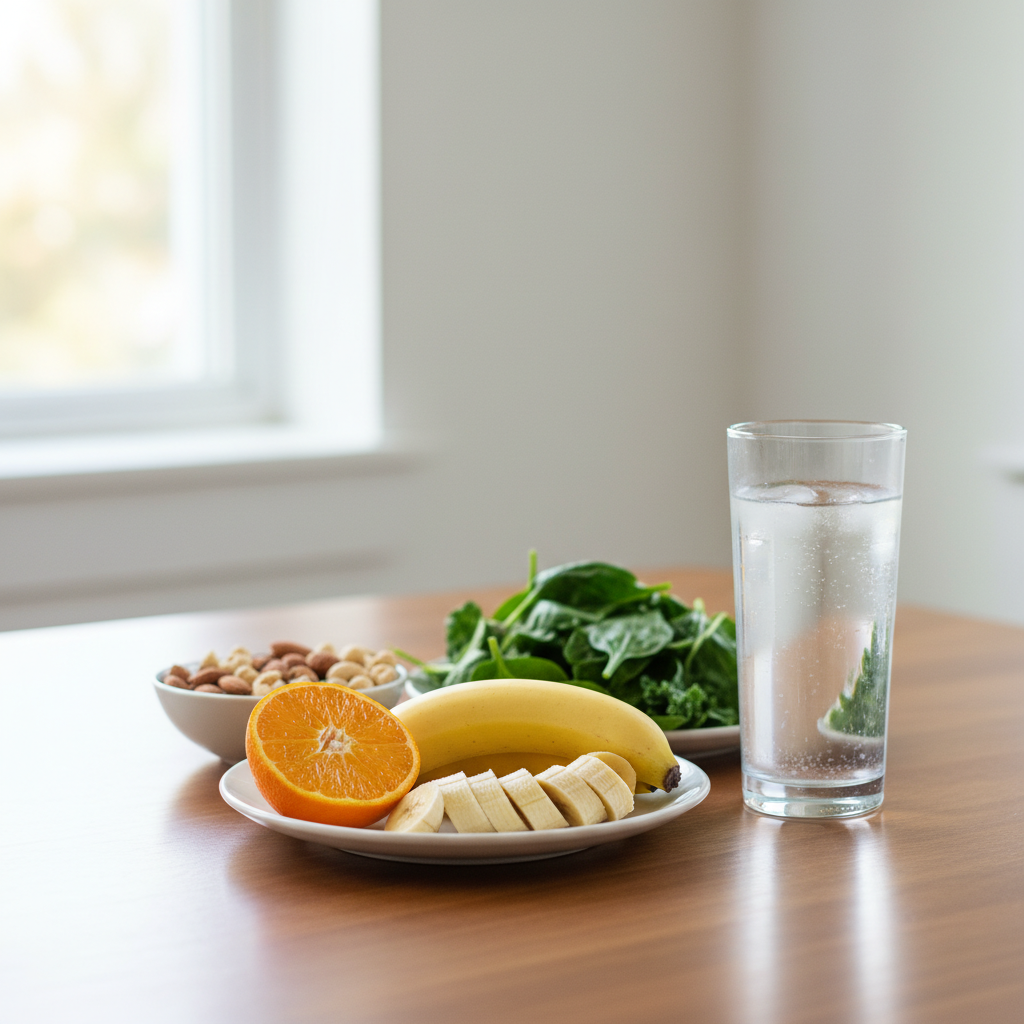
But hydration is just one piece of the puzzle. Your diet plays a starring role too. Those electrolytes we talked about? You need to actively replace them. Load up on potassium-rich foods like bananas and oranges (yes, your post-workout banana actually serves a purpose). Leafy greens, nuts, and dairy products bring the magnesium and calcium your muscles crave. It’s not about taking a dozen supplements—it’s about eating smart and giving your body what it needs to keep those muscle contractions smooth and controlled. Want to take your muscle care to the next level? Our guide on how to maintain muscle mass with nutrition shows you how the right foods can build lasting muscle strength and resilience.
Key Aspects of Prevention Strategies
Here’s your action plan for keeping muscle cramps at bay:
- Hydration Tips: Drink water consistently all day long—not just when you’re thirsty. Cut back on caffeine and alcohol since they work against your hydration efforts. Your muscles will thank you for the steady fluid supply.
- Nutritious, Electrolyte-Rich Diet: Fill your plate with potassium, magnesium, and calcium-rich foods. These aren’t just nutrients—they’re the building blocks of proper muscle function. No fancy supplements required, just smart food choices.
- Regular Stretching and Warm-Up: Treat your muscles like athletes do—prep them before you ask them to perform. A few minutes of stretching and warming up can save you from hours of cramping misery later.
- Consistent Exercise and Muscle Conditioning: Build your muscle endurance gradually instead of going from zero to hero overnight. Strong, well-conditioned muscles are your best defense against fatigue-related cramps.
The bottom line? Preventing muscle cramps isn’t about one magic trick—it’s about building habits that support your muscles day in and day out. Stay hydrated, eat smart, move regularly, and listen to your body. But if you’re dealing with persistent, severe, or concerning cramps, don’t tough it out. Get yourself to a healthcare professional who can rule out underlying issues and give you personalized advice. Your muscles—and your quality of life—are worth the investment.

You know that awful feeling when a muscle suddenly seizes up? Whether it’s your calf in the middle of the night or your hamstring during a workout, muscle cramps are your body’s way of waving a red flag. Usually, they’re pointing to things like dehydration, not getting enough electrolytes, pushing your muscles too hard, or circulation issues. Once you understand what’s behind these painful interruptions, you can actually do something about them instead of just gritting your teeth through the pain. And here’s the thing—cramps aren’t random. Athletes, older adults, and people with certain health conditions get hit harder, which tells us these spasms follow patterns we can work with.
Prevention really comes down to three main areas: staying hydrated, eating the right stuff, and keeping your muscles in good shape. Think of water as your muscles’ best friend—they need it to contract and relax smoothly. But it’s not just about chugging water. Your muscles also crave potassium, magnesium, and calcium (those are the heavy hitters when it comes to muscle function). Add some targeted exercises that strengthen and stretch your muscles, and you’ve got a solid defense system. The best part? When you make these habits stick, you’re not just preventing cramps—you’re building stronger, more resilient muscles overall.
Ready to take action? Start with hydration—not just during workouts, but all day long. Our article on how to prevent dehydration breaks down exactly how to keep your fluid levels where they need to be. Next up: fuel your body right. Loading up on nutrient-packed foods gives your muscles the minerals they’re craving. Check out our guide on the benefits of a balanced diet for practical ways to get those nutrients into your daily meals. Don’t forget about movement, either. Stretching and strengthening exercises (especially for your core) can be game-changers for muscle health. Our exercises to strengthen core muscles guide gives you solid starting points. And if you want the bigger picture on how exercise helps your entire body, dive into our piece on the benefits of regular physical activity—it’s all about keeping your muscles, joints, and heart strong for the long haul.
Bottom line? You’ve got the tools and knowledge to take control of those pesky muscle cramps. This isn’t about finding one magic fix—it’s about building habits that support your muscles through smart hydration, good nutrition, and regular movement. Start small, be consistent, and pay attention to what your body’s telling you. If cramps keep coming back or get worse, don’t tough it out—talk to your doctor to make sure there’s nothing else going on. You’ve learned what works, so why not put it into practice? Your future cramp-free self will definitely thank you.
Frequently Asked Questions
-
What causes muscle cramps?
- Muscle cramps are caused primarily by dehydration, electrolyte imbalances such as low potassium or magnesium, muscle fatigue from overuse, and poor circulation.
-
Can diet help prevent cramps?
- Yes. A balanced diet rich in potassium, magnesium, and calcium supports muscle function and helps reduce the frequency of muscle cramps.
-
How much water should I drink to prevent cramps?
- Drinking adequate water consistently throughout the day, typically around 8 cups (64 ounces), helps maintain hydration and prevent muscle cramps especially during physical activity.
-
When should I see a doctor about muscle cramps?
- If muscle cramps are severe, persistent, or accompanied by muscle weakness, swelling, or interfere with your daily life, it’s important to seek medical evaluation.