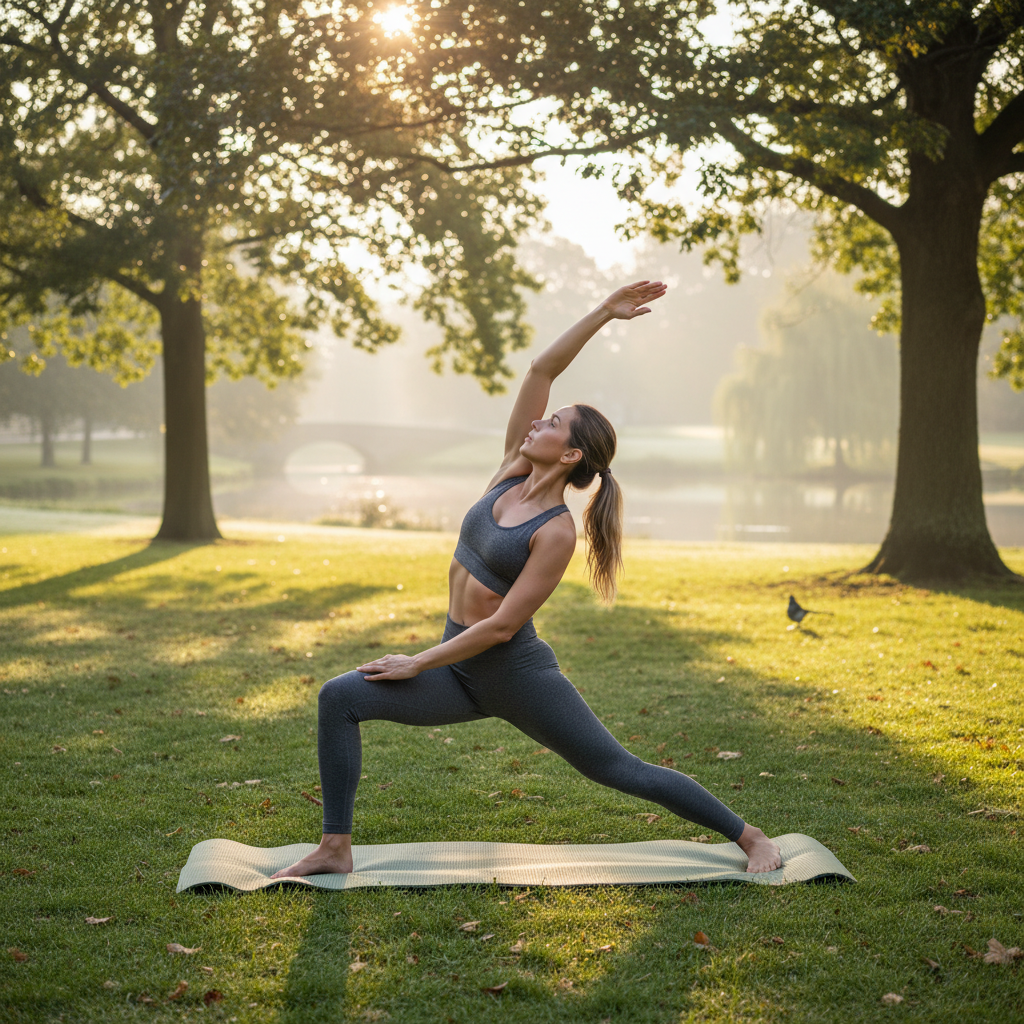
Table of Contents
Introduction
You know that feeling when you roll out of bed and your back feels like it belongs to someone twice your age? Or when you reach for something on a high shelf and everything just… creaks? Yeah, we’ve all been there. Here’s the thing—flexibility isn’t just for yoga enthusiasts or professional dancers. It’s something every single one of us needs, whether you’re 25 or 75, whether you spend your days at a desk or on your feet.
Think about it: when was the last time you moved freely without any stiffness or discomfort? Flexibility exercises can genuinely change how you feel in your own skin. They expand your range of motion, which sounds fancy but really just means you can move better. Health experts aren’t just being dramatic when they say good flexibility cuts down on muscle stiffness and soreness—those annoying aches that hit after workouts or long periods of sitting. And if you’re into any kind of sport or physical activity? Better flexibility means better performance and fewer injuries. Speaking of taking care of your body, if back pain is currently cramping your style, check out these effective exercises to relieve back pain for some targeted relief.
But here’s what might surprise you: flexibility work isn’t just about the physical stuff. Ever notice how you feel mentally after a good stretch session? There’s something almost meditative about it. Regular stretching routines have this amazing way of melting away stress while helping you tune into your body. It’s like hitting a reset button for both your muscles and your mind. Research backs this up too—there’s a real connection between mental health and exercise benefits that goes way beyond just feeling good about working out. That sense of calm and focus you get after stretching? That’s your mind and body working together in the best possible way.
Now, let’s talk about the different types of flexibility work you can do. Static stretching is probably what you picture when someone says “stretching”—holding a position for 15-30 seconds to lengthen those tight muscles. It’s perfect for after workouts when you want to ease tension and improve muscle length. Dynamic stretching is a different beast entirely. Think leg swings or arm circles—active movements that get your blood flowing and prep your muscles for action. This is your go-to for warm-ups. Then there’s PNF stretching (Proprioceptive Neuromuscular Facilitation—yes, it’s a mouthful). This technique involves contracting and relaxing muscles, often with a partner’s help, and it’s incredibly effective for making serious flexibility gains. If you’re ready to dive deeper into building a solid routine, this guide on how to increase flexibility fast has some excellent strategies for consistency and proper warm-up techniques.
What You’ll Learn in This Guide
Ready to transform how you move and feel? Here’s exactly what we’re going to cover together:
- Understanding the Importance of Flexibility: We’ll explore why flexibility matters so much for your daily life, from getting out of bed easier to preventing injuries during activities you love. You’ll see how better flexibility impacts everything you do.
- Diverse Types of Flexibility Exercises: We’ll break down static, dynamic, and PNF stretching in plain English—when to use each one, how they work, and why they’re all valuable tools in your flexibility toolkit.
- Sample Exercises to Try: Get ready for some hands-on learning with practical examples like hamstring stretches, cat-cow movements, and shoulder openers. We’ll walk through each one step-by-step so you can start right away.
- Tips for Maximizing Flexibility Gains Safely: Learn the insider secrets about consistency, proper warm-ups, and breathing techniques that make all the difference between seeing real progress and just going through the motions.
From here, we’re going to dig into each type of flexibility exercise with detailed instructions and safety tips that actually make sense. No confusing jargon or impossible-to-follow advice. We’ll also talk about when it’s smart to consult with a healthcare or fitness professional—especially if you’re dealing with ongoing pain or have any health conditions that might affect your approach. And since flexibility training works best as part of an overall healthy lifestyle, you might want to explore how to maintain a balanced diet to fuel your body properly and support your recovery.
By the time you finish this guide, you’ll have everything you need to approach flexibility training with confidence. Whether you’re starting from scratch or looking to fine-tune what you’re already doing, you’re about to discover how much better life feels when you can move the way your body was meant to move. Trust me—your future self will thank you.
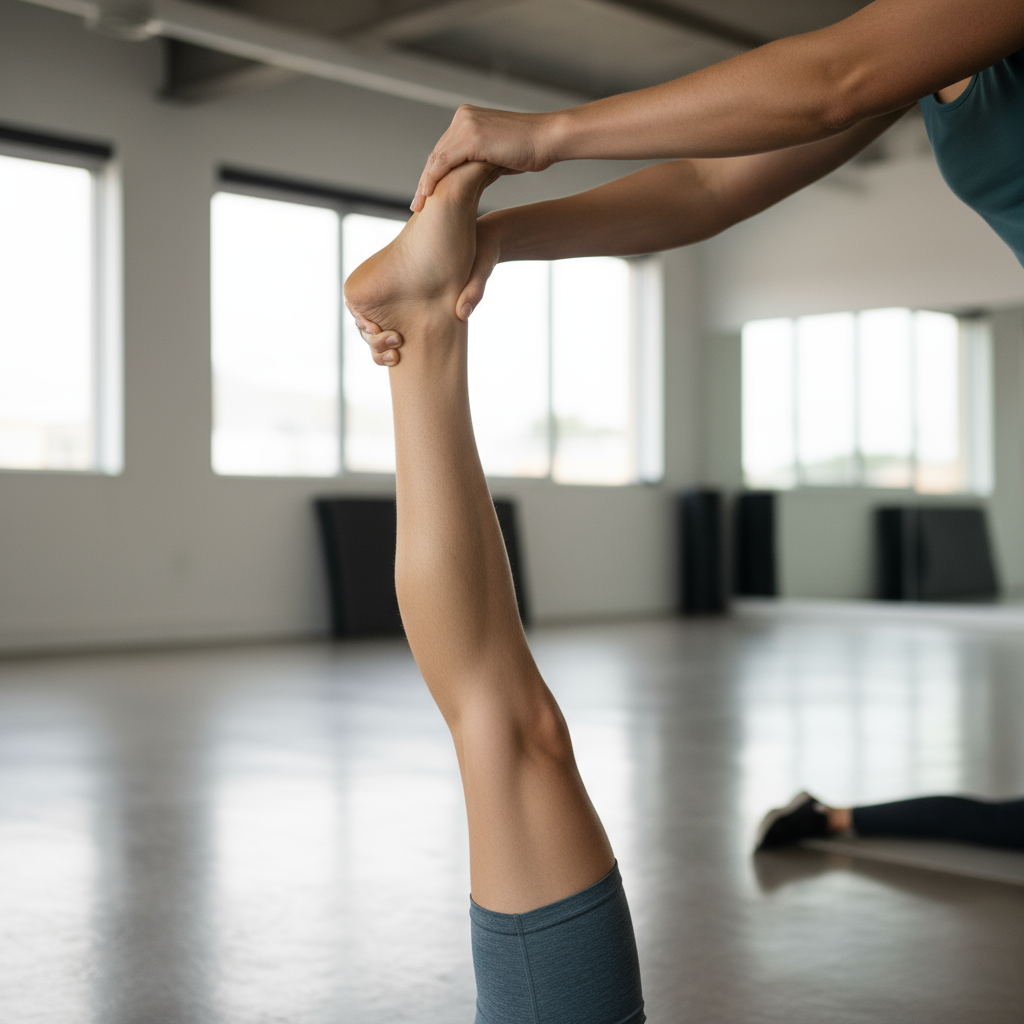
Building on what we discussed about flexibility’s importance, let’s dig into something that could genuinely change how your body feels every day. Regular flexibility exercises don’t just help you touch your toes—they can transform your mobility and overall health in ways that might surprise you. Think about it: flexibility isn’t just about being able to do impressive stretches (though that’s pretty cool too). It’s about moving through life with ease, preventing those nagging injuries, and helping your muscles bounce back faster after workouts. Once you understand the different types of flexibility exercises and how they work, you’ll have a roadmap to feeling better, moving better, and living more actively.
Benefits of Improved Flexibility
Here’s what happens when you start taking flexibility seriously—and trust me, the benefits go way beyond what you might expect. Physically, better flexibility gives your joints the freedom to move like they’re supposed to. No more feeling like the Tin Man from Wizard of Oz when you get out of bed! This increased range of motion prevents that awful stiffness and cuts down on muscle soreness after you’ve been active. Your risk of strains and injuries drops significantly too. Athletes have known this secret for years—flexible muscles and joints create smoother, more efficient movement patterns that actually boost performance.
But here’s where it gets interesting: your body becomes incredibly resilient and adaptable. Recovery happens faster, and muscle fatigue becomes less of an issue. Now, let’s talk about the mental side—because this is where flexibility exercises really shine. They’re like a reset button for stress. When you stretch those tight muscles, you’re literally releasing tension that your body’s been holding onto. The body awareness you develop through stretching? It’s a game-changer for posture and can actually help with chronic pain. You start connecting your mind and body in a way that builds real mindfulness and helps fight off those physical symptoms that stress loves to create. Want to dive deeper into how regular movement impacts your overall health? Check out the benefits of regular physical activity—it really expands on this connection.
Key Aspects of Benefits of Improved Flexibility
Let’s break down why flexibility exercises should be non-negotiable in your routine:
- Increased Range of Motion: Your joints and muscles get to move through their full range safely, making everyday movements feel effortless and natural.
- Reduced Muscle Stiffness and Soreness: Regular stretching releases muscle tension, prevents that post-workout stiffness, and keeps delayed onset muscle soreness at bay.
- Enhanced Athletic Performance: Flexible muscles and joints create more efficient movement patterns, which translates to better strength, speed, and endurance in whatever activities you love.
- Stress Relief and Mental Clarity: Stretching routines promote deep relaxation, release stress-related muscle tightness, and support better focus and mindfulness.
Now that you can see why flexibility matters so much, let’s explore the main types of flexibility exercises you can use to get these benefits. Understanding these different techniques will help you build a flexibility routine that’s both effective and safe for your specific needs.
Types of Flexibility Exercises
Not all stretching is created equal—and that’s actually a good thing. There are several distinct types of flexibility exercises, each with its own purpose, timing, and effects on your body. Getting familiar with static stretching, dynamic stretching, and PNF (proprioceptive neuromuscular facilitation) stretching means you can customize your approach for maximum results. Whether you’re trying to prevent injury, boost performance, or just feel better in your own skin, knowing which technique to use when makes all the difference. If you’re just starting your fitness journey and wondering how flexibility fits into the bigger picture, how to start a fitness routine covers the motivation and planning basics you’ll need when adding flexibility training to your life.
Static stretching is probably what most people picture when they think of stretching—you get into a position and hold it, typically anywhere from 15 to 60 seconds. This is your go-to after workouts or during dedicated flexibility sessions when you want to encourage muscle relaxation and lengthening. Dynamic stretching is completely different—it’s all about active movements that mirror the activities you’re about to do. Think leg swings before a run or arm circles before swimming. This type increases blood flow and warms up your muscles, making it perfect for pre-workout preparation without hurting your muscle performance. Then there’s PNF stretching, which uses a contract-relax approach (often with a partner or therapist) to tap into your nervous system and maximize flexibility gains through both passive and active stretching.
Key Aspects of Types of Flexibility Exercises
Each type of flexibility exercise serves a different purpose, and knowing when to use which one can make or break your routine:
- Static Stretching: Hold a stretch position steadily to lengthen muscles and tendons. Perfect for improving overall flexibility and reducing stiffness after you’ve finished exercising.
- Dynamic Stretching: Uses controlled, flowing movements to increase blood flow, warm up muscles, and improve joint mobility. Your best friend during warm-ups to prep your body for action.
- PNF Stretching: Combines muscle contractions with stretching to maximize flexibility gains. Often needs assistance and works great in physical therapy and athletic training settings.
- Appropriate Application: Timing is everything—static stretches shine after workouts, dynamic stretches work best before activity, and PNF is your advanced or therapeutic option.
Once you start incorporating these different flexibility exercises into your routine, you’ll notice improvements that go far beyond just being able to reach a little further. Regular, mindful practice with these techniques creates lasting flexibility improvements that support your overall health and wellbeing in ways you’ll feel every single day.

Here’s the thing about flexibility—it’s one of those fitness elements that quietly transforms your entire day. When your muscles and joints can move freely, everything gets easier. Getting out of bed? Smoother. Reaching for something on a high shelf? No problem. Playing with your kids or pets? Way more fun when you’re not worried about pulling something.
But flexibility isn’t just about physical comfort (though that’s pretty great). It also does wonders for your mind. There’s something almost meditative about stretching—the way it forces you to slow down, breathe deeply, and actually connect with your body. In our constantly rushing world, that’s not just nice to have; it’s essential.
Now, let’s talk about the different types of flexibility work you can do. Static stretching is probably what you picture when someone says “stretching”—holding a position and letting your muscles gradually lengthen. This is your go-to after workouts when you want to cool down and help your muscles relax. Think of it as giving your body a gentle, thank-you hug after all that hard work.
Dynamic stretching? That’s a different beast entirely. These are controlled, flowing movements that wake up your muscles and get your blood pumping. Perfect for warming up before you dive into your workout. And then there’s PNF stretching—sounds fancy, right? It involves contracting and relaxing your muscles (sometimes with a partner’s help) to unlock deeper flexibility gains. It’s like the advanced course in stretching.
Want to get started? Try some simple moves that pack a real punch. Hamstring stretches will help with everything from walking to sitting comfortably. Cat-cow stretches (yes, they’re named exactly what you think) work wonders for your spine—especially if you spend hours hunched over a computer. And shoulder openers? Your upper body will thank you, particularly if you carry stress in your shoulders like most of us do.
Here’s what really matters for success: consistency beats intensity every single time. You don’t need to stretch for hours or push yourself to gymnast-level flexibility. Just show up regularly, warm up first (seriously, don’t skip this), and breathe through your stretches. Your body will gradually open up, and you’ll start moving with an ease that surprises you.
Ready to take this further? I’ve got some resources that’ll help you build on what we’ve covered here. Our detailed guide on how to increase flexibility fast breaks down effective stretching routines and smart warm-up strategies that actually work. If you want to round out your fitness routine, check out our guide to the best circuit training exercises—they complement flexibility work beautifully and keep things interesting.
And here’s something many people overlook: your core stability plays a huge role in how well you move and how much your back thanks you at the end of the day. Our resource on exercises to strengthen core muscles will show you how to build that foundation. Plus, if you’re curious about how physical activity affects your mental well-being (spoiler: it’s pretty amazing), our article on mental health and exercise benefits dives deep into that mind-body connection.
Making flexibility part of your daily routine isn’t just about moving better—though you definitely will. It’s about giving yourself permission to slow down, tune in, and take care of your body in a way that feels good rather than punishing. And honestly? Once you start moving with more freedom and less stiffness, you’ll wonder why you waited so long to prioritize this.
Progress happens gradually, so be patient with yourself. Some days you’ll feel like you could fold in half, other days you might feel tight as a board. That’s completely normal. What matters is showing up consistently and trusting the process. Need some motivation to stick with it? Our guide on how to stay motivated to exercise has strategies that work for the long haul. Your future, more flexible self is waiting—and trust me, you’re going to love how it feels.
Frequently Asked Questions
-
How often should I do flexibility exercises?
- Ideally daily or at least 3-4 times a week for best results to steadily improve range of motion and reduce stiffness.
-
Can flexibility exercises cause injury?
- They can if done improperly. Always warm up first, avoid overstretching, and use controlled movements to prevent injury.
-
Is it better to stretch before or after workouts?
- Dynamic stretching is best before workouts to warm up muscles, while static stretching is recommended after workouts for muscle relaxation.
-
How long should I hold each stretch?
- Stretch positions are typically held for 15-60 seconds depending on the exercise and your flexibility level.